Biomedical electrospinning

TL-BM-400V

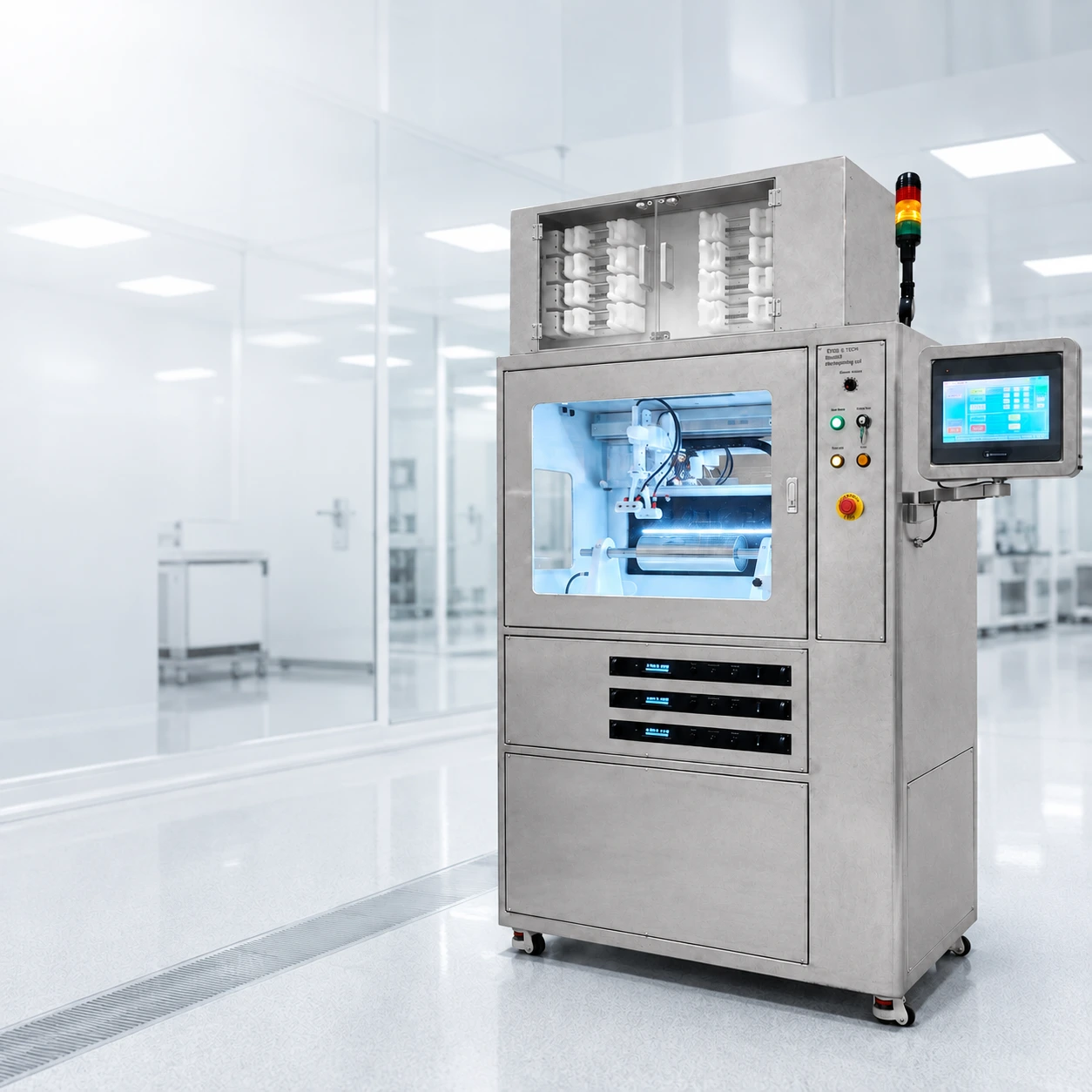
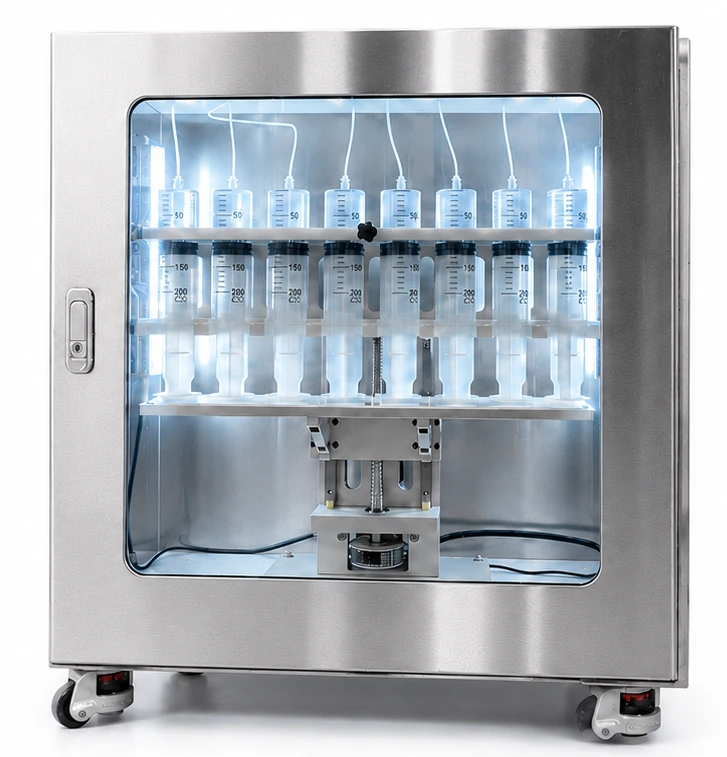
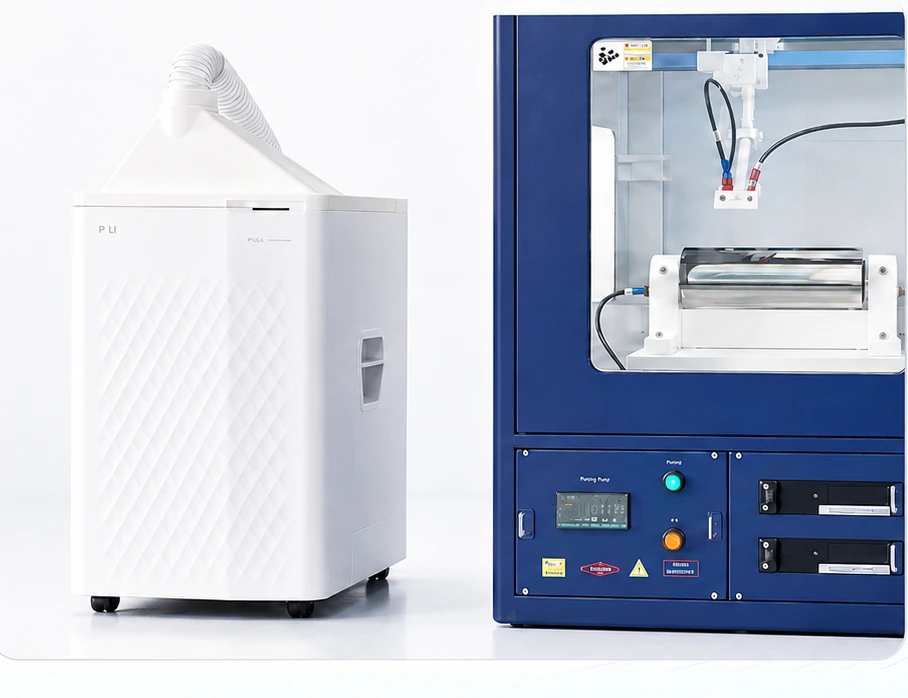
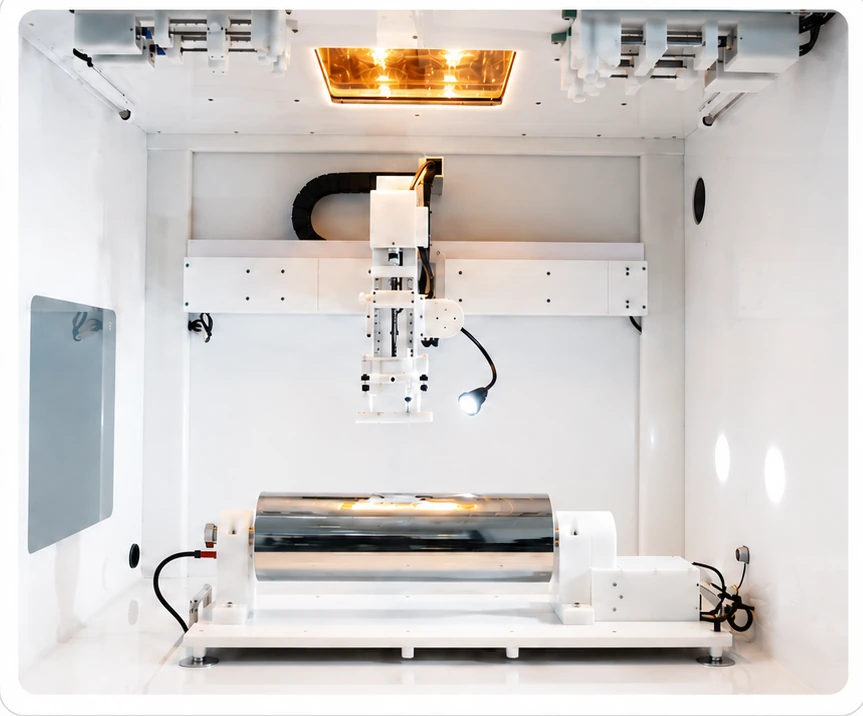
Vertical biomedical electrospinning platform

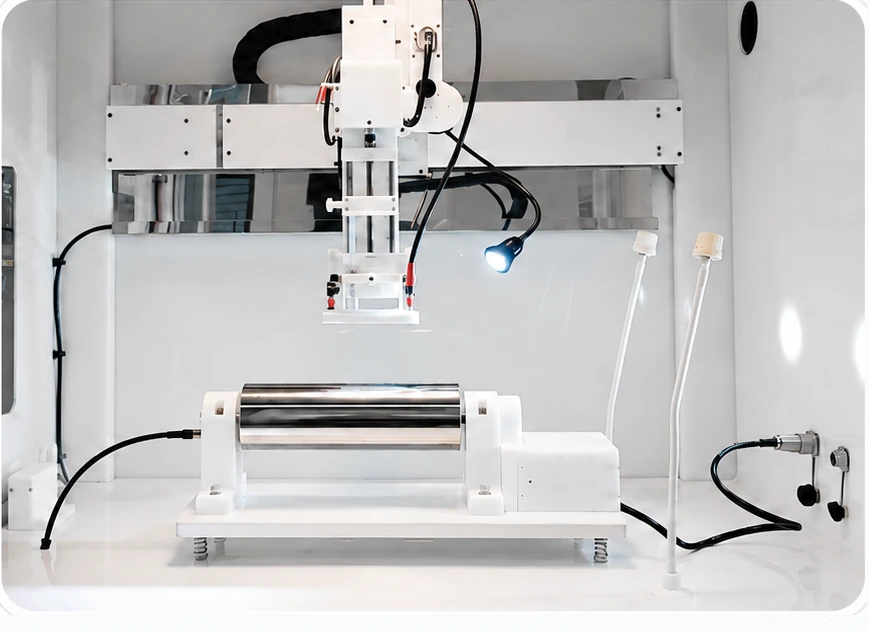
Stainless-steel construction with multiple HV supplies, six independent feeds, 400 mm collectors and 500 mm spinneret travel. Configure process modules around your application.

Choose your TL-BM platform

Compare sample dimensions, process combinations and production scale.

The modules below describe the configuration and expansion options of the TL-BM series. Spinnerets, motion travel, collectors and process modules must match the selected model. They are not all standard equipment on every system.

TL-BM-400V · Platform capabilities

  • Stainless-steel vertical platform for biomedical process development
  • Multiple positive/negative HV configurations and six independent servo feeds
  • 400 mm drum and mandrel length; 500 mm spinneret carriage travel
  • Spinnerets pass beyond both collector ends before reversing
  • Flat, tubular and composite fiber structures through selected collectors
  • Optional drug loading, ultrasonic coating, melt electrowriting and multilayer process combinations
01

Models & applications

Biomedical research and production

  • Stainless-steel construction supports clean laboratory and biomedical production environments.
  • Modular spinnerets and collectors support flat, tubular, multilayer and complex fiber structures.
  • Coordinated control and parameter records support repeatable process development and scale-up.

Biomedical applications

  • Neural repair: dural substitutes, nerve conduits, CSF barriers and neural scaffolds.
  • Biological barriers: anti-adhesion membranes, guided tissue regeneration and wound isolation.
  • Vascular structures: grafts, repair membranes and stent coatings.
  • Tissue repair: corneal, pericardial, soft-tissue and periosteal membranes.
  • Gastrointestinal and urinary repair: hernia, bladder and intestinal membranes.
  • Skin: wound and scar repair materials and tissue-engineering scaffolds.

Configuration overview

Module ranges below are configuration options. Final specifications are agreed for the selected model, material and process.

ParameterSpecification
ConstructionStainless-steel vertical cabinet
HV supply combination3 positive, or 2 positive + 1 negative; expandable
Supply voltage ratings30–50 kV
Independent feeding channels6 servo-driven channels; expansion to 8–10
Main drum length / diameter400 mm / Ø100 mm
Mandrel length / diameter400 mm / Ø1–30 mm
Spinneret X-axis travel500 mm
Spinneret traverse speed1–40 mm/s
Main drum speed / accuracy1–1000 rpm / ±1 rpm
Touchscreen10″
Standard chamber heatingAmbient to 45°C
Standard dehumidificationApprox. 30% RH
02

Feeding & environment

Multiple high-voltage supplies

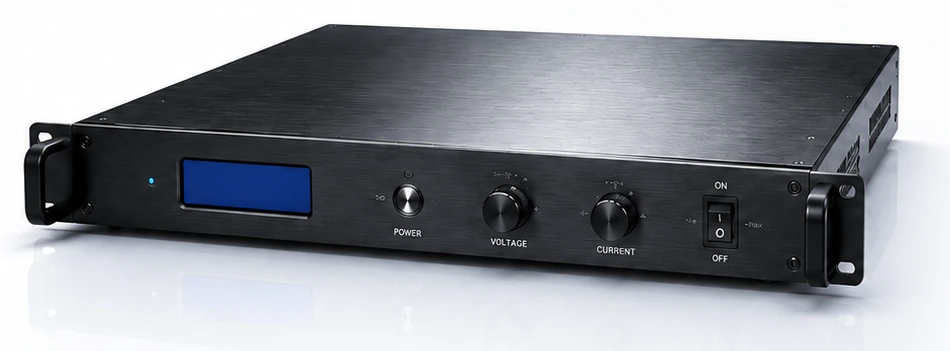
  • Choose three positive supplies, or two positive supplies and one negative supply for combined-polarity processes. Additional supplies can be integrated. Positive and negative supplies are available in 30–50 kV ratings, with each range selected for the process. Voltage monitoring and automatic compensation support output stability.

Centralized touchscreen control

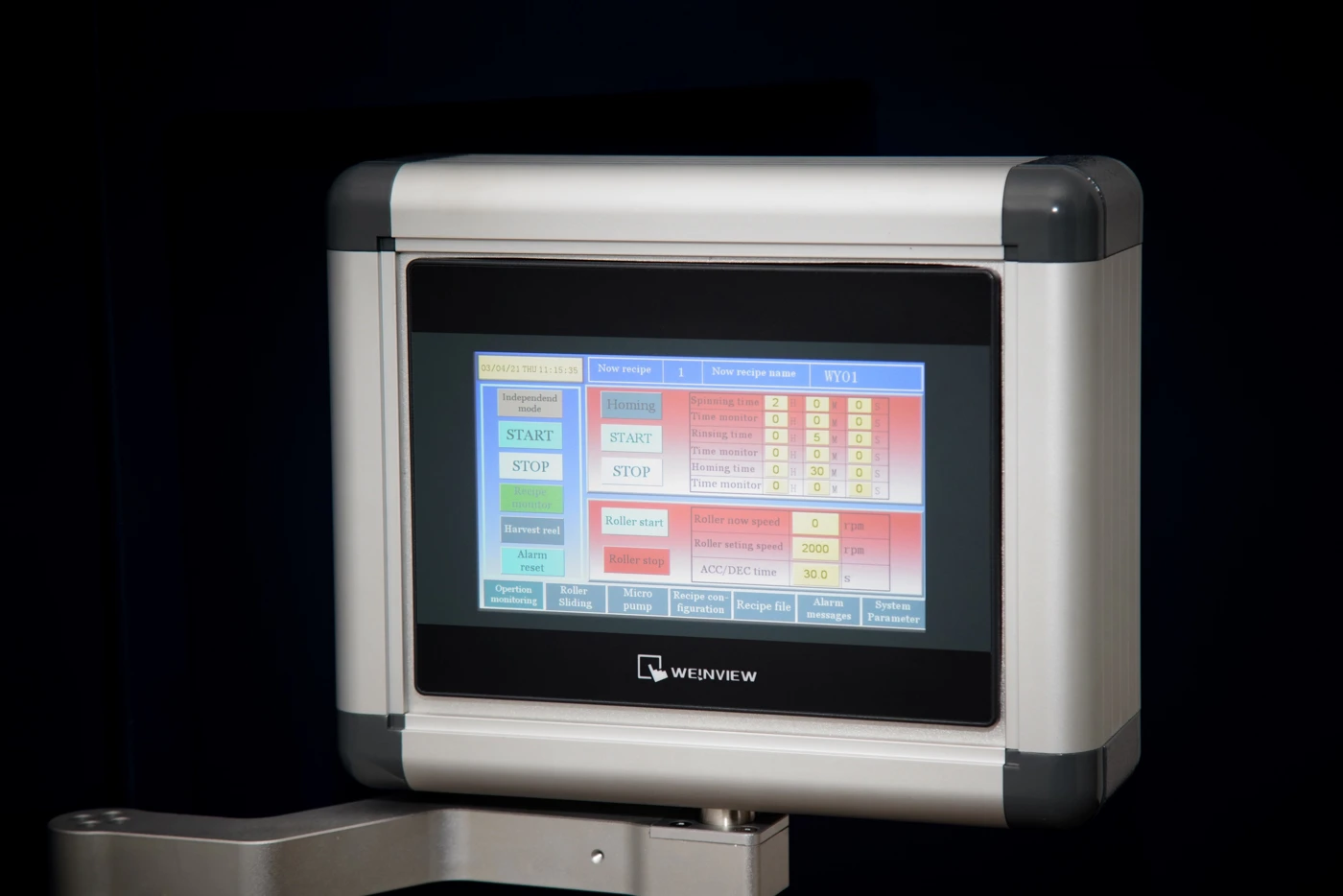
  • A 10-inch touchscreen and physical shortcut buttons coordinate high-voltage output, syringe pumps, spinneret movement and collector rotation. Operating parameters can be recorded. Recipe sequencing and data export can be customized.

Six independent servo-driven feeds

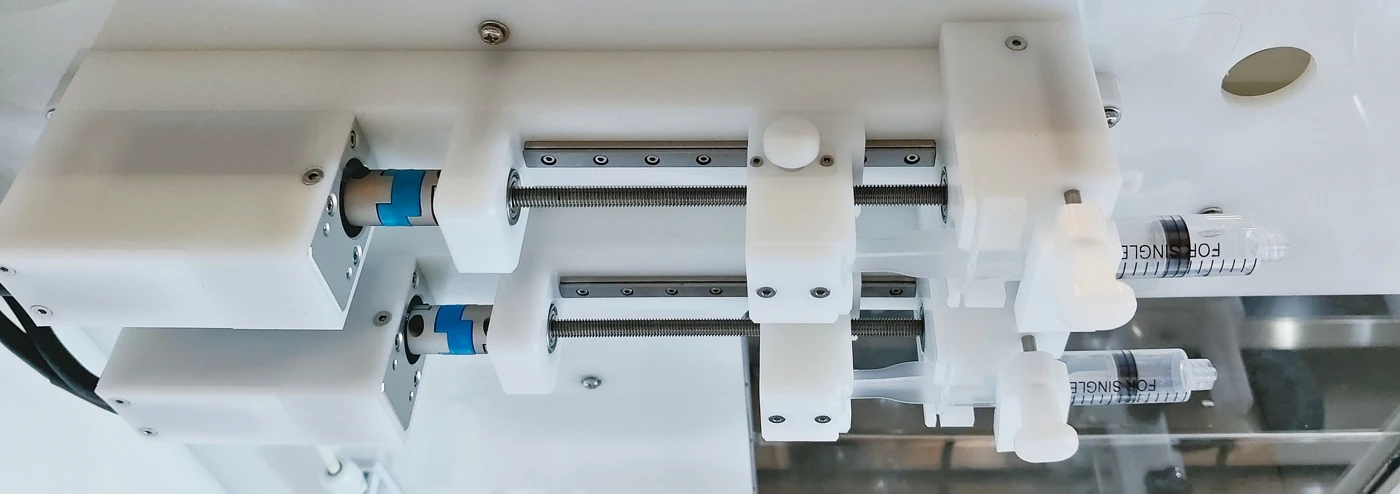
  • Each channel has independently adjustable plunger speed. High-thrust servo drives include high-voltage insulation. Feeding can expand to 8–10 channels using internal or external syringe pumps to suit the material components and process.

External high-capacity syringe pump

  • Higher-capacity feeding supports long runs and pilot or production-scale operation.
  • Coordinated channels and flexible external installation adapt to the process and available space.

Programmable syringe pump

  • Flow range: 0.01–99.9 mL/h.
  • 10 mL and 20 mL syringes; 50 mL and other sizes configurable.
  • 99 flow-rate steps and 99 individually named programs.
  • 7-inch touchscreen for complex feeding sequences.

Temperature, humidity and airflow

  • Standard dehumidification reaches approximately 30% RH. Dust-free heating is adjustable from ambient temperature to 45°C. Optional enhanced dehumidification reaches 20% RH, while optional mist-free evaporative humidification covers 50–80% RH. Intake and exhaust arrangements follow the system configuration. Performance depends on site conditions and process load.

Dust-free heating

  • Continuously adjustable from ambient temperature to approximately 45°C.
  • An external heat source supports uniform chamber heating without disturbing the electrostatic field.
  • Additional zones can control spinneret and collector temperatures.

Heated rotating collectors

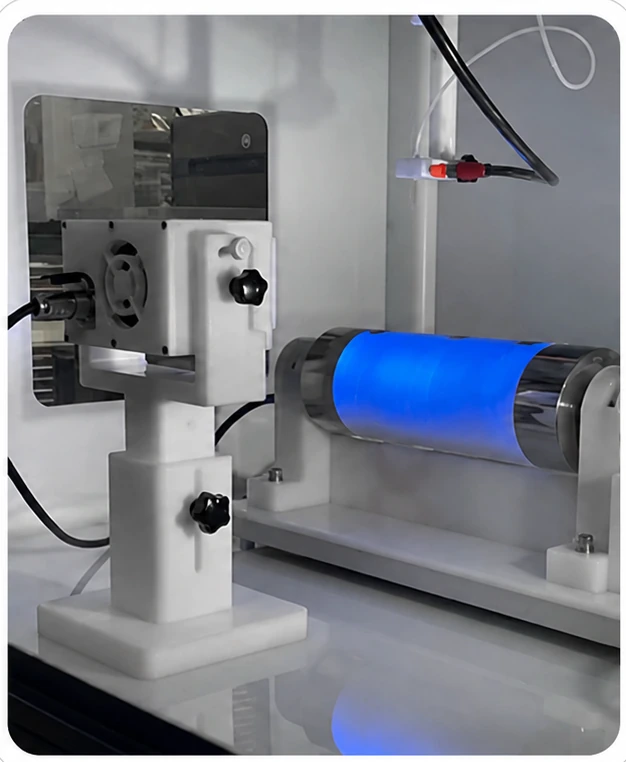
  • Optional independent heating: mandrels up to approximately 60°C and drums up to approximately 140°C.
  • Select heating for low-volatility solvents, specialty materials and heated collection processes.
03

Spinnerets & motion

Modular spinneret platform

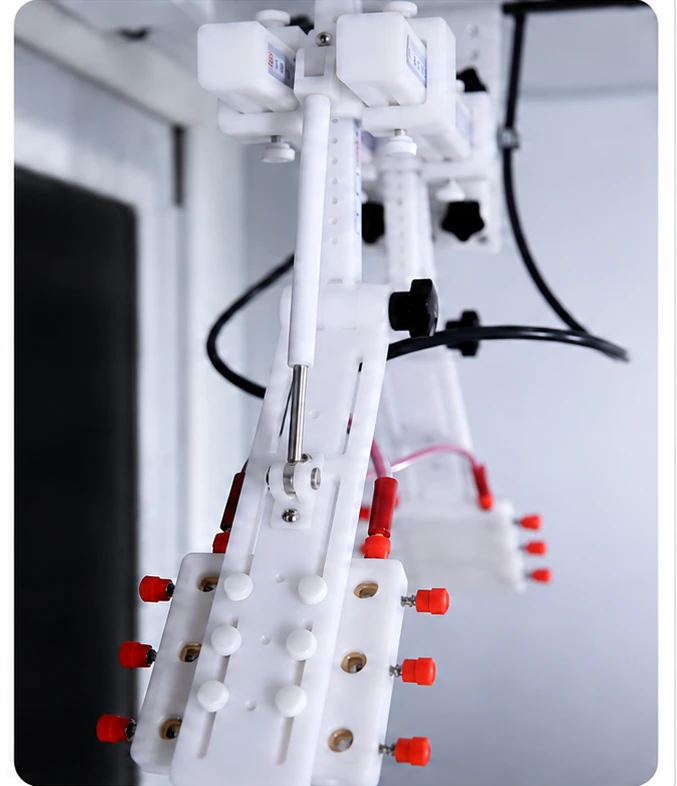
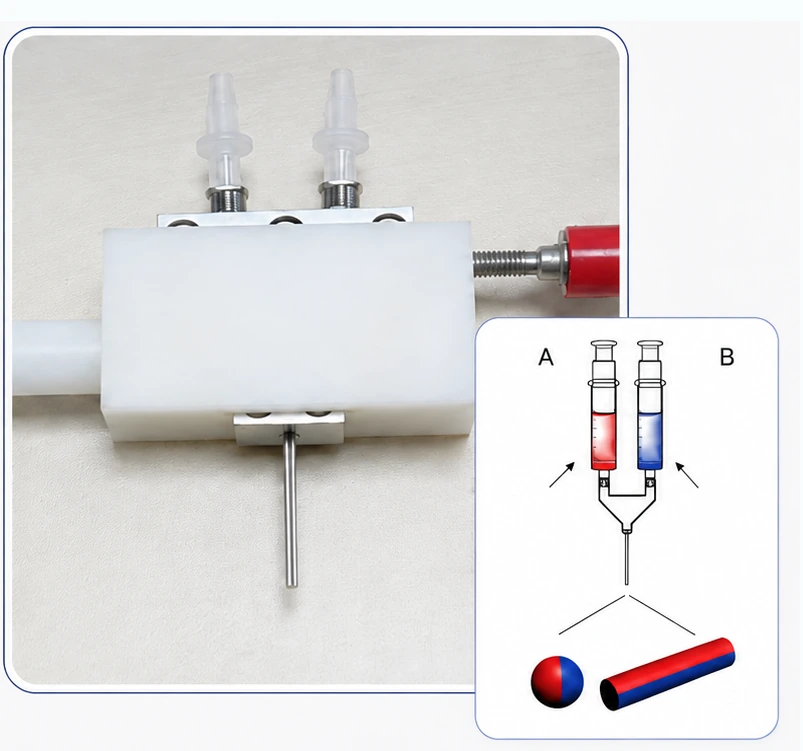
  • Parallel and side-by-side heads for dual-material delivery.
  • Coaxial and triaxial heads for multilayer fibers.
  • Two- or three-channel sea-island configurations.
  • Near-field solution writing and melt electrowriting.
  • V-shaped, linear, circular and matrix arrays.
  • Optional gas-assisted, centrifugal and ultrasonic modules.

Low-volume spinnerets

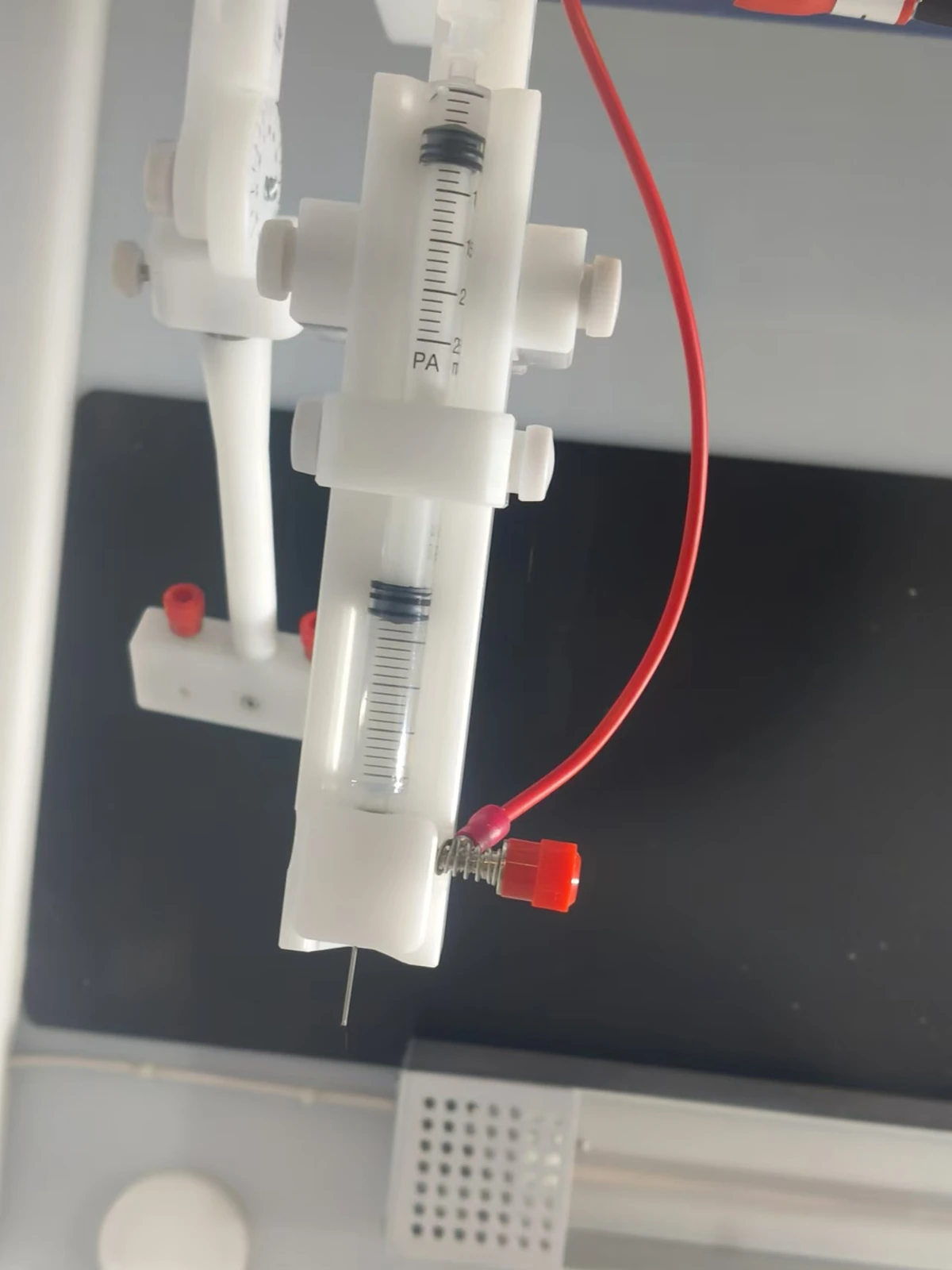
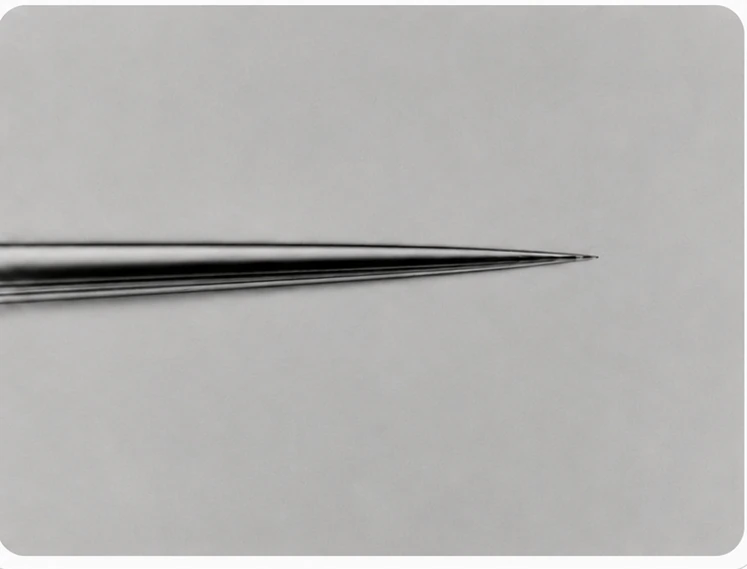
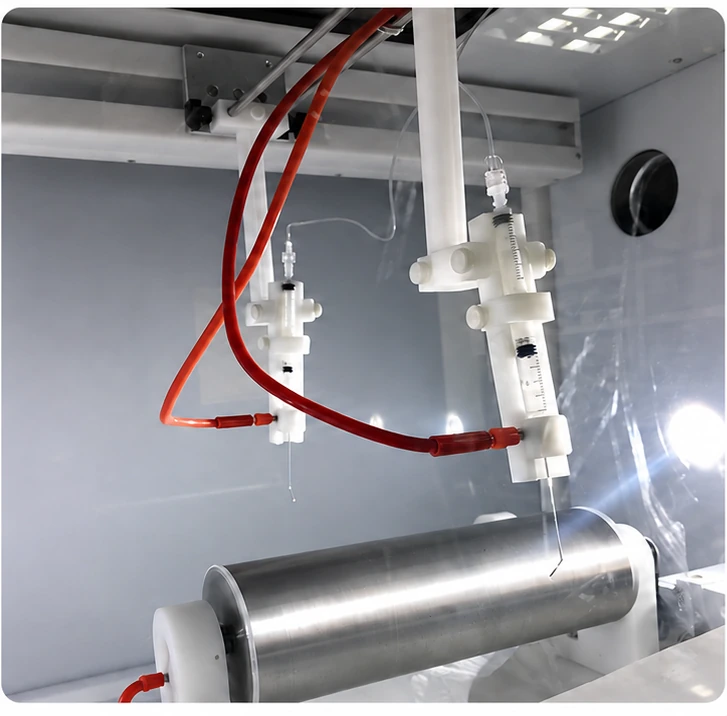
  • Direct syringe-to-needle connection eliminates tubing and reduces material use.
  • Trials can use 0.5 mL of solution.
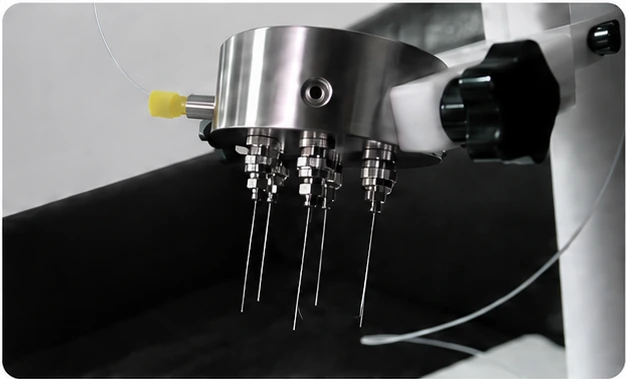
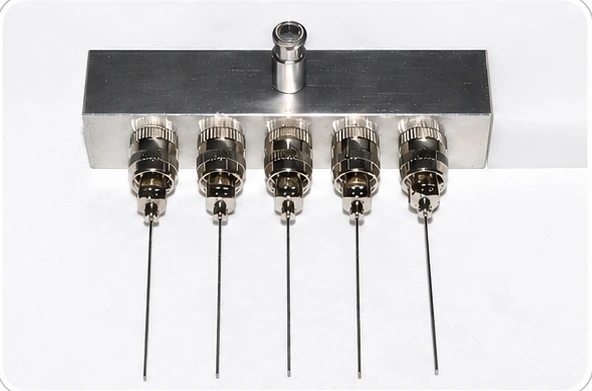
  • Optional configurations support 2–4 low-volume spinnerets simultaneously.

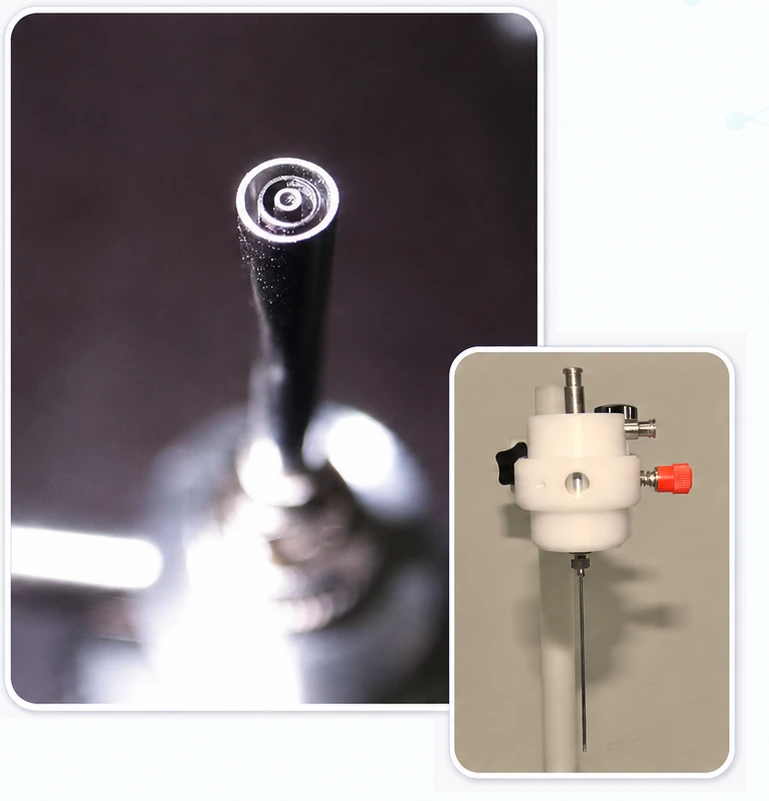
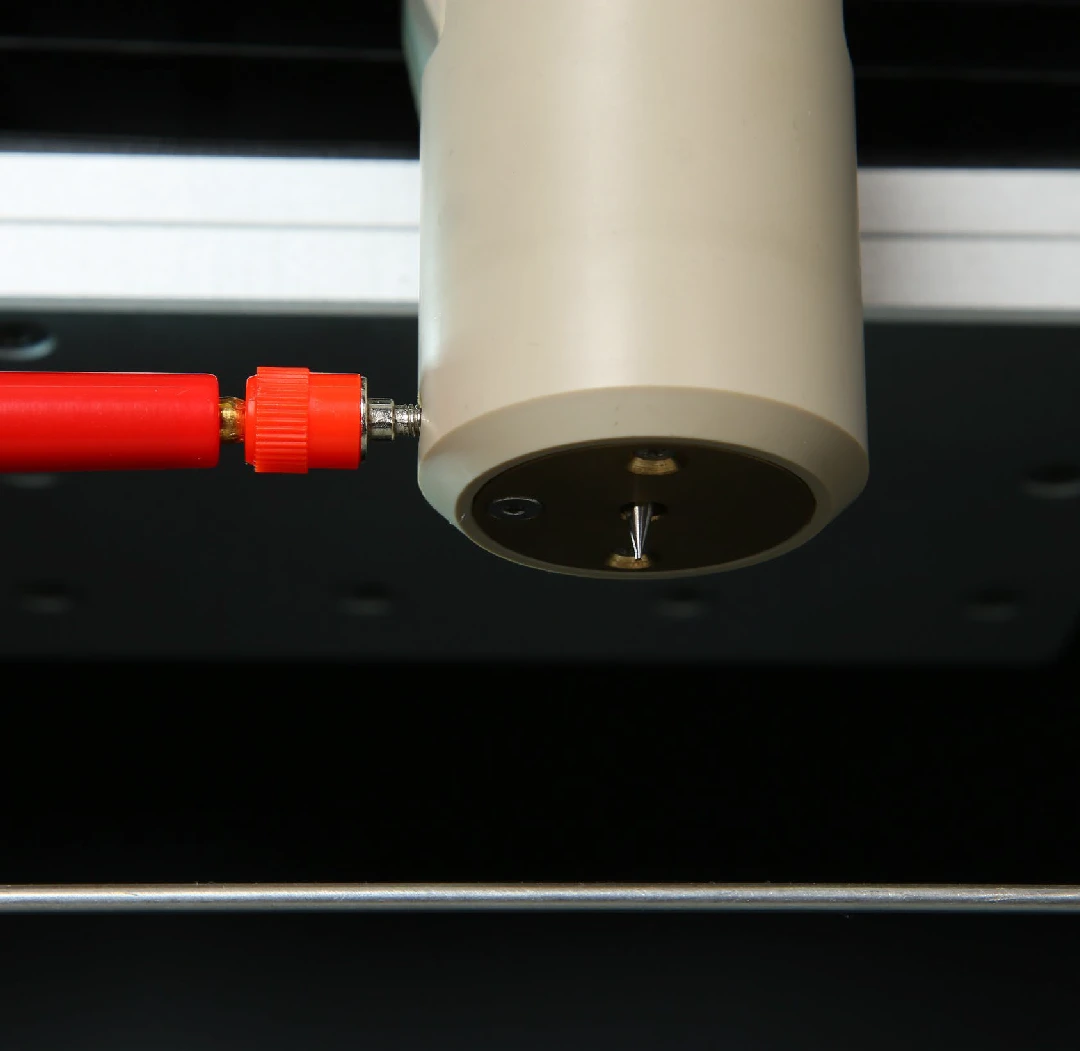
Coaxial spinnerets

  • Concentric inner and outer needles form core–shell fibers.
  • Interchangeable sizes and independently removable needles simplify replacement.
  • Connections can be configured for gas assistance.

Circular and array coaxial spinnerets

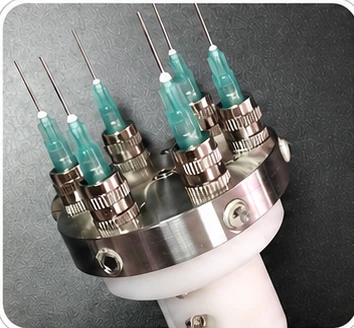
  • Parallel coaxial jets increase core–shell fiber output.
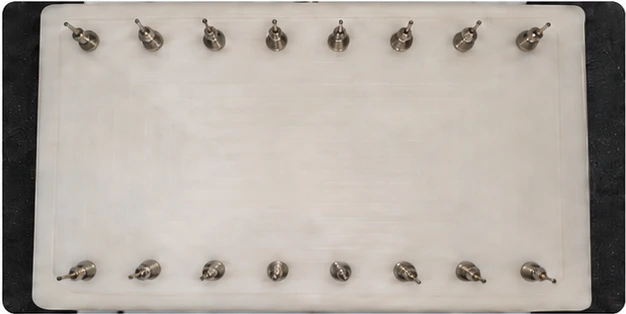
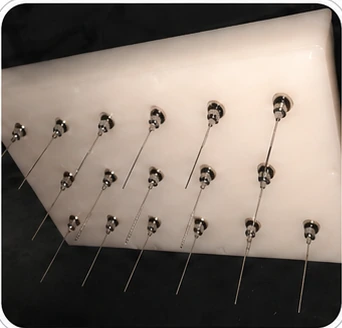
  • Circular or matrix layouts and needle spacing are selected for output and electric-field interaction.
  • For pilot expansion and continuous composite-fiber production.

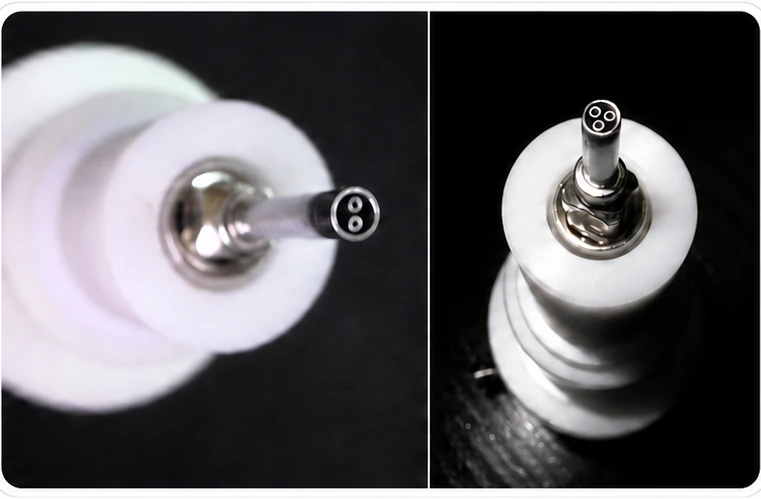
Triaxial spinnerets

  • Three independently supplied concentric channels form multilayer fibers.
  • Modular needle combinations support different core and shell dimensions.
  • For multilayer drug-delivery and functional-fiber research.

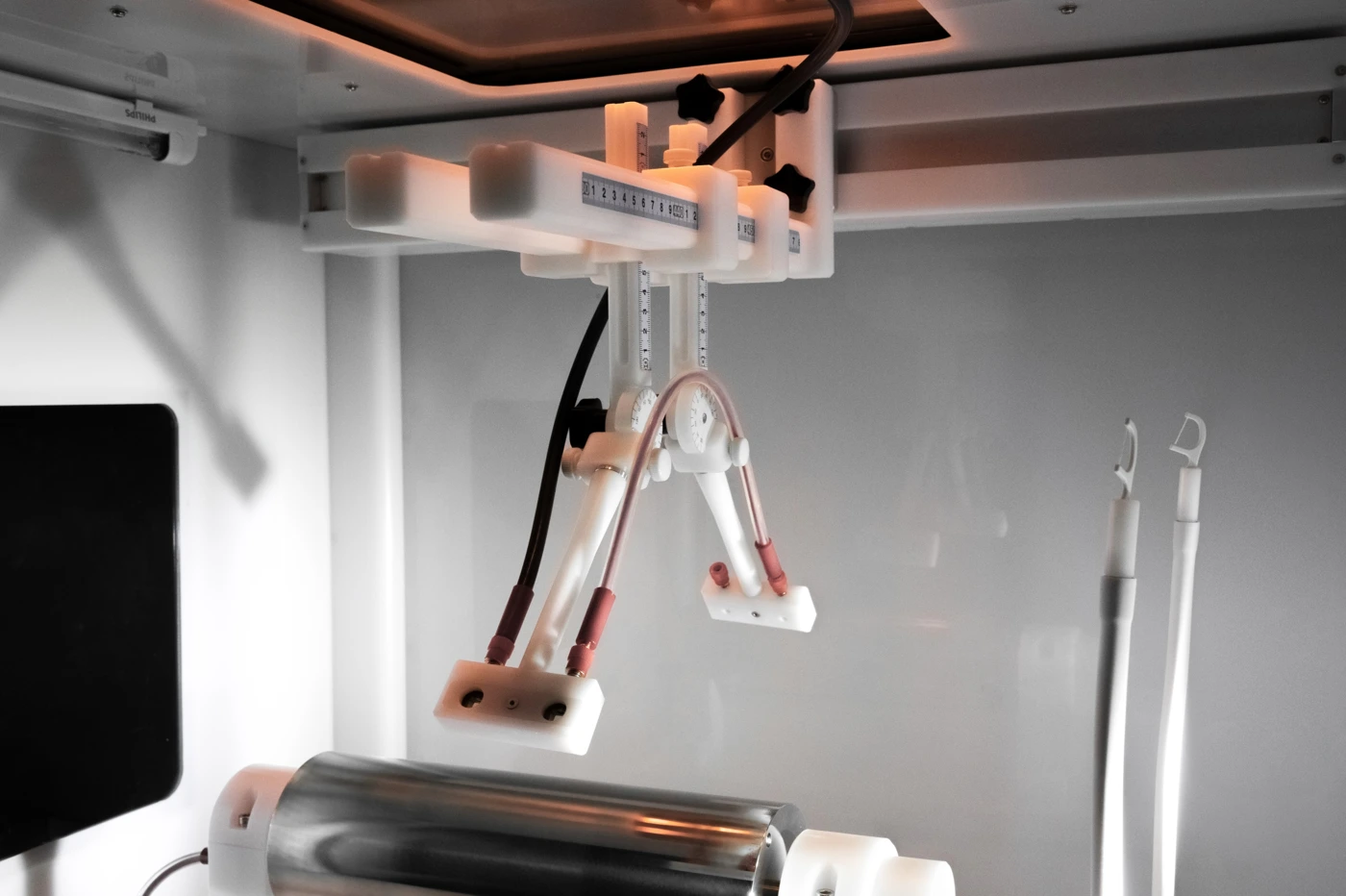
V-array multi-needle spinnerets

  • Adjustable spinneret angles and spacing support parallel multi-jet operation.
  • The two sides can receive different positive HV settings.
  • Conjugate and combined spraying/spinning arrangements depend on the selected supplies and modules.

Conjugate electrospinning

  • Positive and negative jets operate together for specialty fiber structures and two-material spinning.
  • Coordinated polarity helps manage charge accumulation and inter-spinneret interaction.

Sea-island spinnerets

  • Two- and three-channel designs provide independently controlled material feeds.
  • Produce sea-island, cable-like and other multicomponent fiber cross-sections with the selected channel arrangement.

Automatic needle cleaning

  • Clean needles during spinning without stopping the system.
  • Adjust cleaning frequency to solvent volatility.
  • Combine reciprocating motion and cleaning for long runs with volatile solvents.

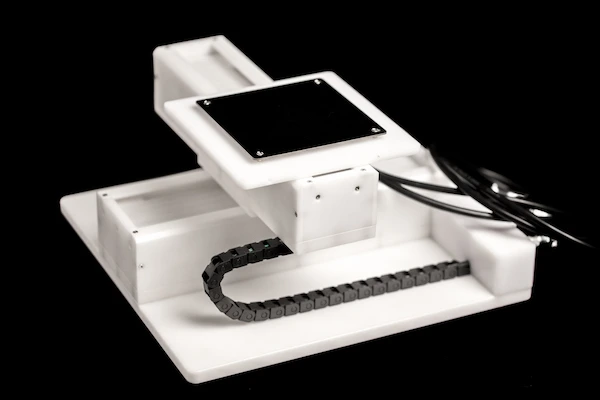
500 mm travel for 400 mm collectors

  • The drum and mandrel are 400 mm long. The spinneret carriage travels 500 mm so the spinnerets pass beyond the collector ends before reversing. Motorized X-axis traverse runs at 1–40 mm/s. Y and Z positions adjust manually with scale markings. Additional axes and programmed toolpaths can be customized.
04

Fiber collection

Fiber collection systems

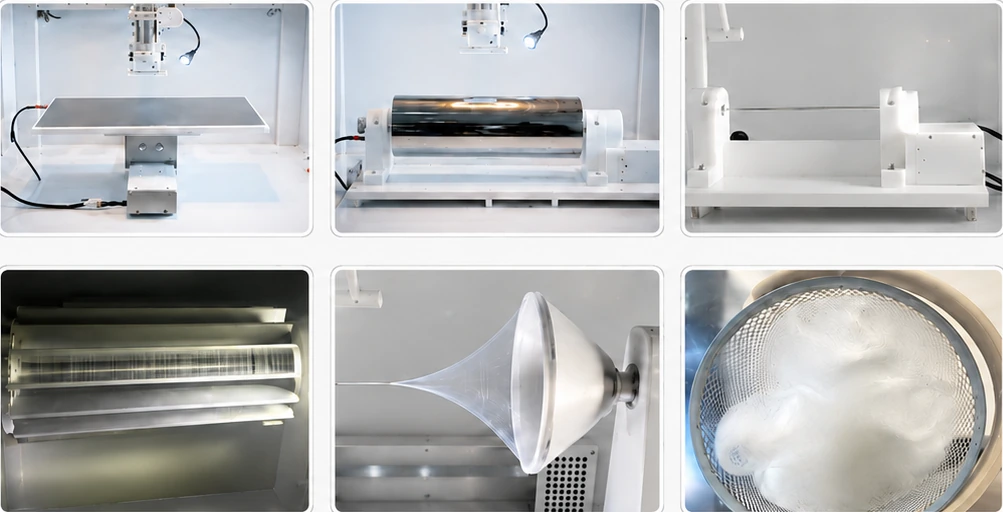
  • Choose collectors for flat or tubular membranes, aligned fibers, microfilaments, yarns and thick porous mats.
  • Continuous webs, patterned deposition and multilayer 3D structures require matching collection and motion modules.

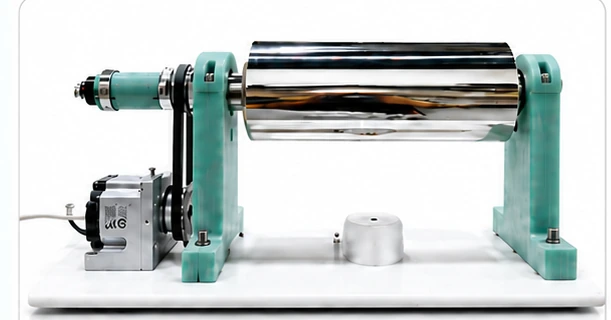
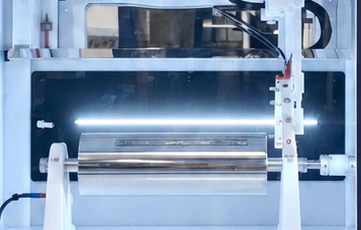
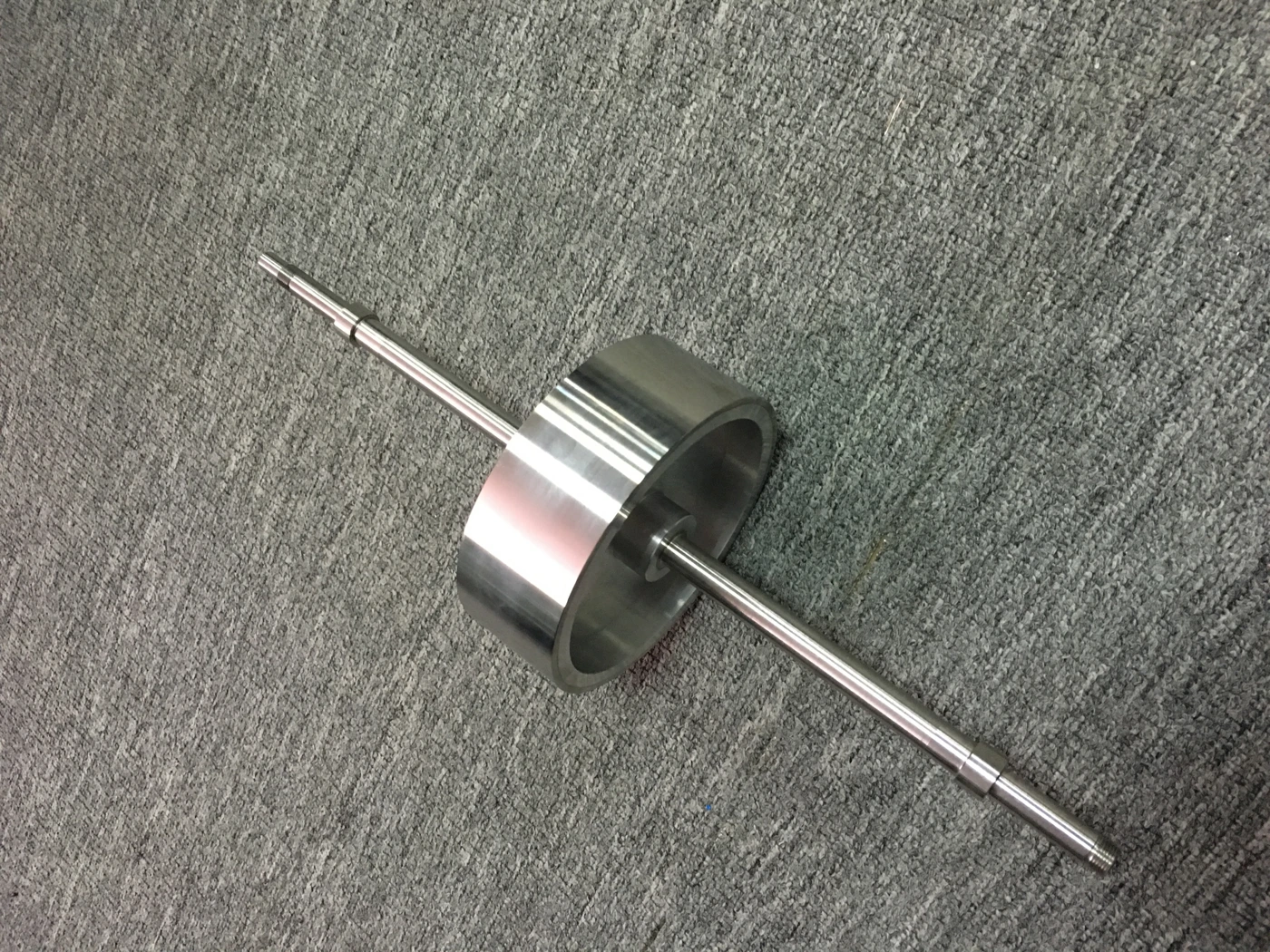
400 mm drum and mandrel

  • The main drum is Ø100 × 400 mm, with 1–1000 rpm rotation and ±1 rpm speed accuracy. Mandrels are 400 mm long and 1–30 mm in diameter for hollow tubular membranes. A separate high-speed drum option is Ø100 × 300 mm, 1–5000 rpm, ±1 rpm. Custom dimensions and heating are available.

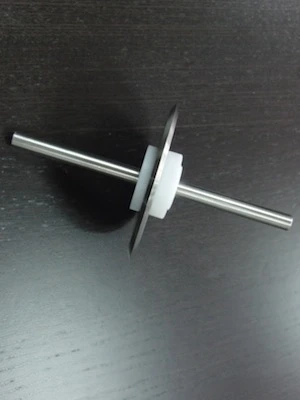
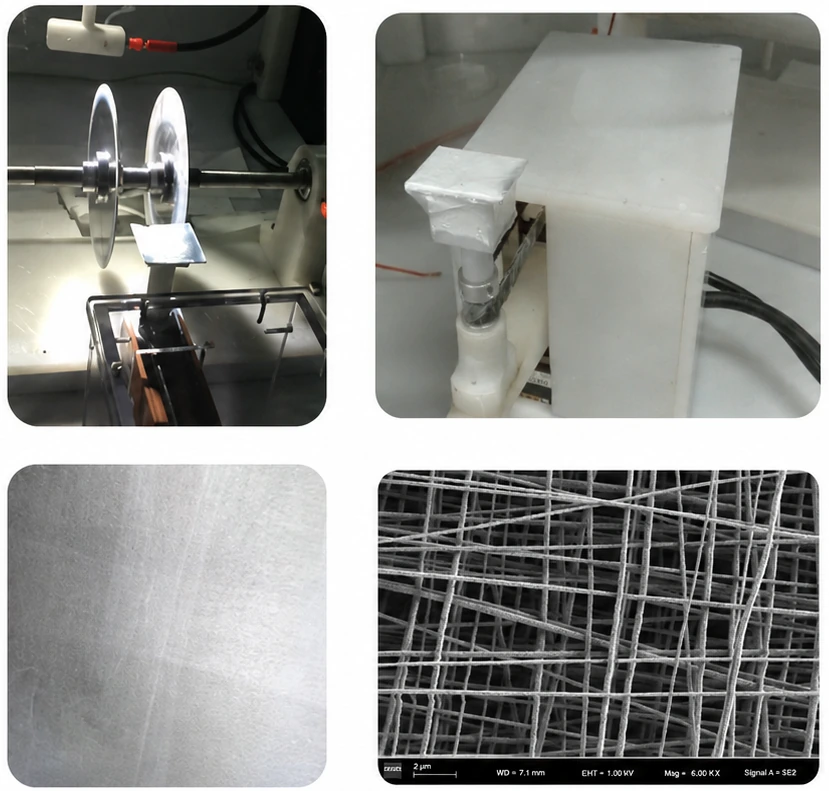
Rotating disc collector

  • Disc diameter Ø140 mm; 1–5000 rpm, ±1 rpm. Select the edge profile for aligned fiber ribbons.

Highly aligned fiber collector

  • High-speed rotation at approximately 1–5000 rpm supports narrow aligned membranes and fiber bundles.
  • Collector geometry is selected for the sample dimensions.

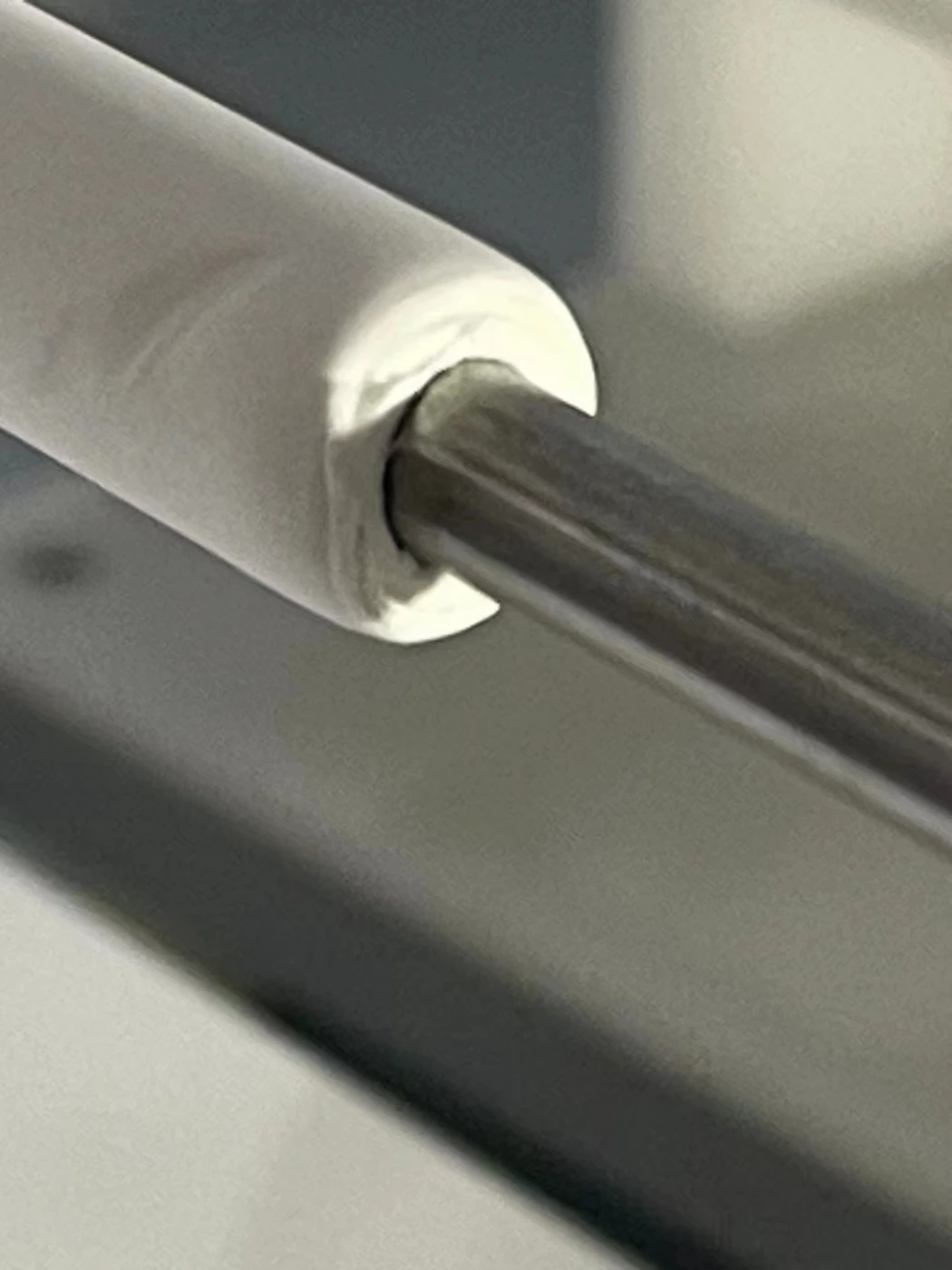
Rotating mandrel collector

  • 400 mm mandrel length, Ø1–30 mm, for hollow tubular membranes. Match mandrel dimensions to the target sample.

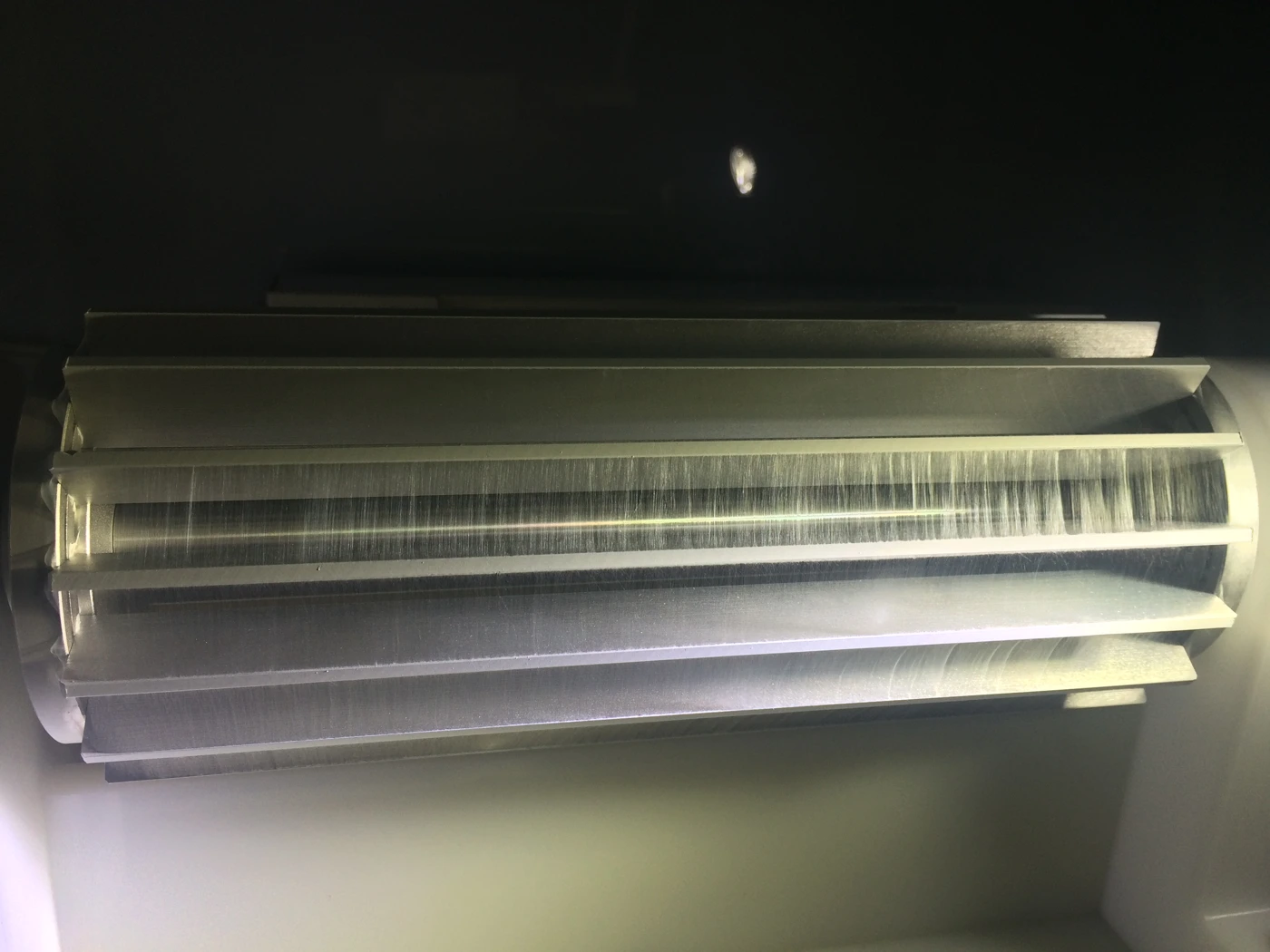
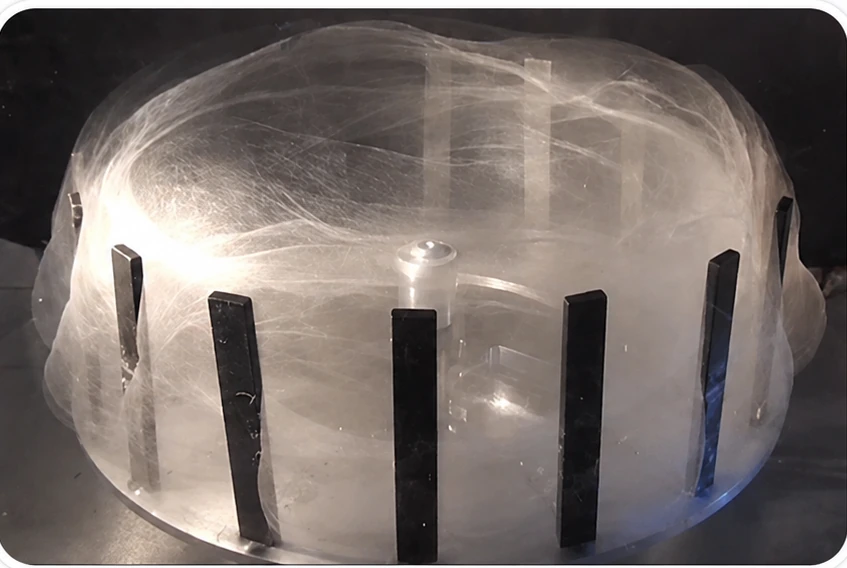
Parallel-electrode cage collector

  • Ø110 × 400 mm parallel-electrode cage, 1–150 rpm. Low-speed collection supports aligned porous fibers.
05

Optional processes

Specialized process modules

  • Extend the platform with vacuum holding, heated spinnerets, UV curing, microscopy, charge neutralization and specialty collectors.
  • Combine electrospinning with melt electrowriting, ultrasonic spraying, liquid-bath collection or continuous winding as required.

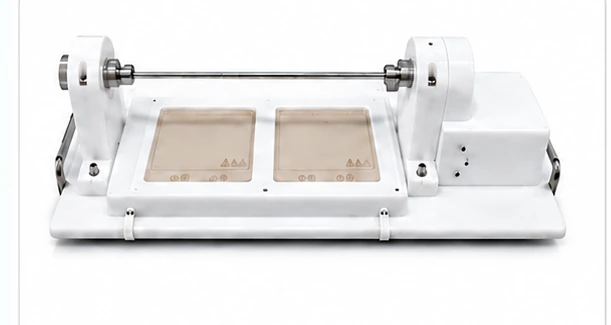
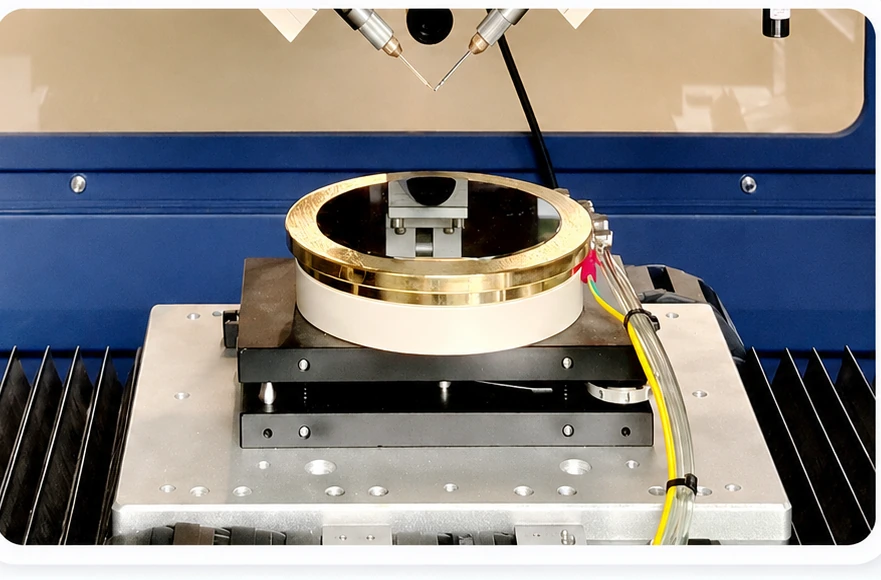
Rotating vacuum chuck

  • For 1–6 inch wafers, glass, PET, PI and metal foils.
  • Two vacuum channels provide independent holding-force adjustment.
  • Fine leveling and adjustable rotation support substrate positioning.

Heated spinneret

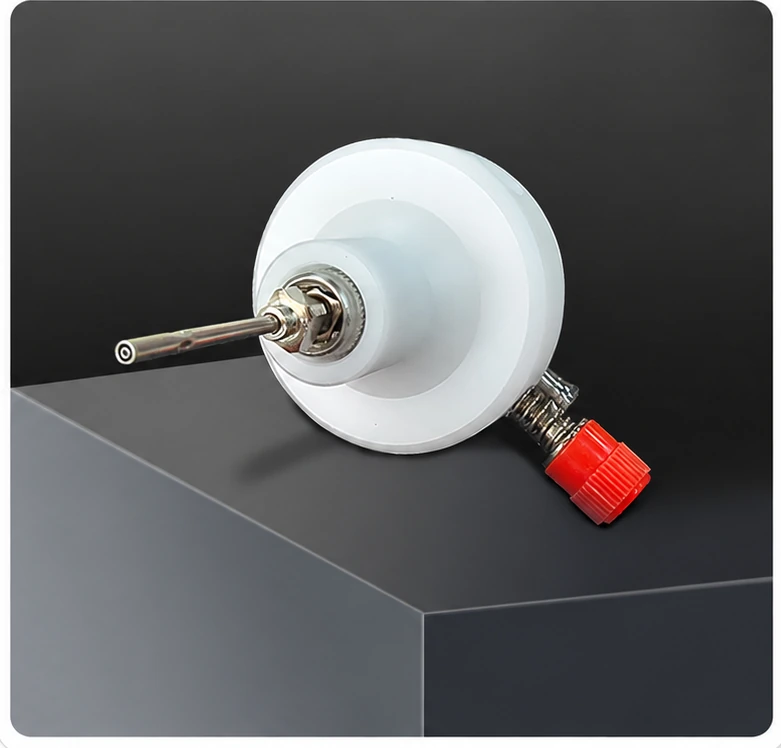
  • Ambient to 150°C, positive HV ≤25 kV, for 5 mL glass syringes.
  • For thermally assisted electrospinning and micro/nanoscale writing with compatible materials.

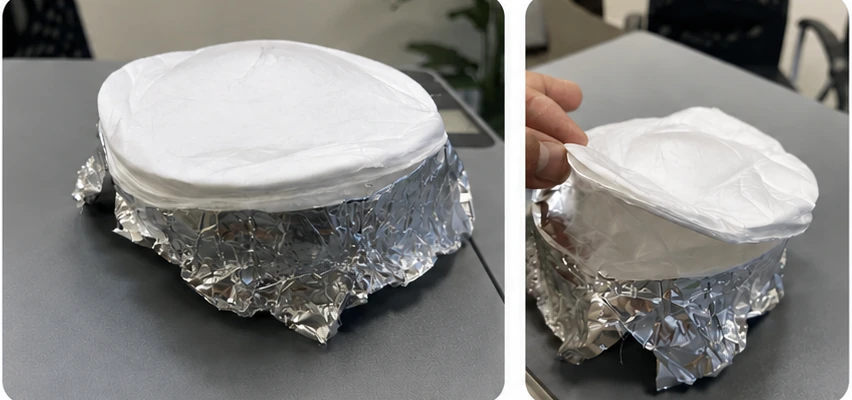
Spiral thick-mat collector

  • Continuous deposition builds thick porous 3D fiber mats.
  • Run time and process settings control thickness while retaining an interconnected fiber network.

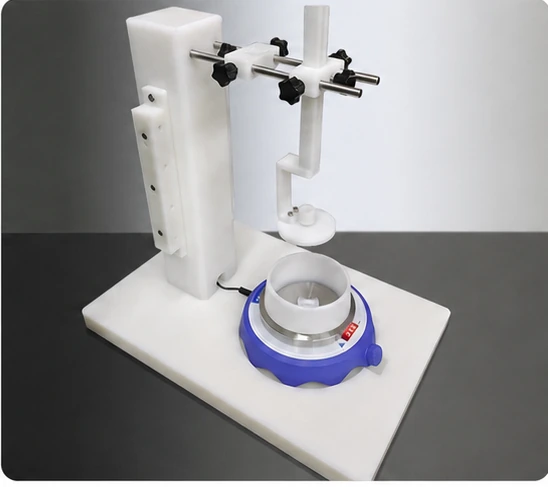
Nanoparticle and microsphere collection

  • Liquid-bath collection with magnetic stirring for particles and short fibers.
  • Bath dimensions, media and auxiliary electrodes can be selected for the sample and process.

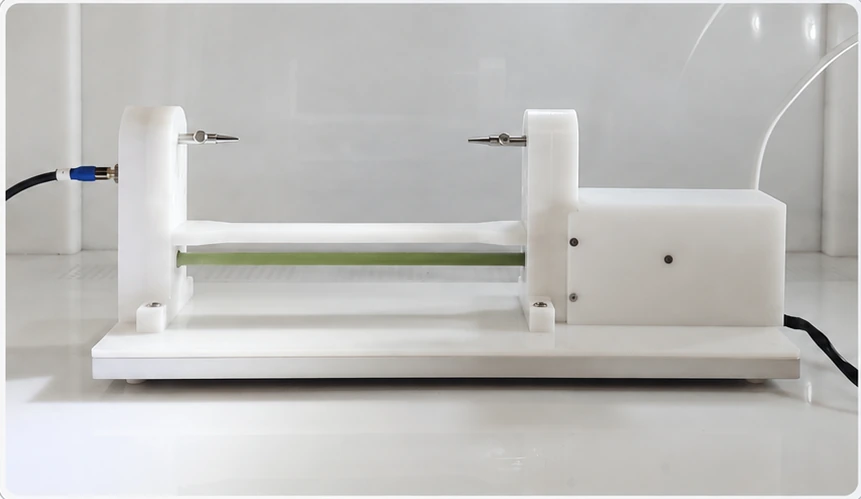
Microfilament nanofiber coating

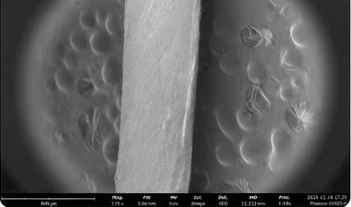
  • Dual motors rotate filaments approximately 10–1000 μm in diameter.
  • Rotation of approximately 1–5000 rpm supports nanofiber coating on the filament surface.

Orthogonal fiber deposition

  • Synchronized twin-disc collection forms alternating 0°/90° layers.
  • Adjust layer count, orientation and fiber spacing for tissue-engineering and composite structures.

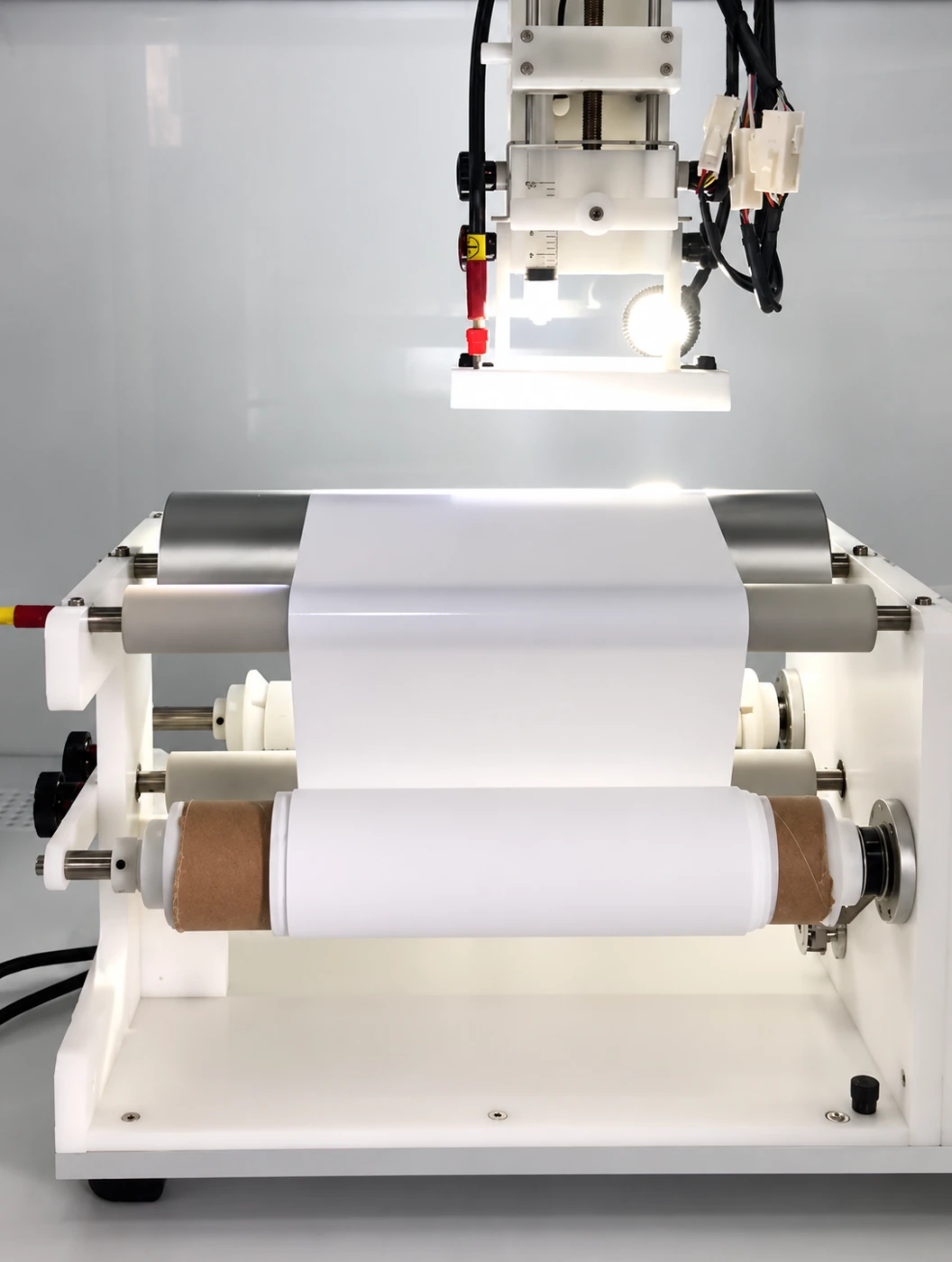
Continuous roll-to-roll collection

  • 250 mm collection width, 1–40 mm/s web speed and 50–100 m membrane length, depending on substrate, thickness and winding conditions. Custom collection widths are available.

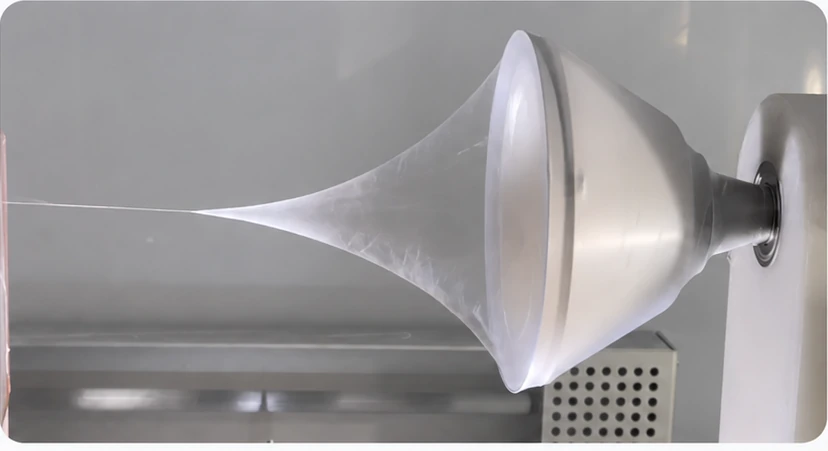
Centrifugal electrospinning

  • Combine centrifugal force and an electric field for higher-throughput fiber formation from compatible solutions or melts.
  • Representative spinning disc diameter: approximately 650 mm. Integration requires a suitably sized platform.

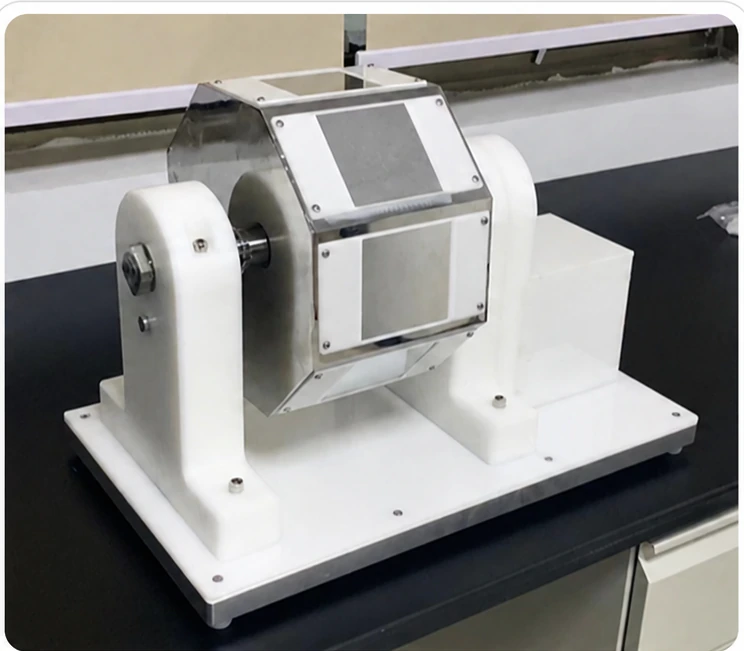
Rotating flat-plate collector

  • Servo rotation: approximately 1–5000 rpm.
  • Representative plate: approximately 80 × 80 × 0.5 mm.
  • Select deposition conditions for random, partially aligned or highly aligned structures.

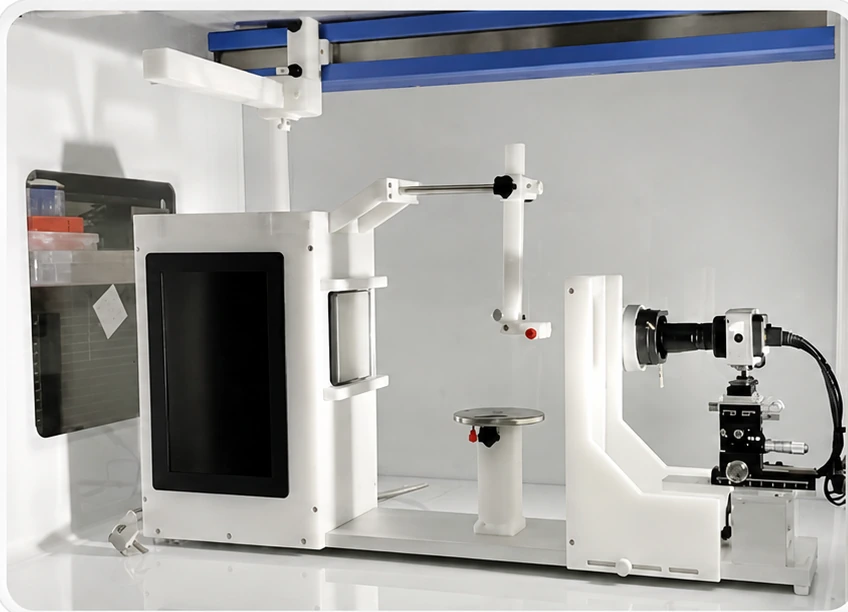
Microscope imaging

  • A microscope and industrial camera observe droplets, jets and the Taylor cone in real time.
  • Stable positioning relative to the needle supports process observation and adjustment.

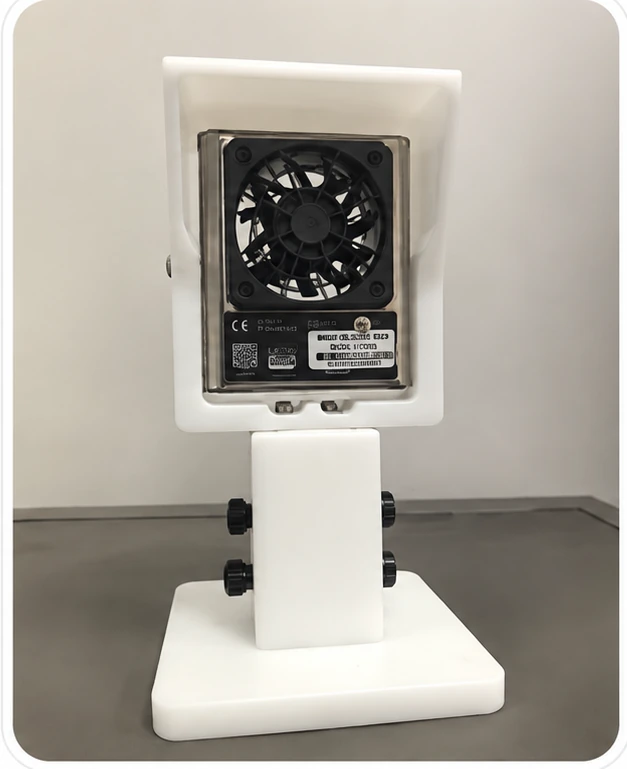
Ionizing air blower

  • Neutralize accumulated charge to reduce fiber adhesion and flyaway fibers.
  • Charge management and auxiliary airflow support more consistent deposition; results depend on process conditions.
06

Safety & customization

Protective functions

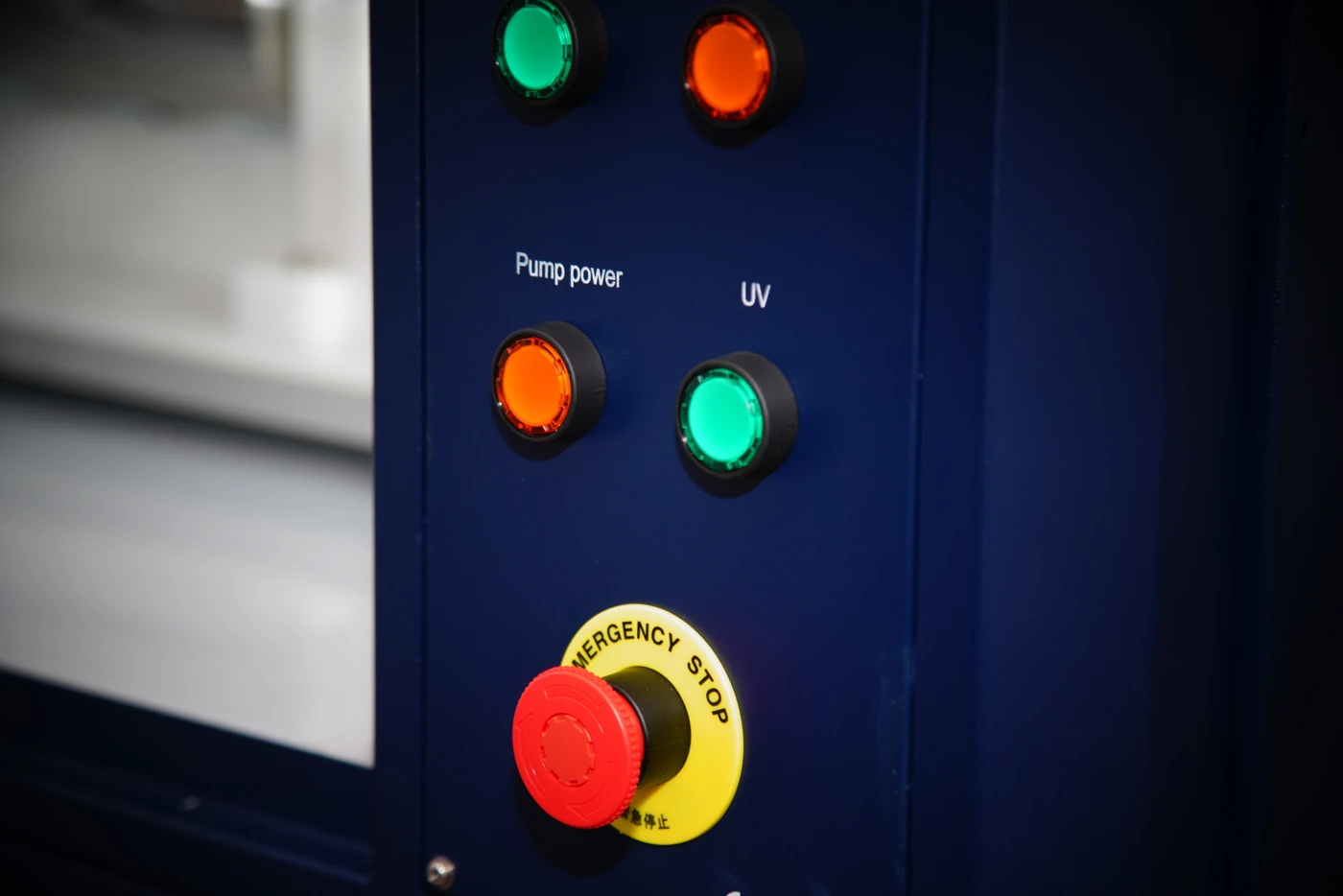
  • Emergency stop and a door interlock shut down high-voltage output when required. The supplies provide overvoltage, overcurrent, arc and short-circuit protection. Multipoint grounding connects the cabinet, HV supplies, syringe pumps and collectors.

Repeatable and traceable processing

  • Clean construction, stable high voltage and modular changeover support biomedical process development.
  • Parameter logging and data management document the process.
  • Grounding, insulation and interlocks form part of the system safety design.

Configure around your application

  • Start with the material system, target fiber structure and process route.
  • Match spinnerets, collectors, motion and environmental control to those requirements.
  • Specify automation, data management and installation interfaces for laboratory work or production.

Tell us what you want to make.

Share your material, target structure and sample size. We can discuss a suitable platform and configuration.

Discuss your application