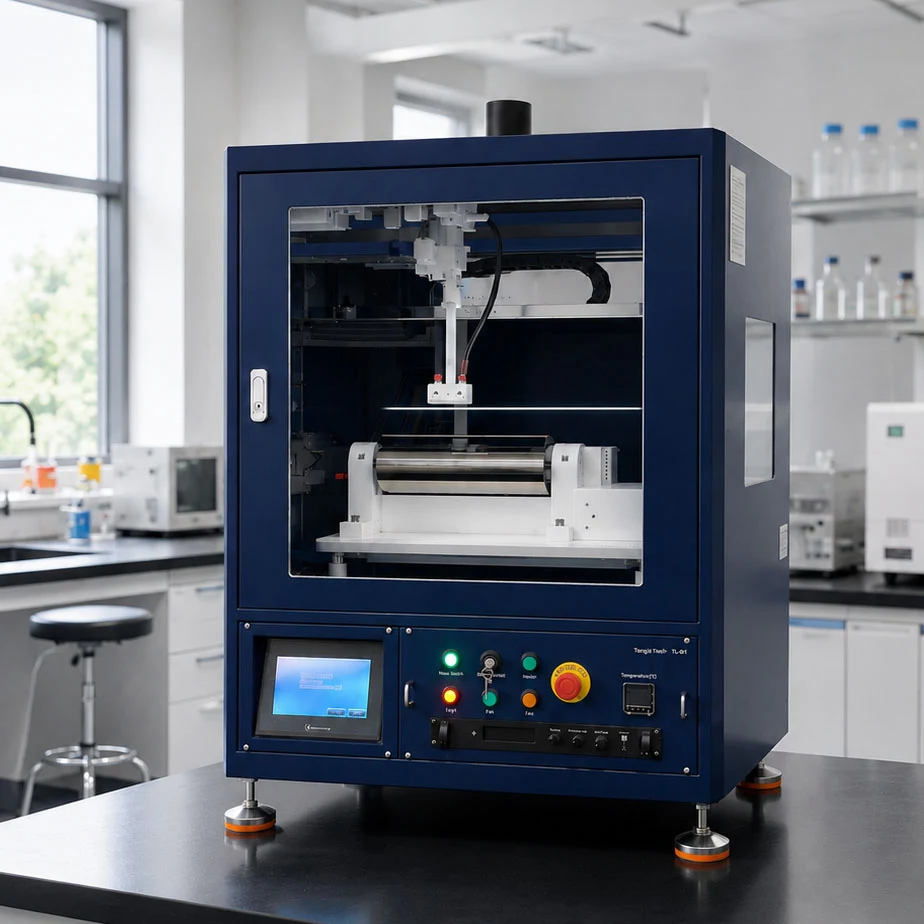
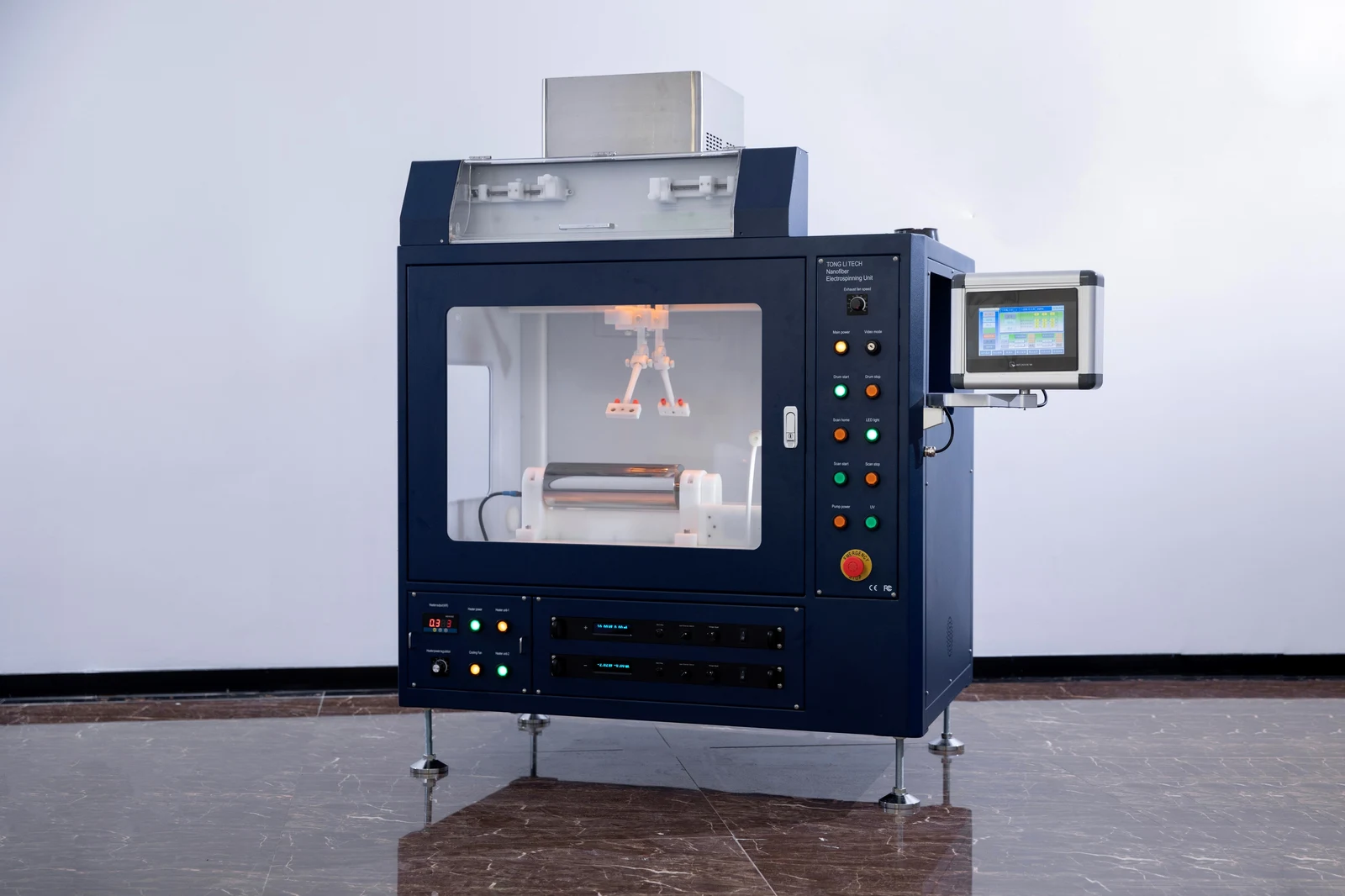
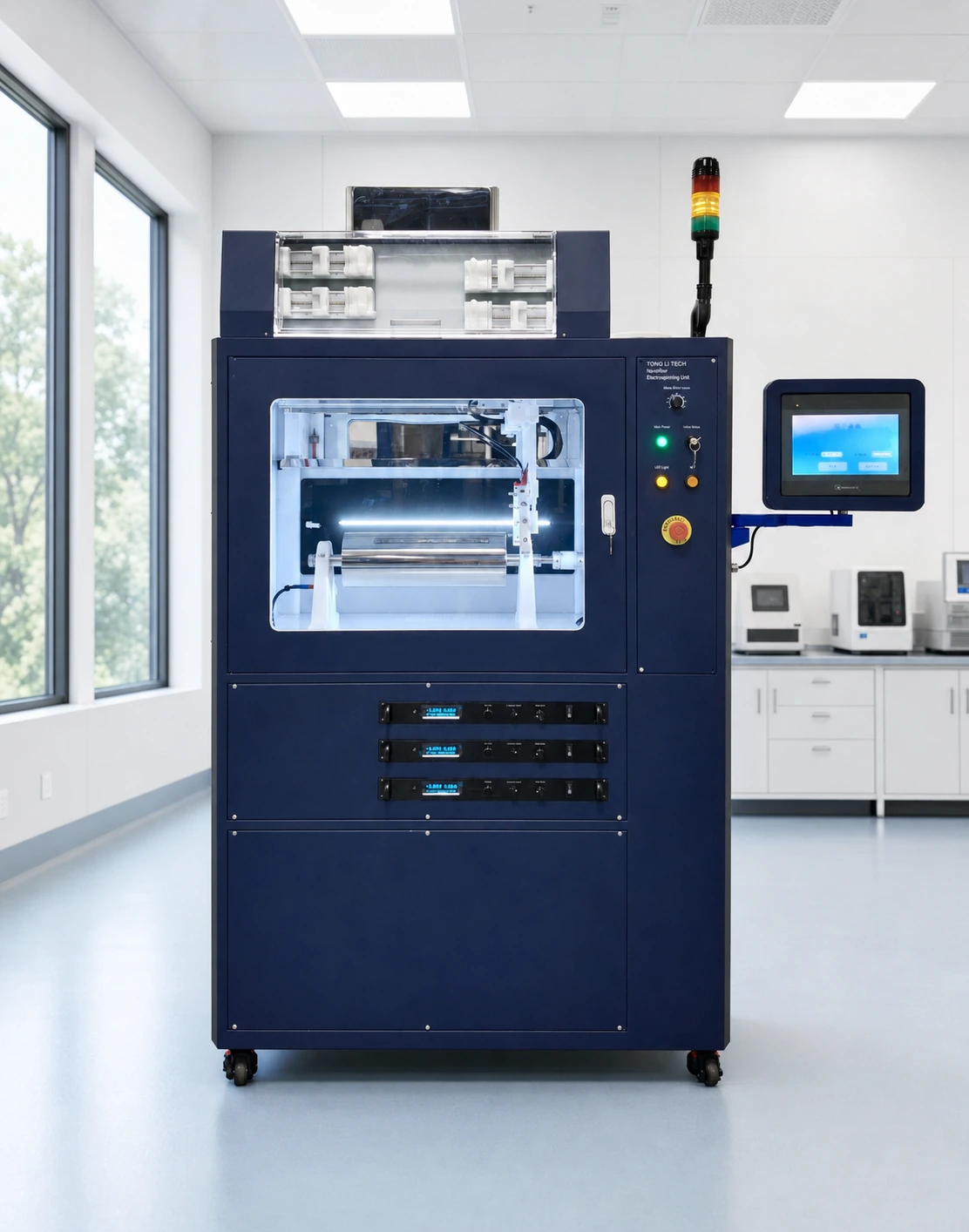
Explore different materials and fiber structures on one configurable platform. TL-Pro combines bipolar high voltage, independent solution delivery and interchangeable spinnerets and collectors with touchscreen control.
Choose the spinnerets, collectors and process modules for your application. The configurations shown here are available choices; they are not all supplied together. Optional upgrades are identified below.
01
Platform overview
Built for flexible laboratory work
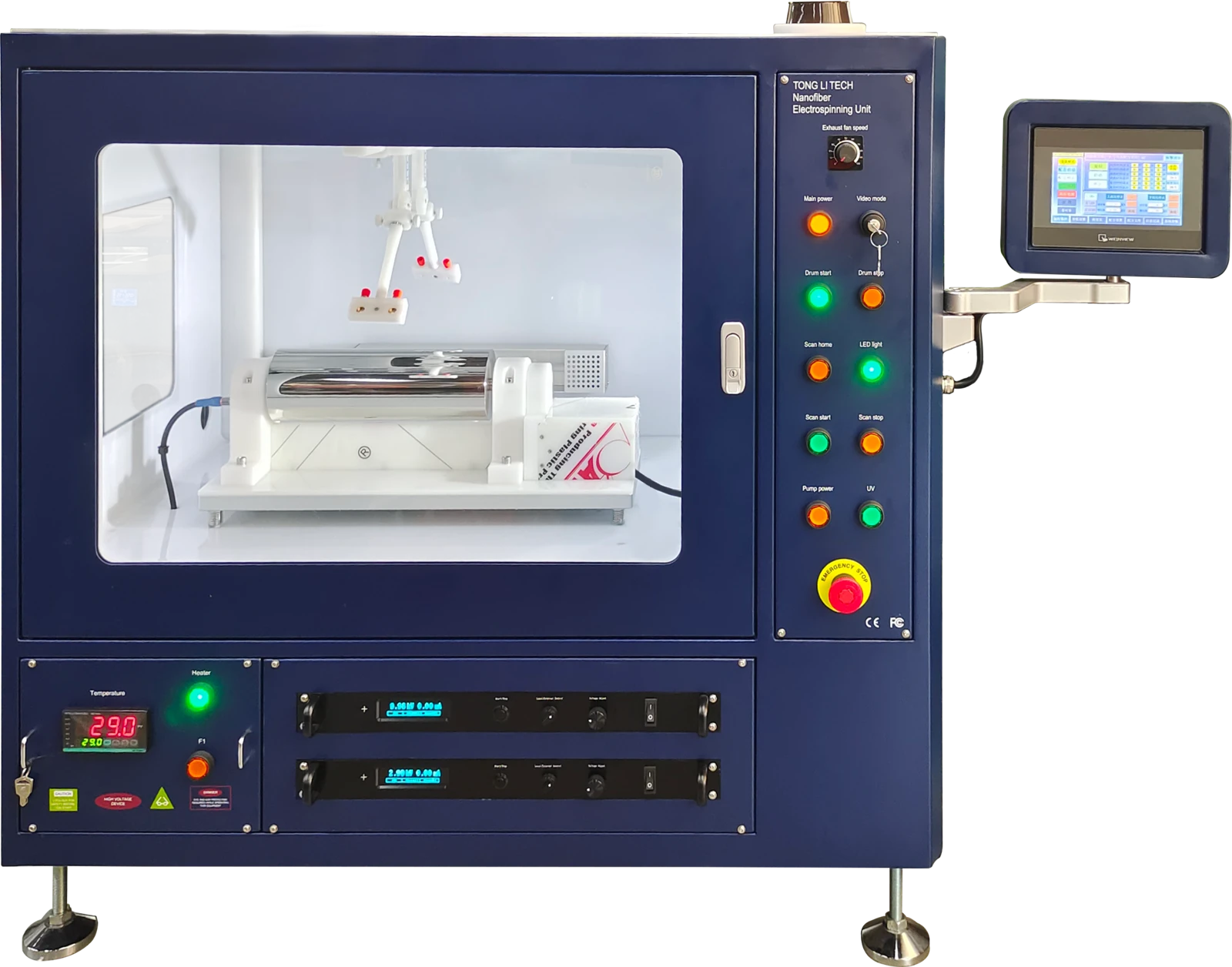
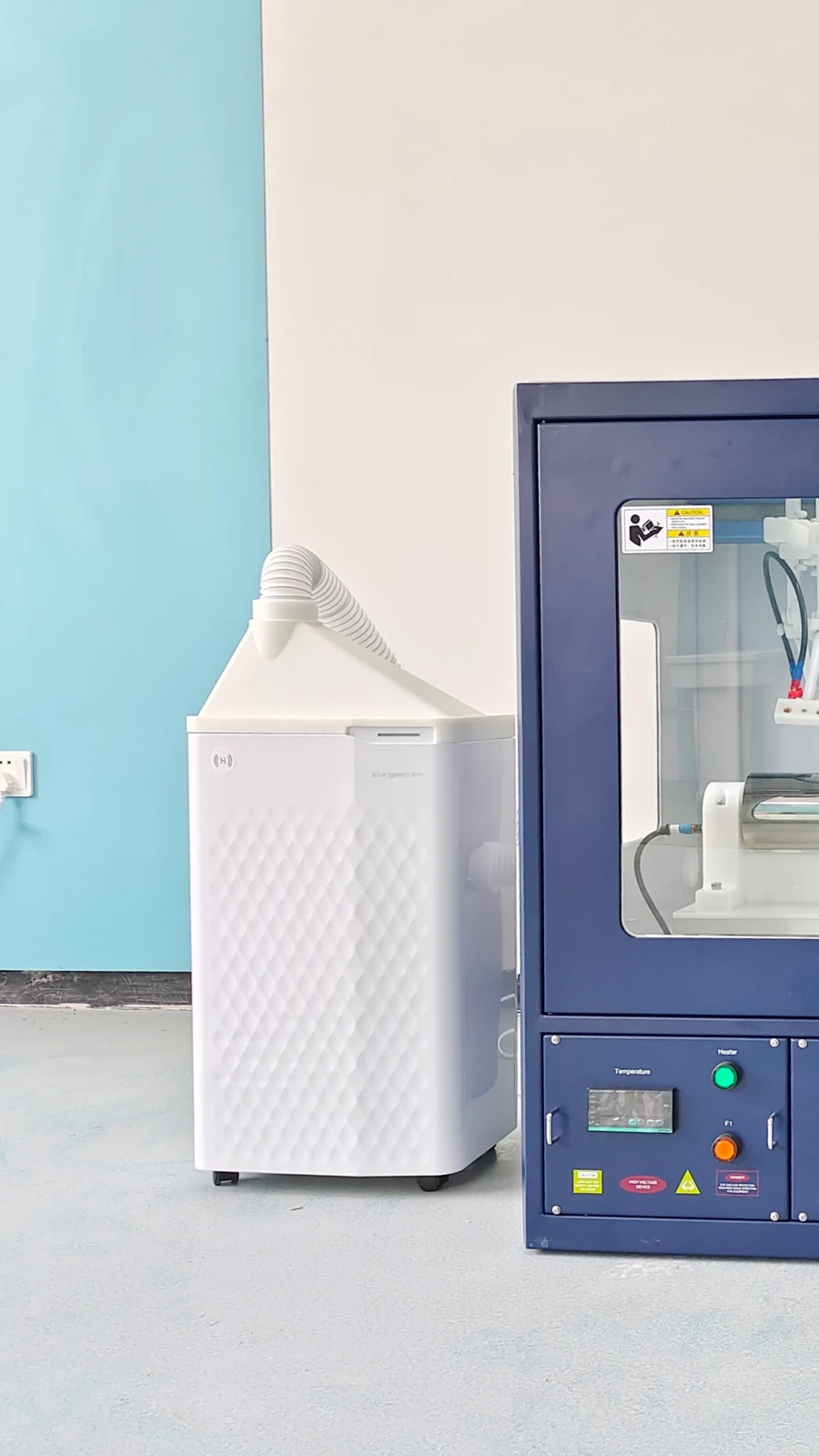
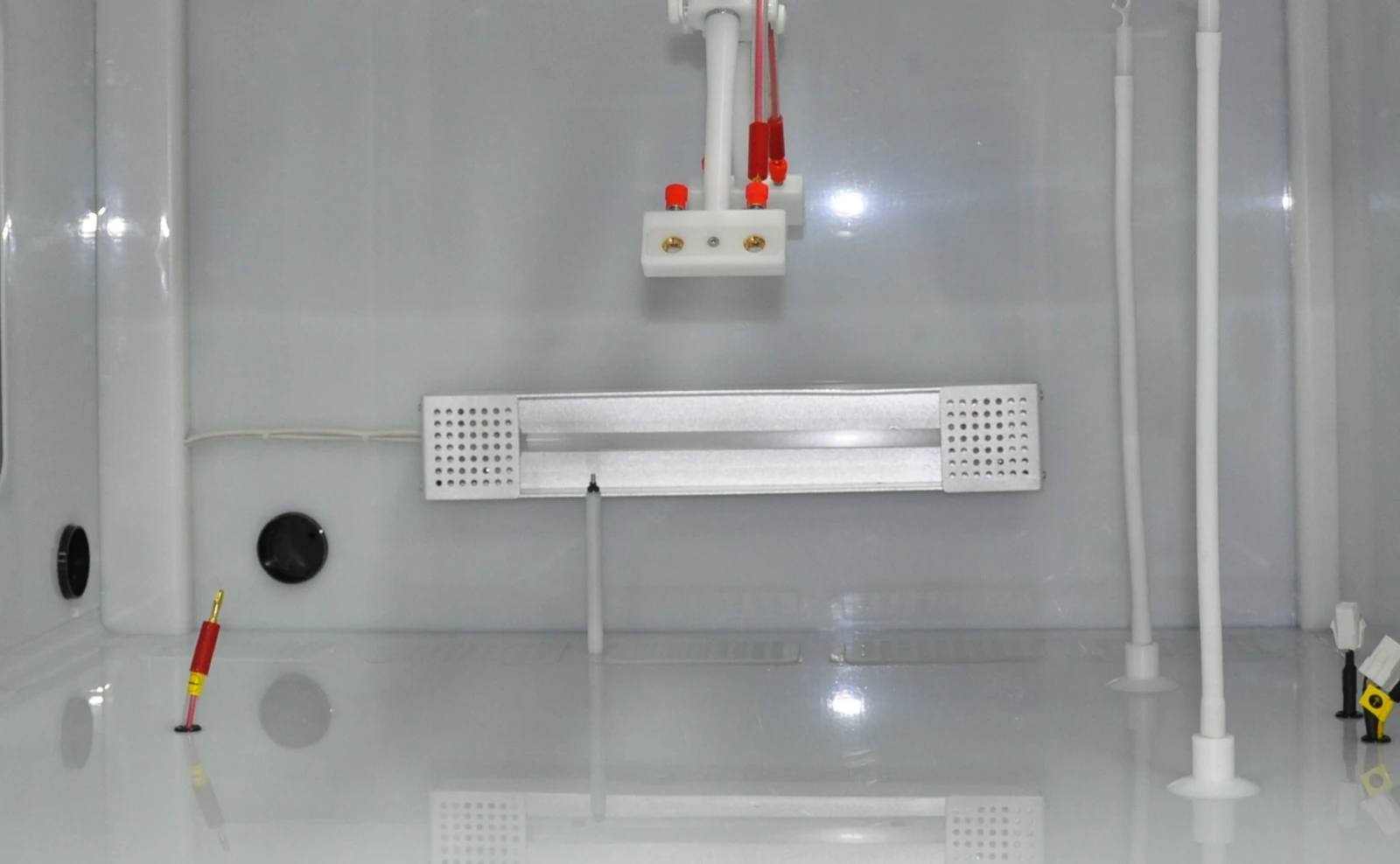
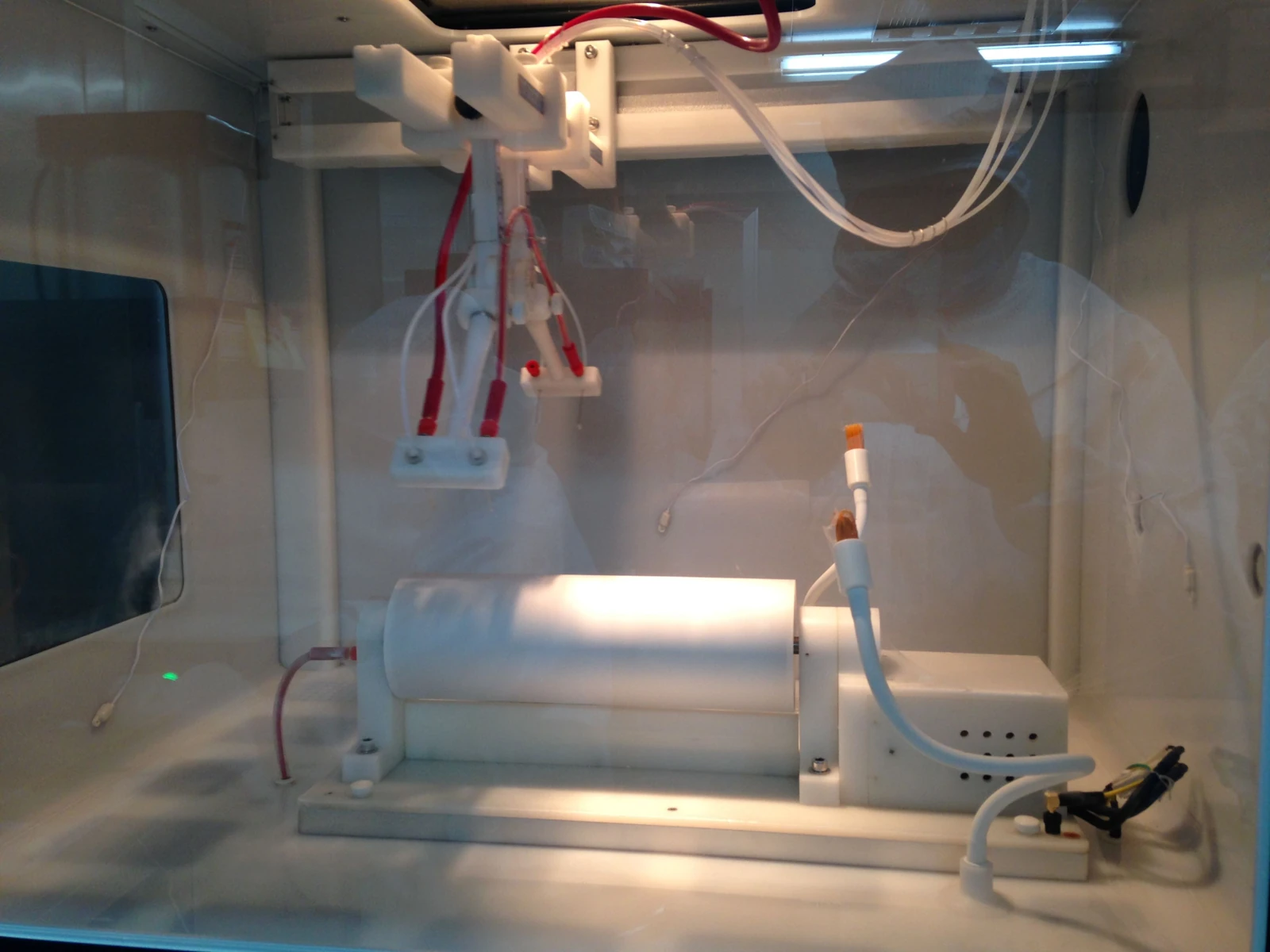
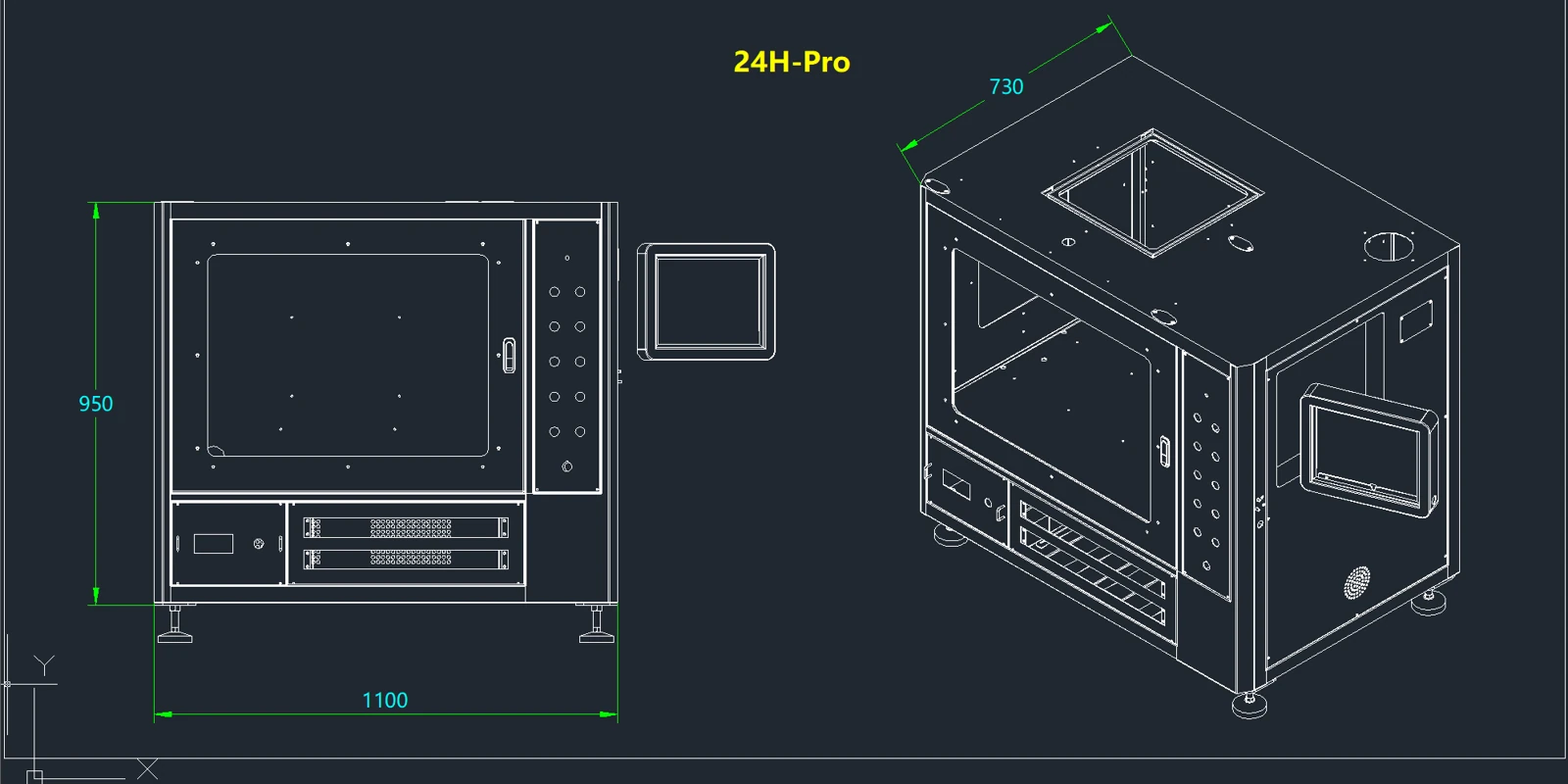
A corrosion-resistant coated metal enclosure has insulated inner walls and accessible surfaces for cleaning. Windows on two sides make the process visible.
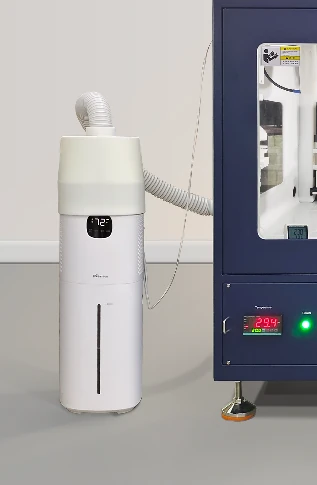
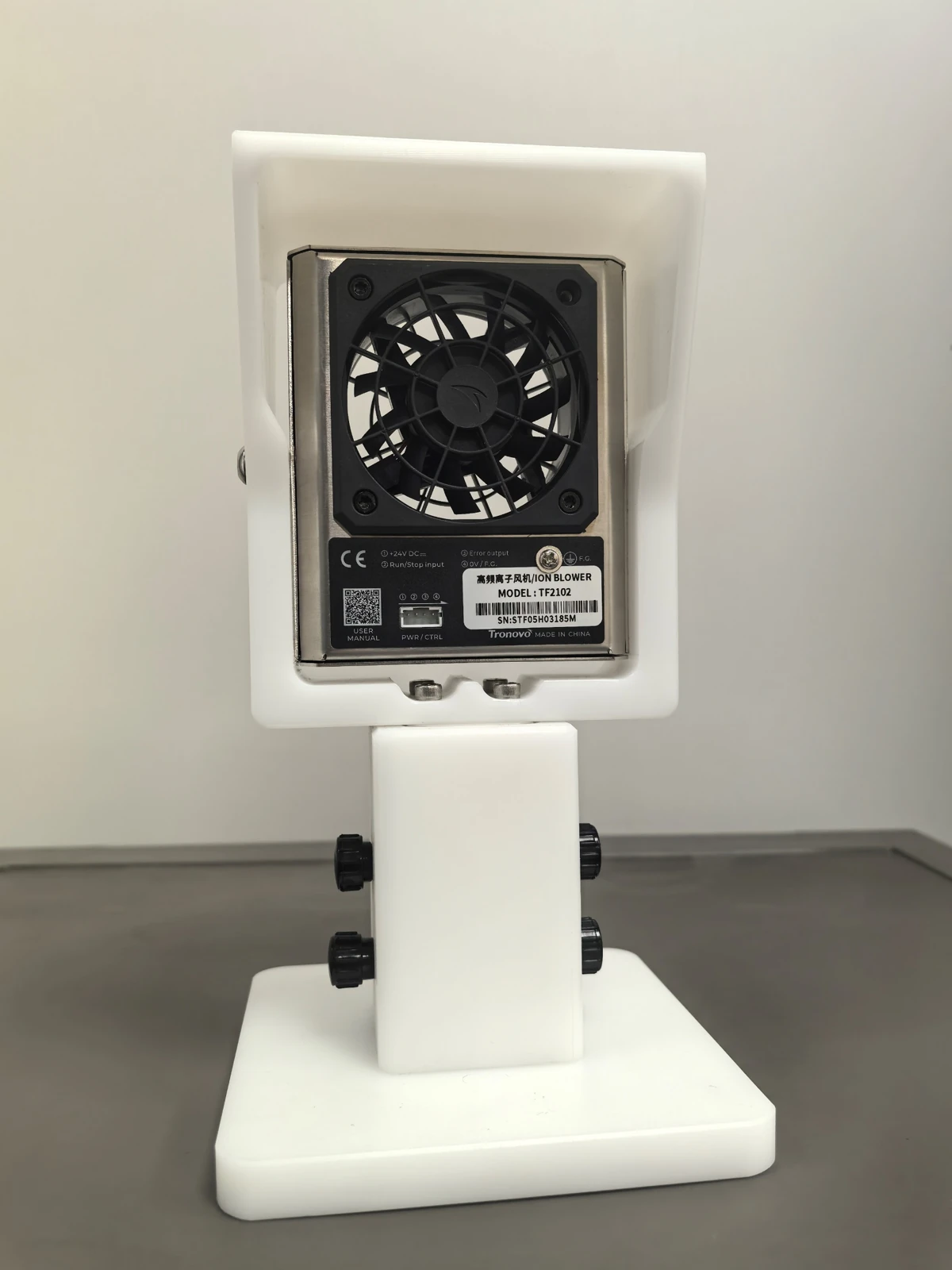
External components reduce electric-field interference. Inlet and exhaust openings support uniform airflow, with chamber lighting and temperature/humidity displays. A 10-inch touchscreen and quick-access buttons bring the main controls together.
Key specifications
TL-Pro
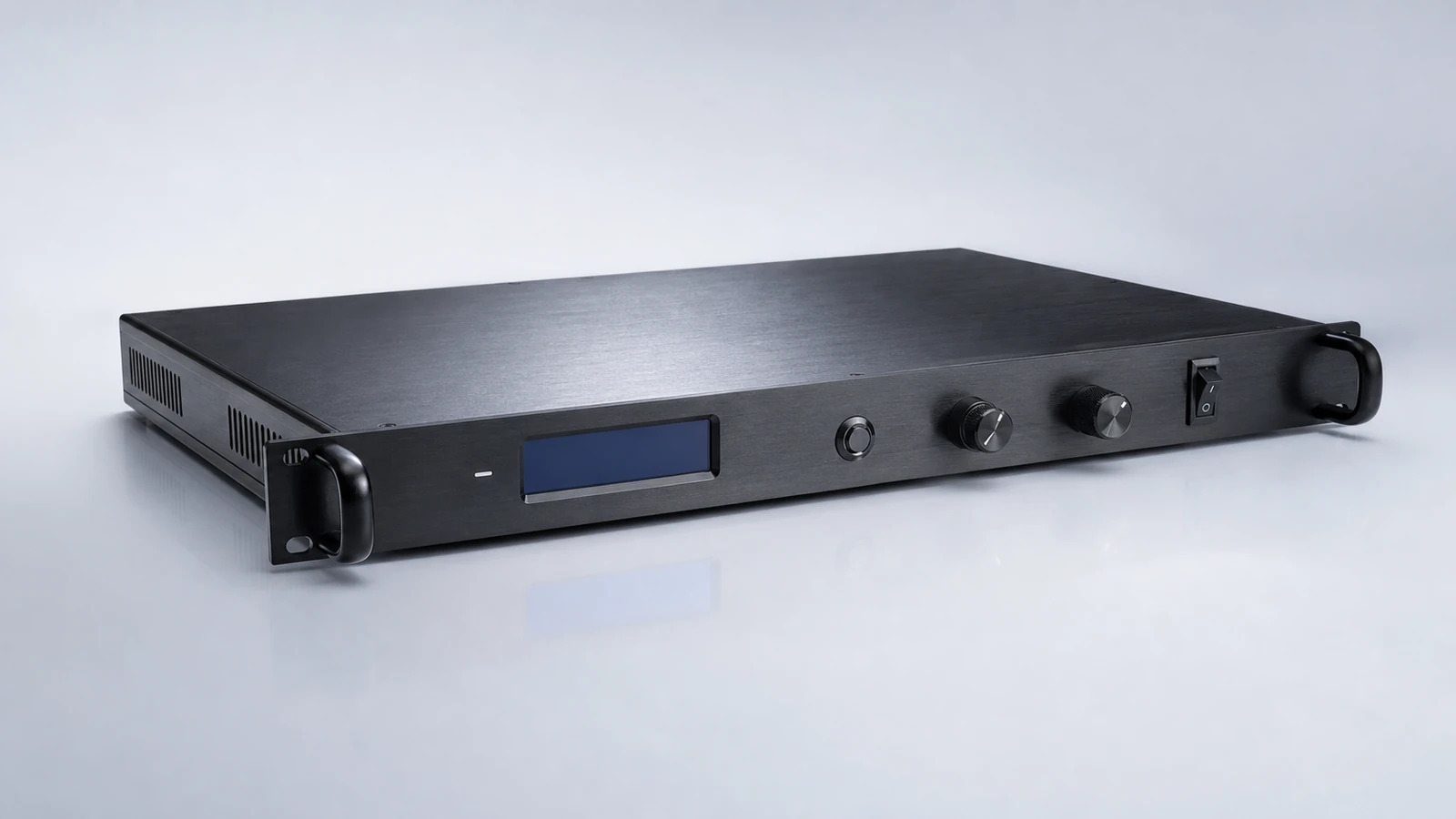
Bipolar HV configuration
±30–50 kV
Touchscreen
10″
Pump channels
2 independent; optional 4–8
Membrane size
300 × 300 mm flat membrane or 300 mm long tubular membrane
Continuously adjustable linear output with integrated touchscreen or standalone control. Local or remote computer control supports monitoring and start/stop operation.
Metal shielding and low EMI support stable operation. Protection covers overvoltage, overcurrent, arcing and short circuits.
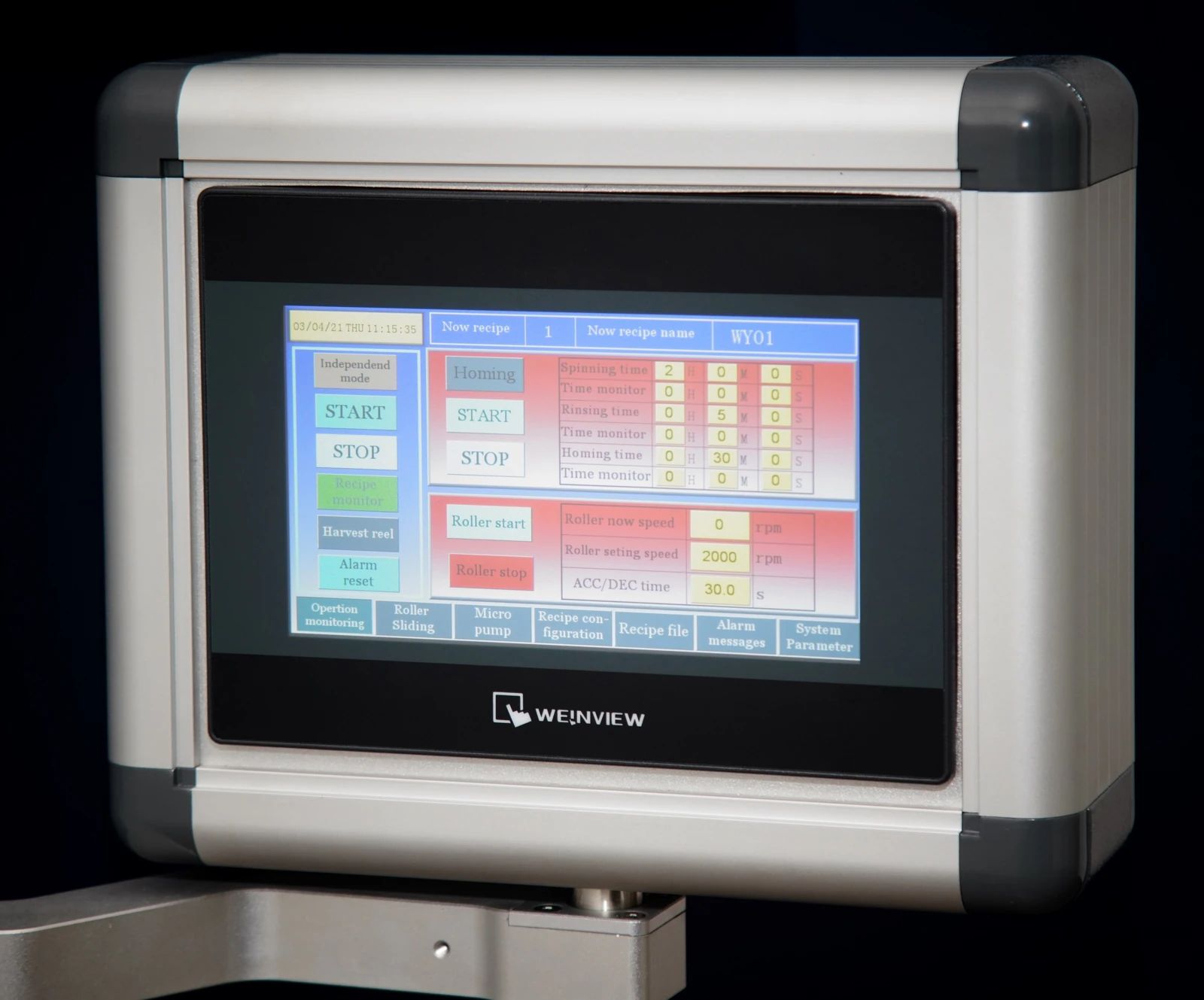
Control high voltage, syringe pumps, spinneret motion and the rotating collector from one interface. Adjust parameters during operation, record data and coordinate motion.
The screen can be stowed at the side of the enclosure.
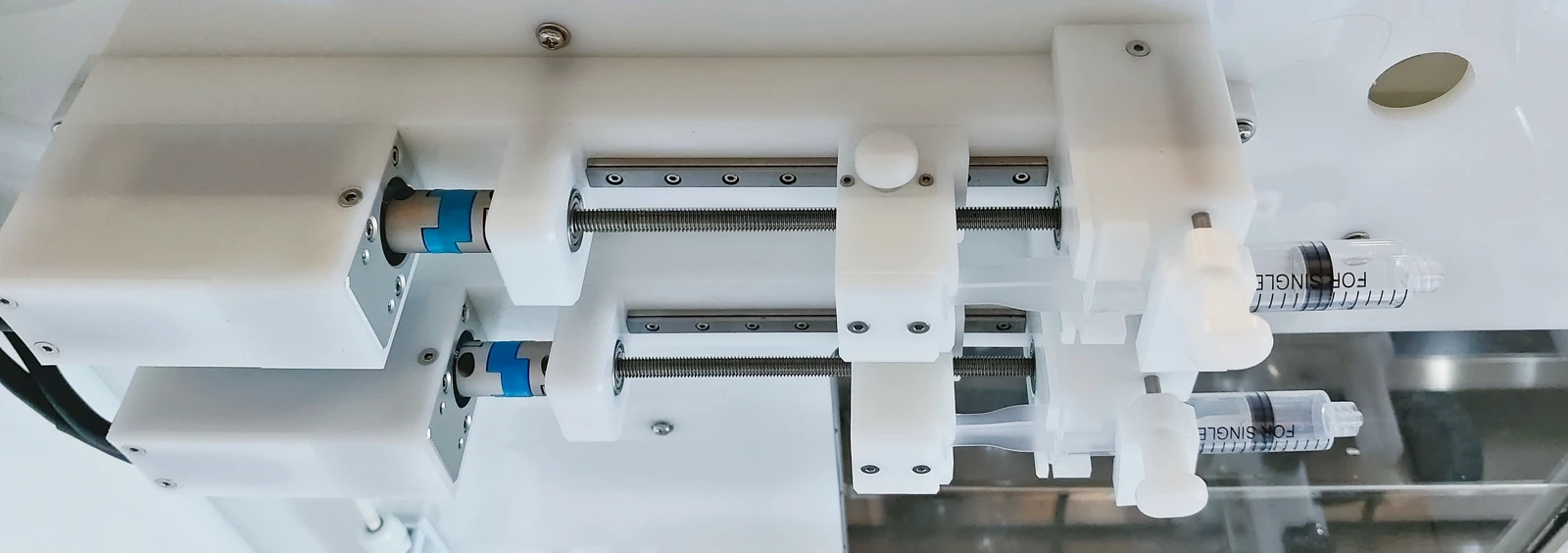
Two independent servo-driven channels provide individually adjustable feed rates. High thrust supports viscous liquids, while electrical insulation supports operation under high voltage.
Internal or external pump configurations are available, with an optional upgrade to 4–8 channels.
Evaporative humidification maintains uniform chamber humidity while reducing droplet deposition on the collector. Quiet, energy-efficient operation with germicidal protection.
Precise temperature control with rapid, uniform infrared heating provides a controlled thermal environment for electrospinning.
Chamber heating
Ambient to 45°C
03
Spinnerets & motion
Dedicated insulating holders and integrated motion control support interchangeable spinnerets for single-material, multicomponent and low-volume experiments.
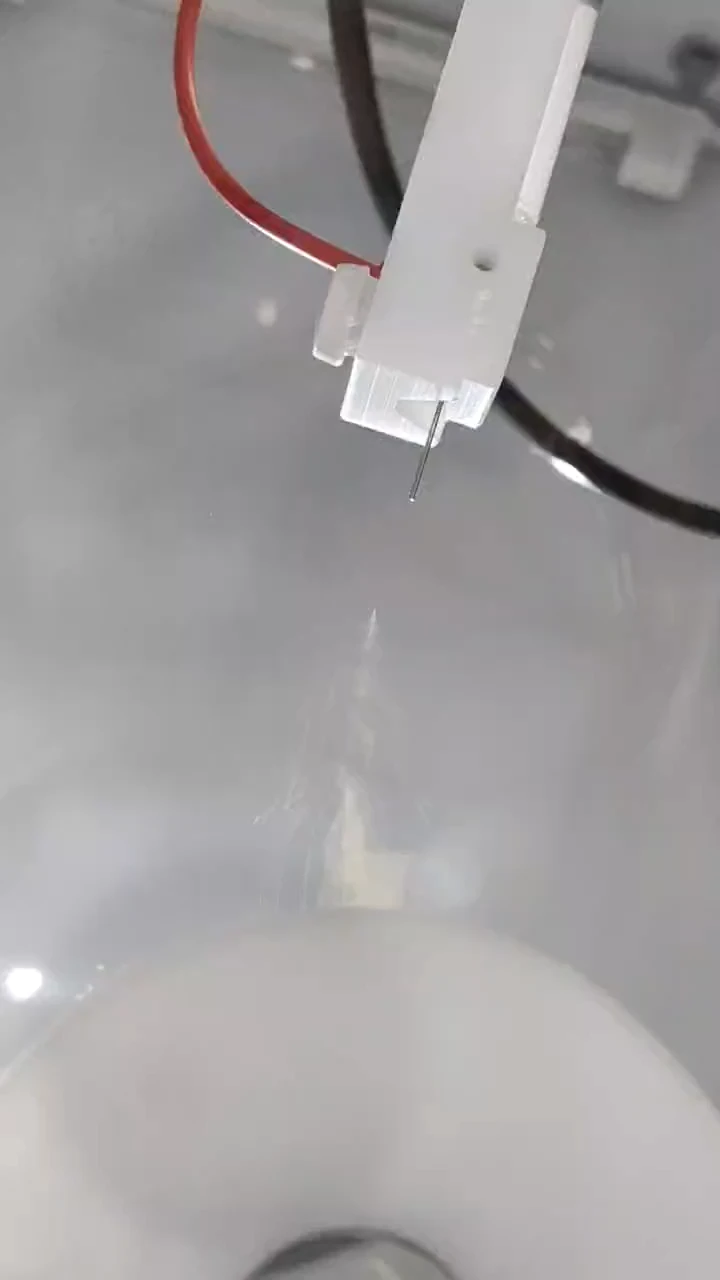
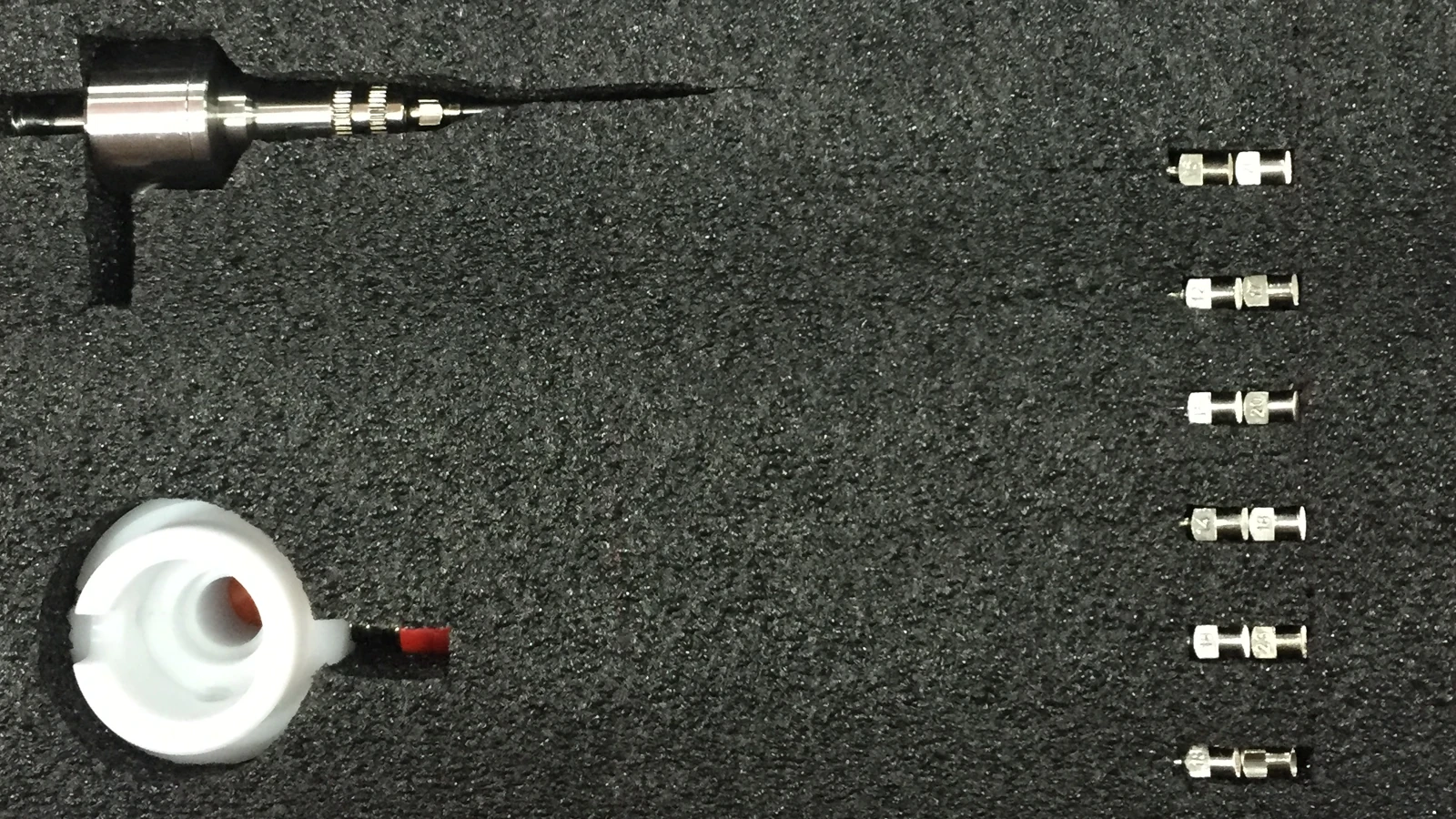
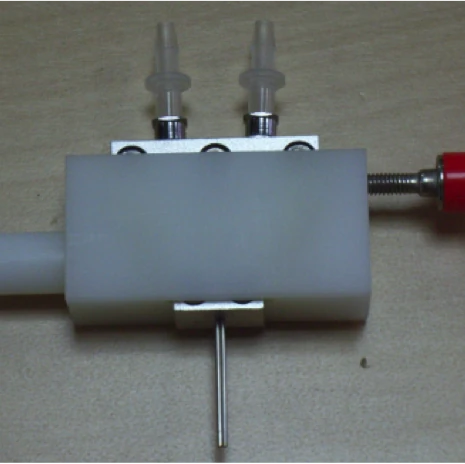
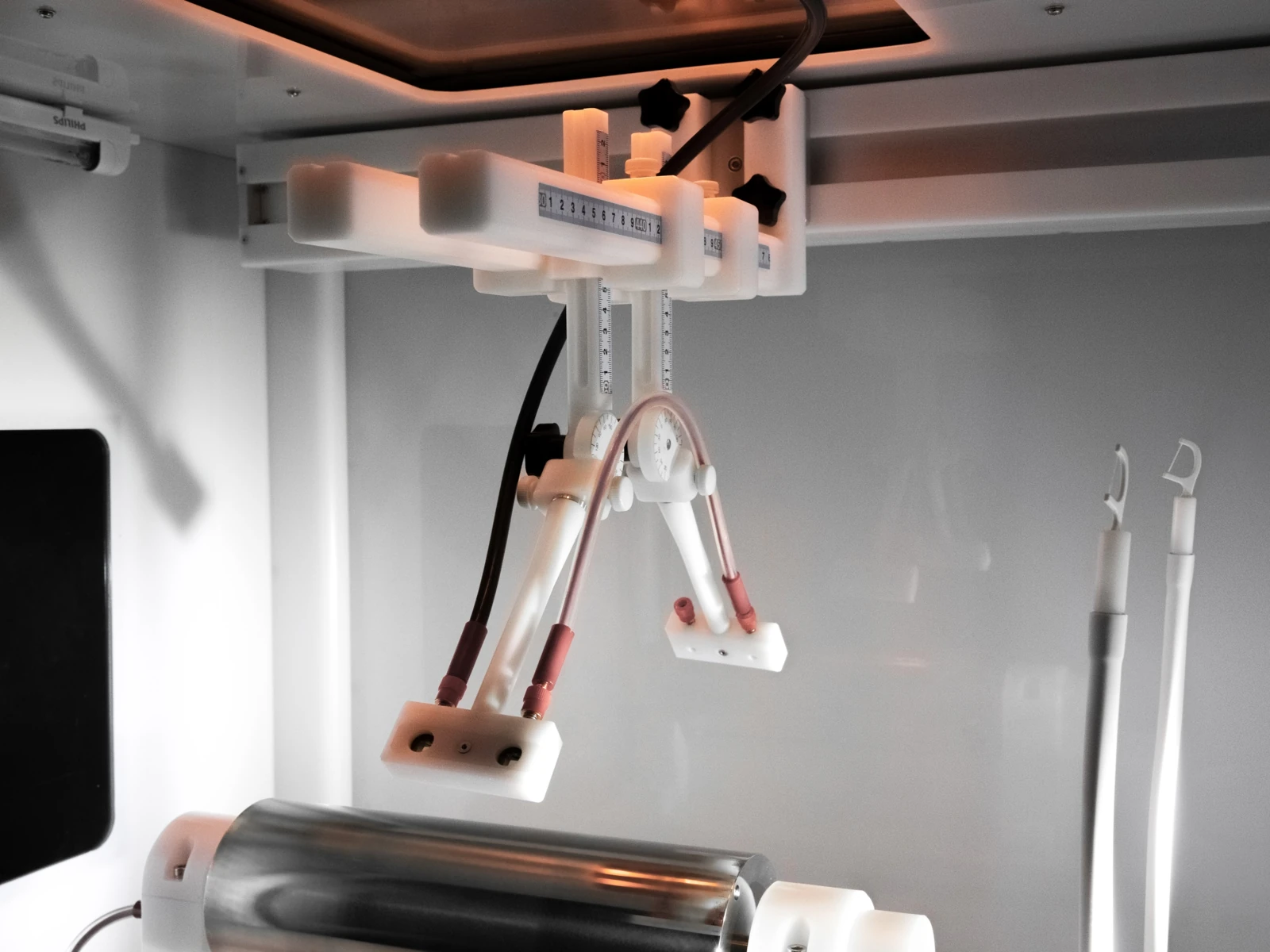
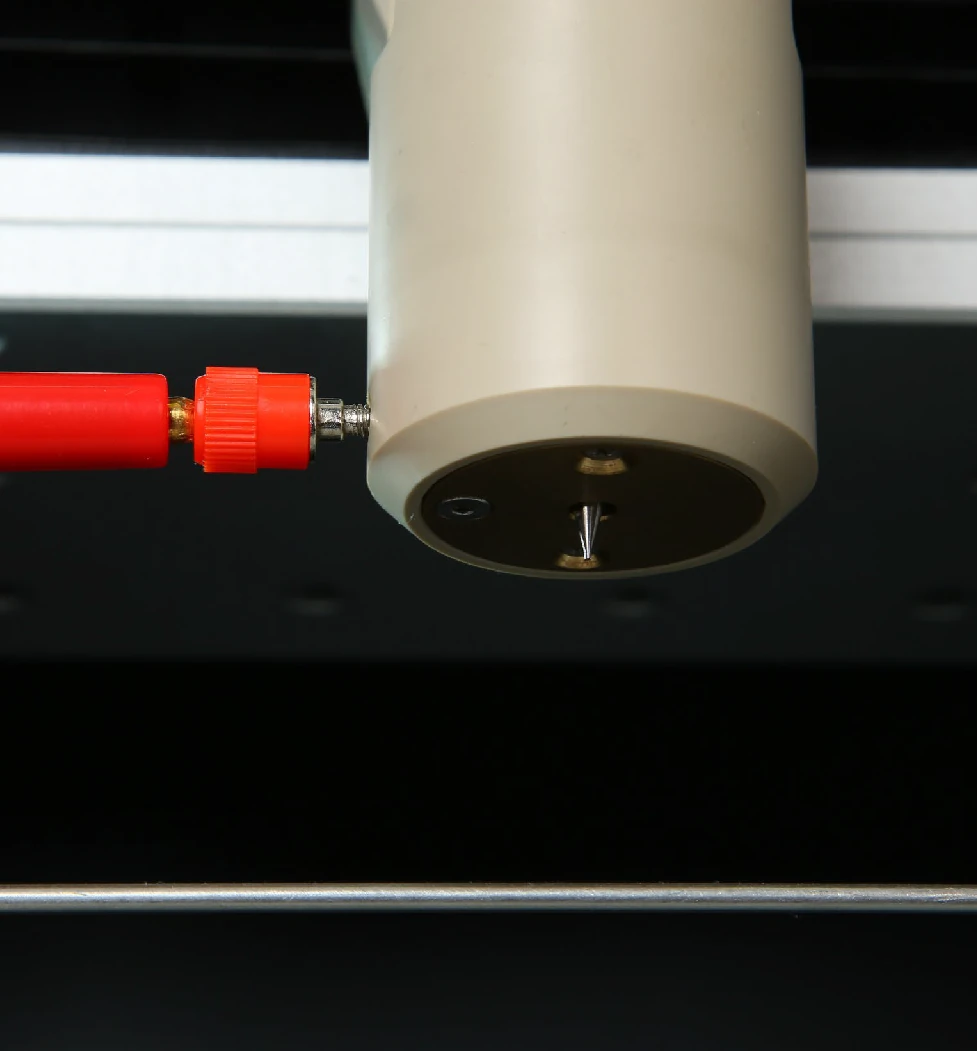
Includes 100 stainless-steel needles in various sizes. The dedicated holder accepts standard metal needles and allows adjustment of the spinning angle and spinneret-to-collector distance.
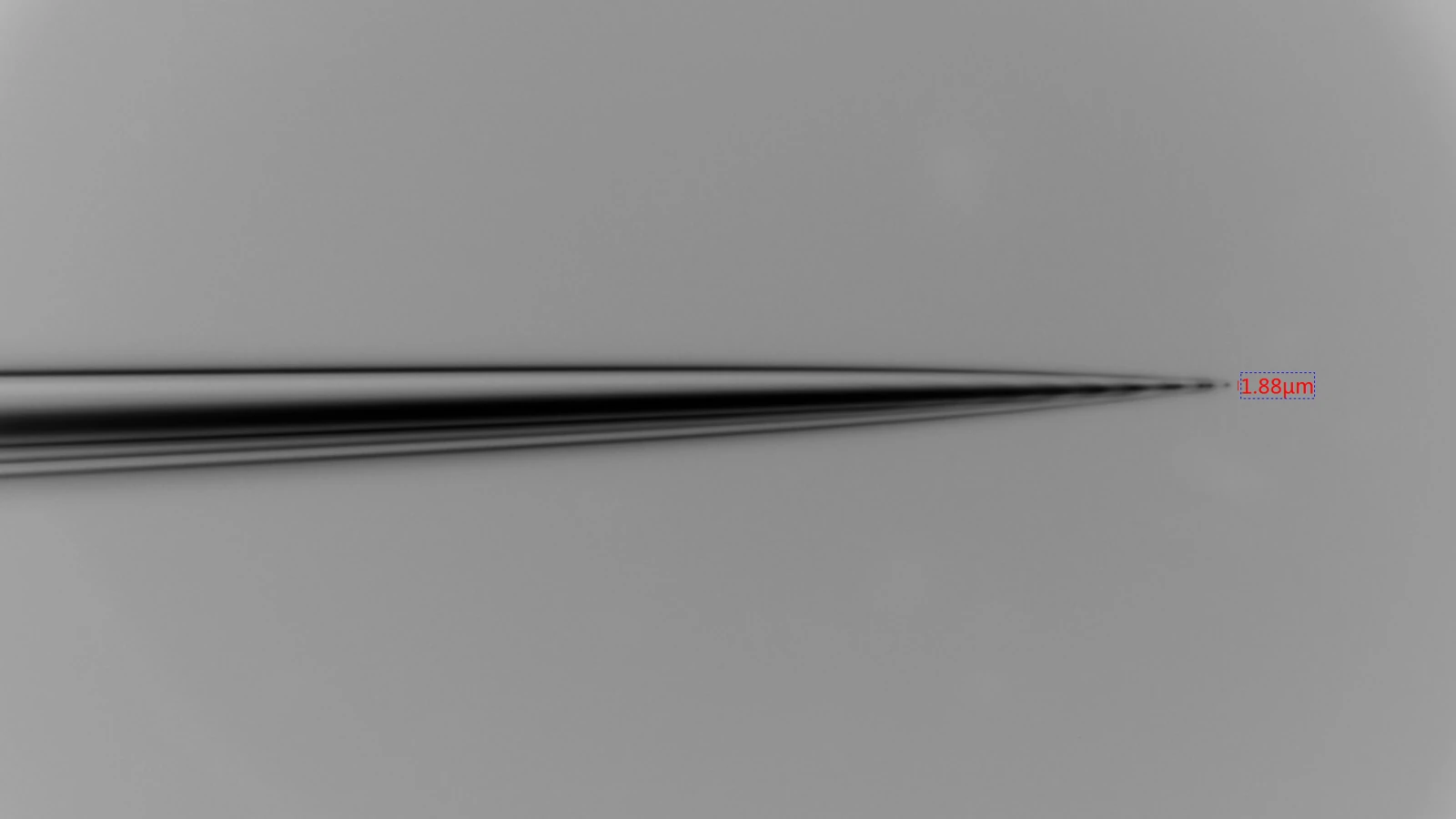
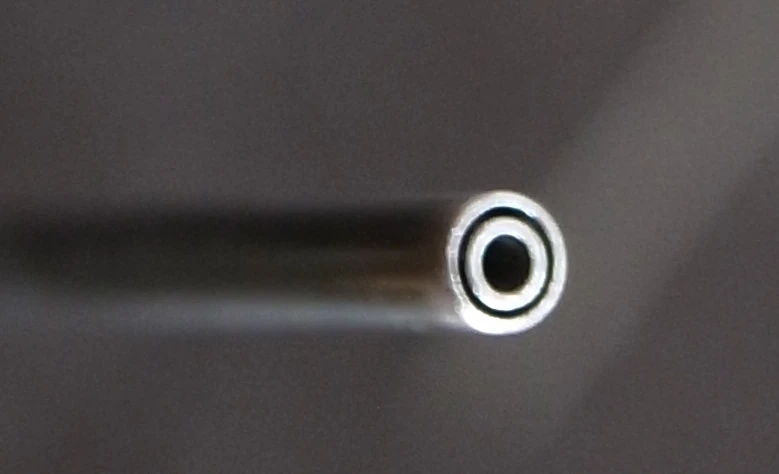
Microchannel sizes of 1–45 µm, with inner diameters as small as 1 µm. Suitable for low-viscosity fluids and small-volume experiments, including ultrafine fibers, micro/nanoscale patterning and near-field direct writing.
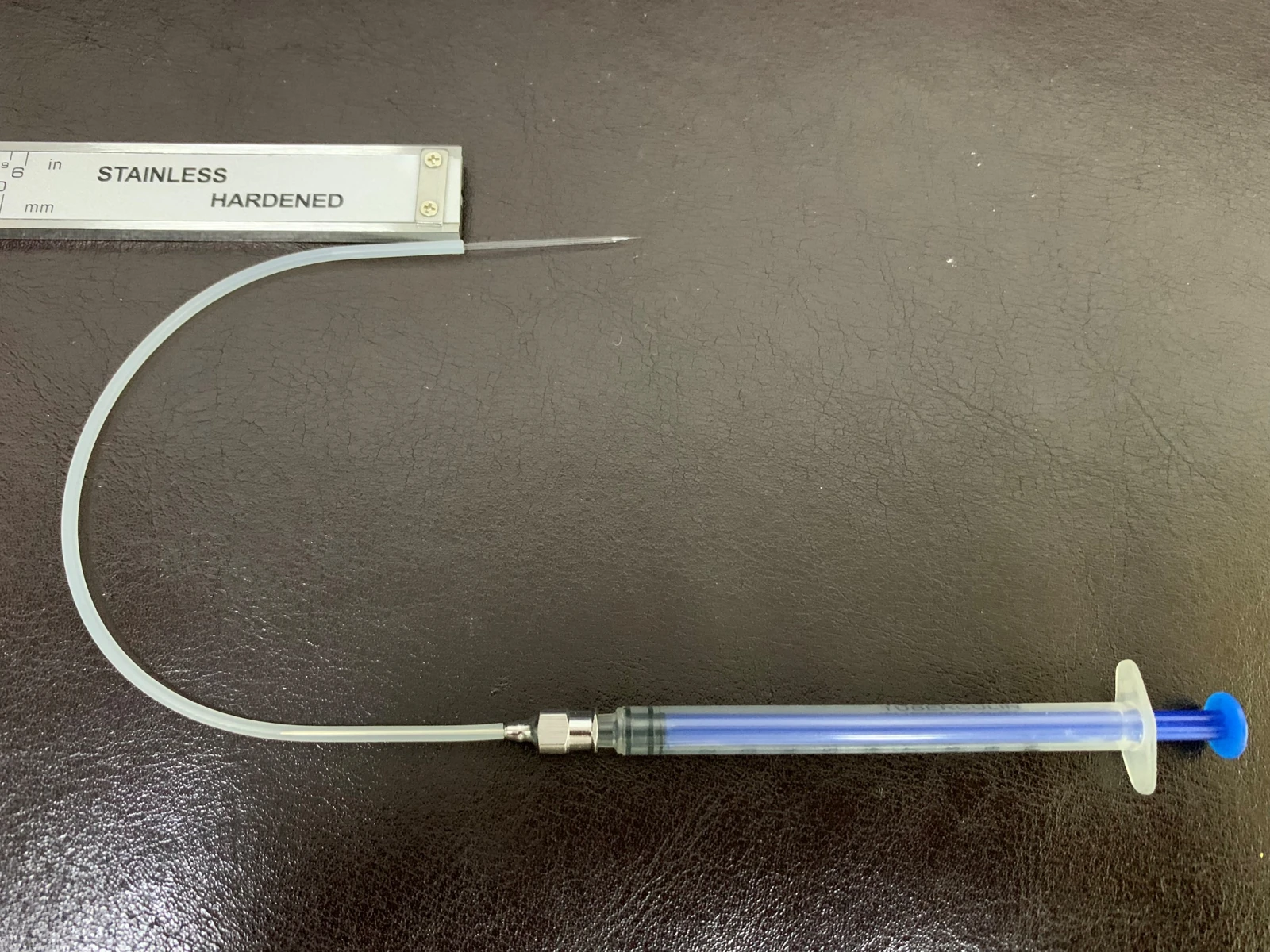
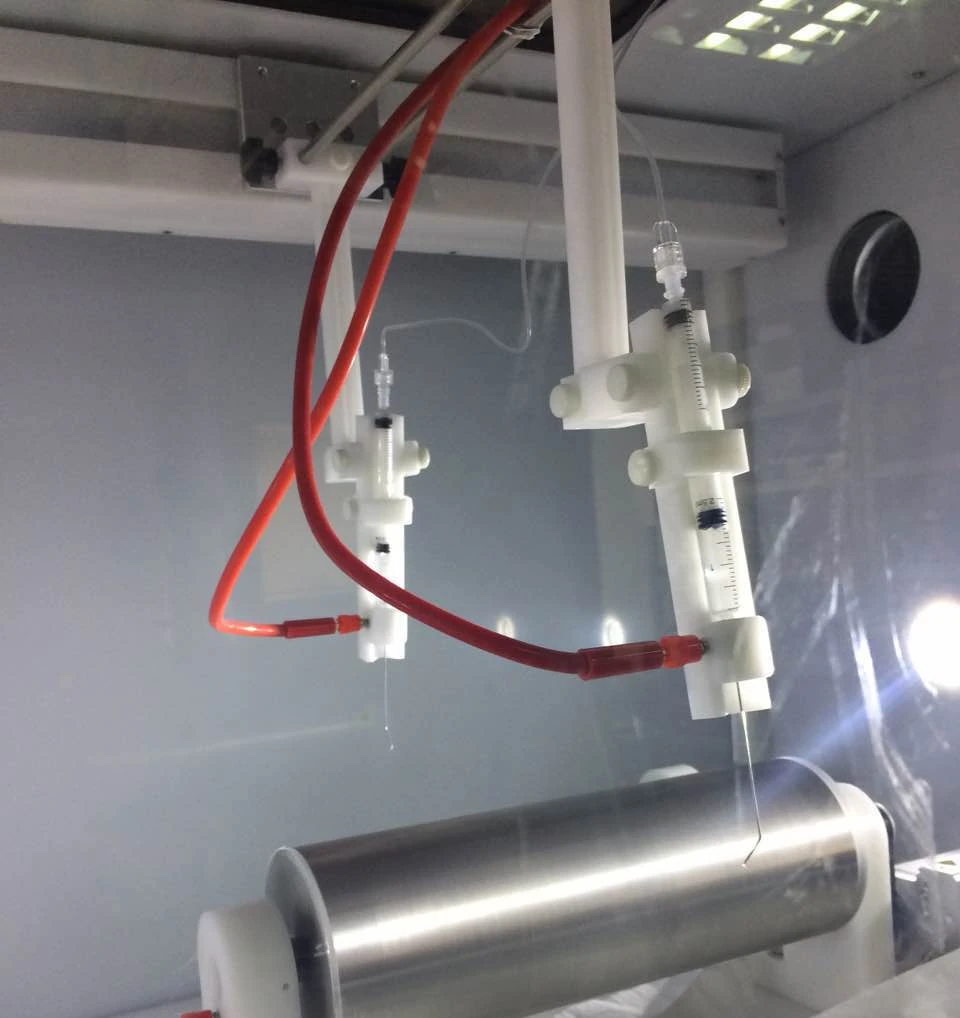
Connect the syringe directly to the needle without tubing. Experiments can use approximately 0.5 mL of solution, reducing consumption of valuable materials.
Simultaneous operation of two low-volume spinnerets is optional.
Five sets of inner and outer needles support core–shell fibers. Inner and outer needles detach and interchange independently; high concentricity supports a stable jet.
Custom needle lengths are available. Compatible with gas-assisted spinning and supplied via a two-channel syringe pump.
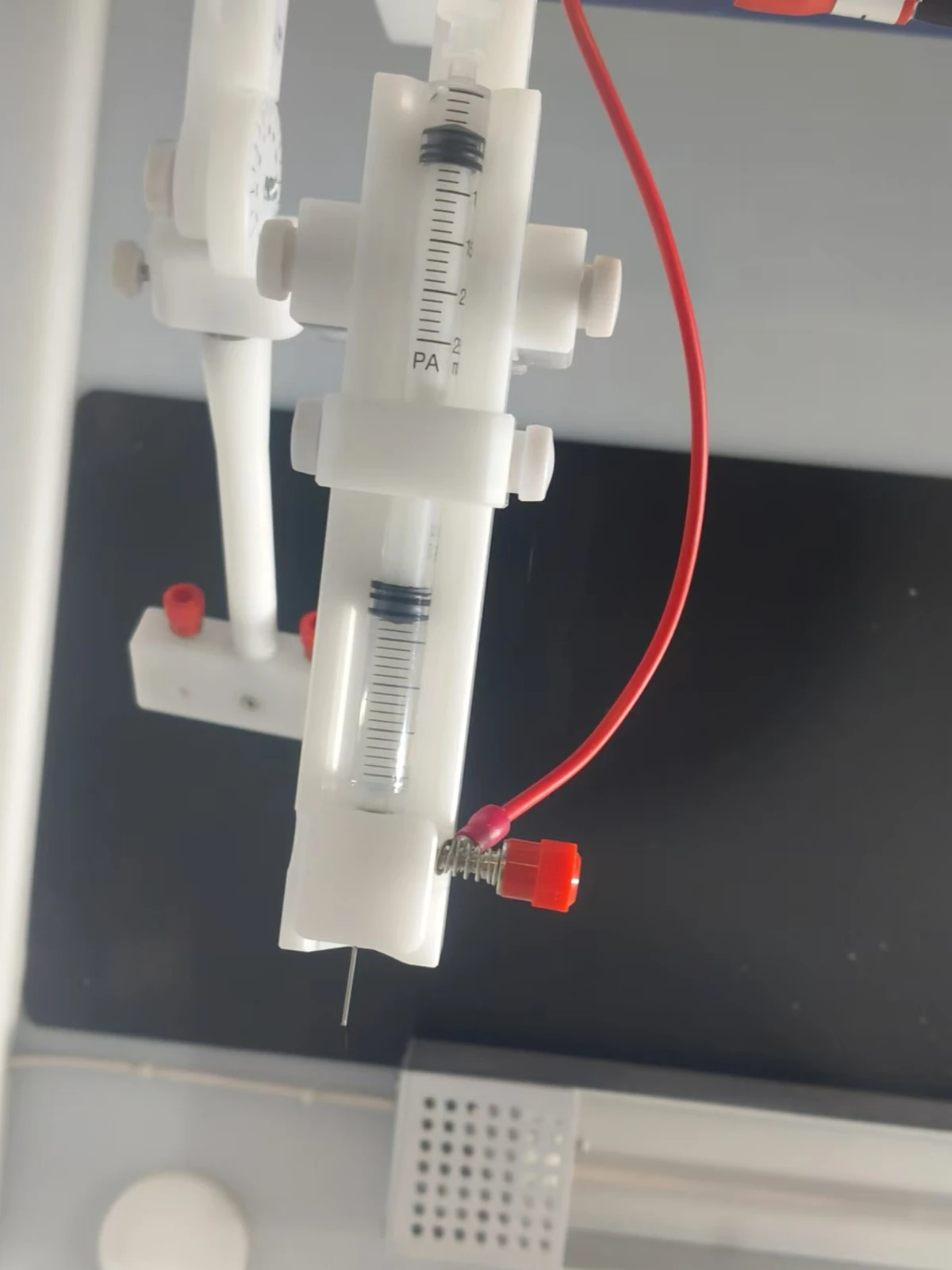
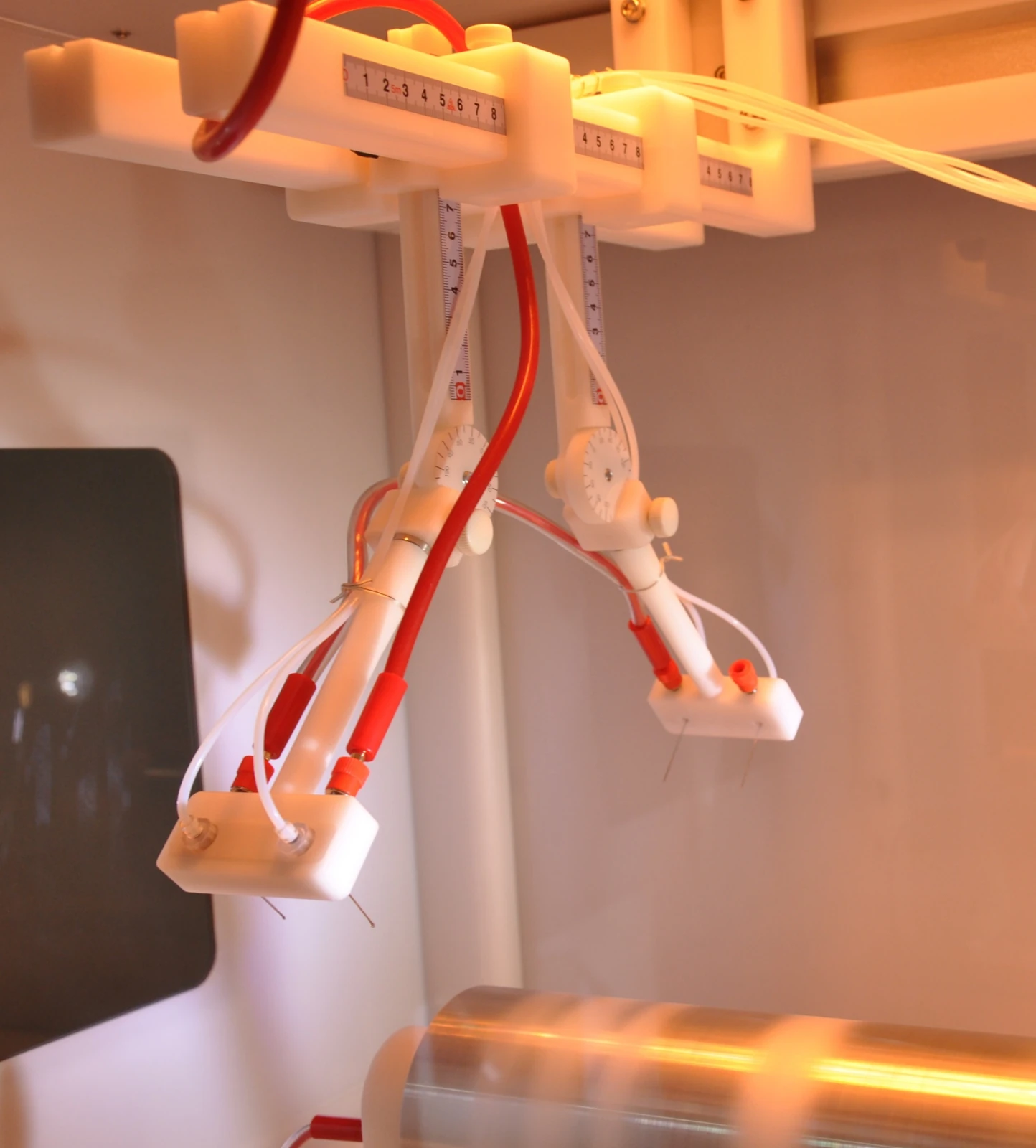
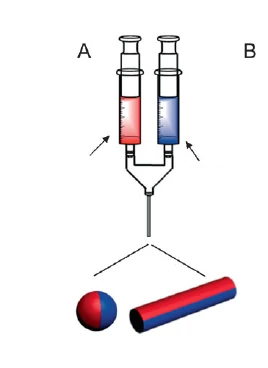
Apply the same or different voltages to the two needles, including opposite polarities for conjugate spinning. The layout reduces mutual interference, with adjustable angle and distance and graduated scales.
Parallel needles connected to positive and negative high voltage reduce charge accumulation at the collector and support dense layers. Process two materials simultaneously for composite fibers, yarns and specialty structures, with reduced interference for a more stable process.
Two independently controlled channels deliver different materials simultaneously. Five needle sets are available, with compatibility across standard needle sizes.
Create Janus, self-crimping and other functional composite fibers.
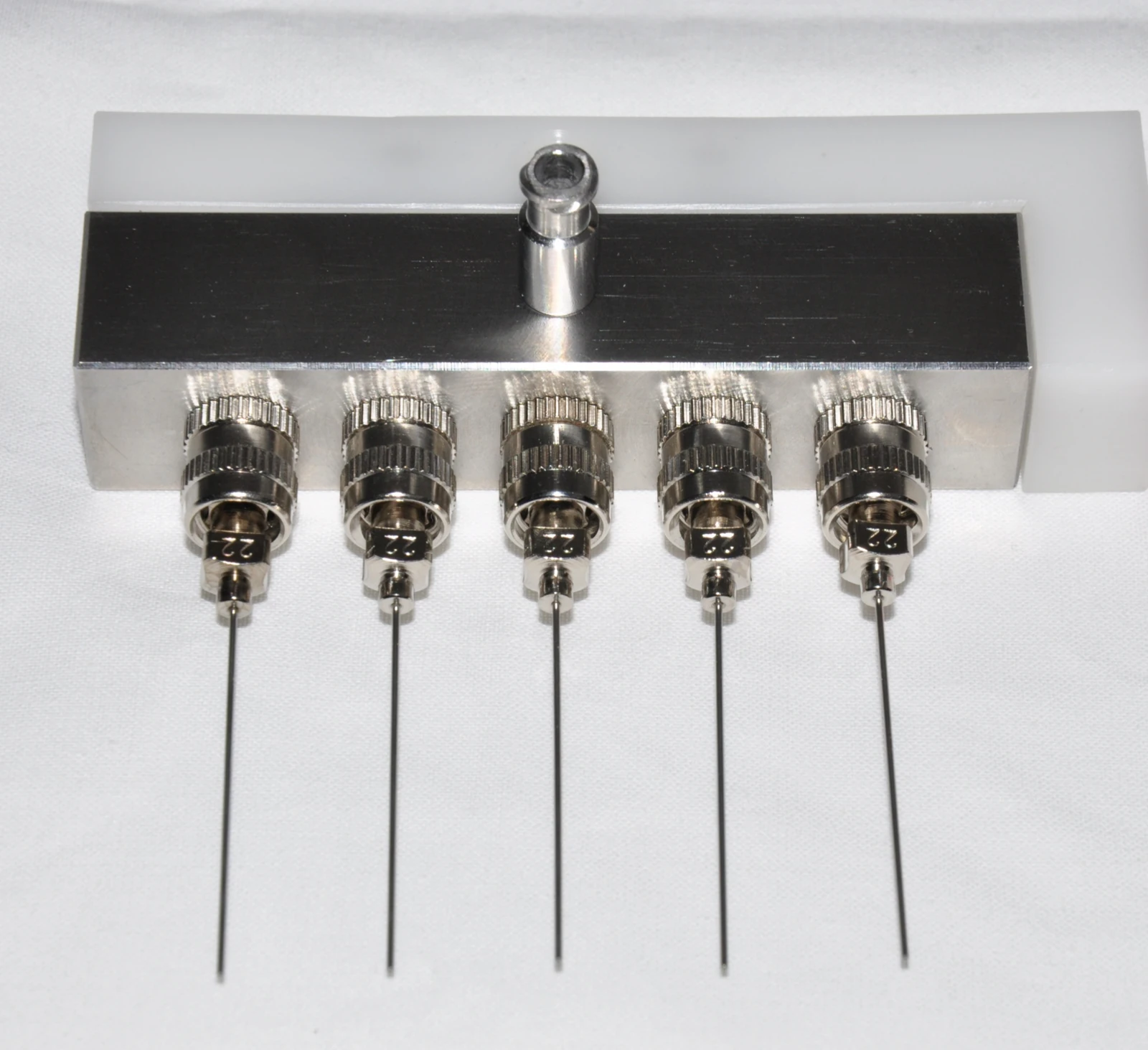
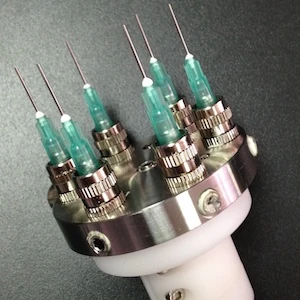
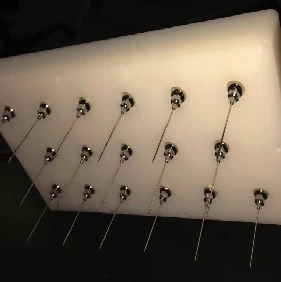
One inlet feeds multiple outlets to increase throughput. Needle count, spacing and arrangement can be customized in linear, ring or array layouts to improve membrane uniformity.
Clean needles during operation without stopping the process, particularly when using volatile solvents. Set the cleaning frequency according to solvent evaporation. Available for the spinneret types described above.
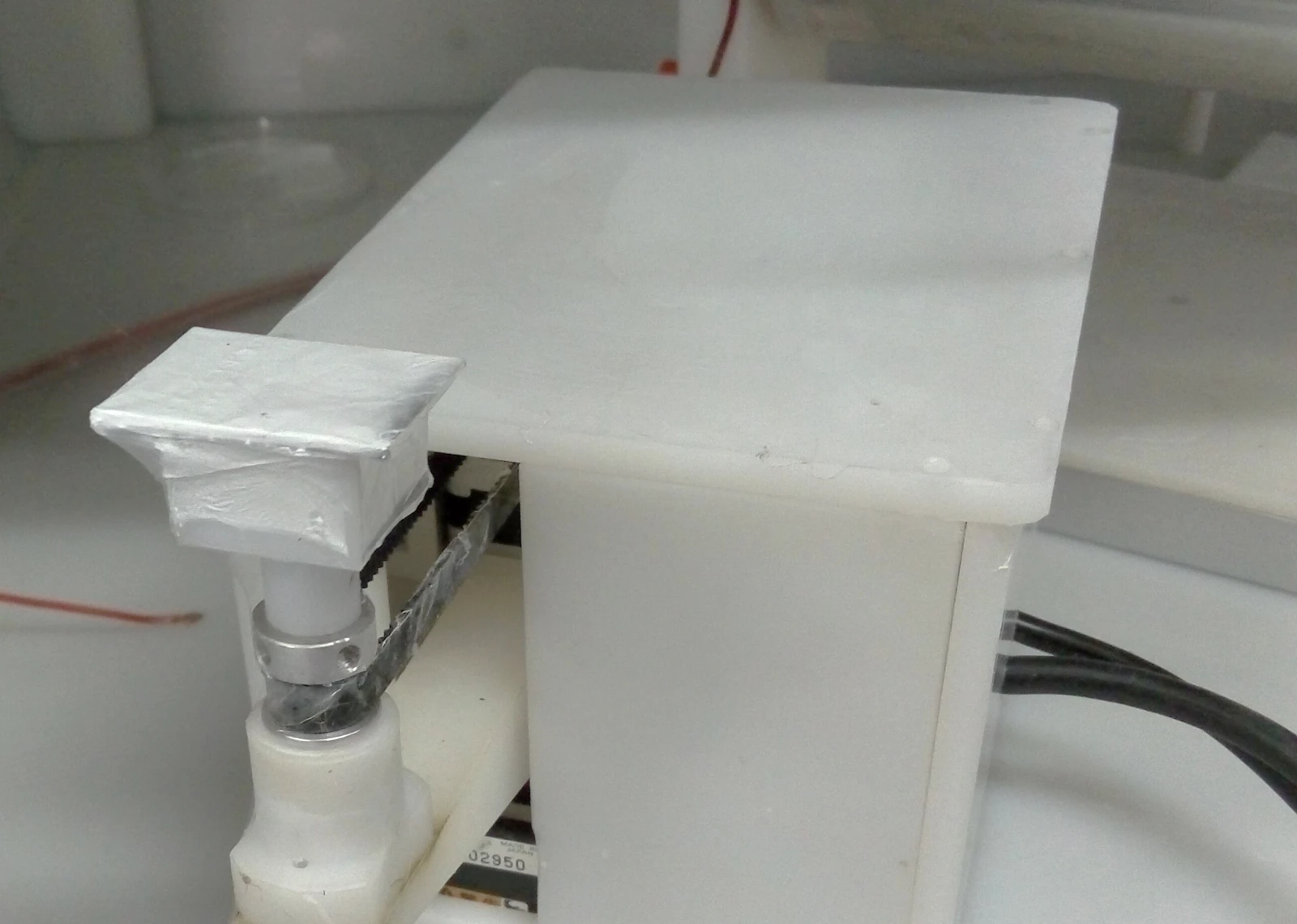
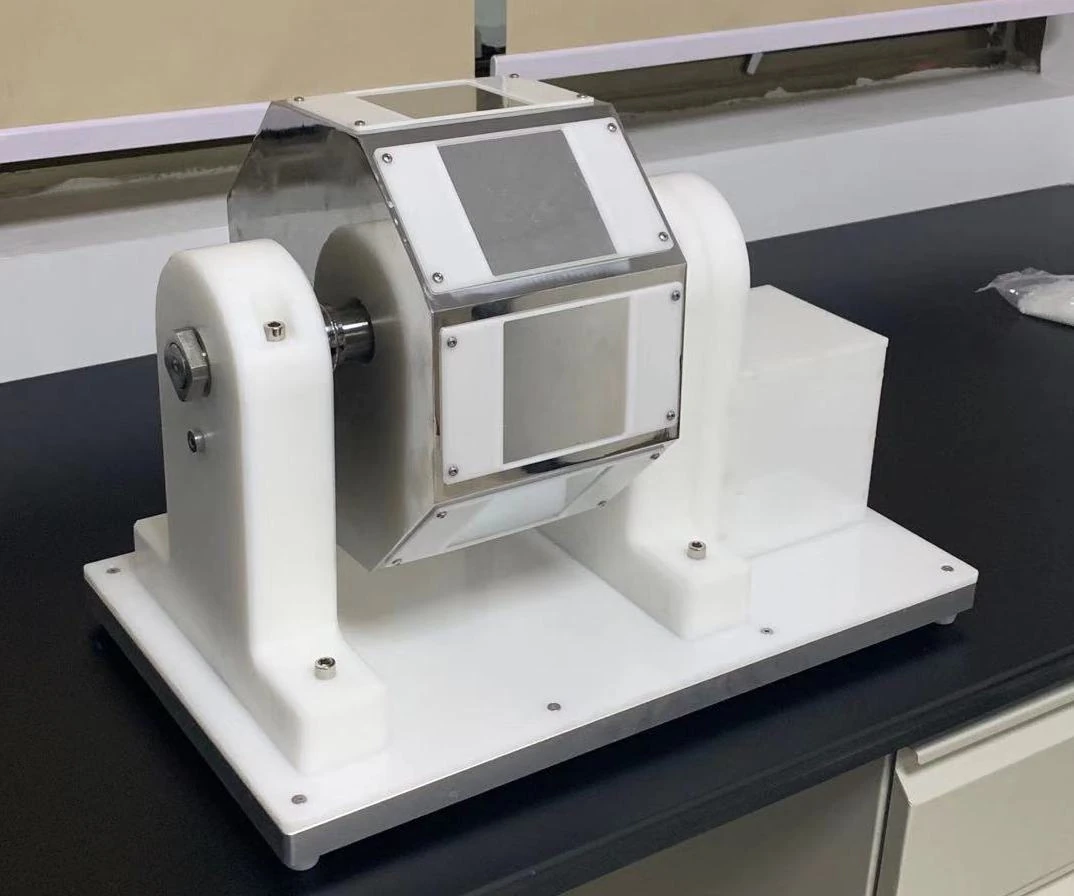
Motorized X motion traverses the spinneret along the drum axis, controlled through the touchscreen with data recording. Manual Y and Z adjustments have graduated scales.
Motorized X travel
400 mm
Linear speed
1–40 mm/s
04
Fiber collectors
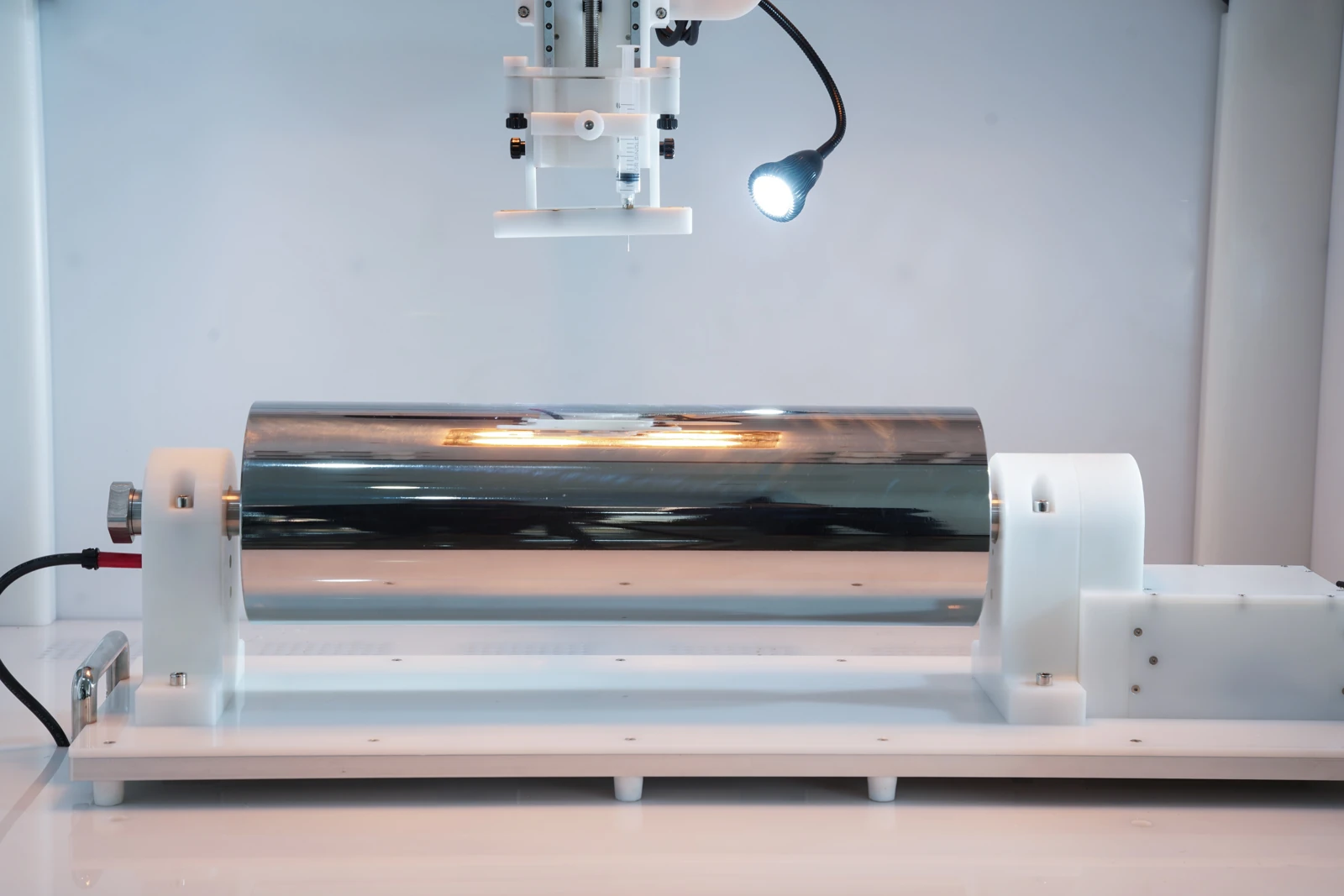
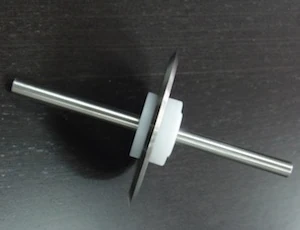
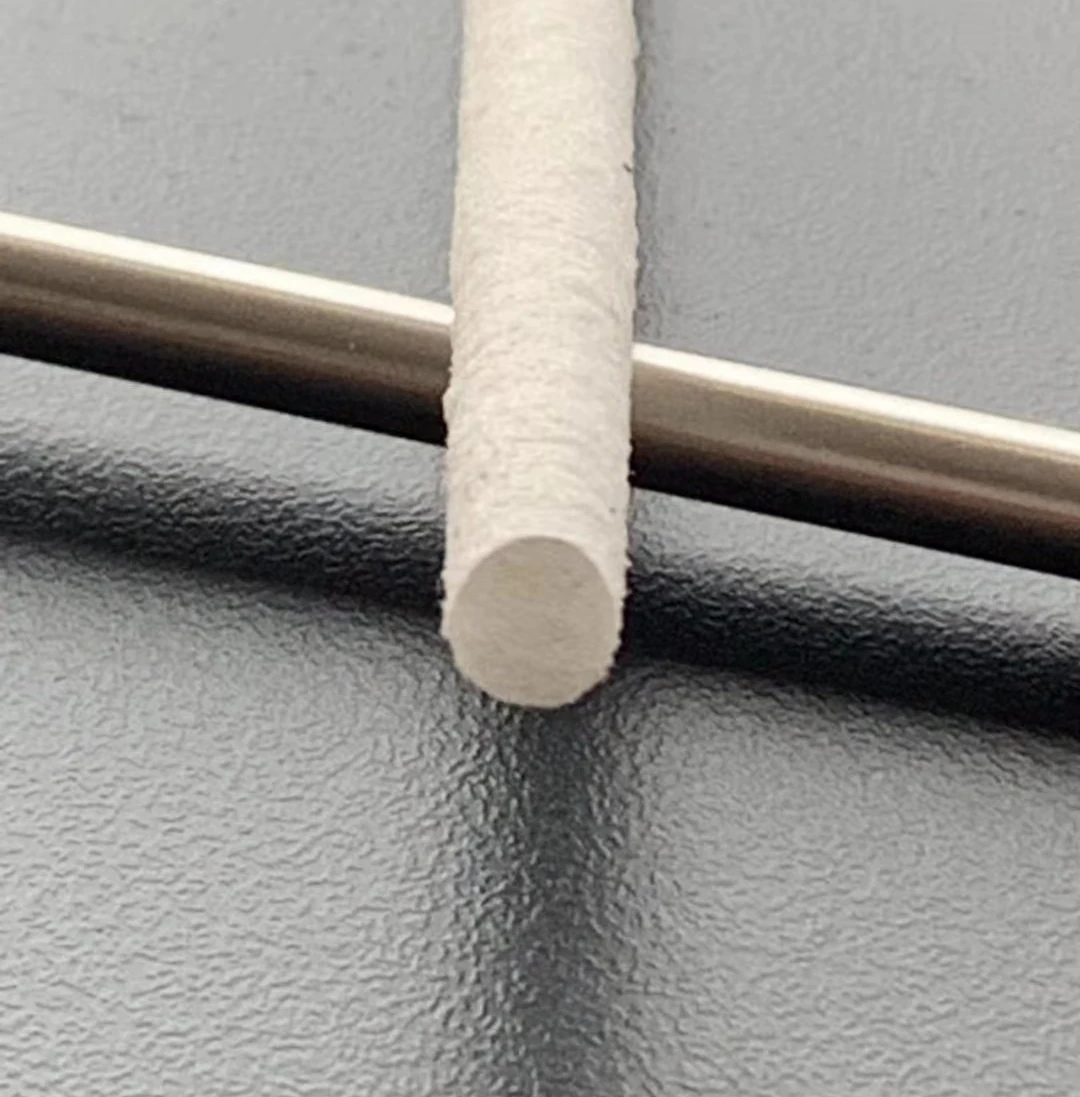
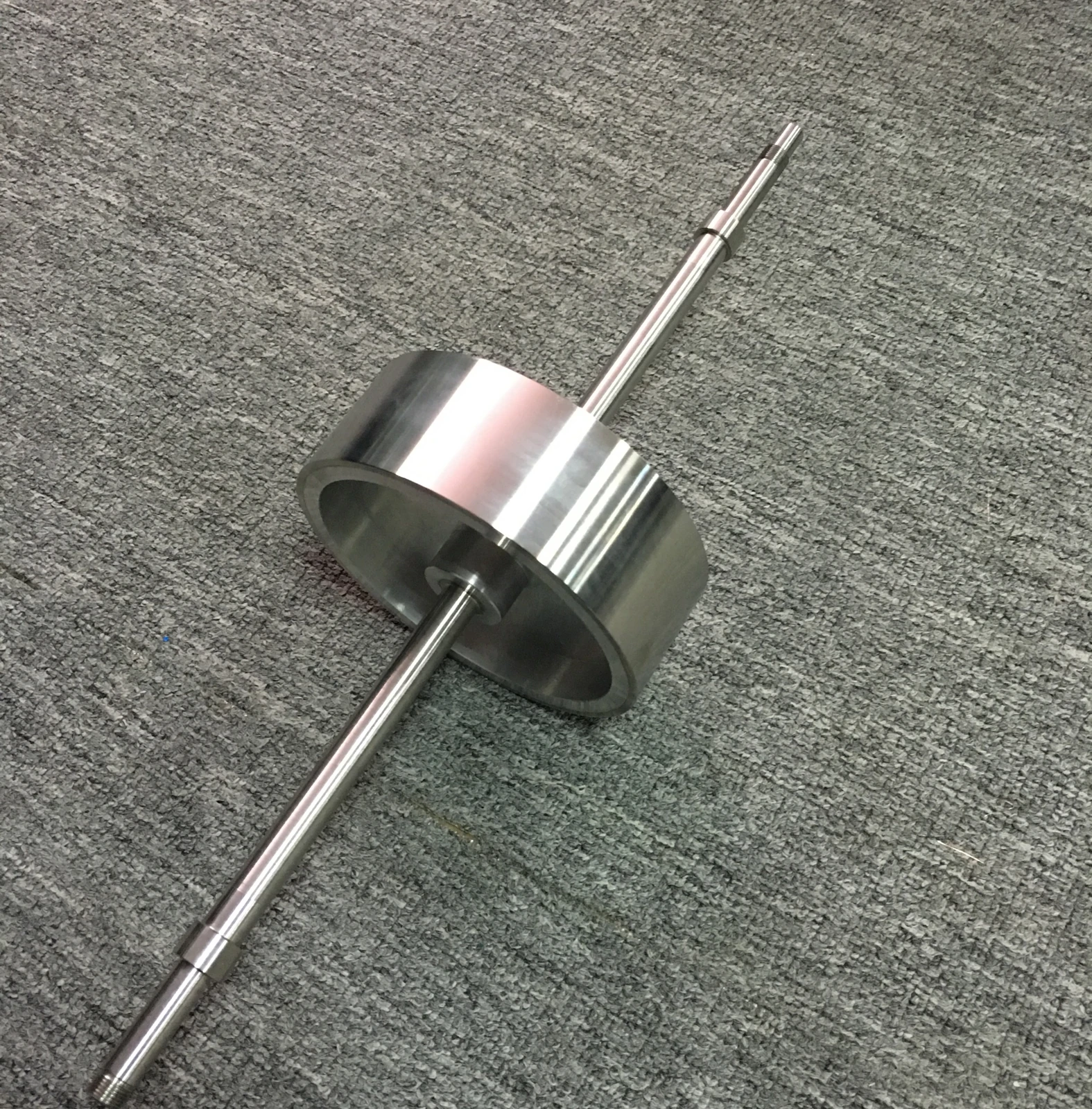
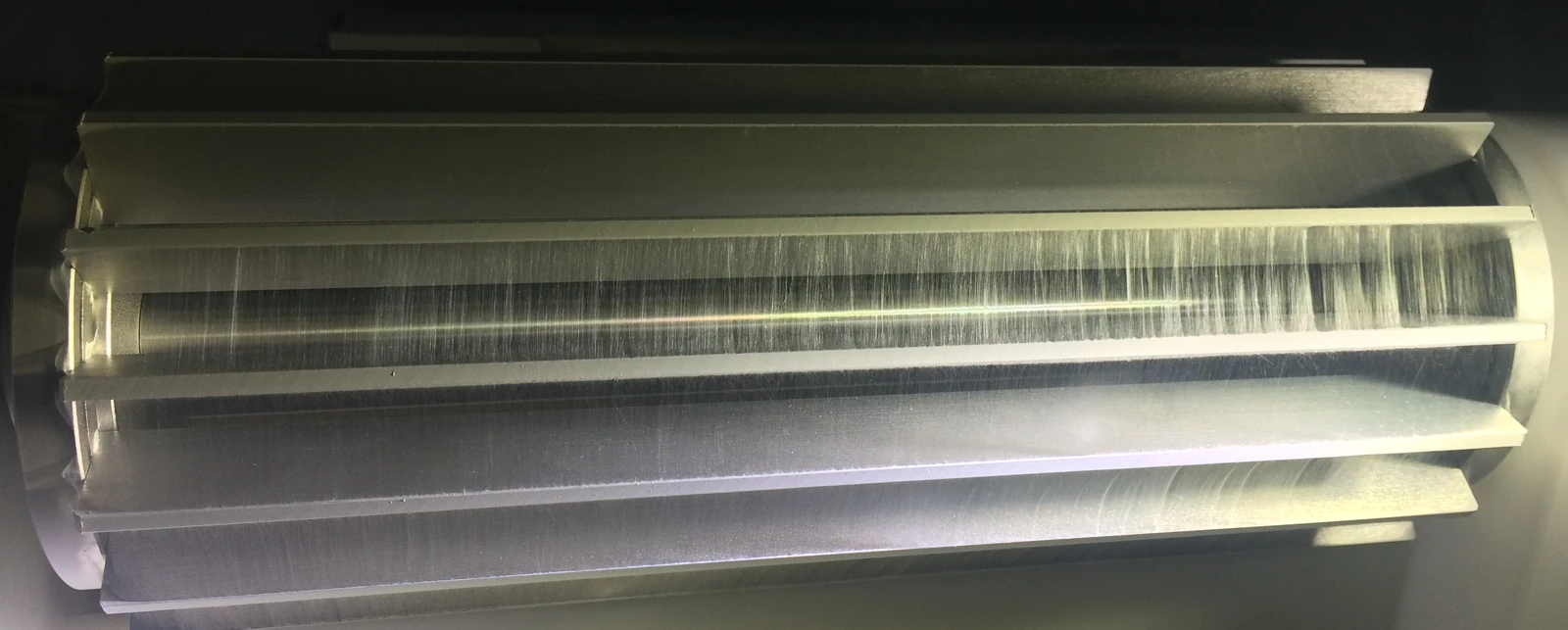
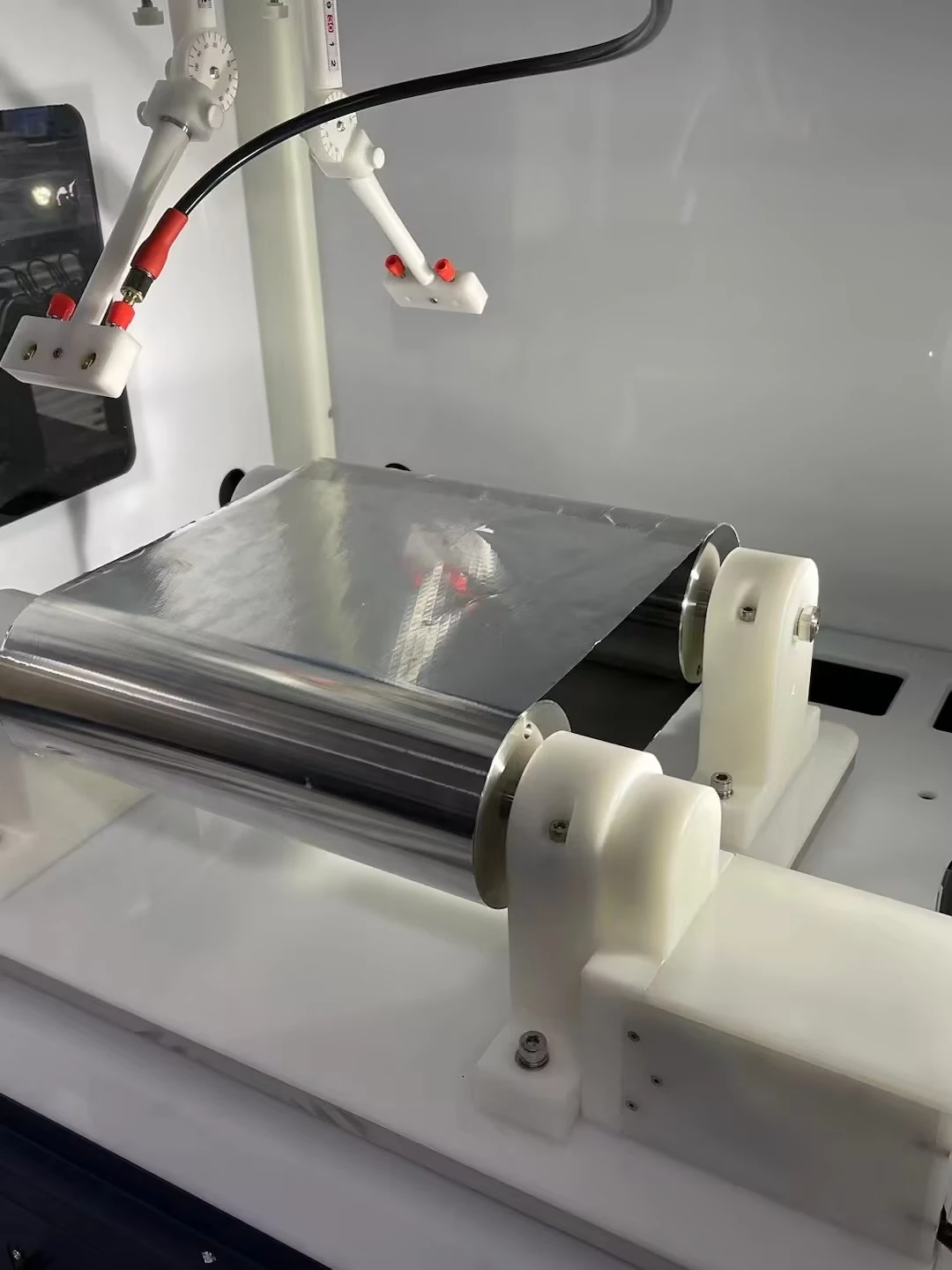
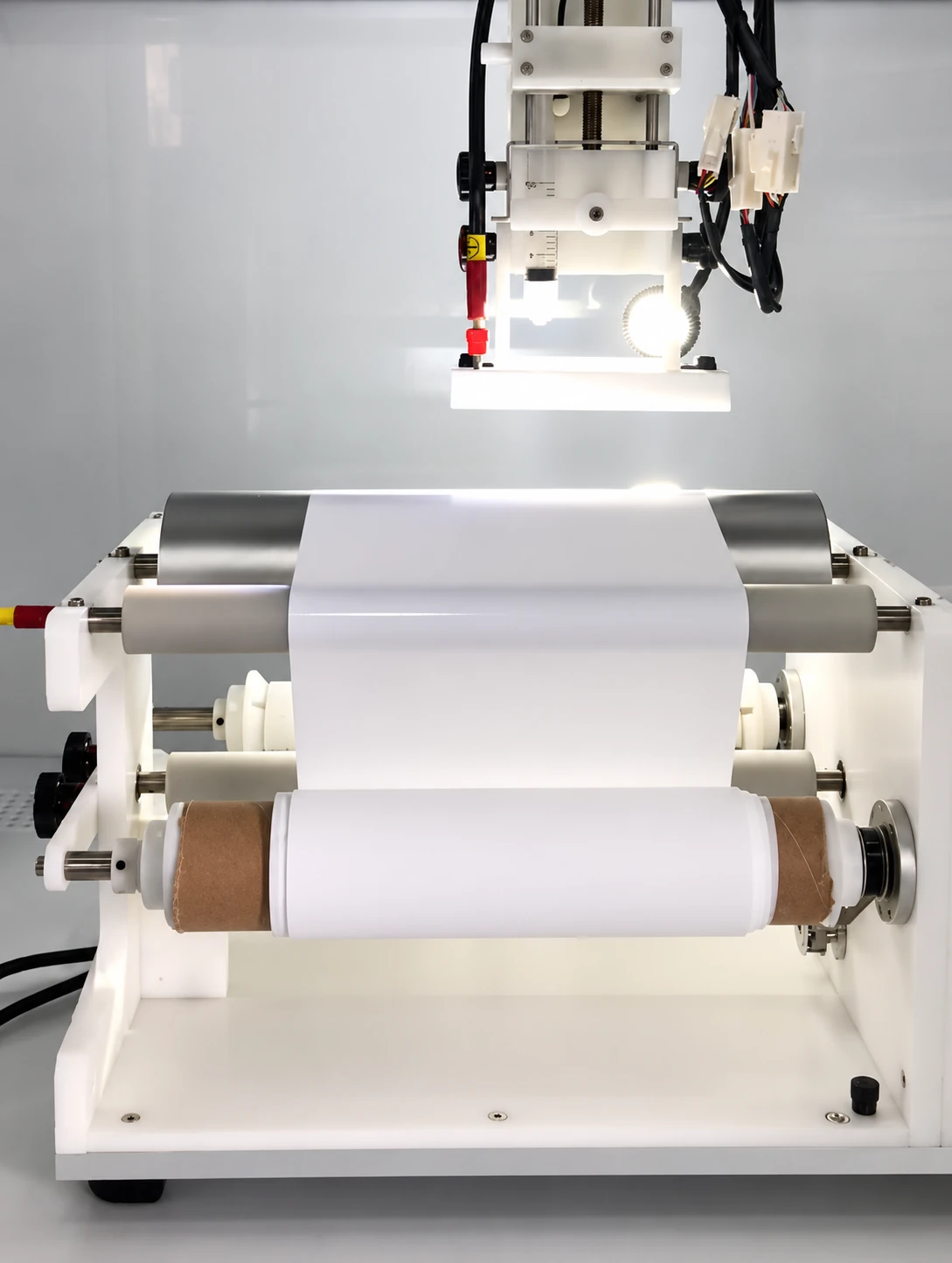
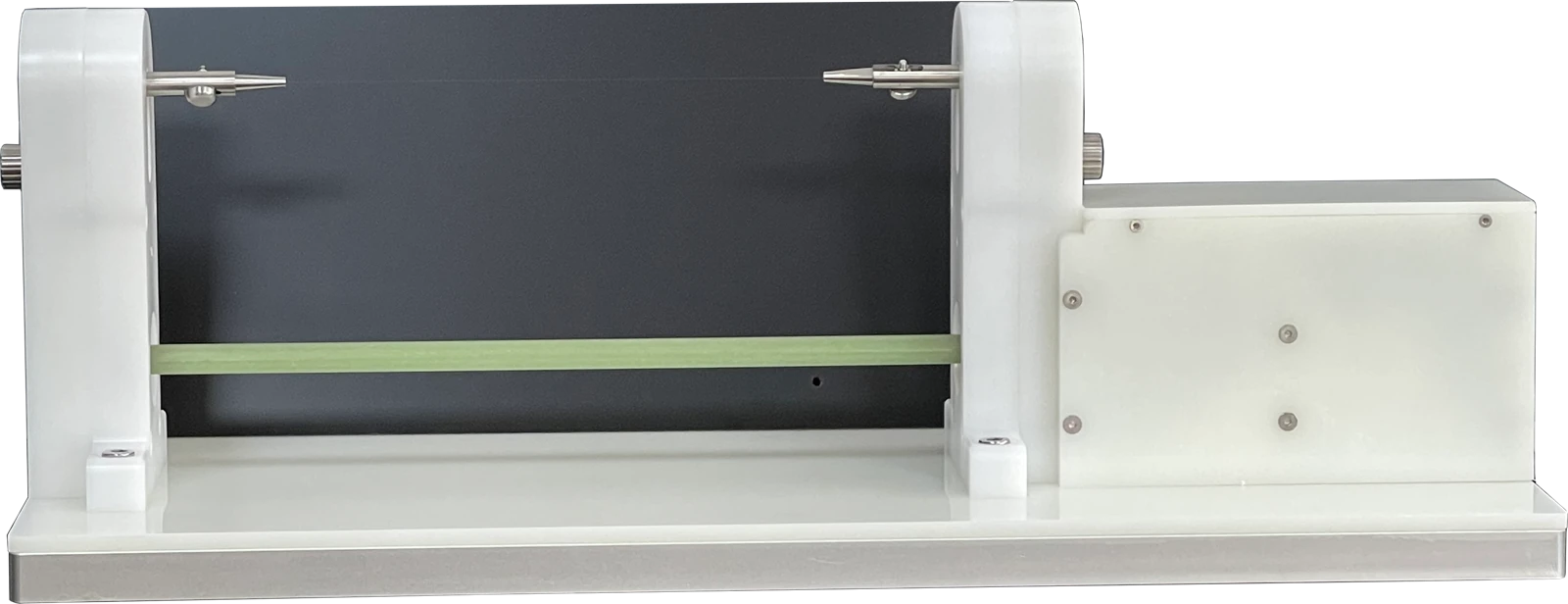
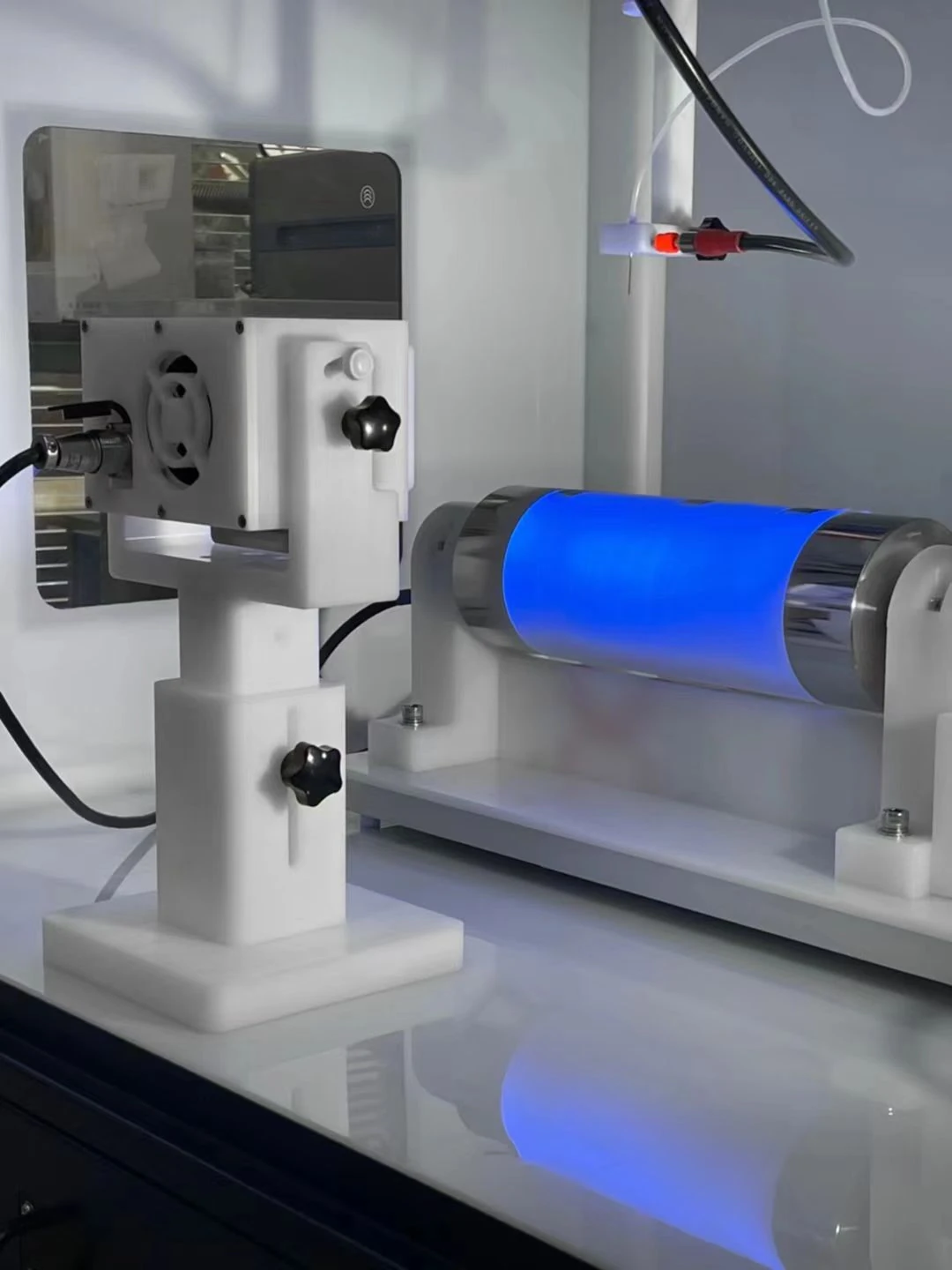
More than 20 collector options support different experiments. Use rotating collectors for flat or tubular membranes, or an adjustable plate for rigid substrates that cannot be rolled.
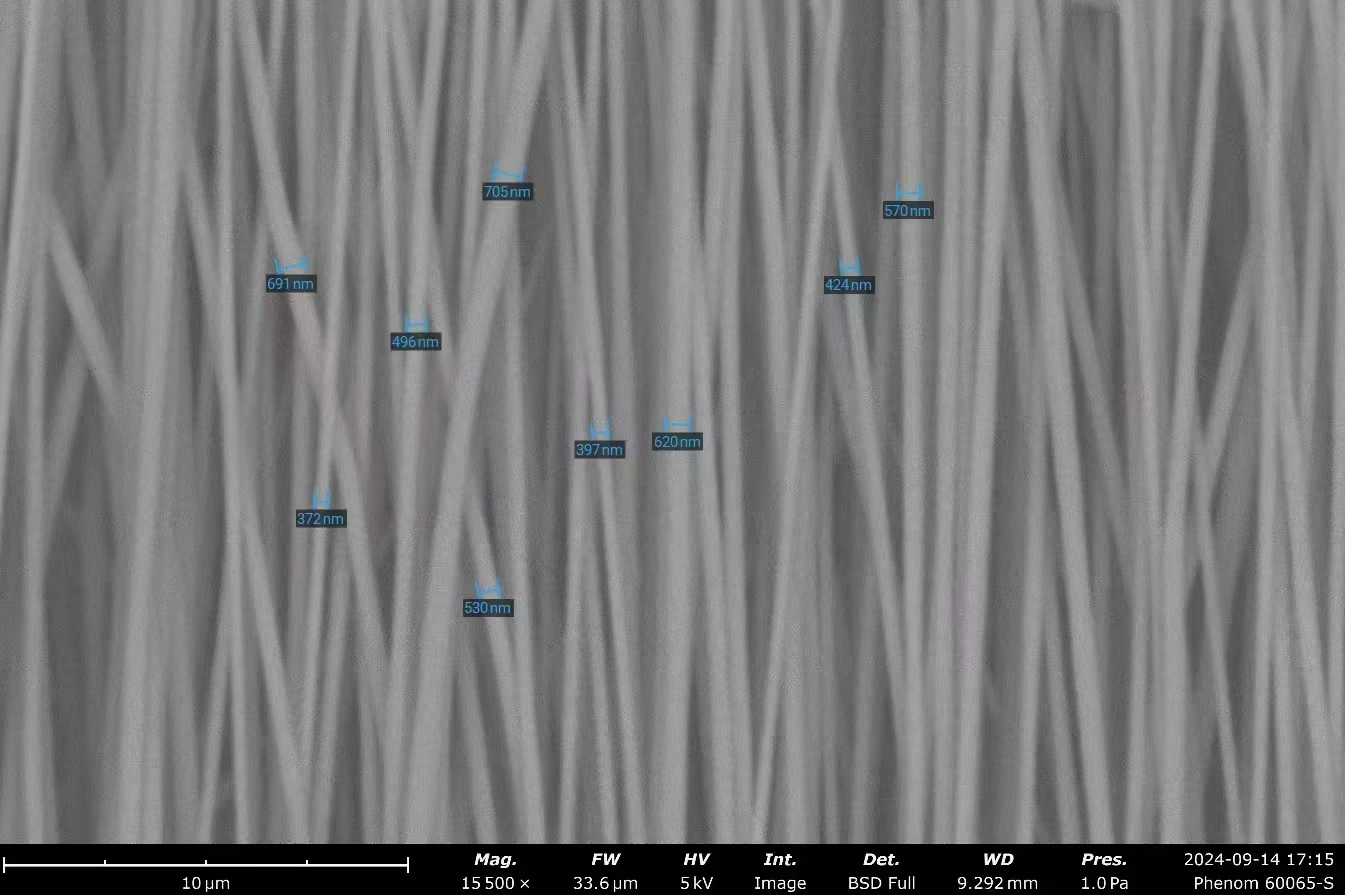
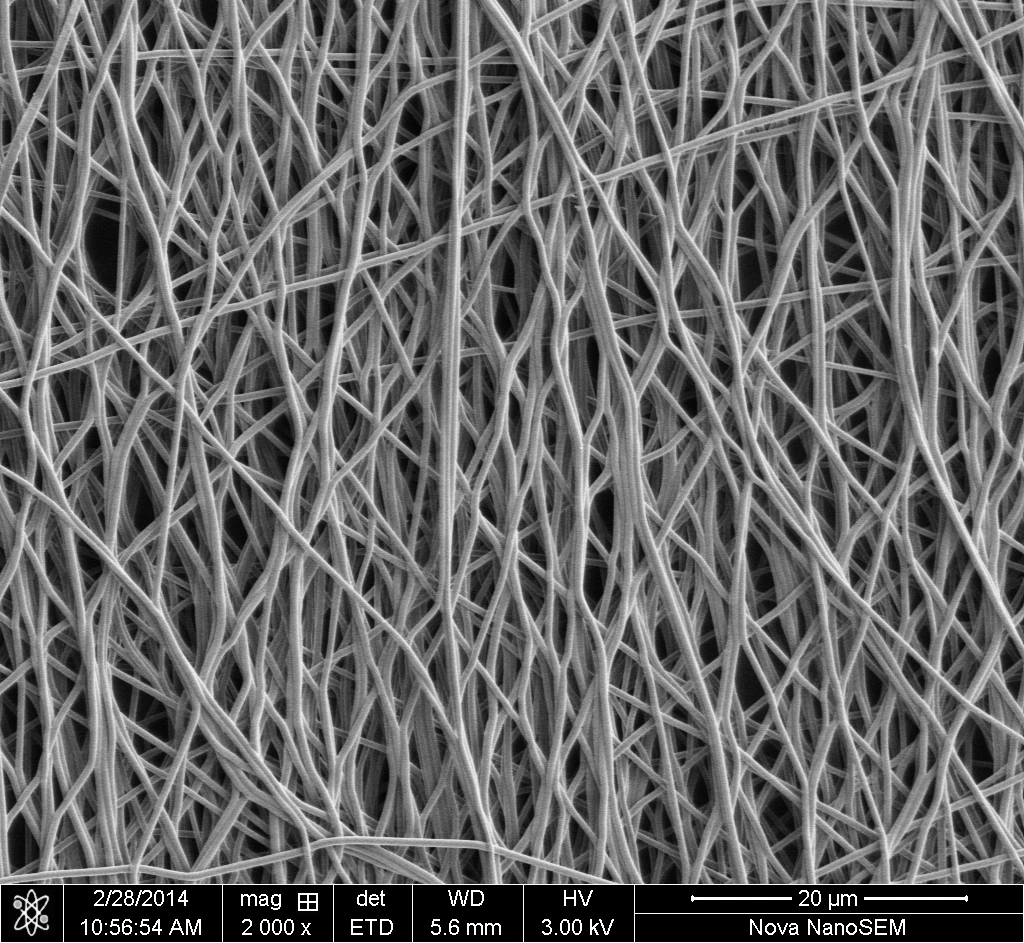
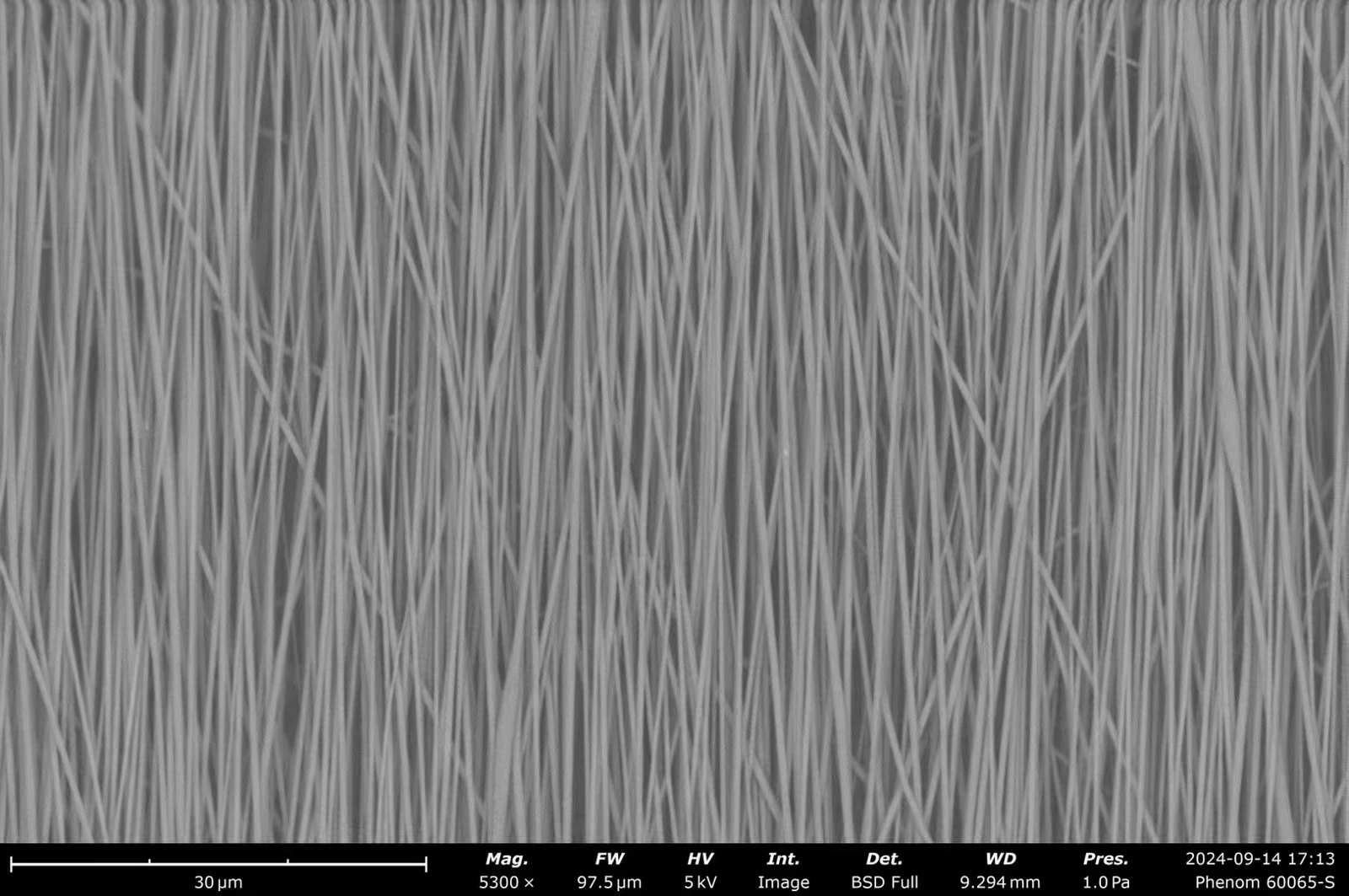
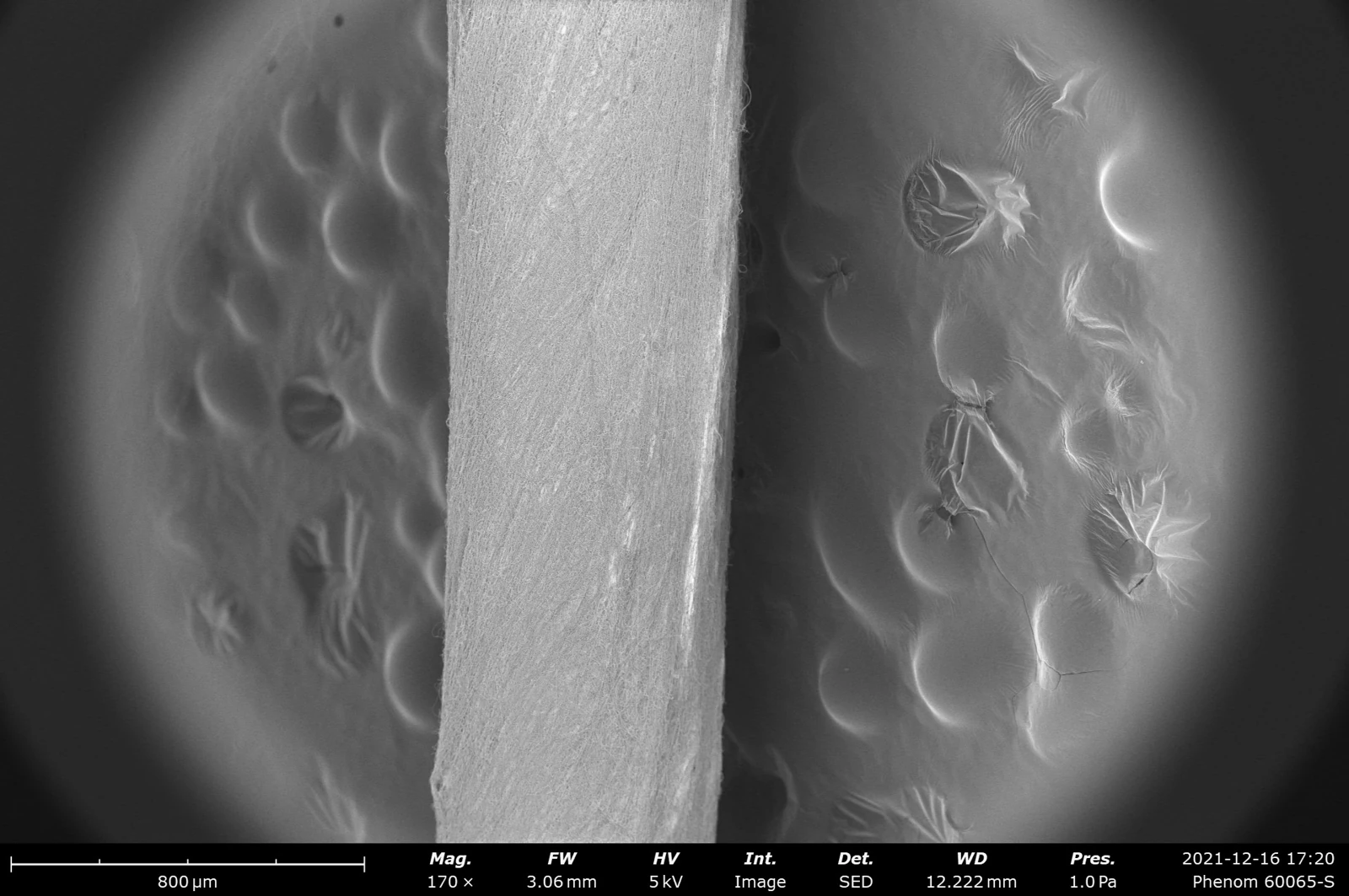
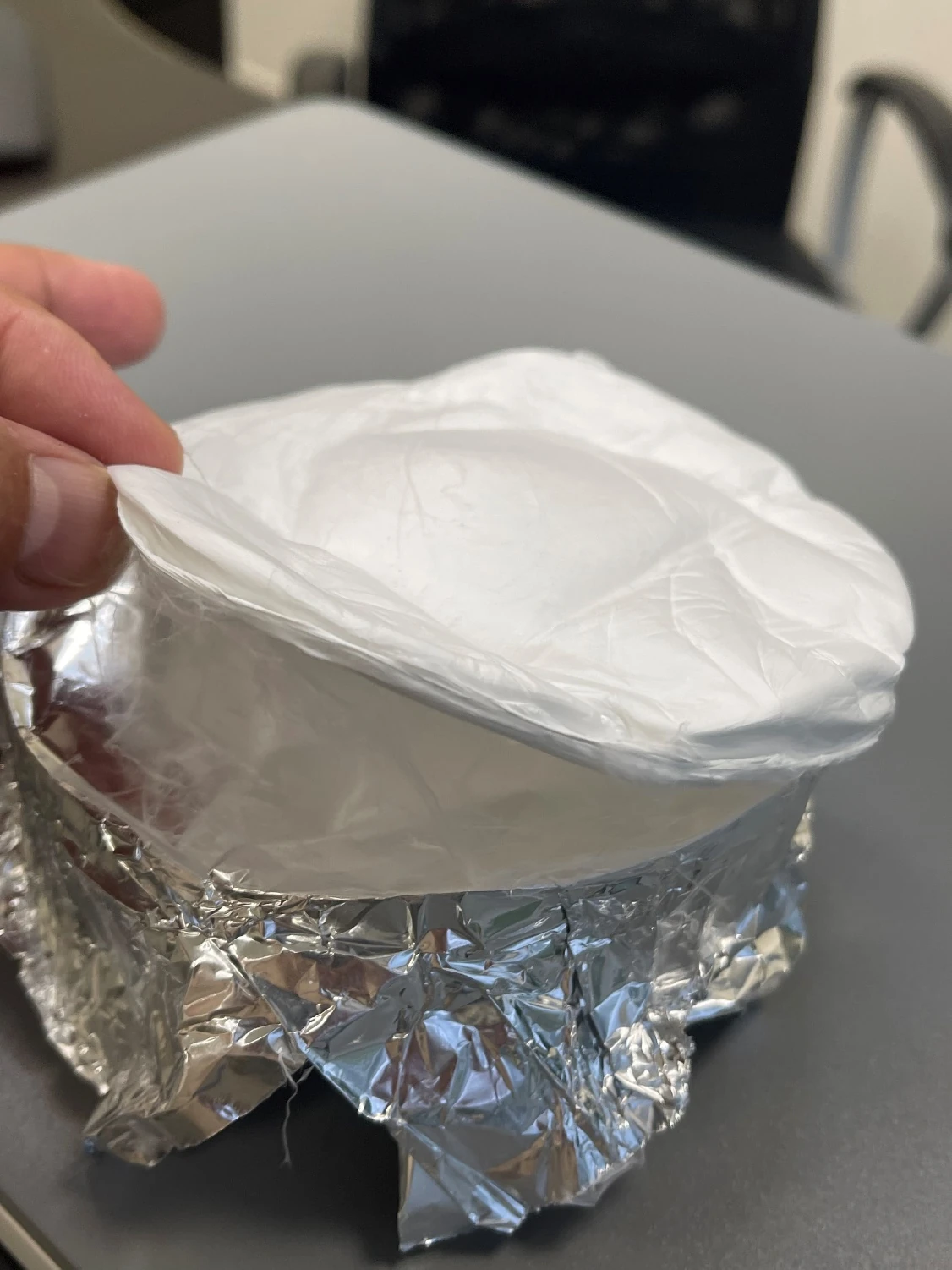
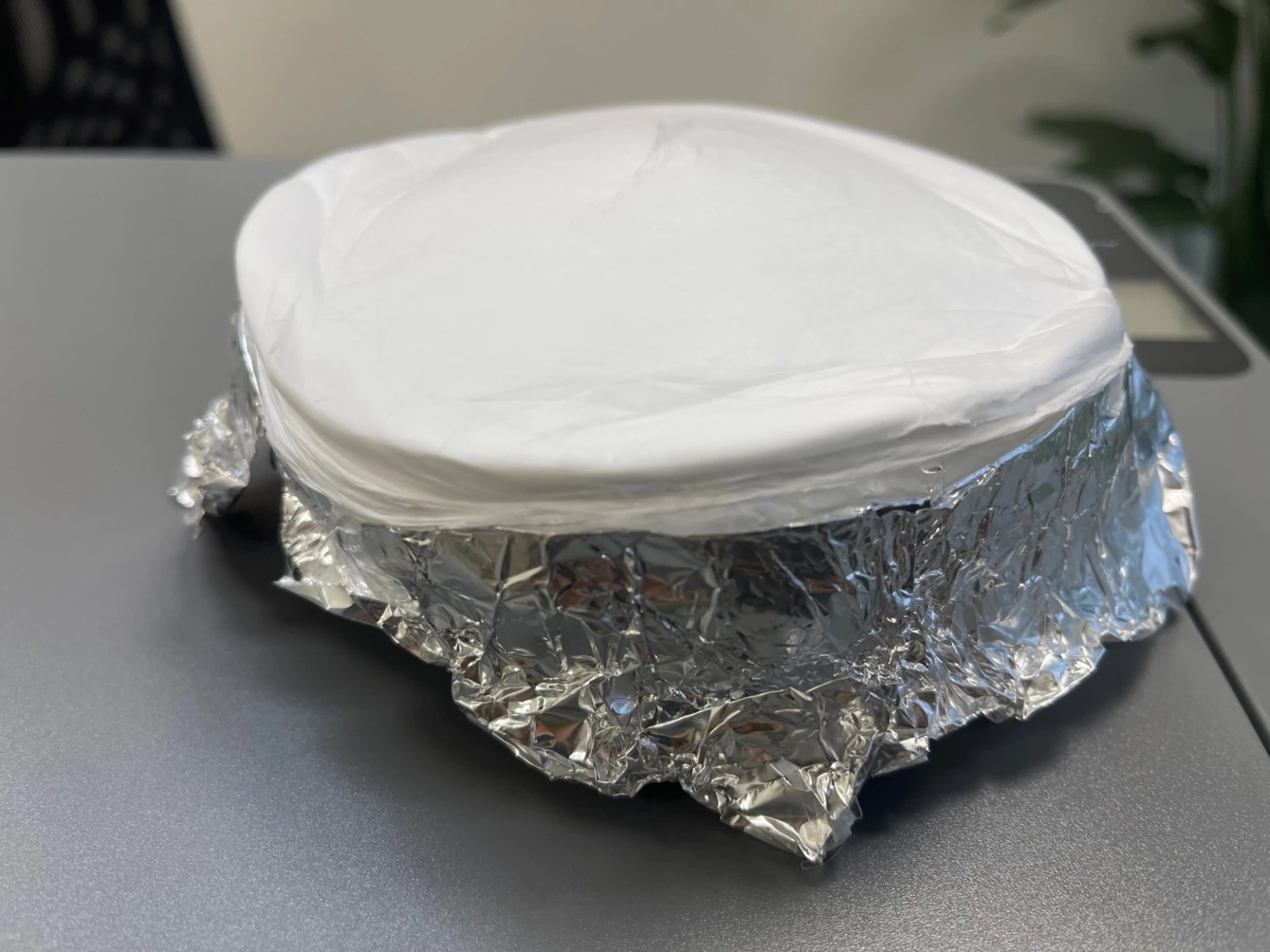
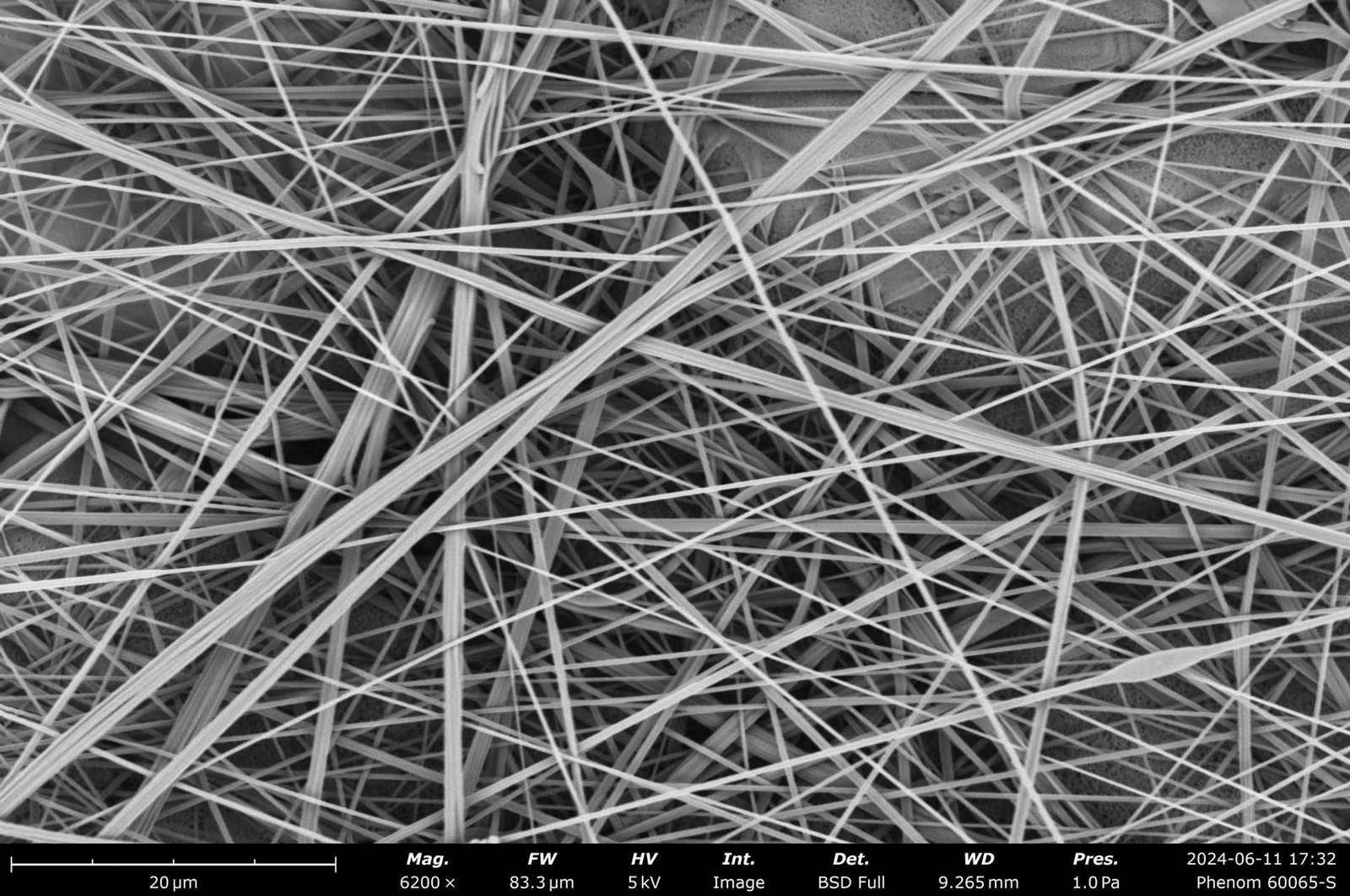
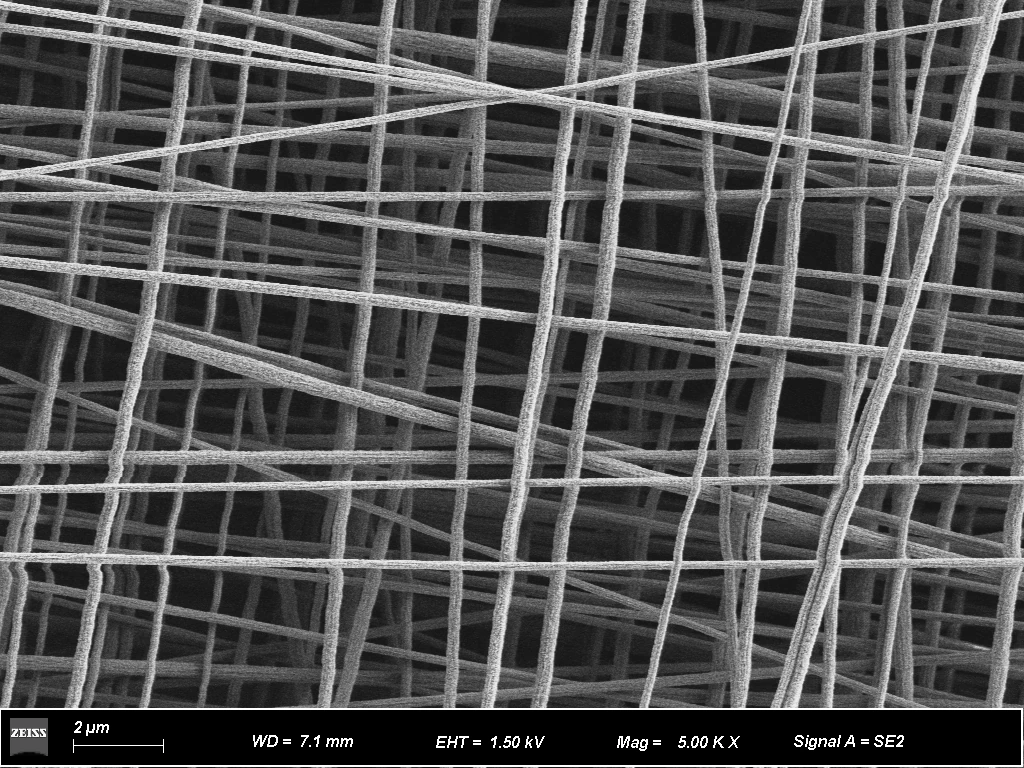
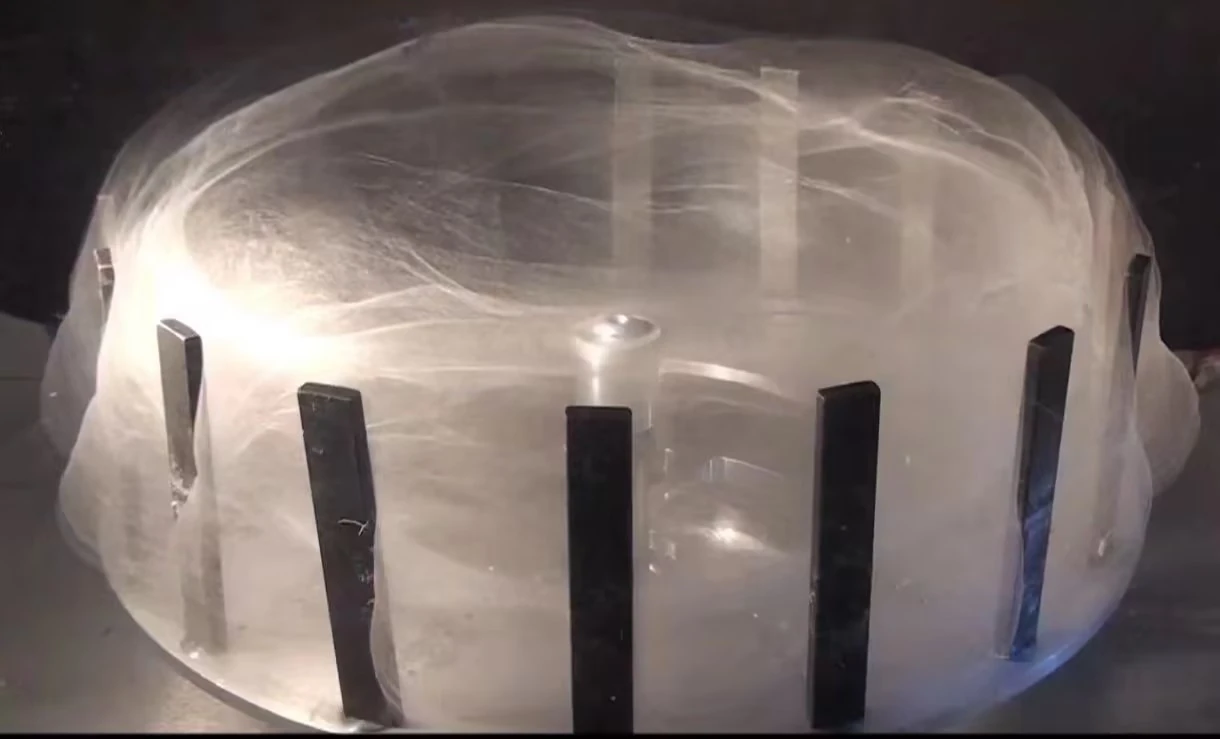
Collect flat membranes with random or aligned fibers. Higher rotation speeds support aligned deposition; the microscopy images show fiber morphologies.
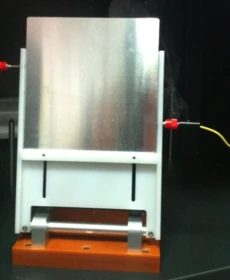
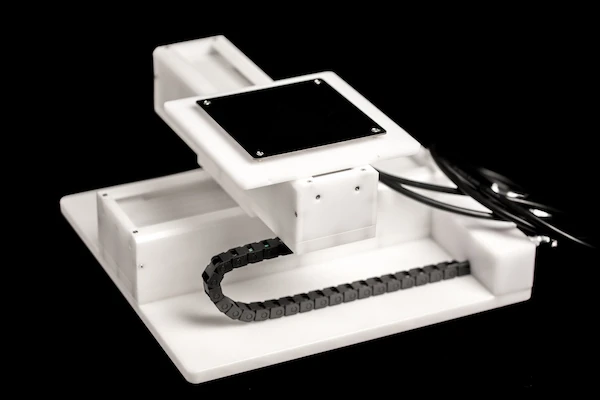
An adjustable-angle stainless-steel plate supports rigid substrates that cannot be rolled. An X–Y motion stage can be added as an option.
Plate size
150 × 150 mm
Material
316 stainless steel
05
Process options
Extend the platform with application-specific modules for heated spinning, continuous collection, yarns, three-dimensional mats and other deposition processes.
For heated electrospinning and direct writing of low-melting materials, or heating small solution volumes to reduce viscosity. A standard interface simplifies installation and replacement.
Converge fibers by spiral drawing to form continuous yarns, with or without a core. Change the core material to suit the application. The same approach can build three-dimensional mats, with collection time controlling thickness.
Continuously build a porous three-dimensional fiber network. Collection time and process settings determine thickness. Applications include filtration, adsorption, electrodes and tissue-scaffold research.
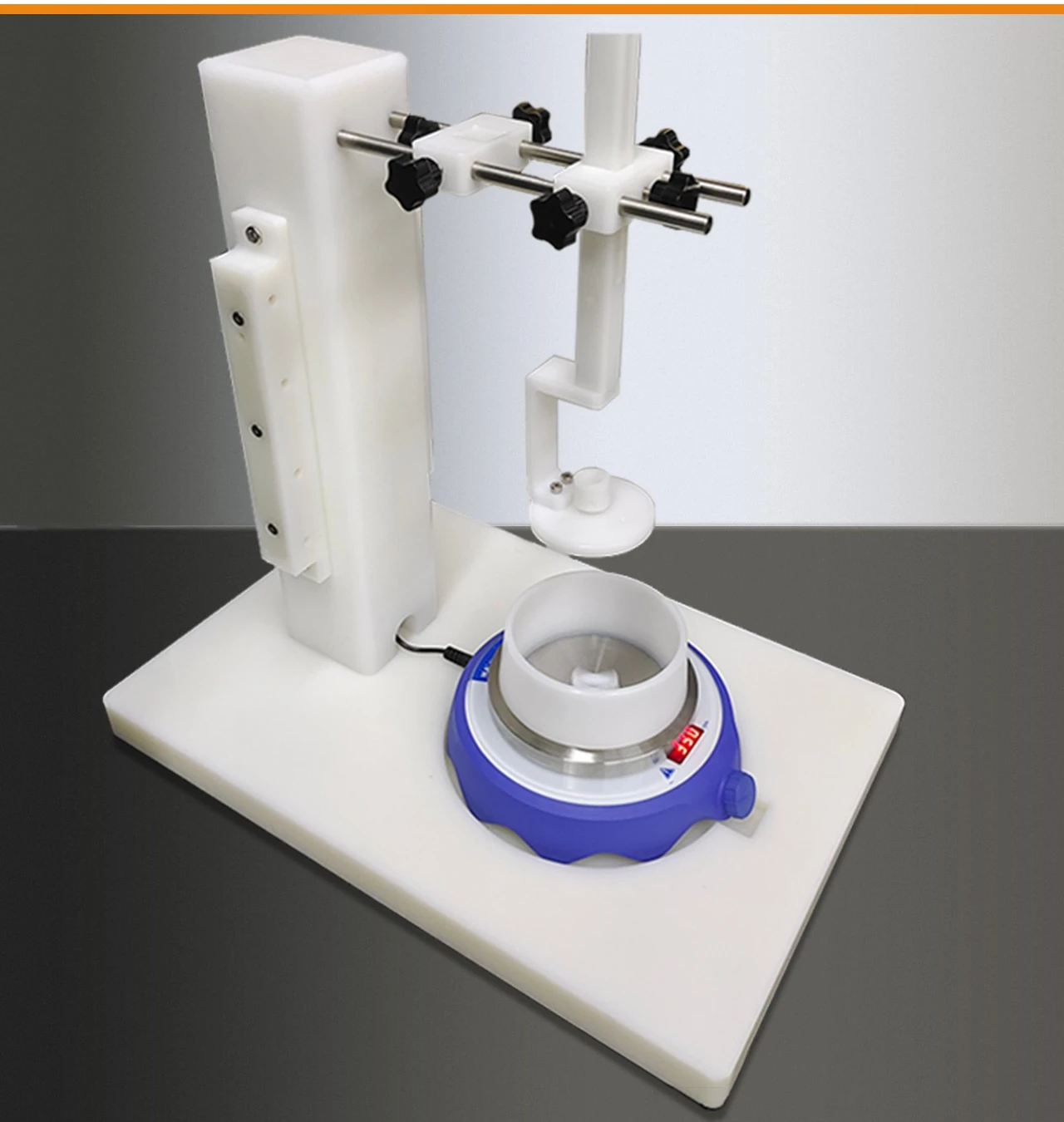
A magnetic stirrer on an insulating base works with a microsphere nozzle, dedicated holder and auxiliary electrode. Liquid-bath collection reduces agglomeration for dispersed nanospheres, short fibers and other structures.
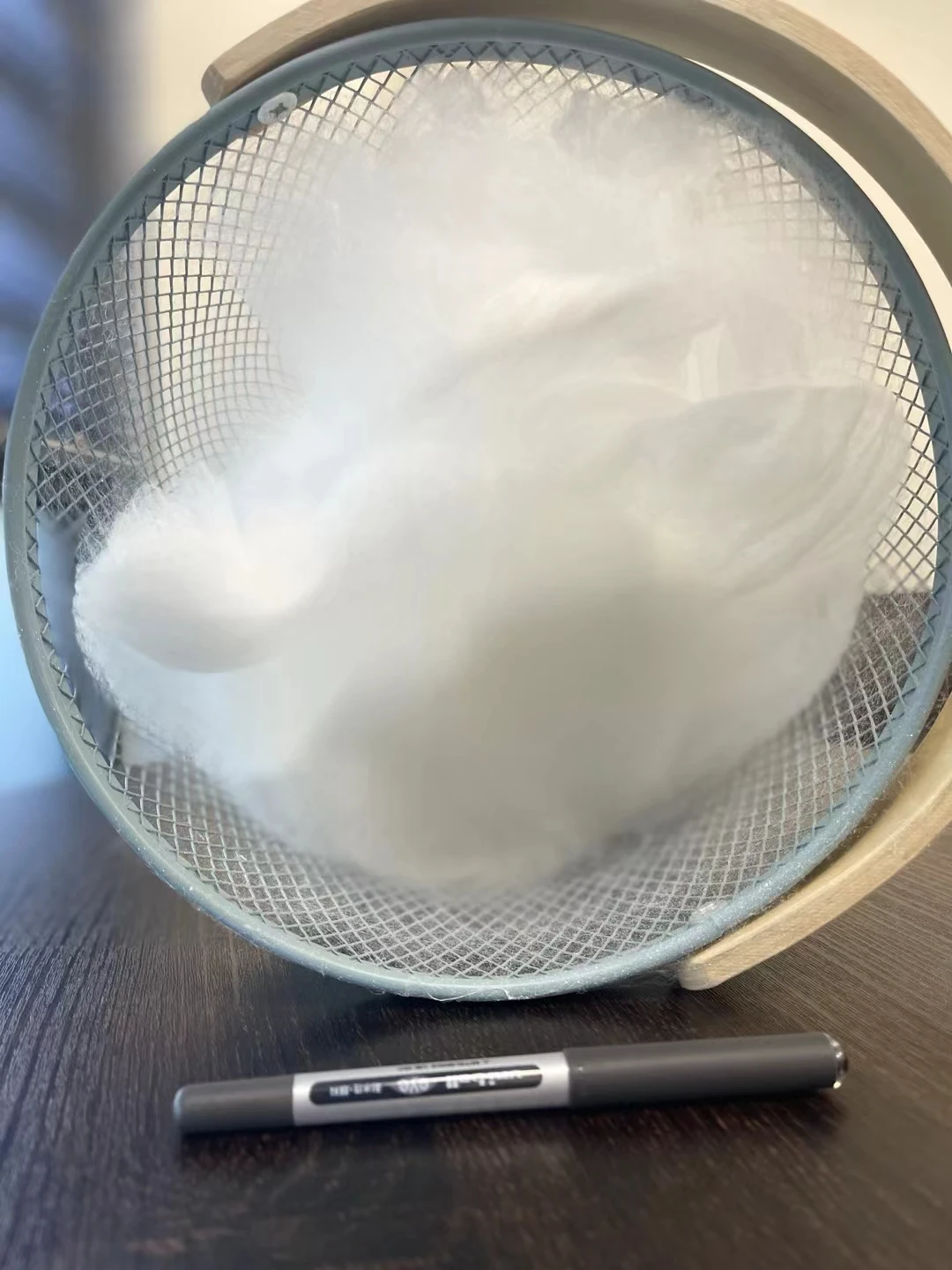
Combine airflow and electric forces to assist fiber formation. Output can substantially exceed conventional electrospinning, depending on the material and process.
Suitable for polymer solutions, lofted mats, cotton-like three-dimensional structures and short fibers.
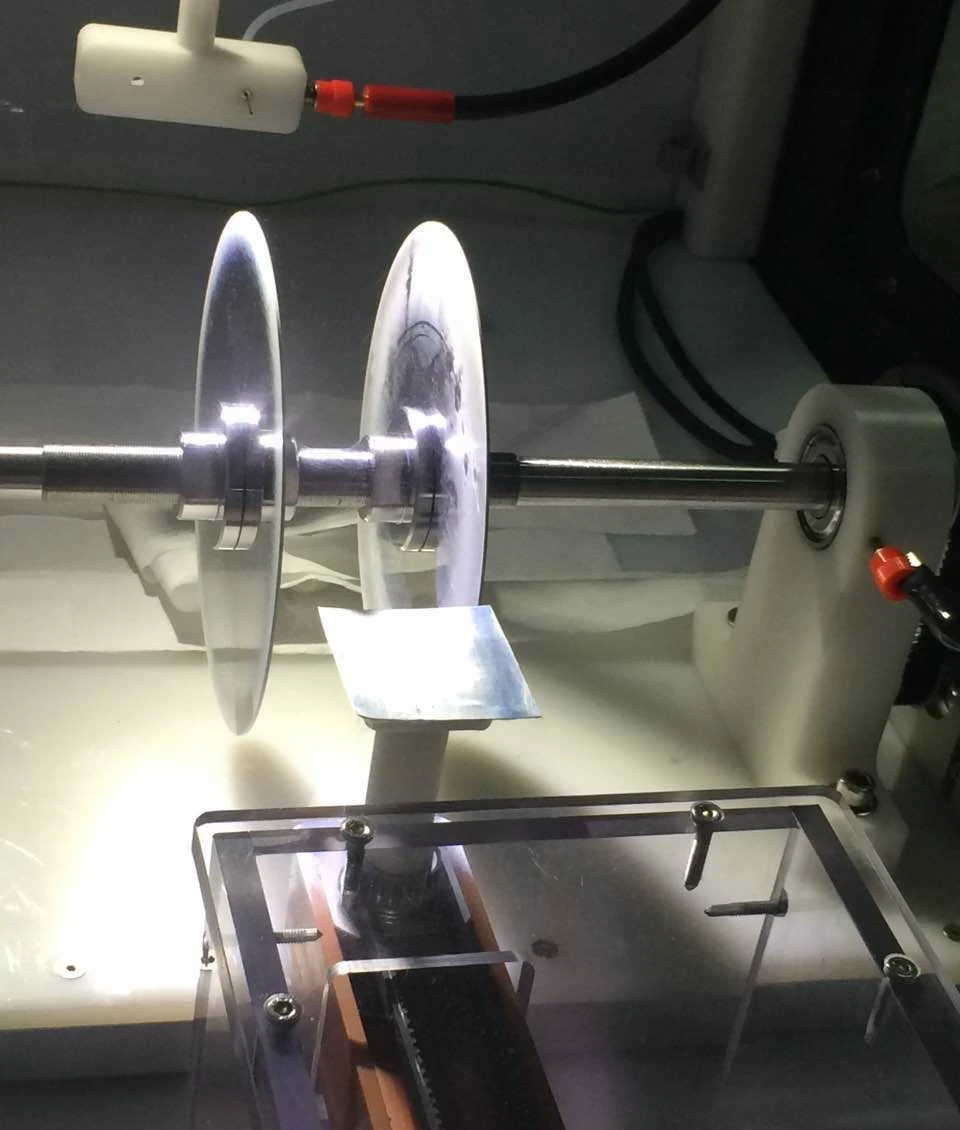
Form unidirectional or cross-aligned multilayer membranes with alternating 0° / 90° fiber directions. A dedicated spinneret and synchronized rotating dual discs support repeatable orthogonal deposition.
An independent digital controller supports applications in tissue engineering and composite reinforcement.
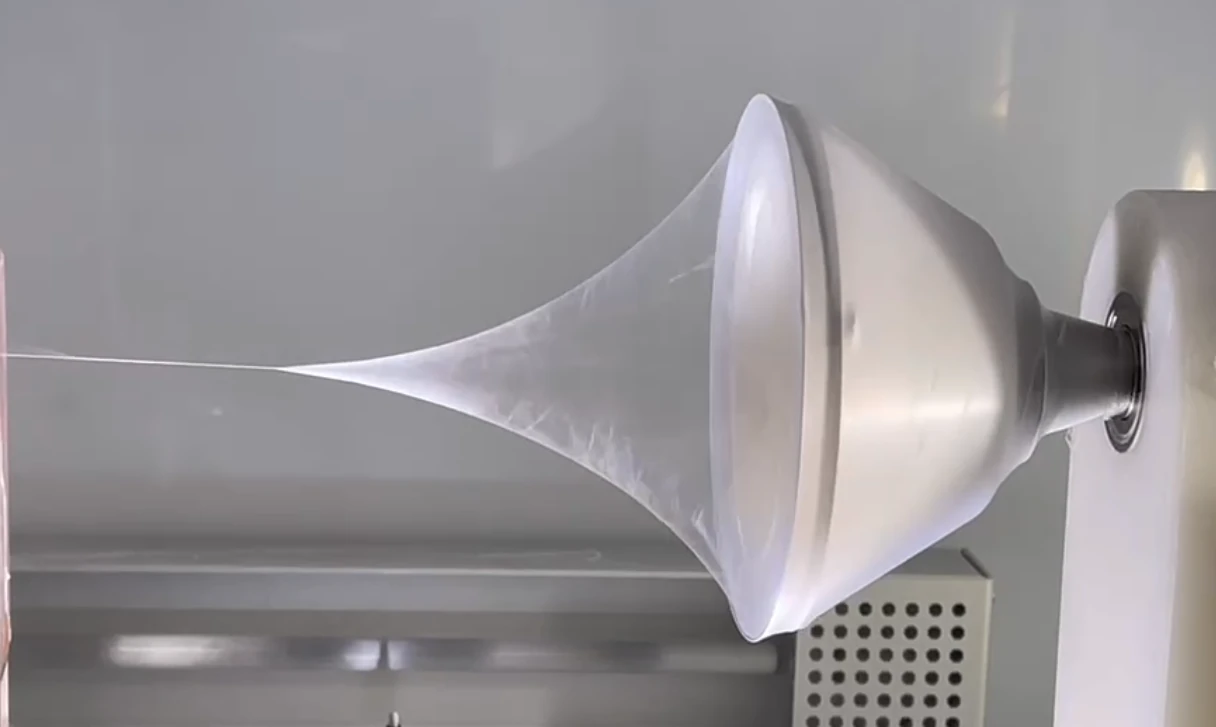
Centrifugal and electrostatic forces draw the polymer solution into jets that form nanometer- or submicrometer-scale fibers, improving fiber formation efficiency and stability.
Servo-controlled rotation collects random or aligned membranes, including highly aligned fibers. The plate angle can be customized for the application.
Control two-dimensional paths on a flat plate collector with CAD import or programmed input. Includes a handheld controller and control box, timing-belt transmission and stepper motors, with insulating plastic construction.
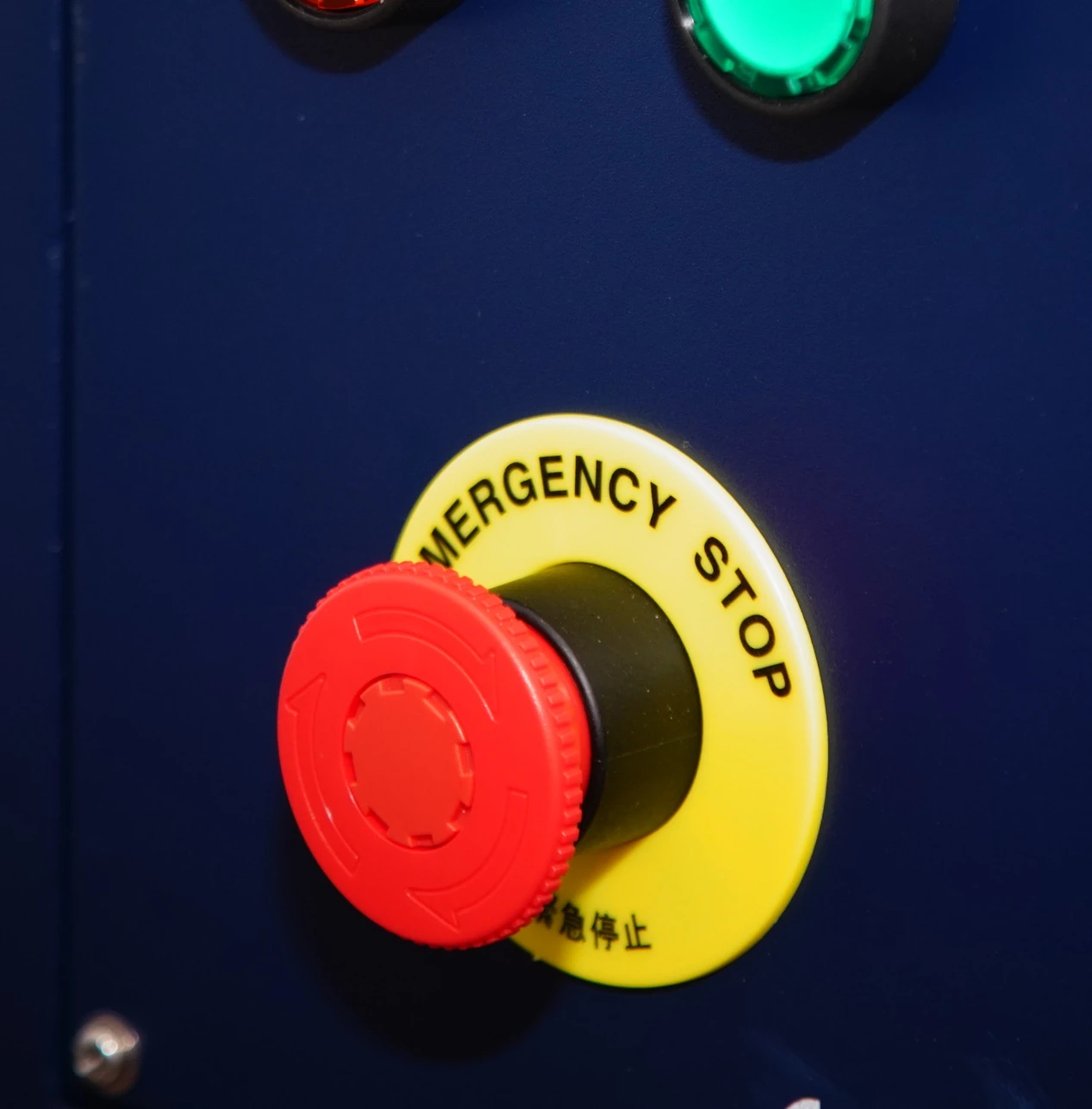
An accessible emergency stop enables rapid shutdown. Automatic power protection cuts off overvoltage and overcurrent.
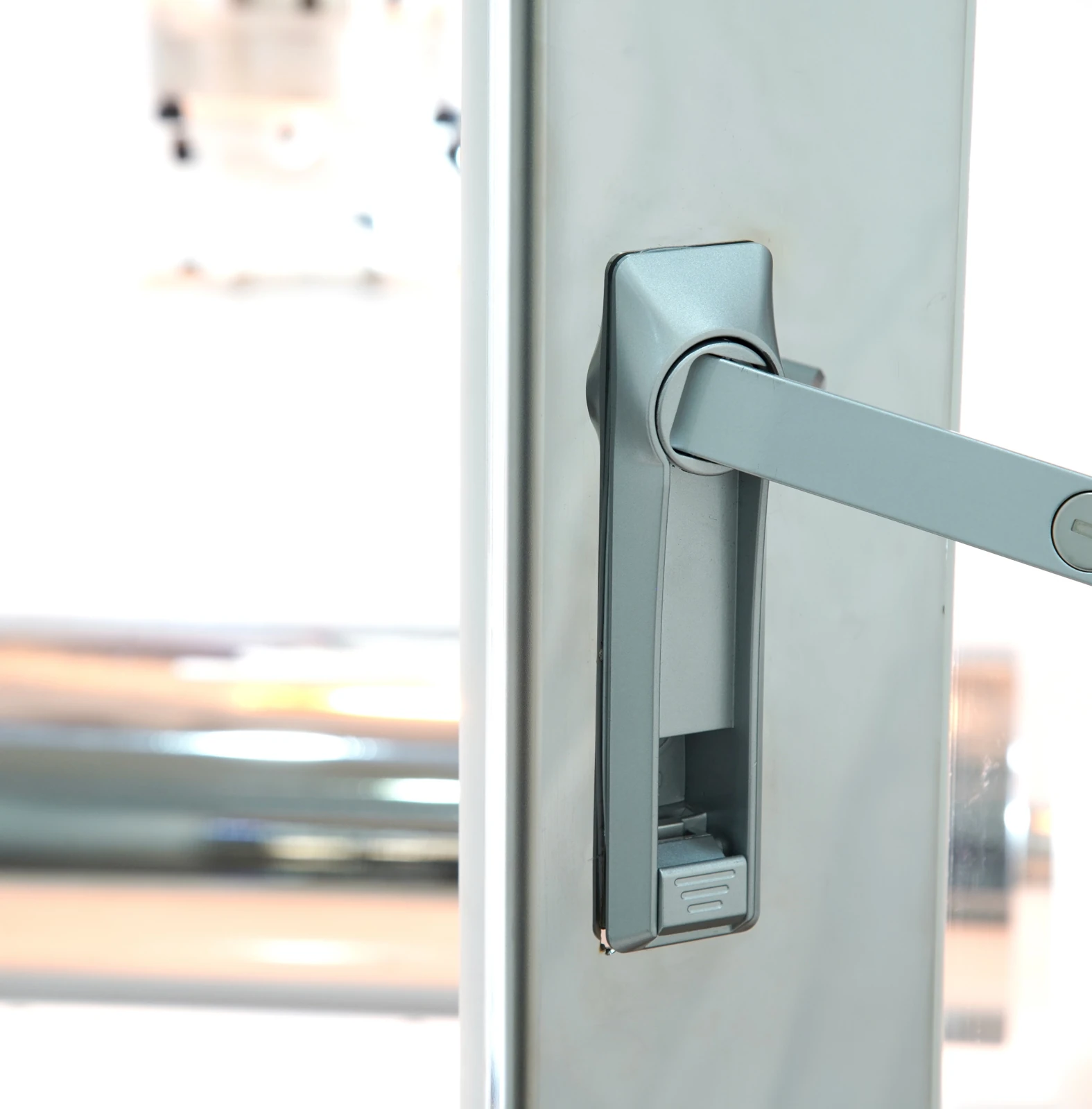
The door interlock shuts off high voltage when the door opens. Multi-point grounding connects the enclosure, high-voltage supplies, pumps and collectors.
The university contract lists a TL-Pro electrospinning machine; the corresponding provincial declaration identifies Shenzhen TONGLI as the manufacturer.
Nanofiber process optimization for fuel-cell materials
Author affiliations: Graz University of Technology; Telkom University
Fabricating ultra-thin nanofiber structures towards the advanced MEA of fuel cells: investigation of the degree of alignment, diameter, bead generation, and precision with Taguchi designs