Electrospinning
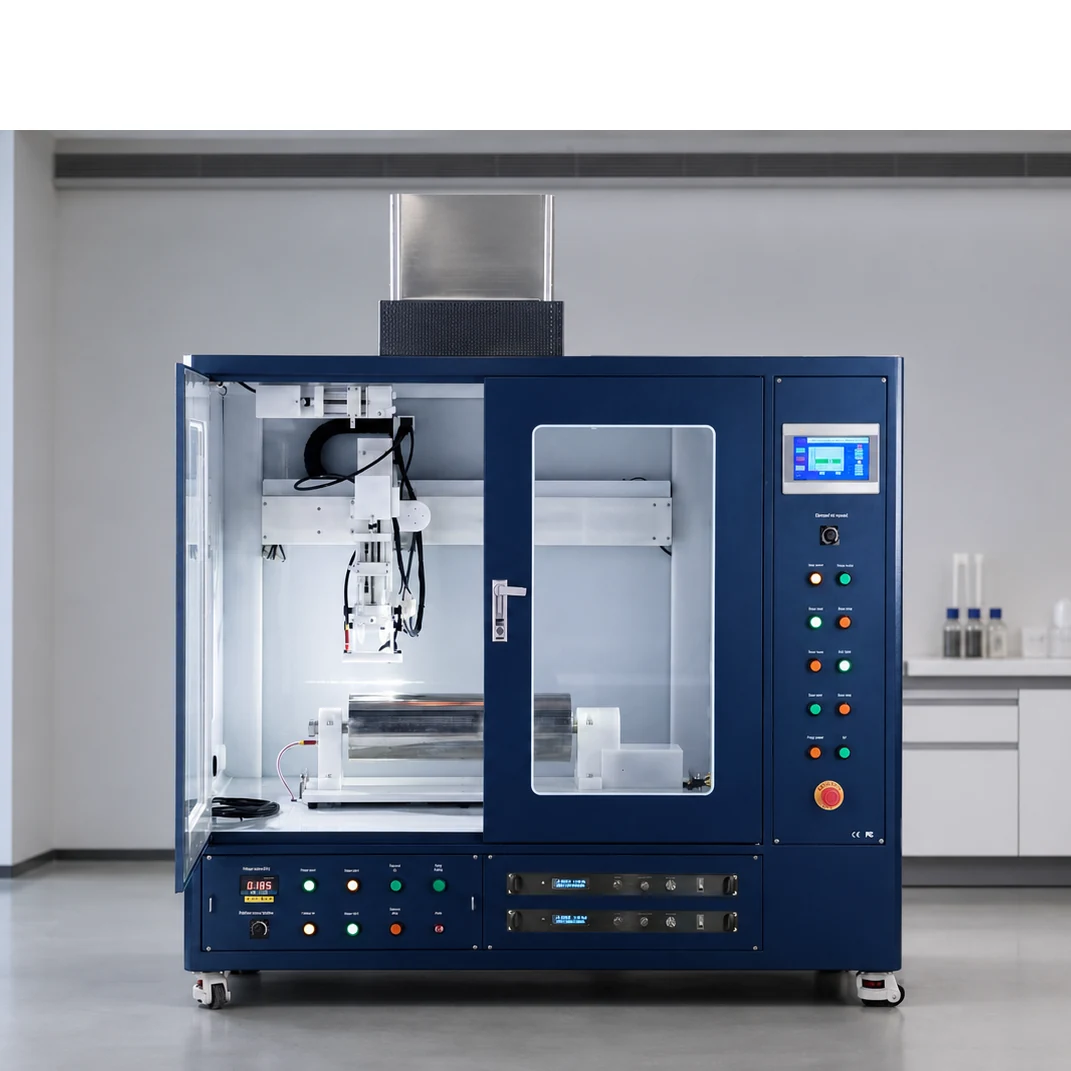
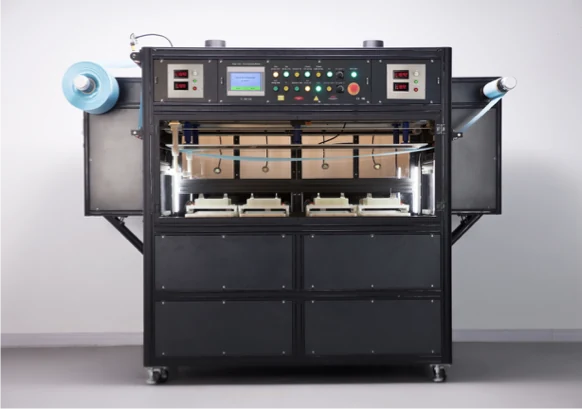
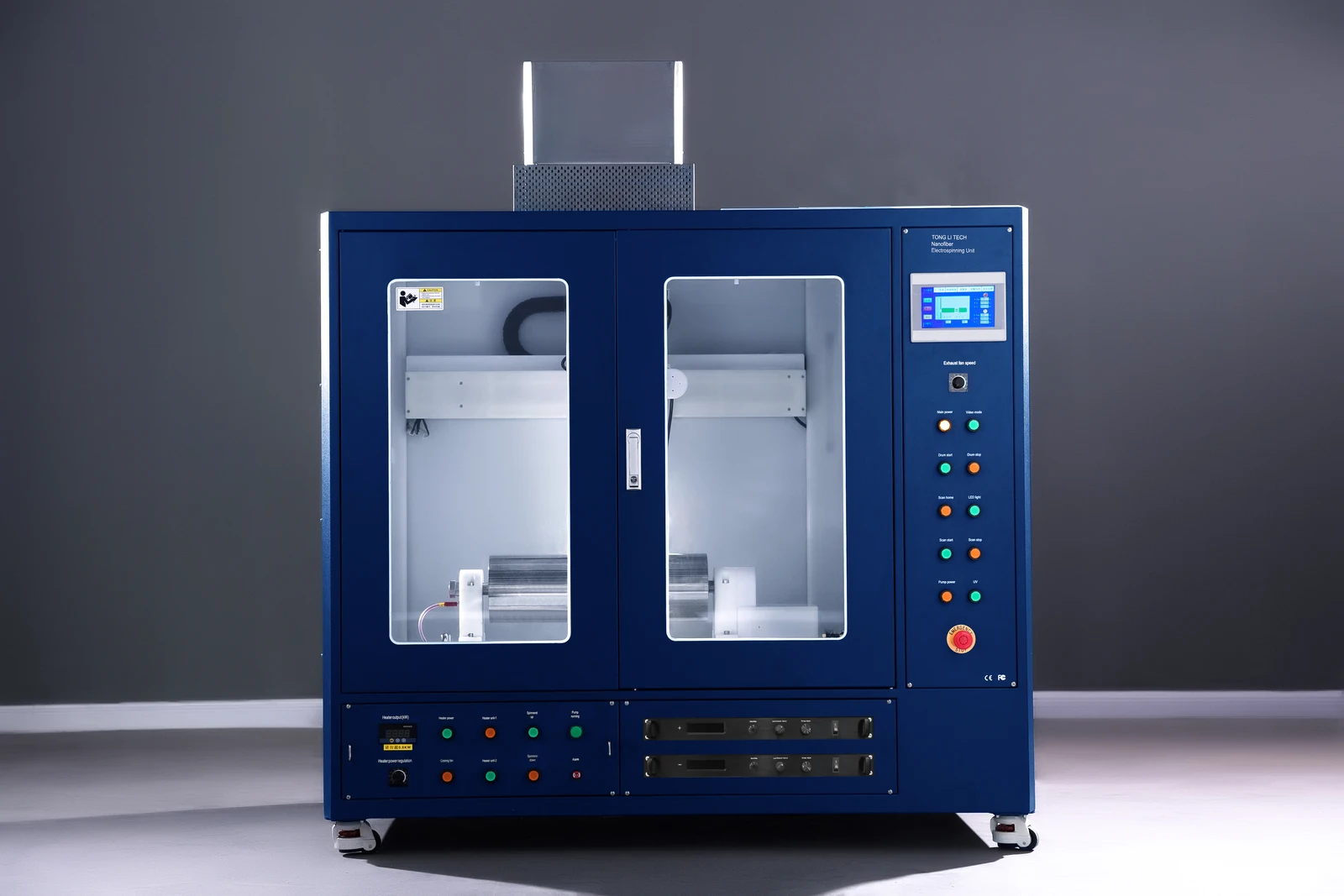
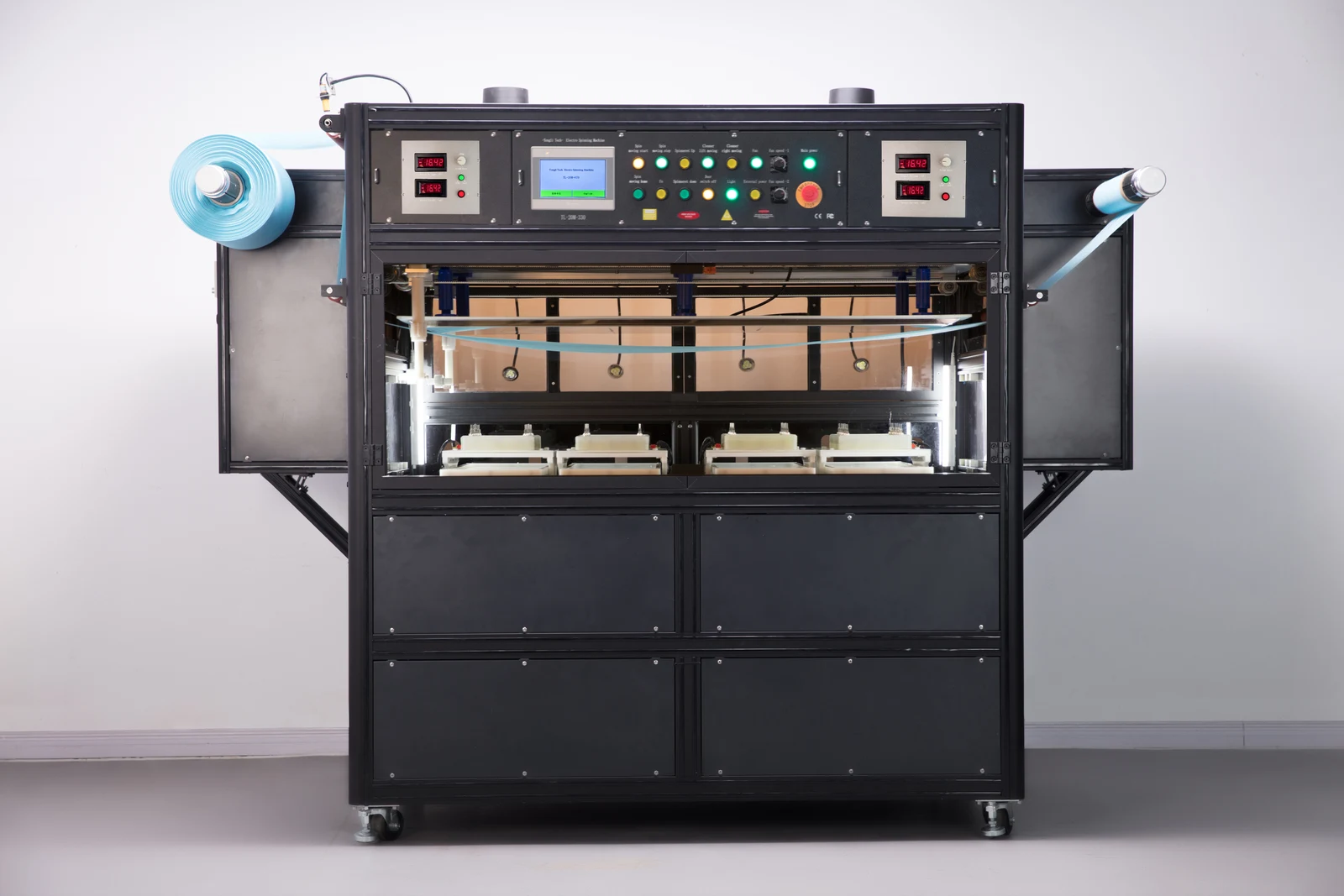
Deposit fibers as flat sheets, tubular structures or continuous webs, using collectors selected for the target format.
Explore the systems

ELECTROSPINNING · ELECTROWRITING · EHD PRINTING
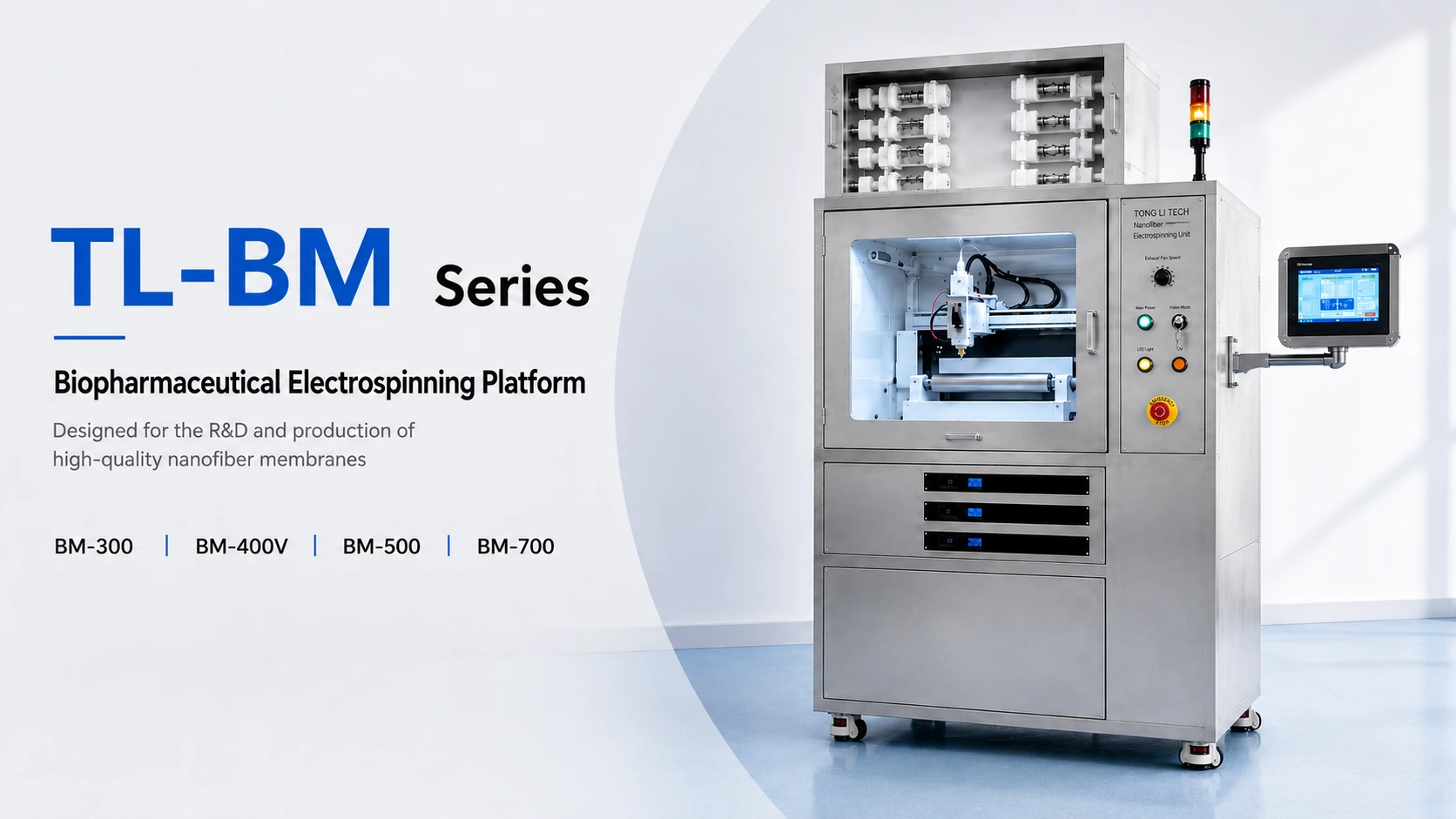
Electrospinning, electrowriting and EHD printing systems for research, process development and scale-up. Choose a platform around the material you work with and the structure you want to make.
Systems
Compare platforms by process, sample format and development stage.
Deposit fibers as flat sheets, tubular structures or continuous webs, using collectors selected for the target format.
Explore the systemsFlat, rotating and mandrel collectors provide different routes to membranes, aligned fibers and tubular samples. Discuss the required geometry before choosing the collector.
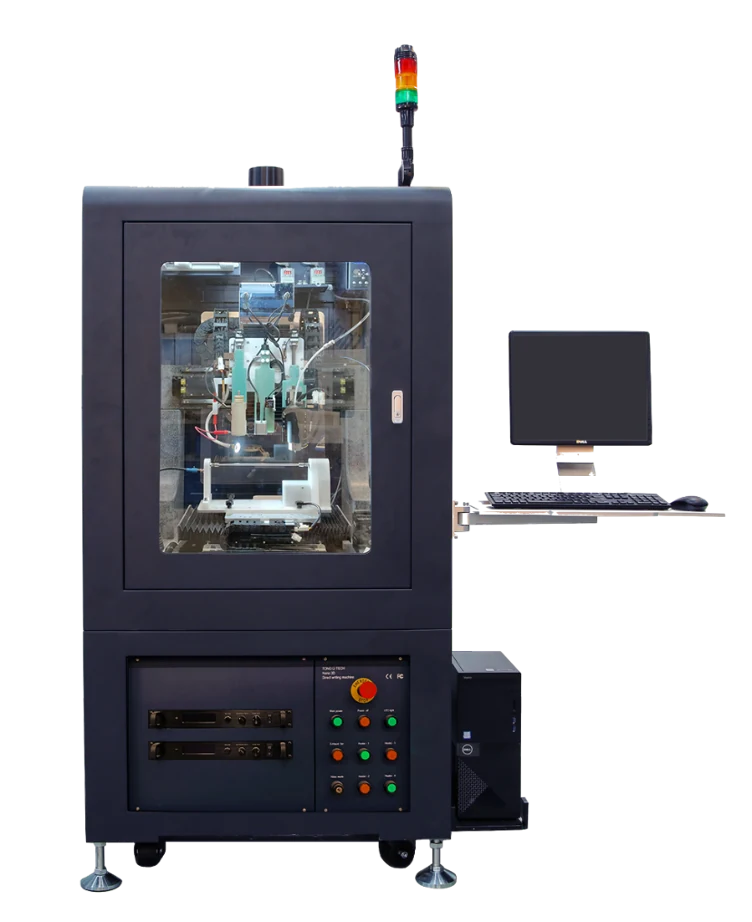
Explore the systemsPlace continuous fibers along programmed paths to explore fiber spacing, orientation and layered architectures.
Explore the systemsTONGLI
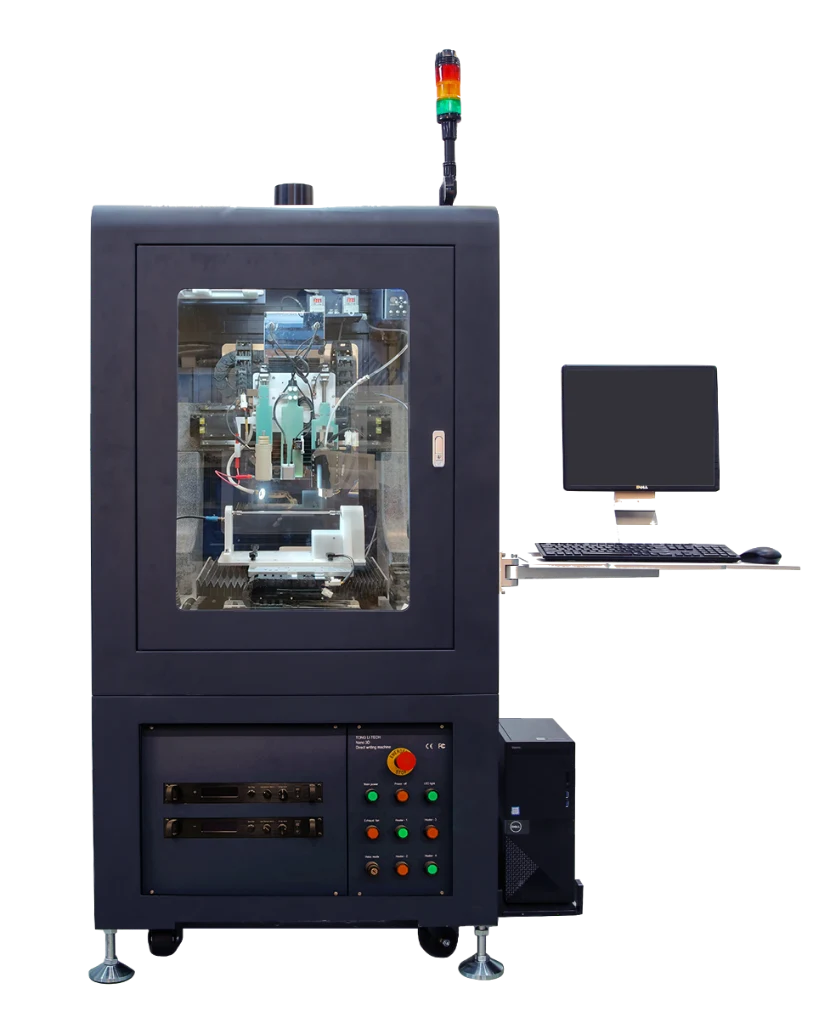
Electrowriting & EHD printing
A multi-process platform for fiber research
Explore this system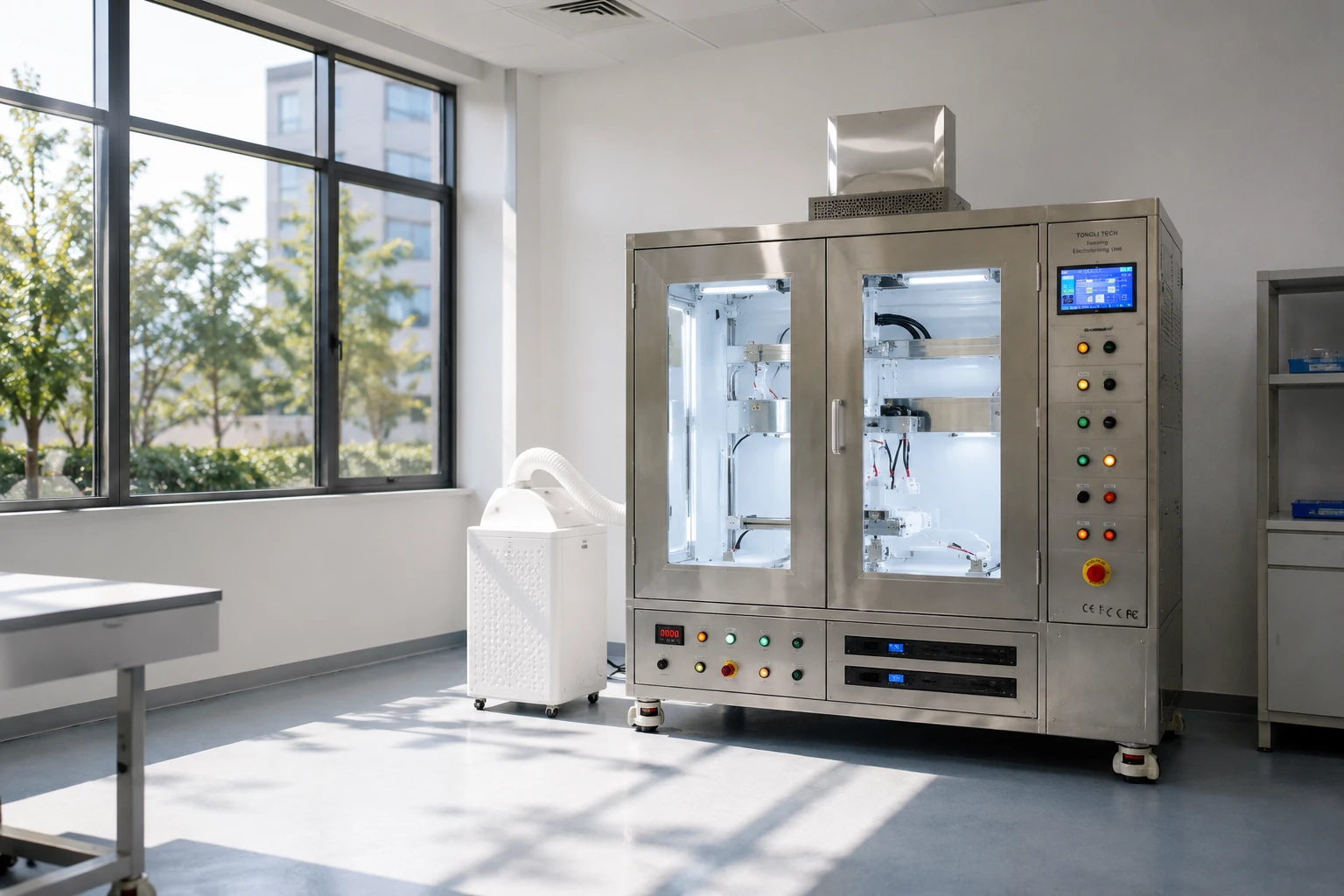
Applications
The process and collection method work together. Match them to the geometry and properties your project needs.
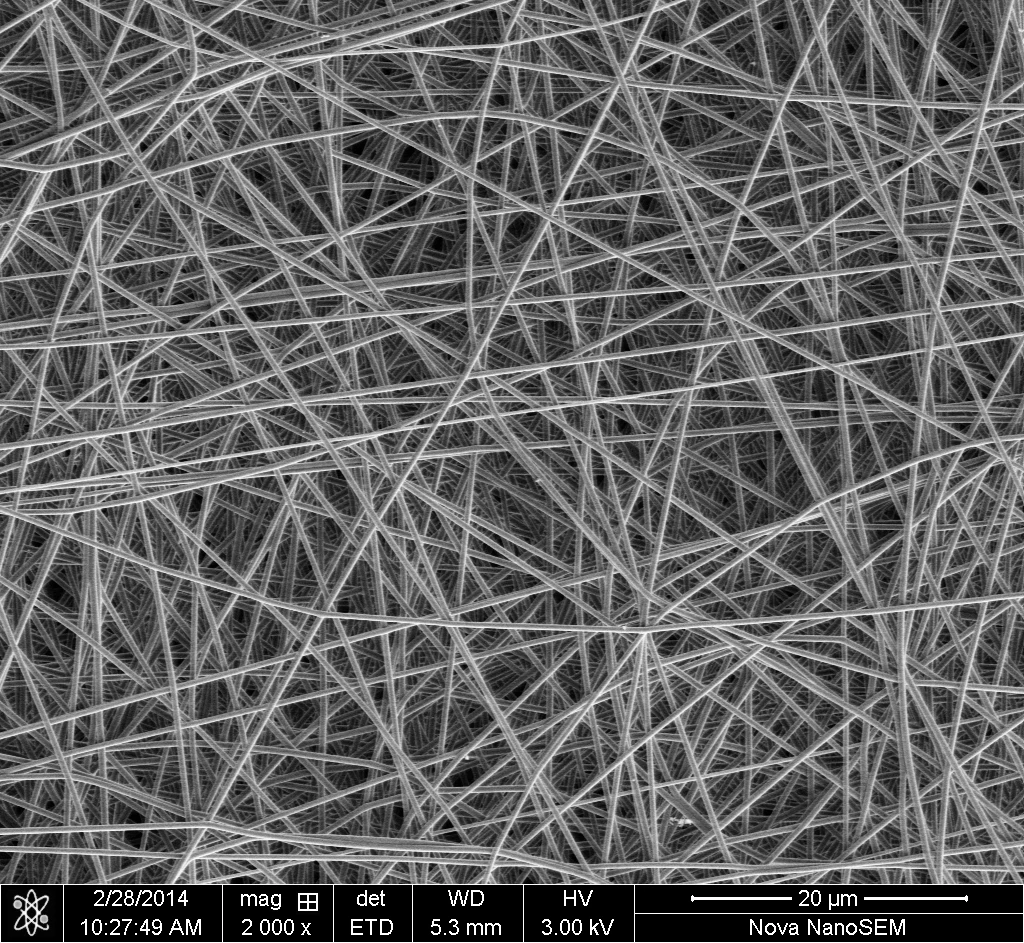
Deposit fibers as flat sheets, tubular structures or continuous webs, using collectors selected for the target format.
Read more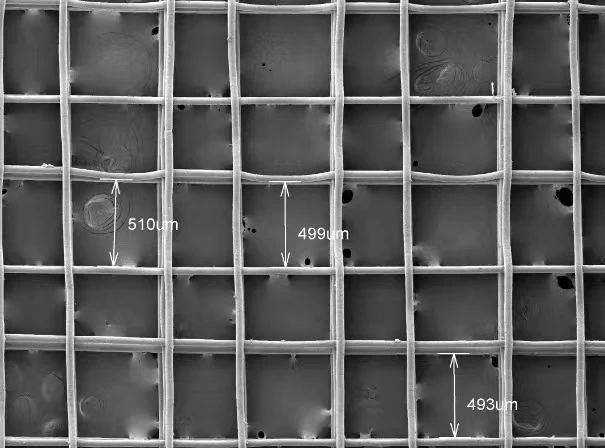
Place continuous fibers along programmed paths to explore fiber spacing, orientation and layered architectures.
Read more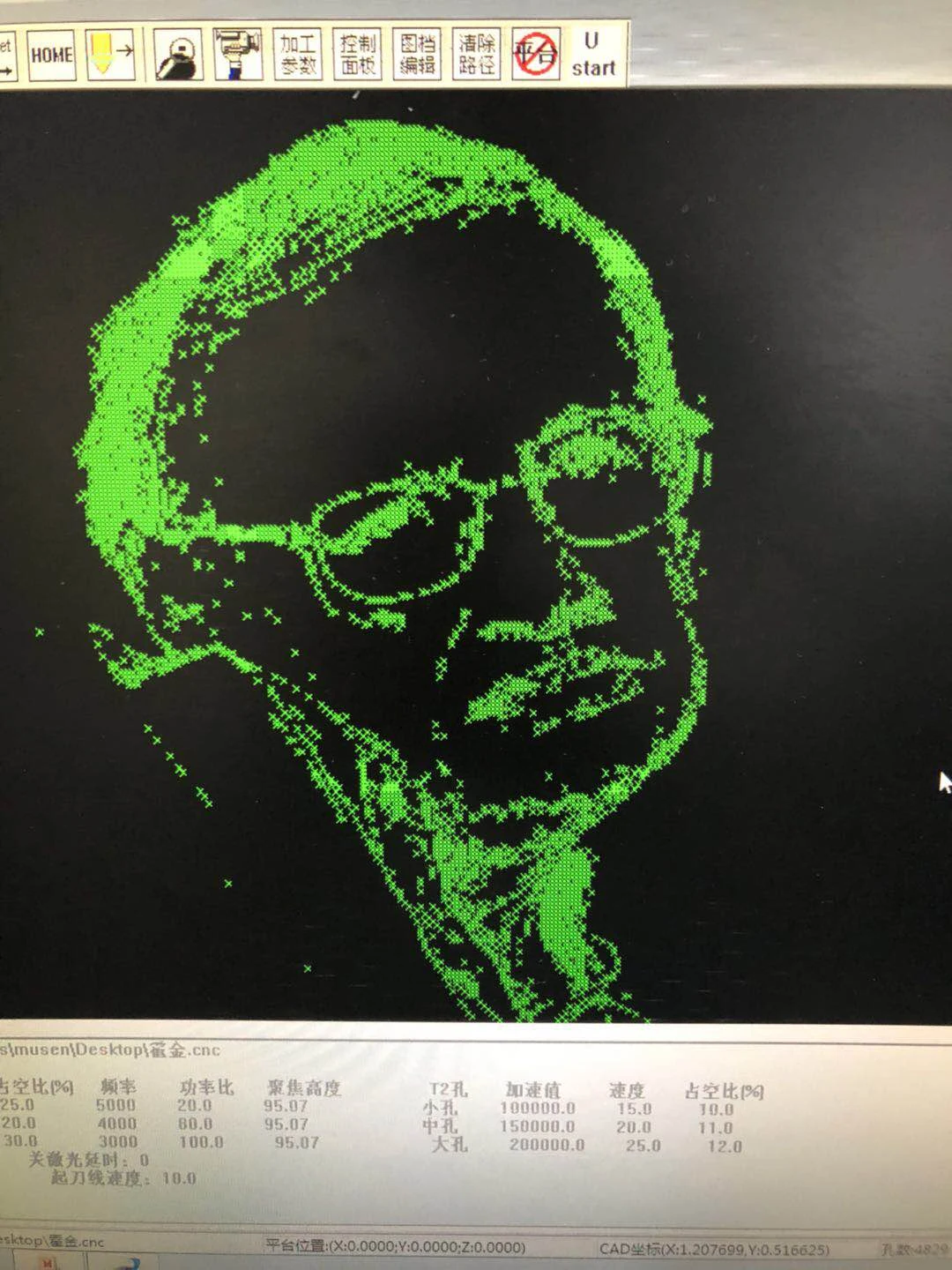
Use controlled droplet deposition to create dots, lines and patterned layers with EHD jet printing.
Read moreExplore public institutional records and research papers using TONGLI equipment.
Only selected links found publicly on customer websites are listed here. Information without customer consent has not been disclosed.
Equipment lists, shared-instrument records and procurement documents are described according to their original sources.
Configuration
Specify the polymer, solvent or melt, concentration and available viscosity data. This helps determine the feeding method, wetted materials, temperature control and ventilation requirements.
Include membrane width or tube dimensions, target thickness, fiber orientation and any supporting substrate. For direct writing, include the pattern, fiber spacing and intended number of layers.
Separate exploratory research from a validated production process. Tell us the required run time, sample quantity and available installation space so that feeding and collection can be sized appropriately.
Share your material, target structure and sample size. We can discuss a suitable platform and configuration.