
CA-02 · Accessories & Materials

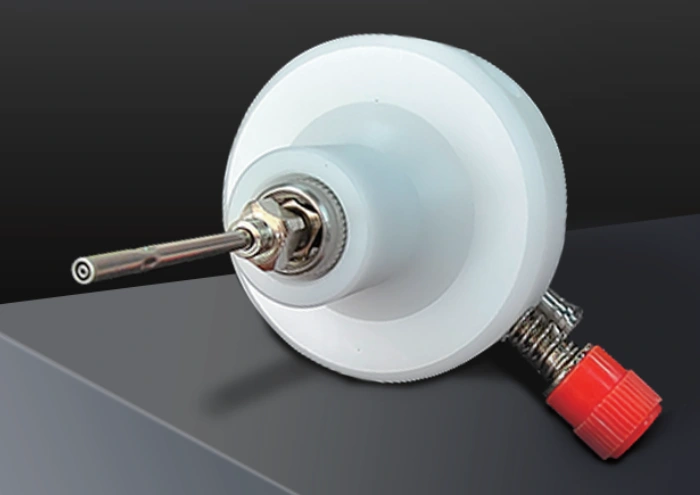
Coaxial spinneret for electrospinning

CA-02 combines two materials through concentric inner and outer needles for core-shell and hollow fiber electrospinning. Choose interchangeable needle combinations to suit your materials and solution viscosities.

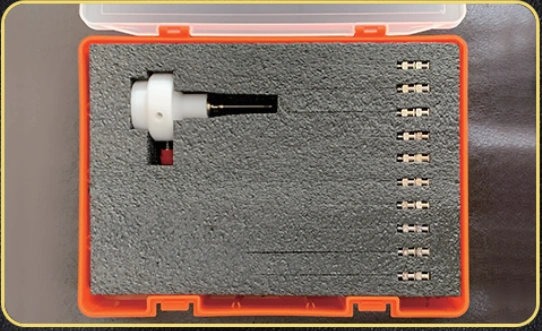
CA-02 coaxial spinneretEnlarge image ↗
CA-02 coaxial spinneret

Design & connections

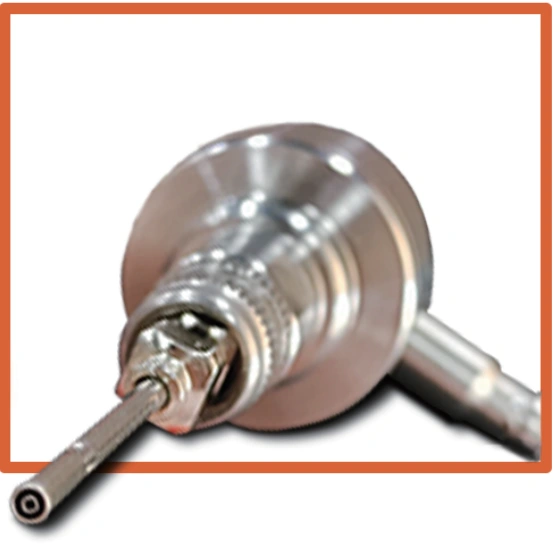
Stainless-steel needle assemblyEnlarge image ↗
Stainless-steel needle assembly
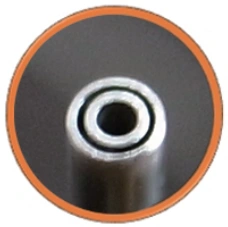
Concentric inner and outer tipsEnlarge image ↗
Concentric inner and outer tips

Two flow paths, one coaxial tip.

The elongated needle design supports electrospinning at lower operating voltages. Concentric inner and outer needles keep the two material streams aligned. The needle-tip length difference is adjustable up to 1.5 mm.
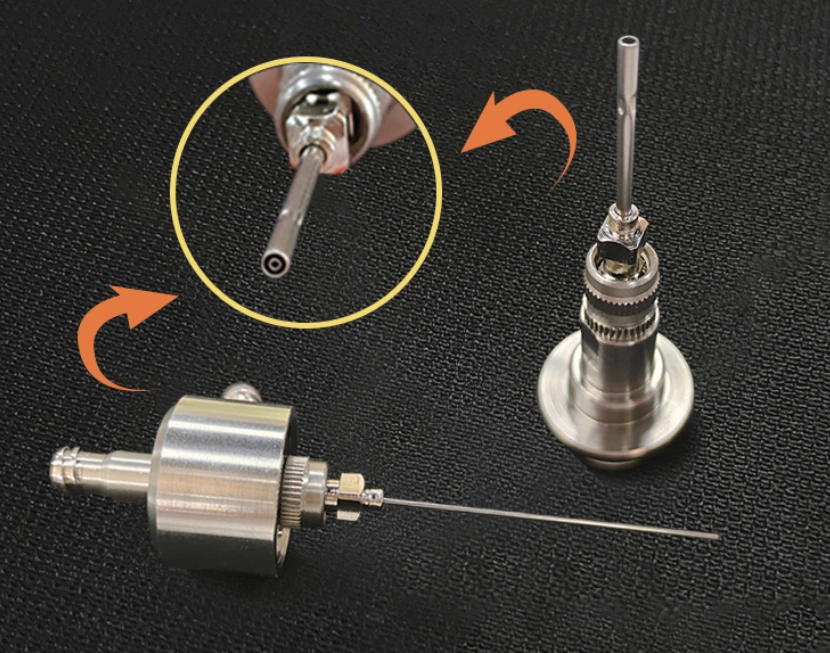
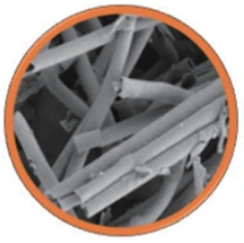
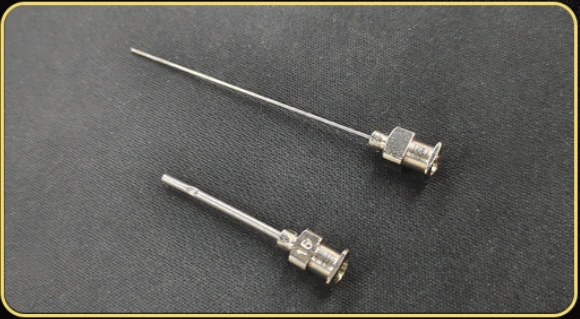
Replaceable inner and outer needlesEnlarge image ↗
Replaceable inner and outer needles

Change needles and clean individual parts.

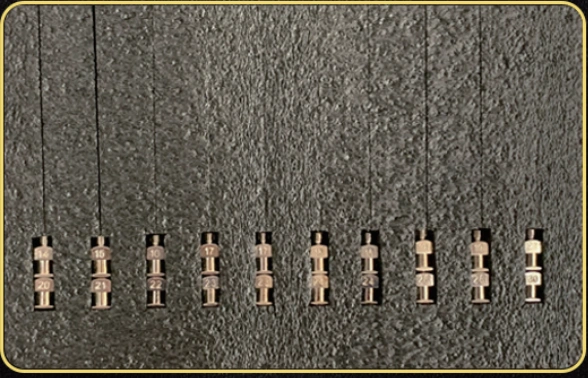
Inner and outer needles can be replaced independently. Select a combination for the viscosity of each solution, or request custom dimensions. The assembly comes apart for cleaning and is designed to use a small quantity of solution.

Connect and position the spinneret.

The spinneret uses stainless-steel and polypropylene Luer lock connectors with PTFE tubing. An insulating holder allows adjustment of the spinning angle and height.

Needle combinations

The following inner/outer needle combinations are listed for this spinneret. Custom specifications and dimensions are also available.

Inner needleOuter needle
20G14G
14G10G
21G15G
15G11G
22G16G
16G12G
23G17G
17G13G
24G18G
18G14G
26G19G
19G15G

Fiber structures

Fiber morphologyEnlarge image ↗
Fiber morphology
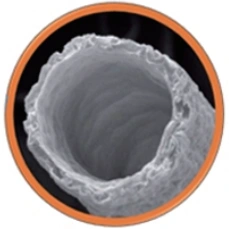
Hollow fiber cross-sectionEnlarge image ↗
Hollow fiber cross-section

Combine polymers in core-shell or hollow fibers.

Coaxial electrospinning brings polymers with different properties into a single fiber structure. Applications include core-shell nanofibers, hollow nanofibers and microfibers. The photographs illustrate fiber morphology and a hollow cross-section.

Tell us what you want to make.

Share your material, target structure and sample size. We can discuss a suitable platform and configuration.

Discuss your application