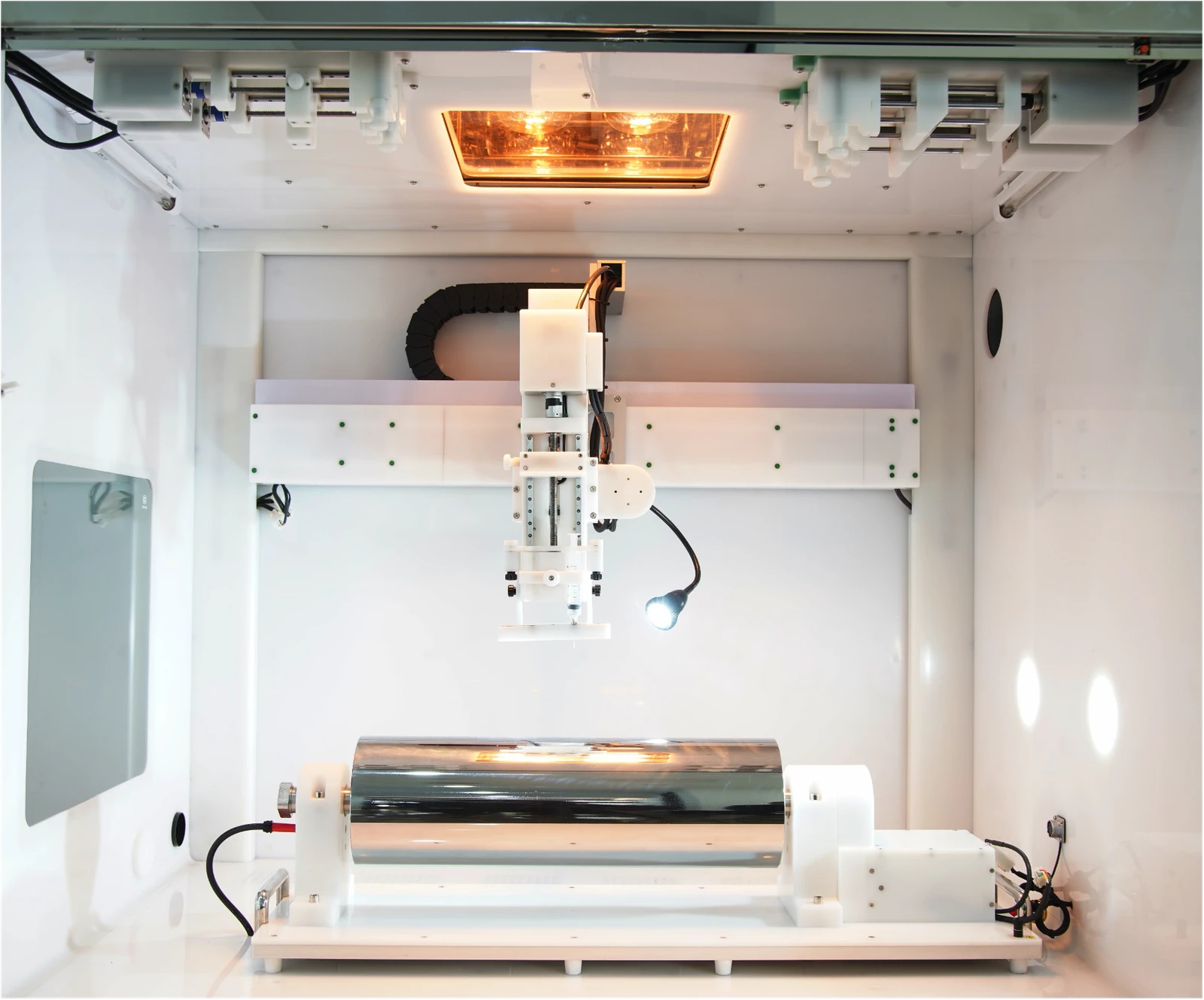
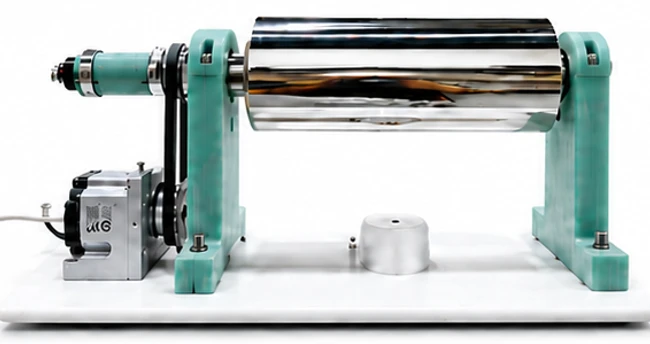
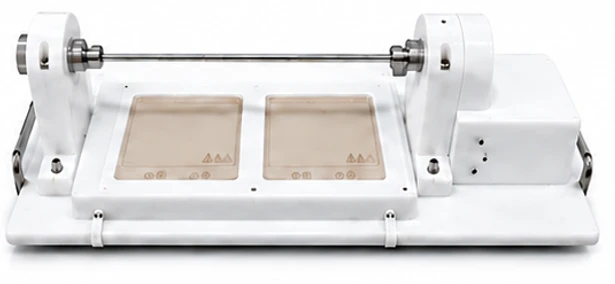
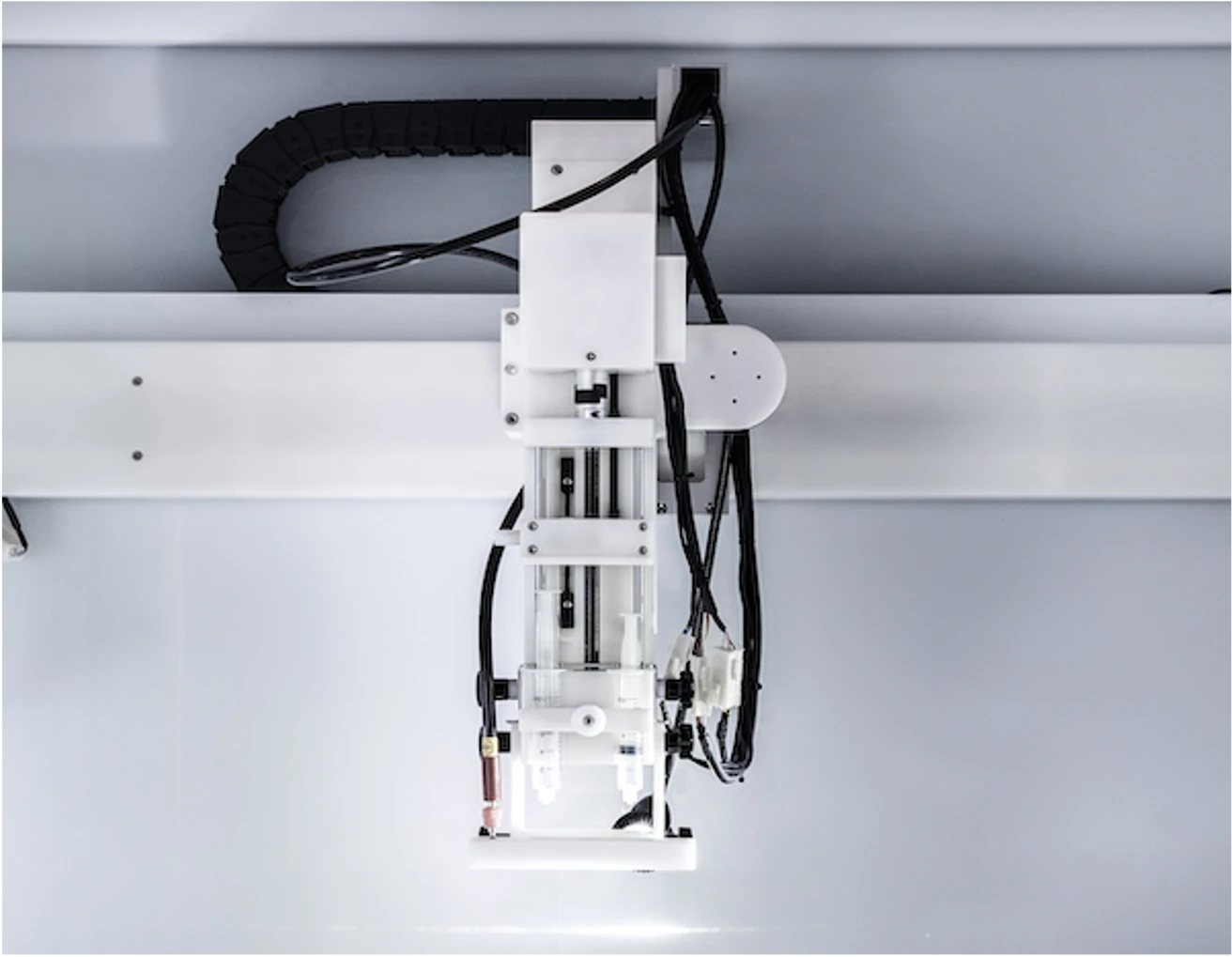
Configure the system for your process. The modules below include standard and optional configurations; the final module list is agreed for each order.
01
Platform & configuration Interchangeable modules support research, process validation and pilot production. Environmental control, programmable motion, saved recipes and experiment logs help reproduce process settings.
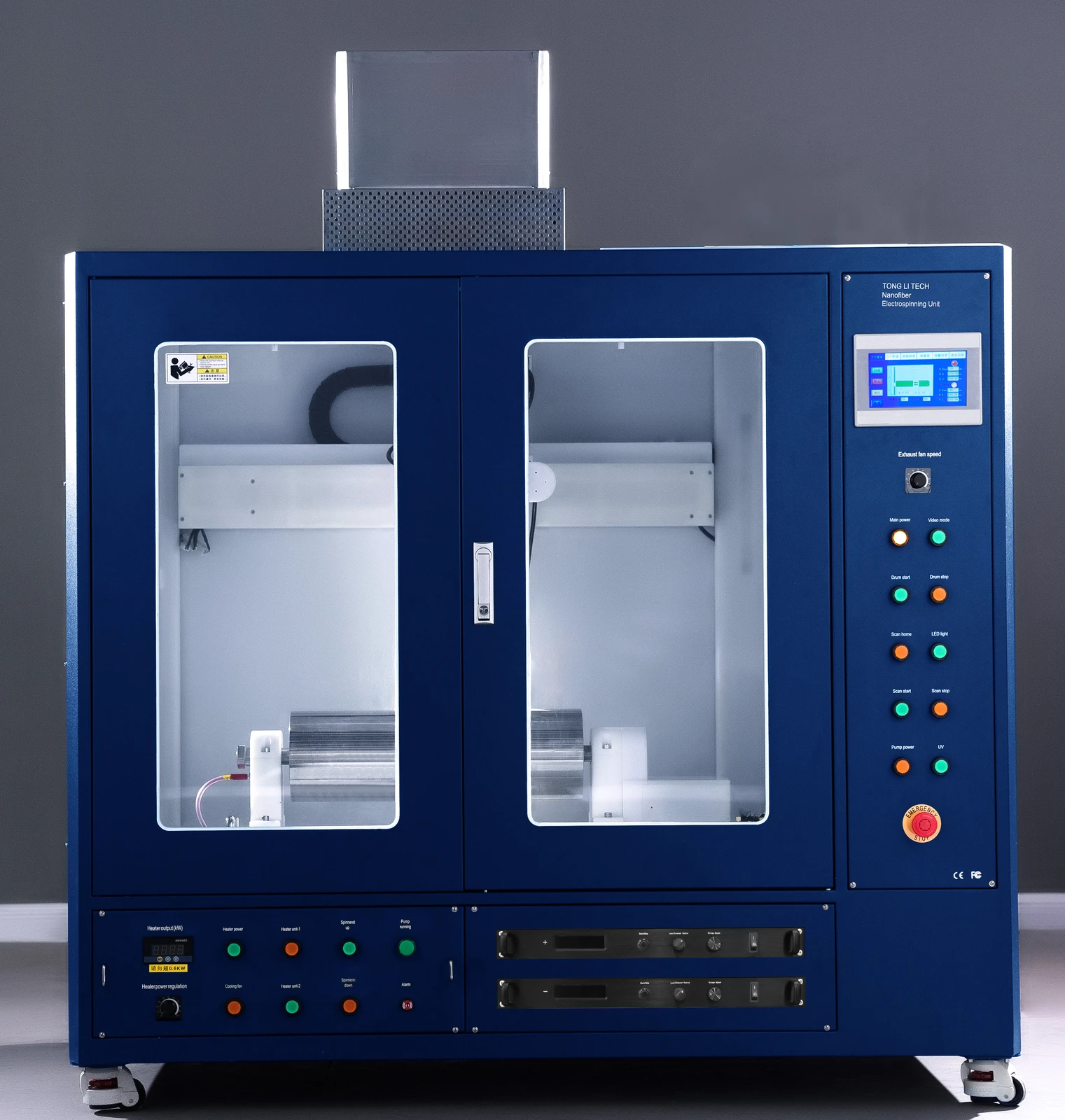
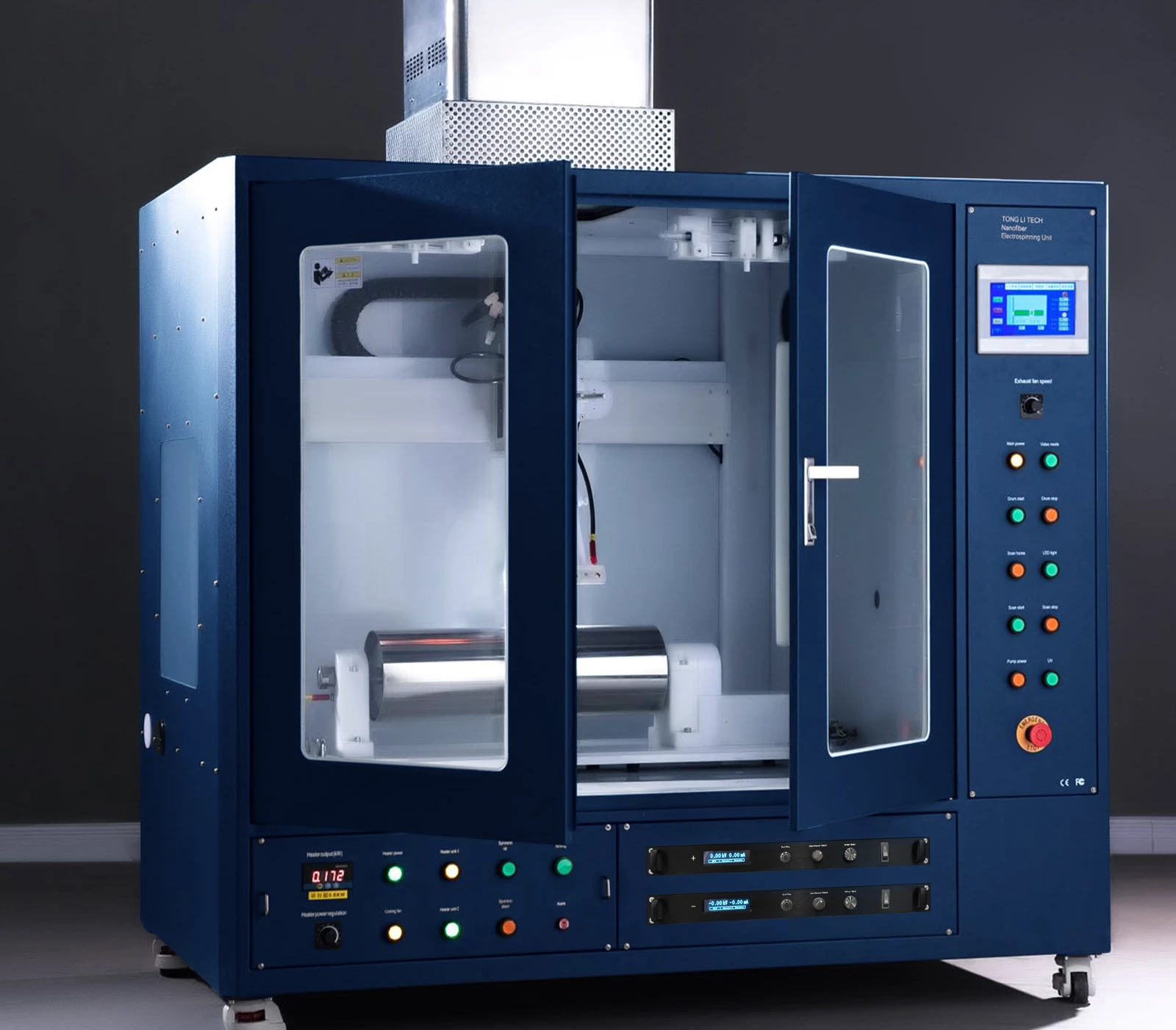
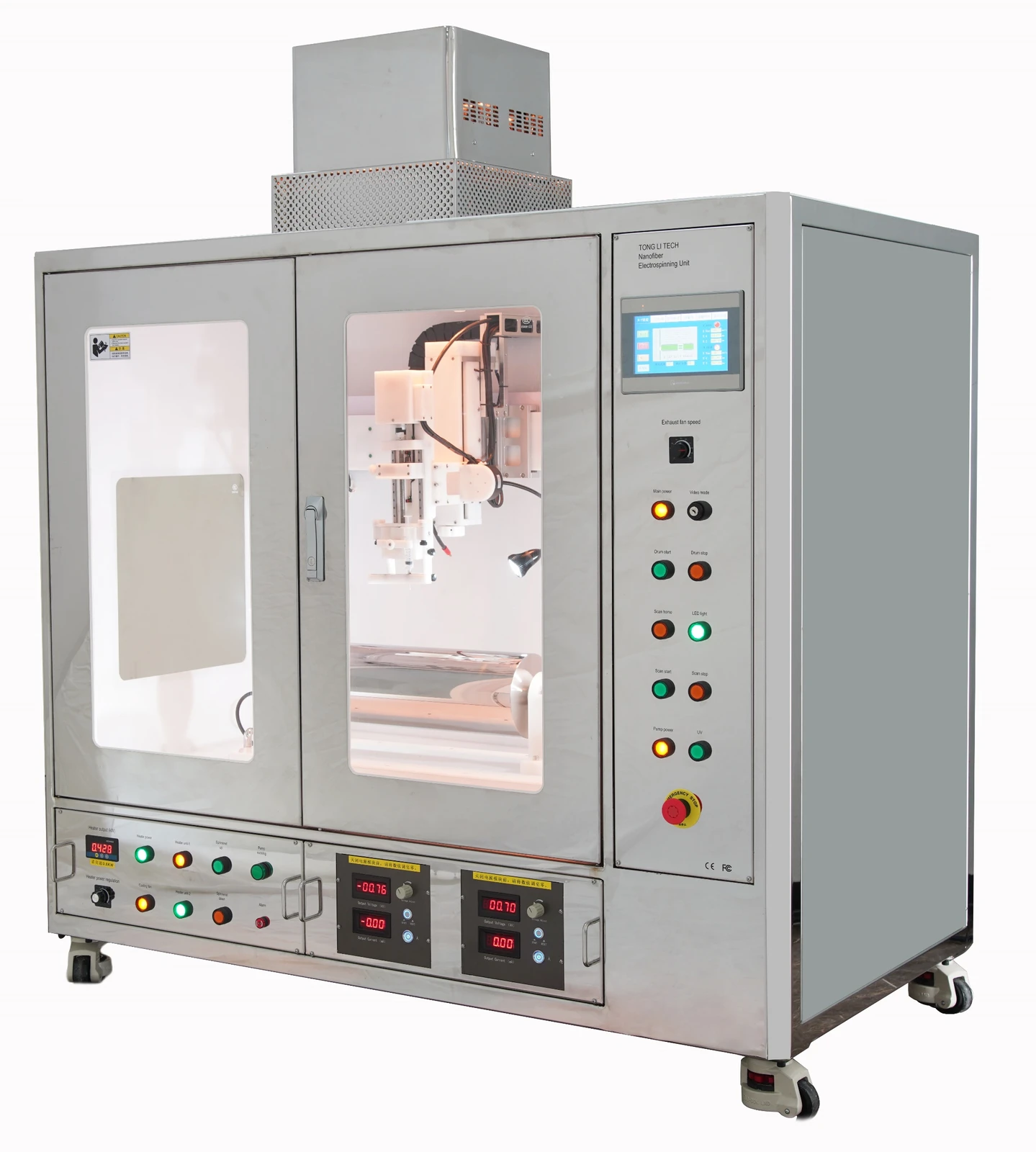
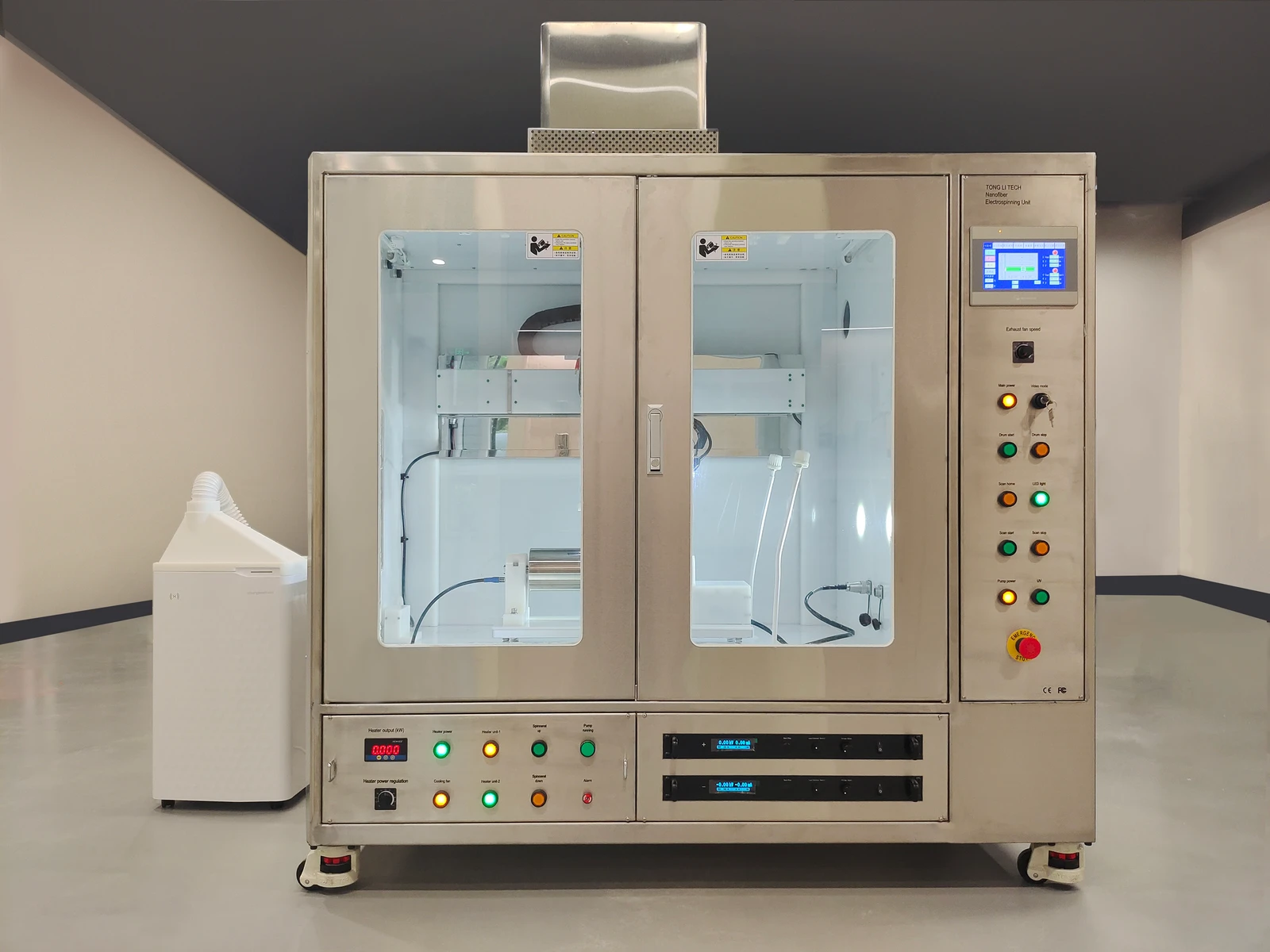
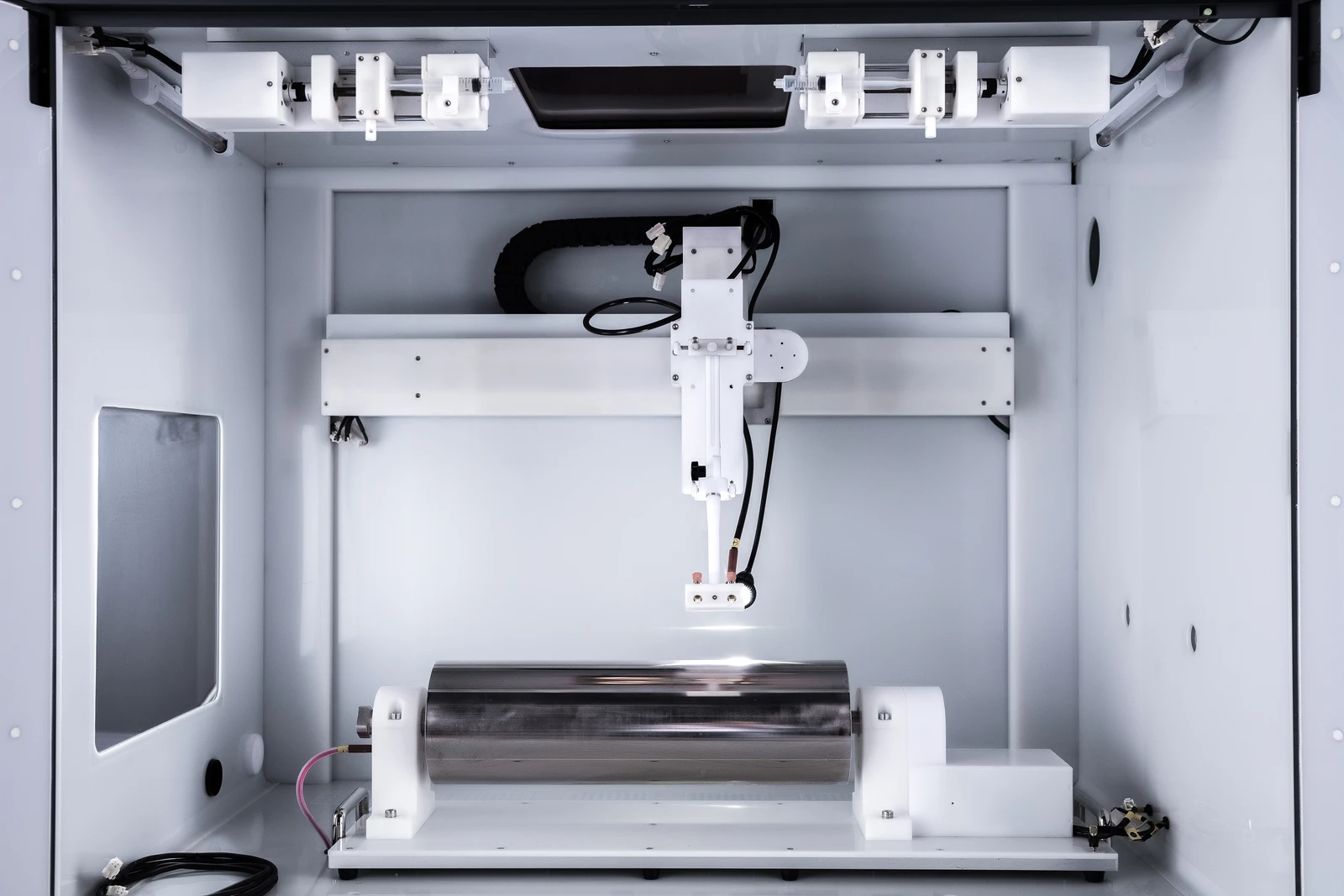
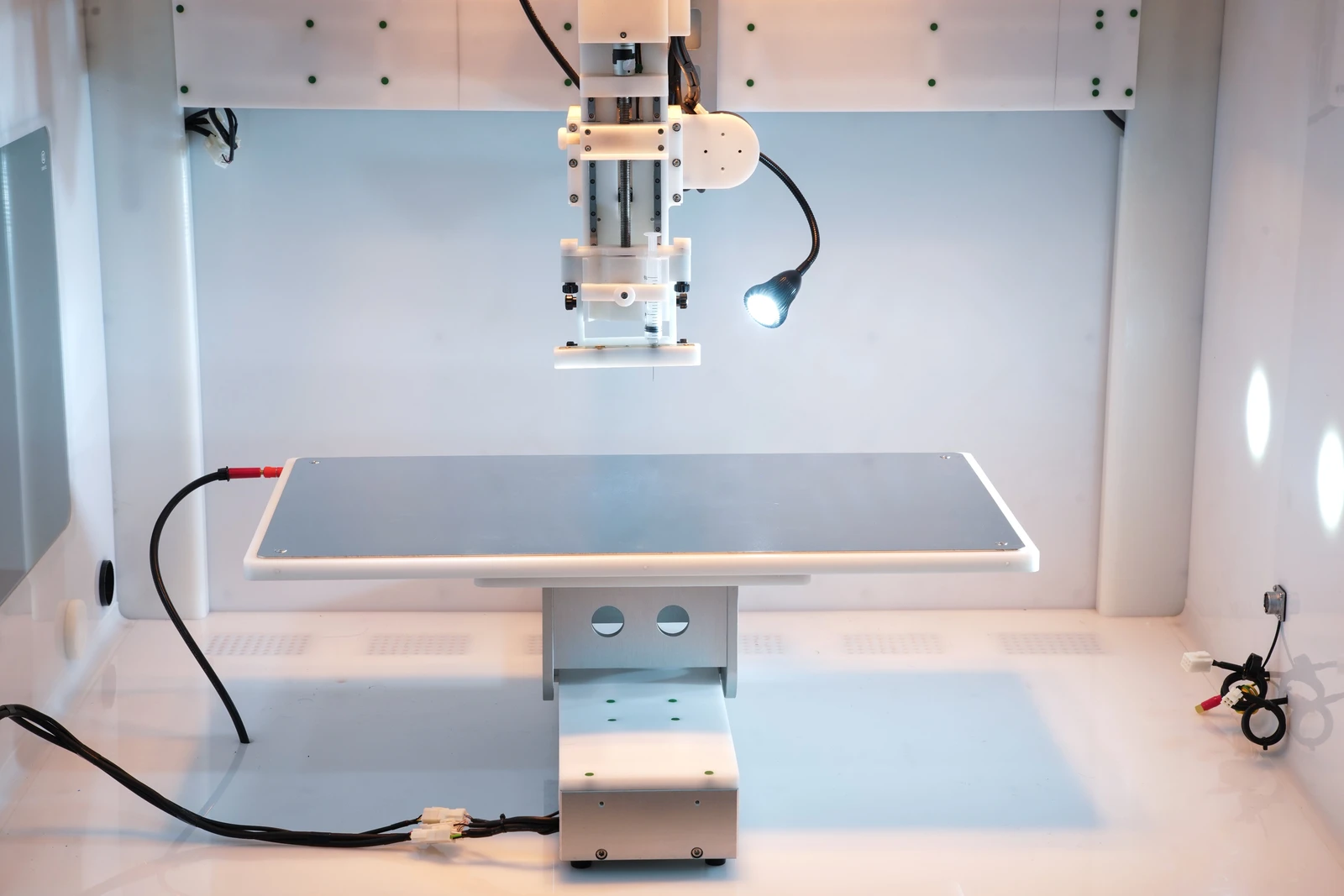
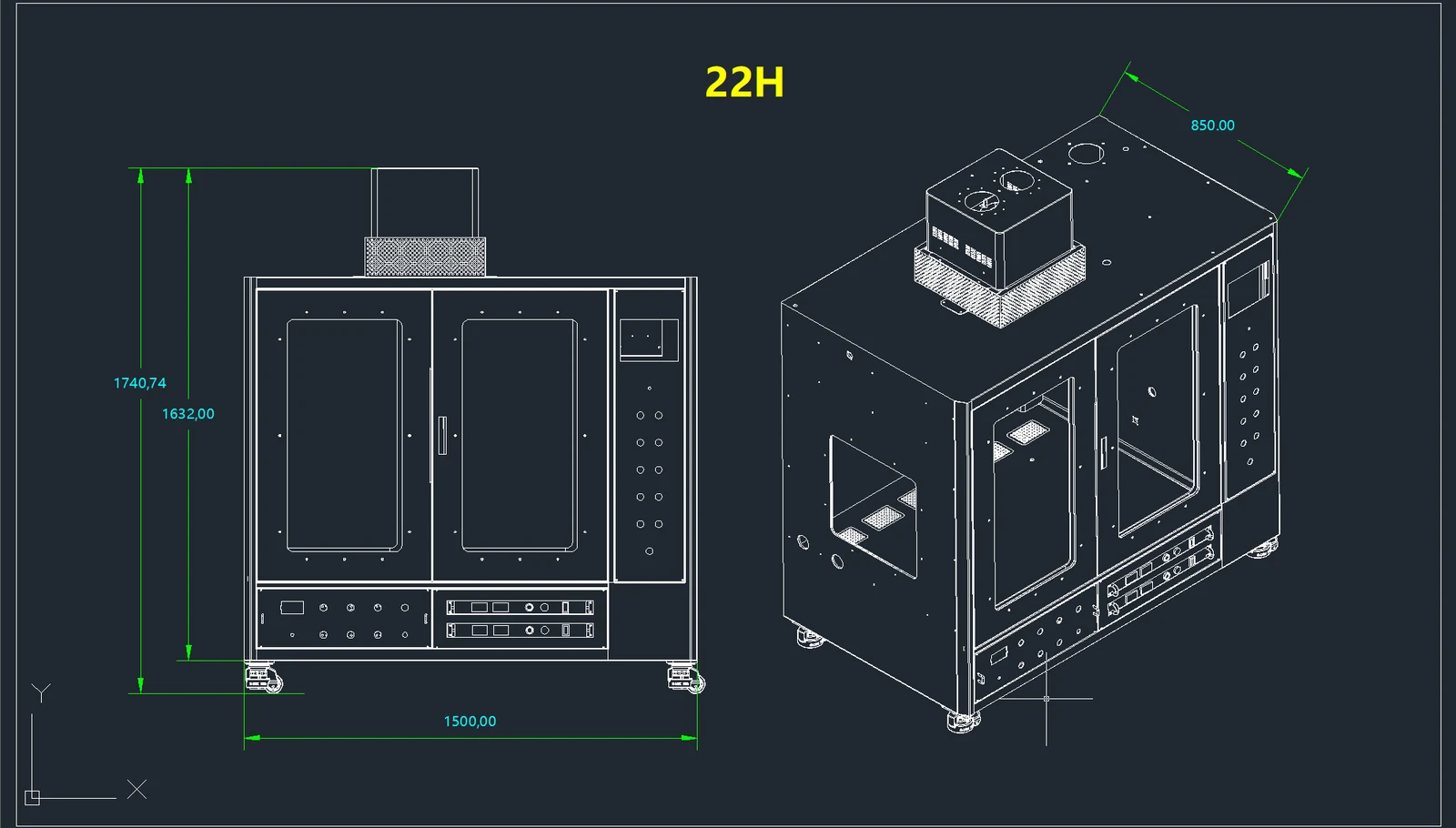
General laboratory platform↓ Biomedical cleanroom platform↓ General laboratory platform TL-OMNI has a dark-blue powder-coated enclosure for research, process validation and small batches. Produce flat membranes up to 500 mm wide, tubular membranes and 3D structures. Interchangeable spinnerets, collectors and process modules extend its capabilities. Biomedical cleanroom platform TL-OMNI-BM uses SS304 / 316 stainless-steel construction for biomedical manufacturing environments. Used in production validation for implantable products. Supports process customization, automation and production-line integration, with modular spinnerets and collectors. Key specifications Parameter Specification High-voltage configuration ±30 kV bipolar supplies; 50 kV configurations available Fluid delivery 2-channel syringe pump plus 4-channel high-capacity pump configuration Flow rate 0.02–99.99 mL/h Flow setting resolution 0.01 mL/h Maximum thrust 353 N Chamber temperature Room temperature to approximately 45°C Humidity control 20–70% RH Exhaust airflow 150 m³/h Dimensions, W × D × H 1500 × 850 × 1740.74 mm Power supply / rated power 220 V / 50 Hz / 1 kW Water connection Not required
02
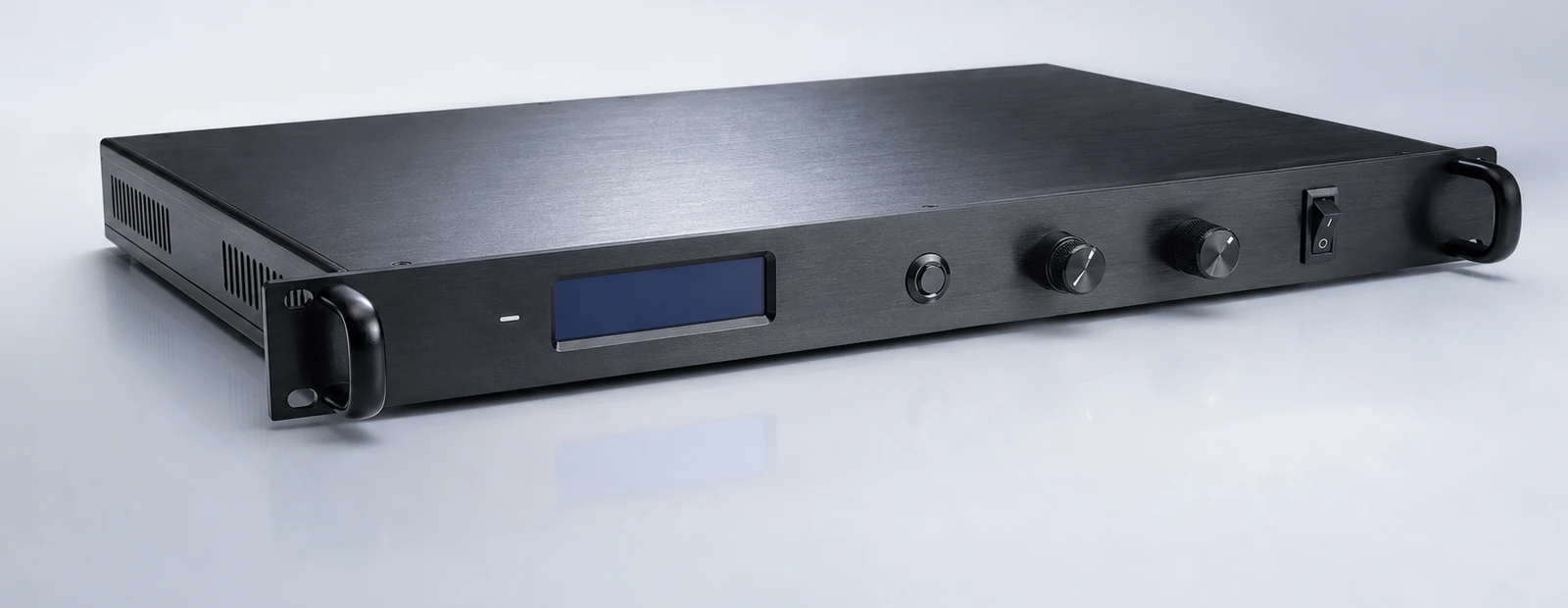
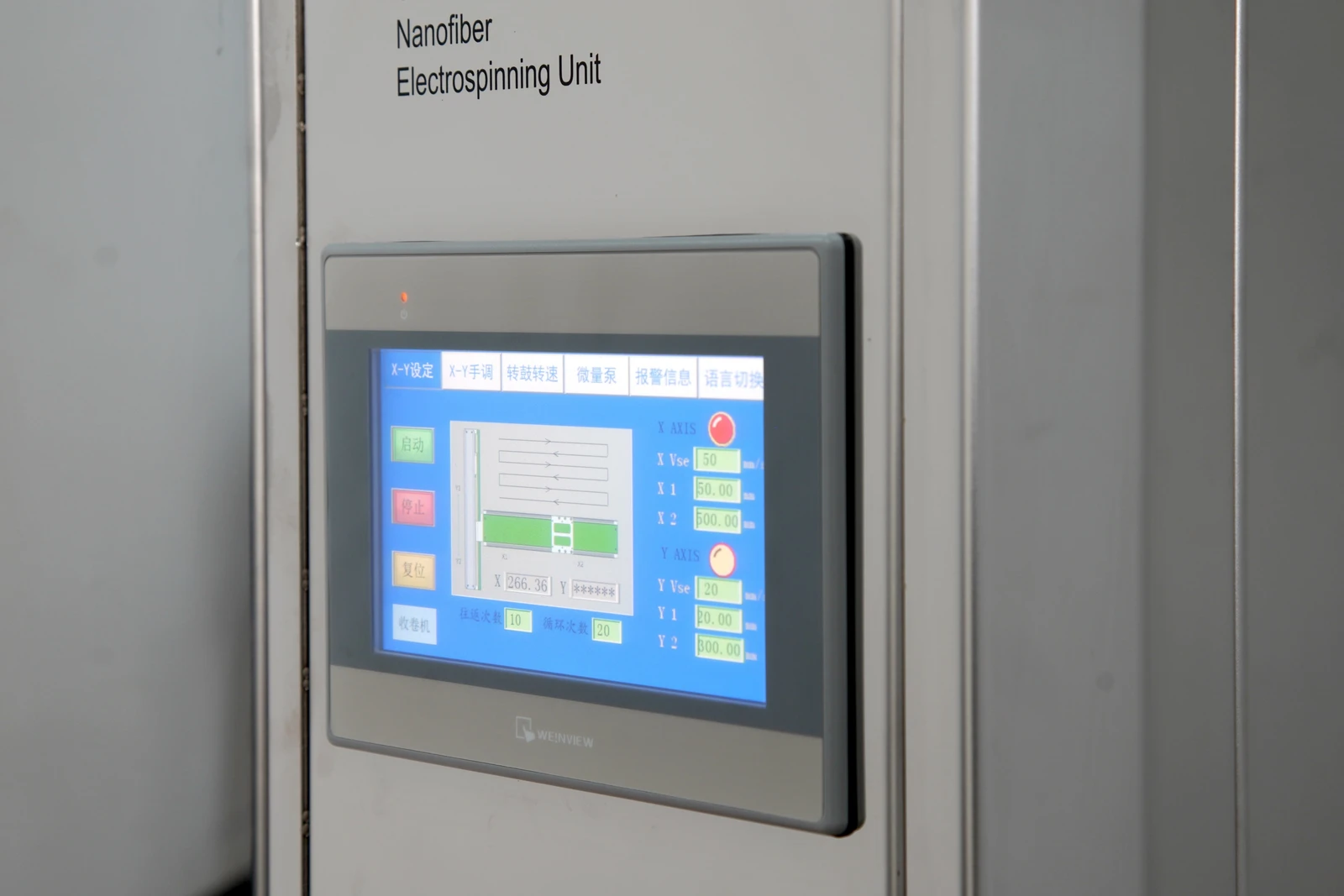
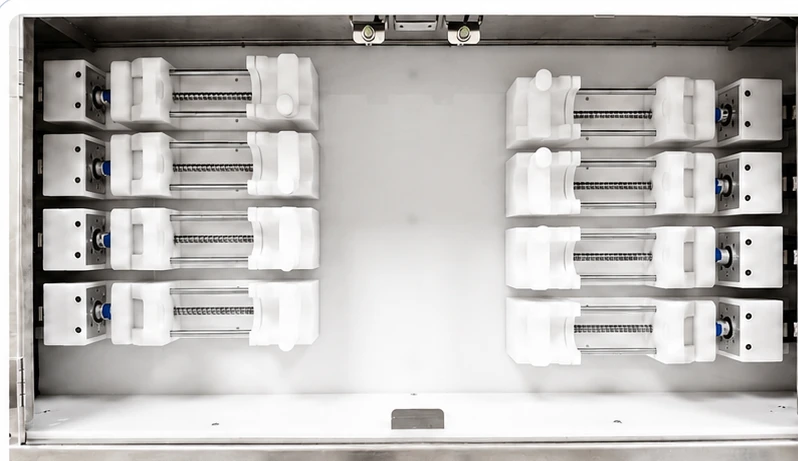
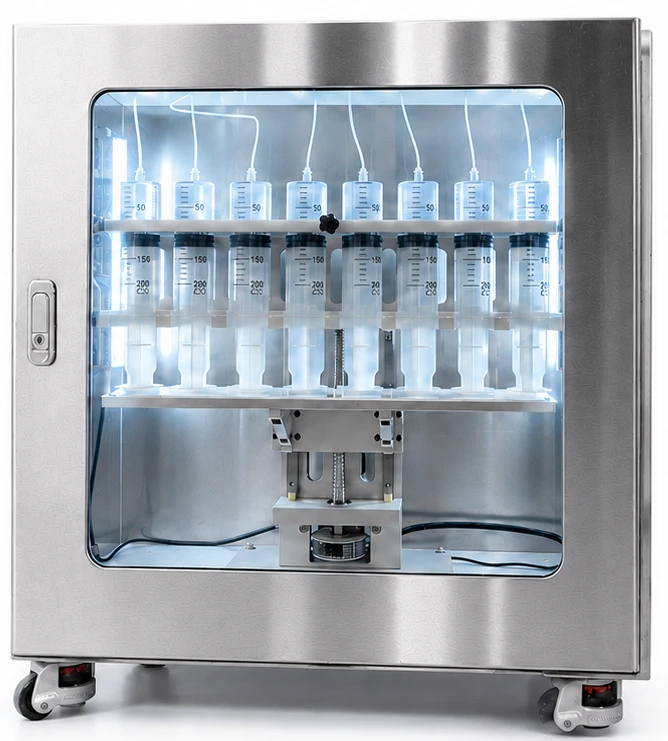
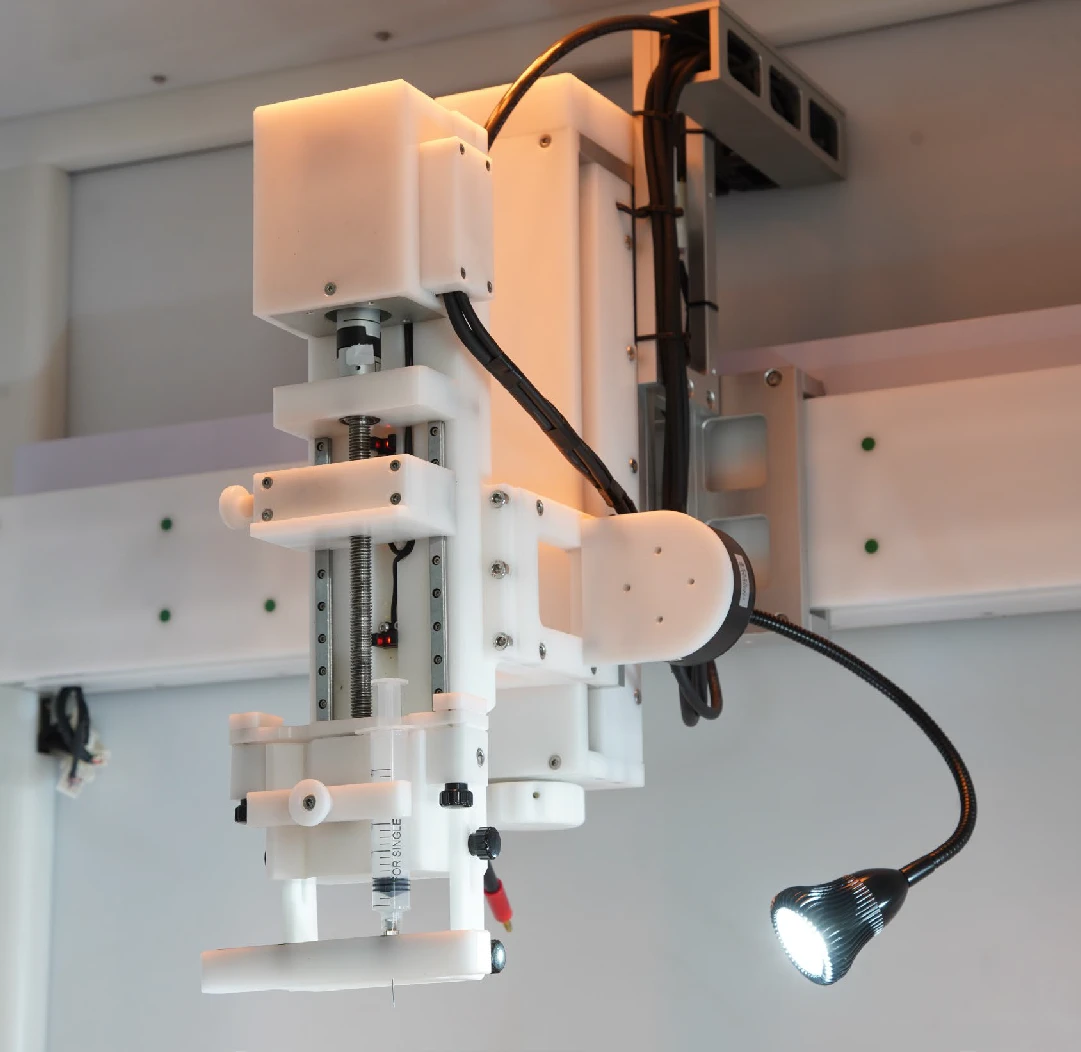
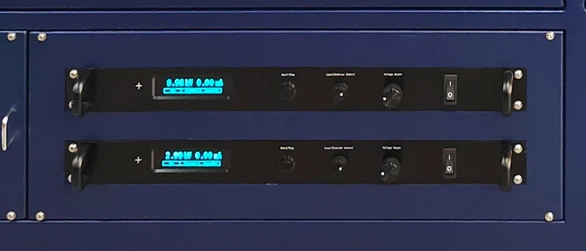
Control & environment Bipolar high-voltage supplies↓ Integrated digital control↓ Servo syringe pump↓ Standalone high-capacity pump↓ Humidity control↓ Dust-free chamber heating↓ Rotary collector heating↓ Bipolar high-voltage supplies ±30 kV configuration, with options up to 50 kV. One negative supply can work with multiple positive supplies. Real-time voltage monitoring supports stable output. Protection against overvoltage, overcurrent, arcing and short circuits, with industrial insulation and touchscreen/button operation. Integrated digital control Set voltage, flow, motion and environmental parameters centrally, including adjustments during a run. Touchscreen and button operation. Save and recall recipes, log experiments, and store or export data. Functions expand with the selected equipment configuration. Servo syringe pump Independent channel programming and expansion on request. Servo drive provides continuous fluid delivery, with high thrust for viscous fluids. High-voltage insulation isolates the pump for electrospinning operation. Standalone high-capacity pump Optional unit for pilot trials and long-duration delivery. Coordinated multiple channels support higher total throughput. Tubing connects the separate unit to the platform, multi-spinneret assemblies and continuous collectors. Humidity control Control range: 20–70% RH. Standard dehumidification reaches approximately 30% RH at room temperature; enhanced dehumidification reaches approximately 20% RH. Mist-free humidification reduces local moisture variation. Both units can be installed, but only one operates at a time. Dust-free chamber heating Continuously adjustable from room temperature to approximately 45°C. An external heat source preserves the electric-field distribution and heats a large working area evenly. Multi-zone control can extend to spinnerets and collectors. Rotary collector heating Optional independent heating for mandrels and drums. Mandrel maximum: approximately 60°C. Drum maximum: approximately 140°C. For low-volatility solvents and thermally assisted collection. 03
Spinnerets & motion Choose from parallel, coaxial, triaxial, sea-island and multi-needle designs. Options include five coaxial pairs, five triaxial sets, an 8–12-needle V-array, solution near-field writing, melt electrowriting up to 150°C and specialty ultrasonic heads.
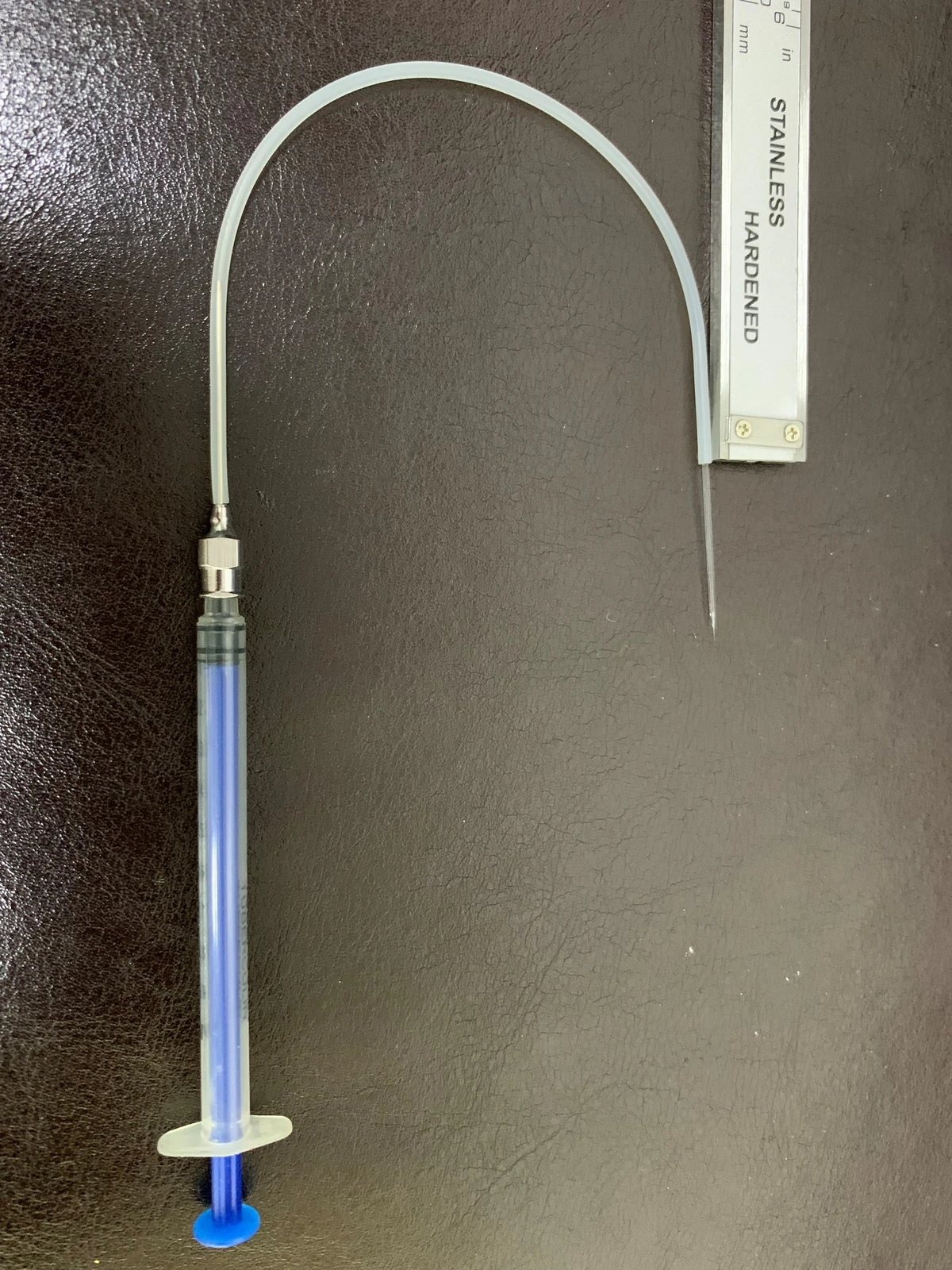
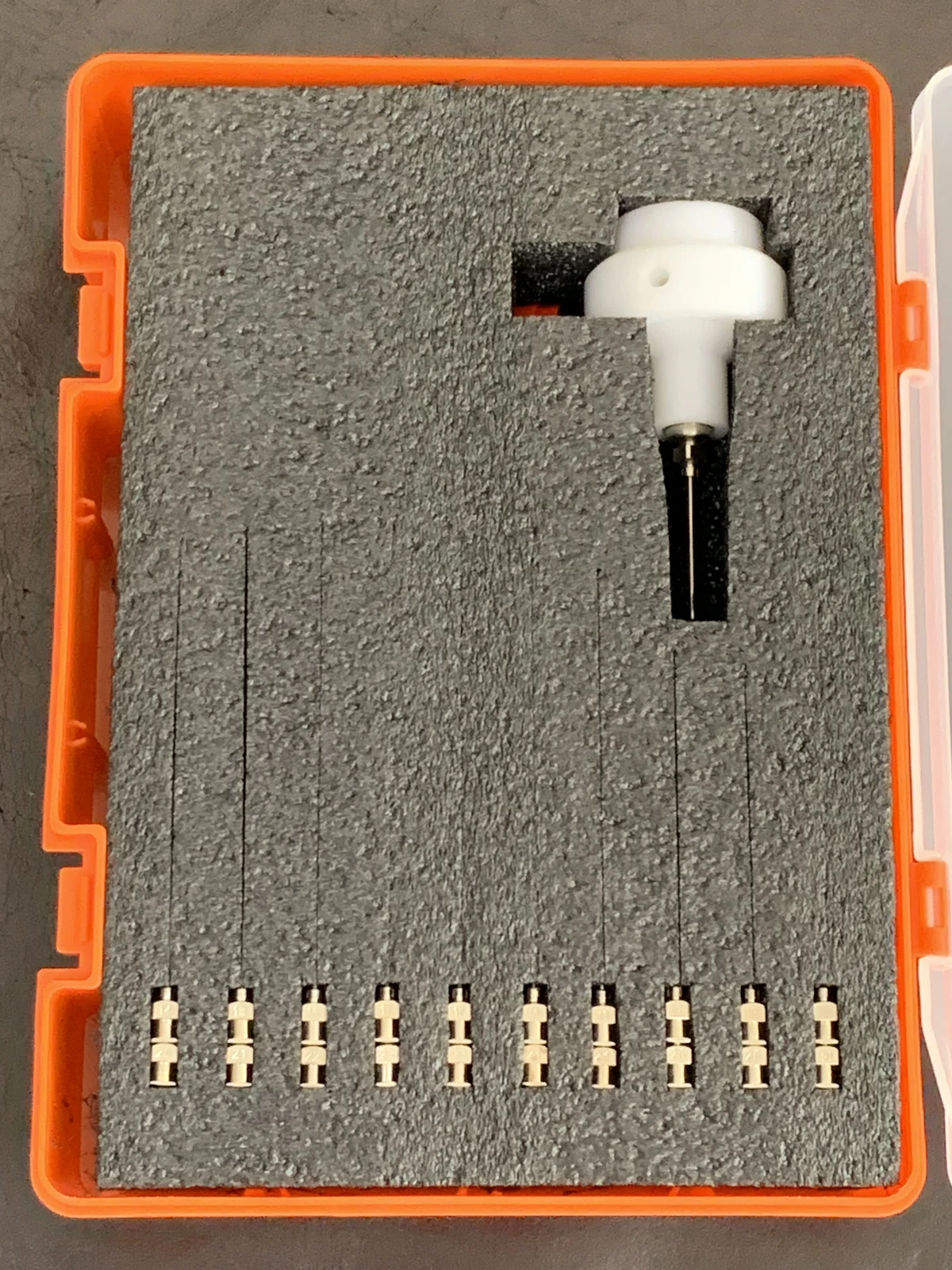
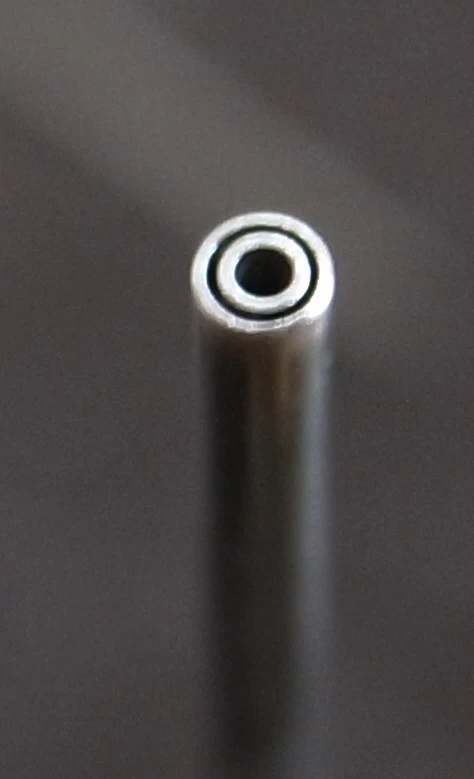
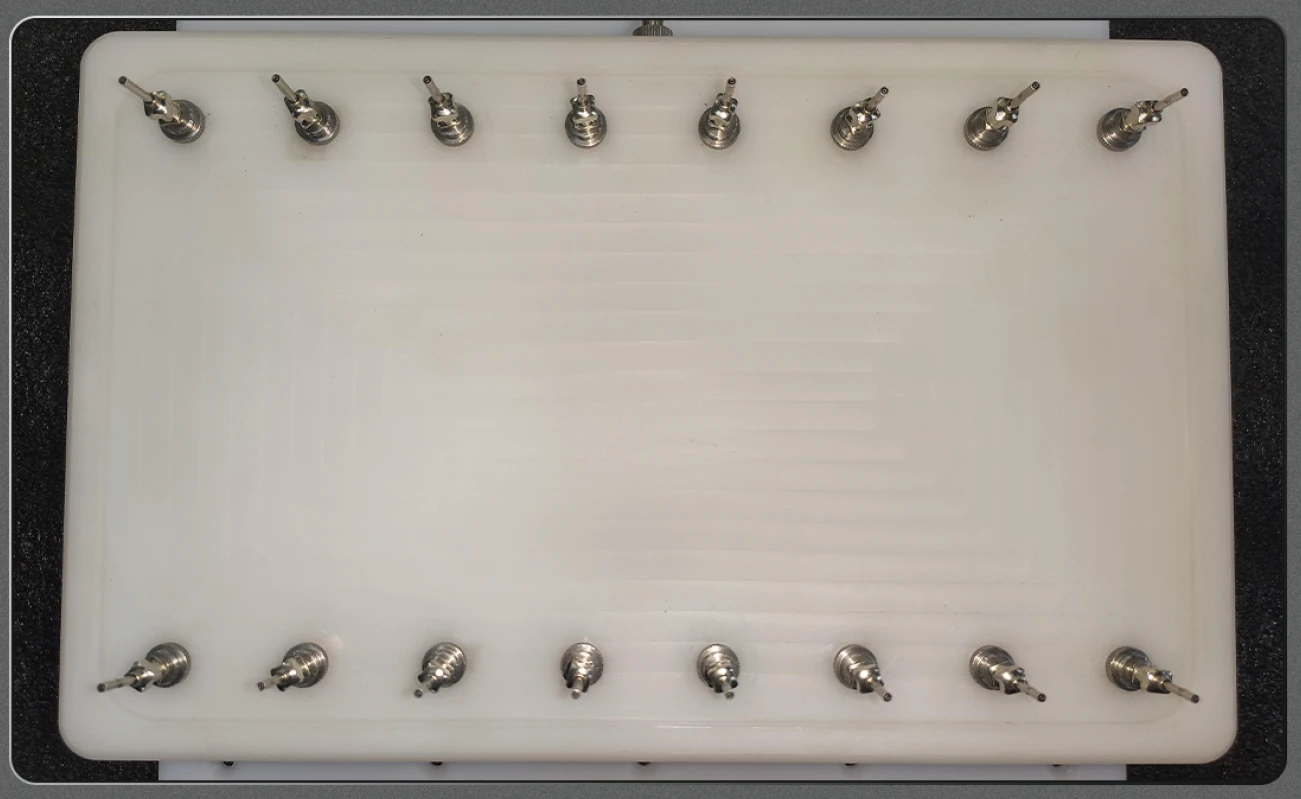
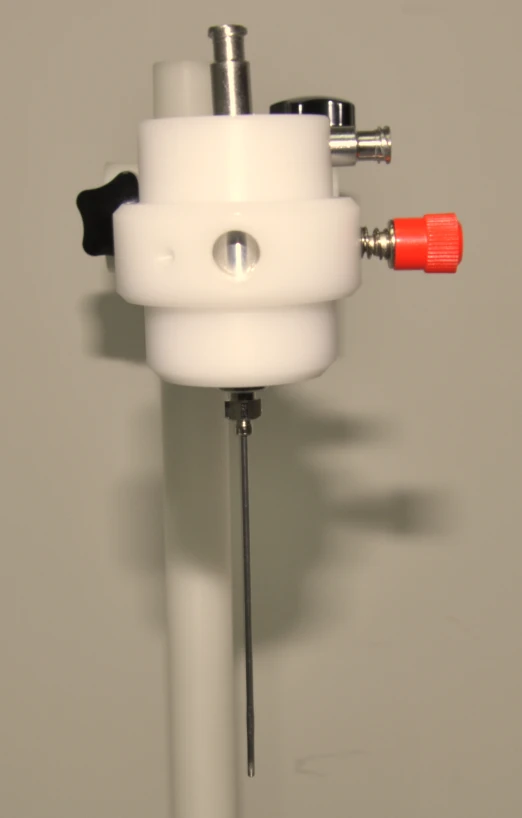
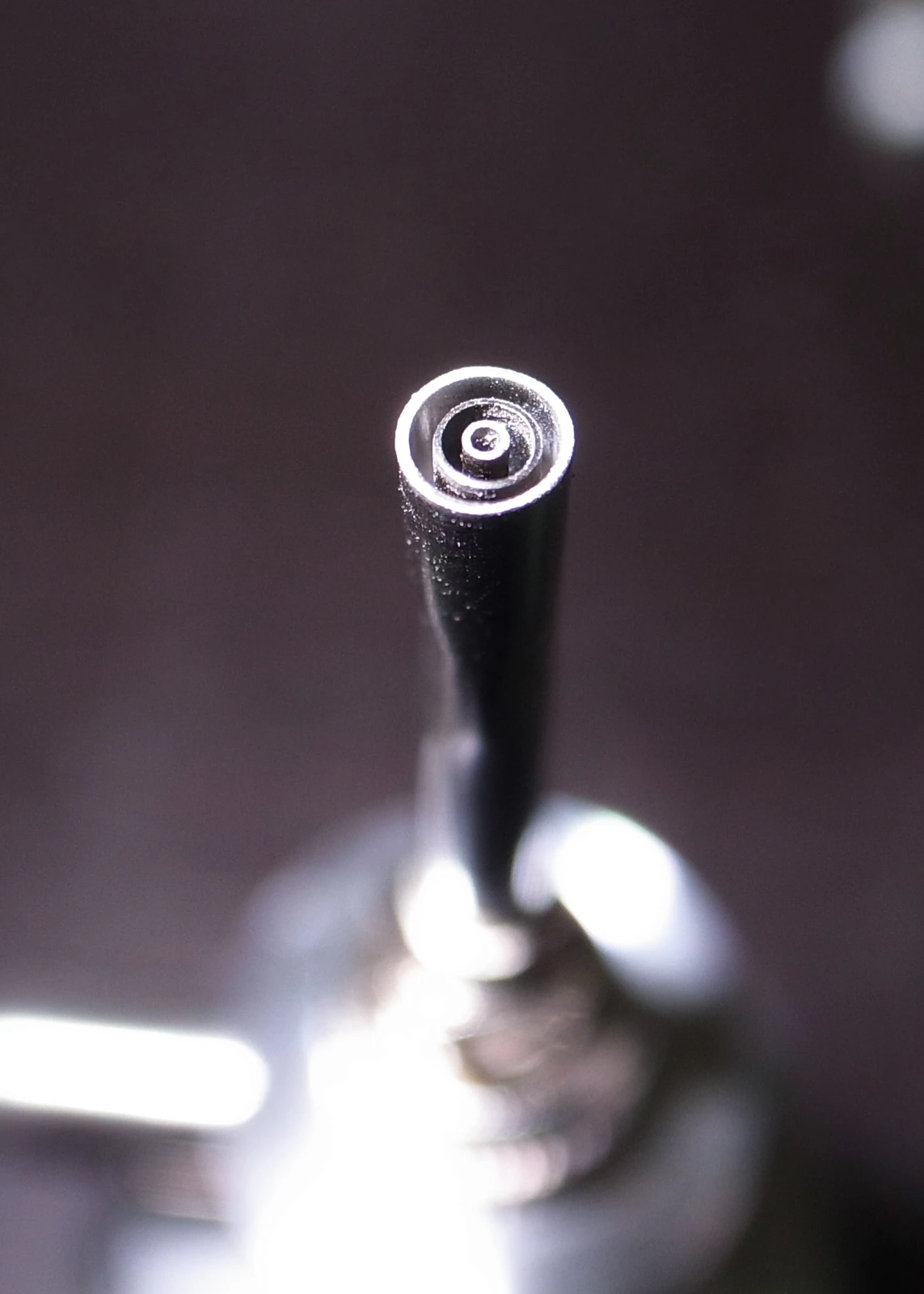
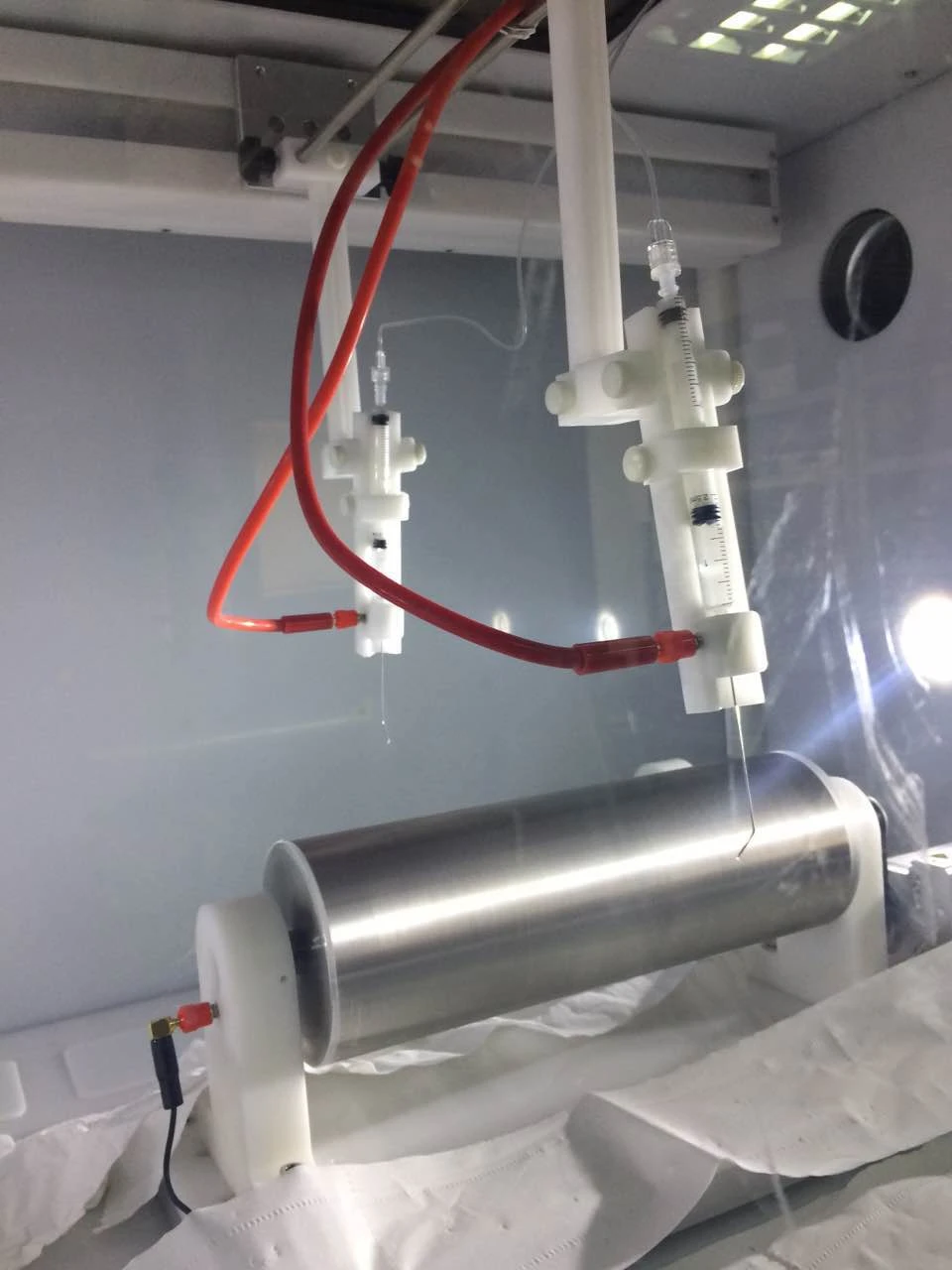
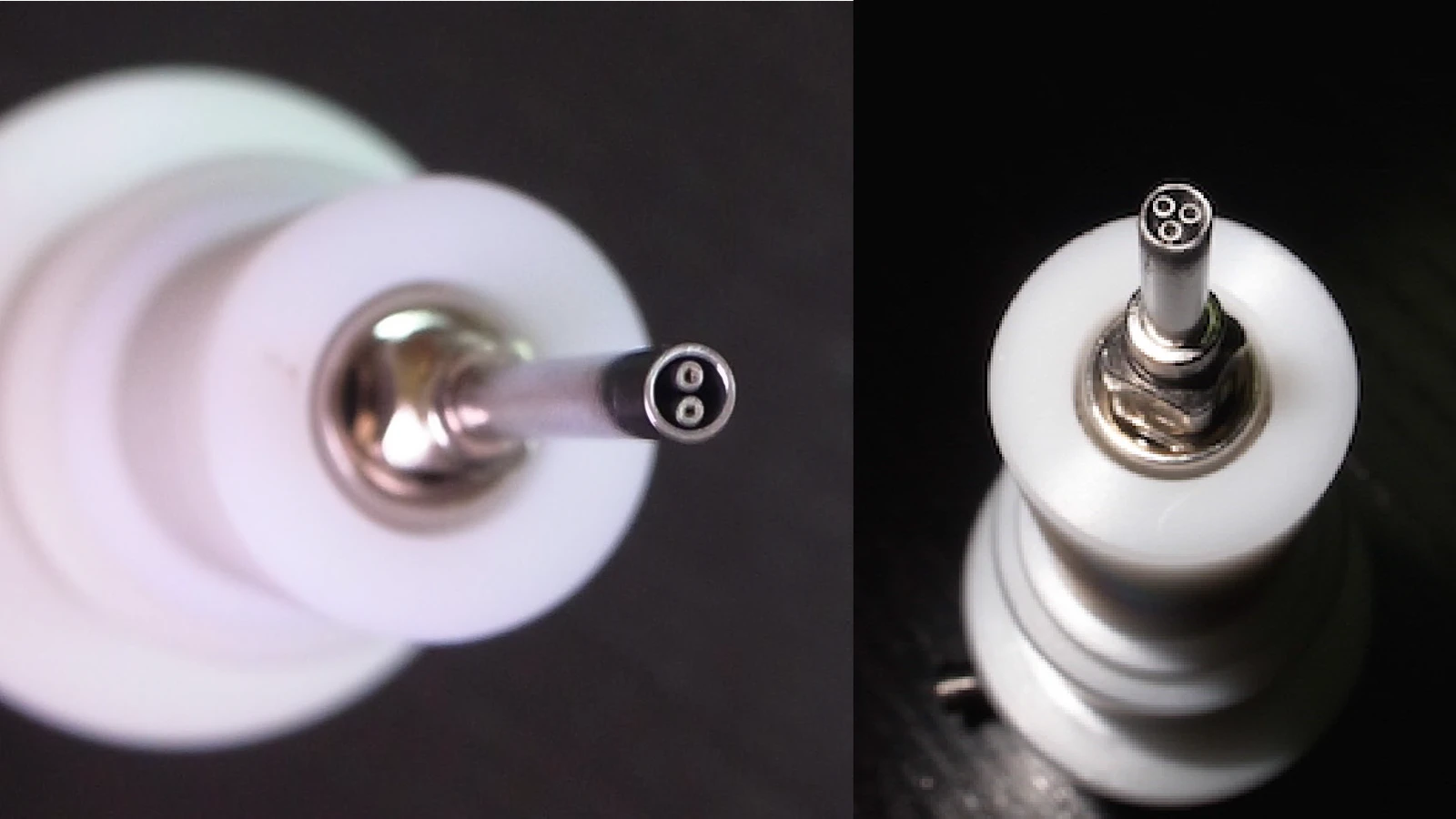
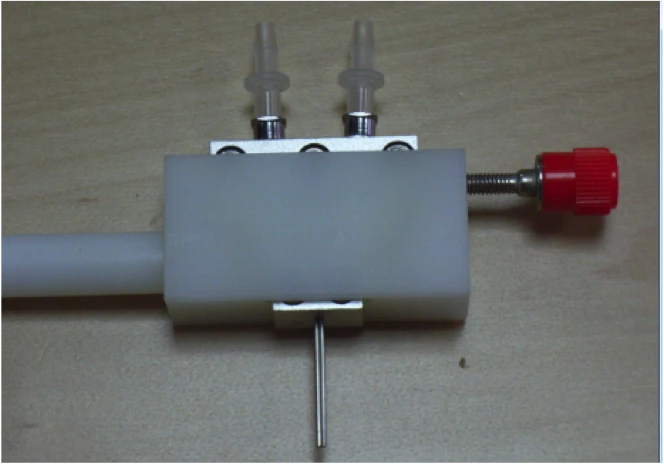
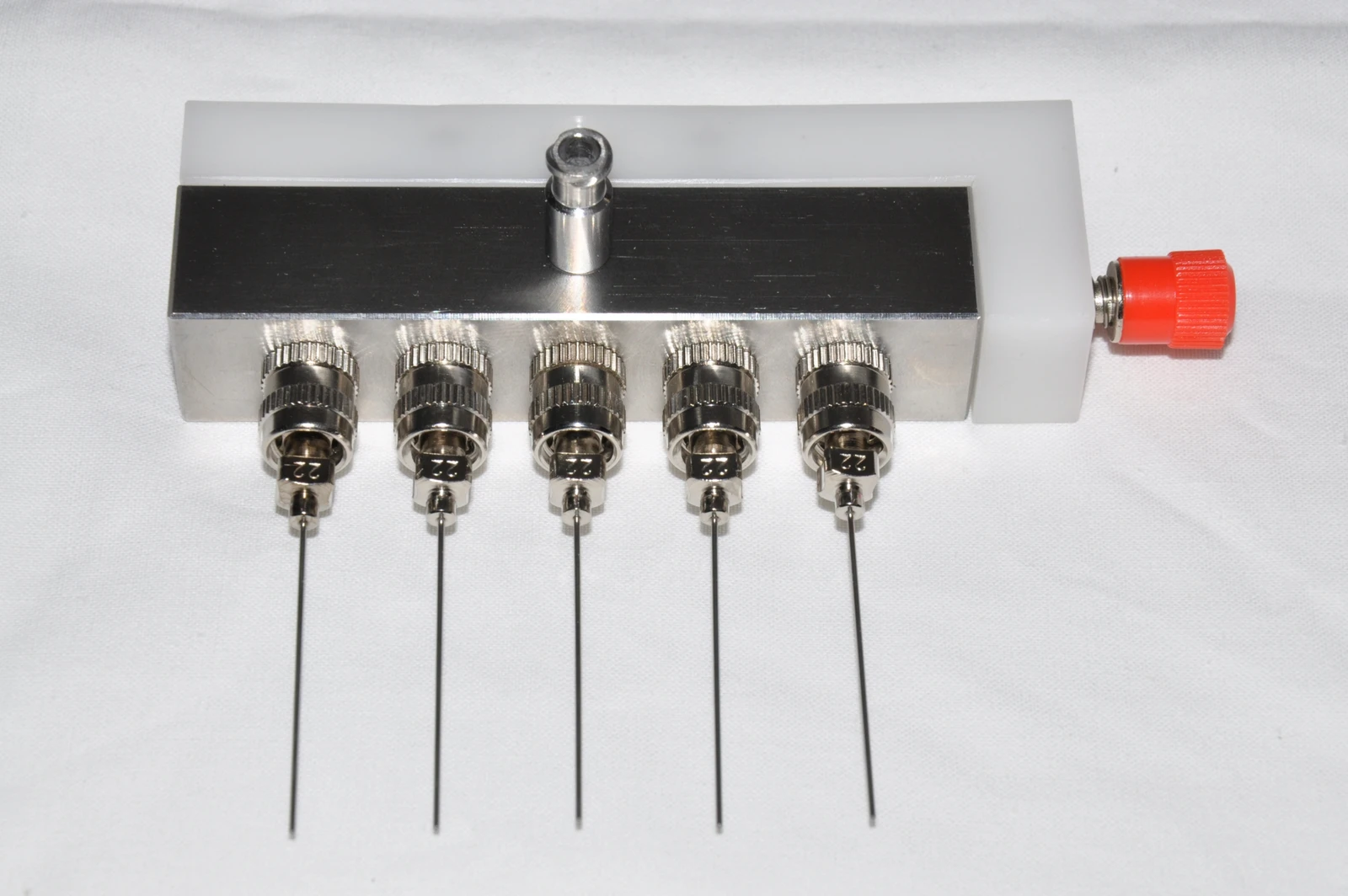
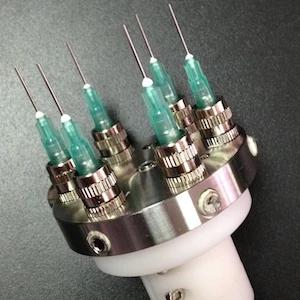
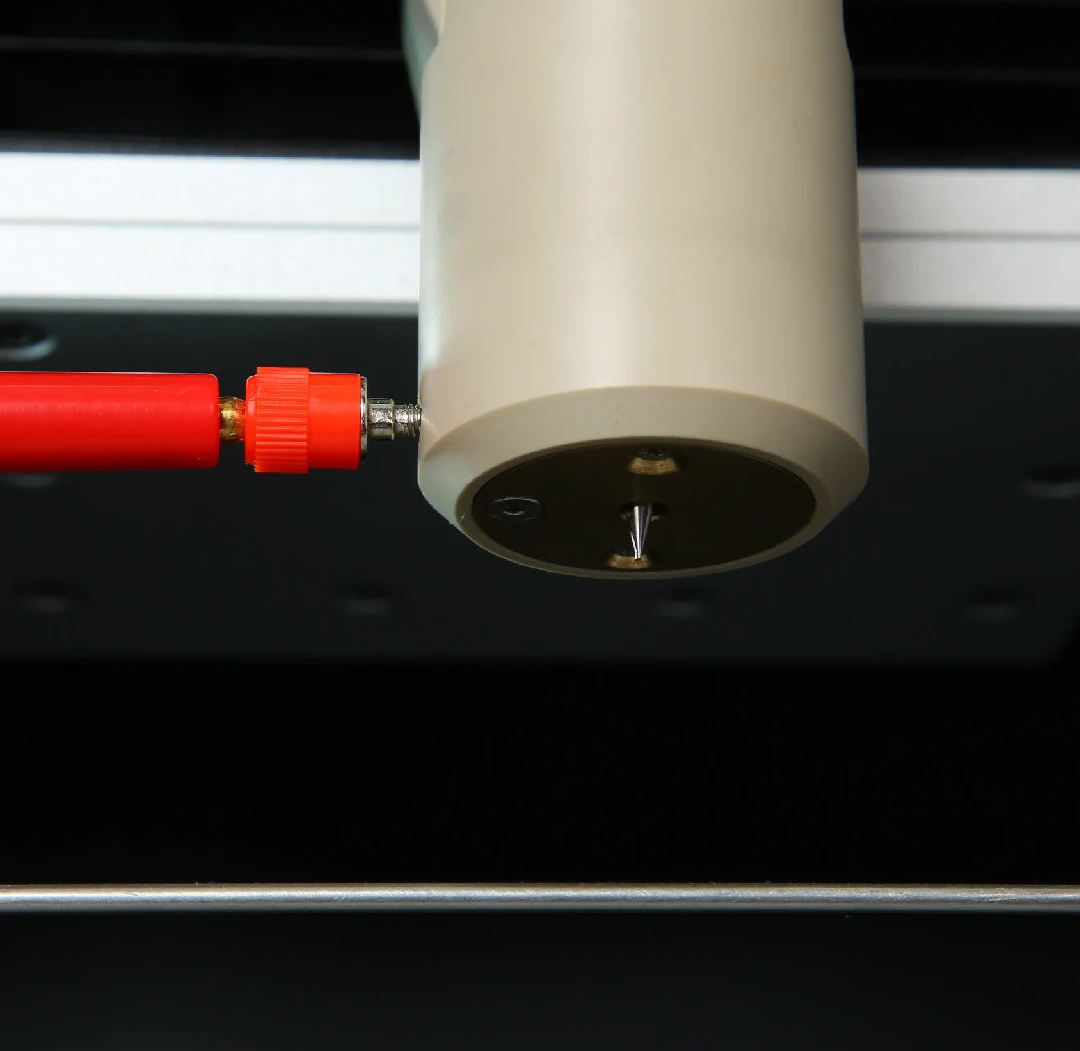
Low-volume dual parallel spinneret↓ Glass micro-spinneret↓ Coaxial spinneret↓ Annular and array coaxial spinnerets↓ Triaxial spinneret↓ Coaxial and triaxial needle combinations↓ V-array multi-needle spinneret↓ Conjugate spinneret↓ Sea-island multi-channel spinneret↓ Side-by-side spinneret↓ Linear, annular and array spinnerets↓ Automatic needle cleaning↓ Spinneret motion system↓ Low-volume dual parallel spinneret Start with approximately 0.5 mL of sample. Servo-controlled flow and direct syringe-to-needle connection reduce tubing dead volume and sample consumption. For precious samples and multicomponent research. Glass micro-spinneret Tip diameters: 1–45 μm. For fine fibers, near-field direct writing and patterned deposition. Suitable for low-viscosity fluids and small-volume experiments. Explore this module↗ Coaxial spinneret Concentric inner and outer needles support core-shell fiber formation. Replace inner and outer needles independently and combine different sizes. Supports air assistance and a lower onset voltage. Explore this module↗ Annular and array coaxial spinnerets Parallel coaxial outlets increase core-shell fiber throughput. Choose annular or array arrangements, with spacing to reduce interference between jets. For pilot trials and continuous composite-fiber processing. Explore this module↗ Triaxial spinneret Three independent fluid channels with concentric geometry. Modular needles allow different size combinations. For nested core-shell structures, multilayer functional fibers and drug-delivery research. Explore this module↗ Coaxial and triaxial needle combinations Examples of available combinations. Needle selection and supplied sets depend on the selected configuration.
Coaxial Inner needle Outer needle 20G 14G 14G 10G 21G 15G 15G 11G 22G 16G 16G 12G 23G 17G 17G 13G 24G 18G 18G 14G 26G 19G 19G 15G
Triaxial Inner needle Middle needle Outer needle 26G 20G 16G 27G 21G 16G 27G 20G 16G 25G 20G 16G 27G 18G 14G 22G 18G 14G 26G 18G 14G 21G 16G 13G 25G 16G 13G 20G 14G 11G
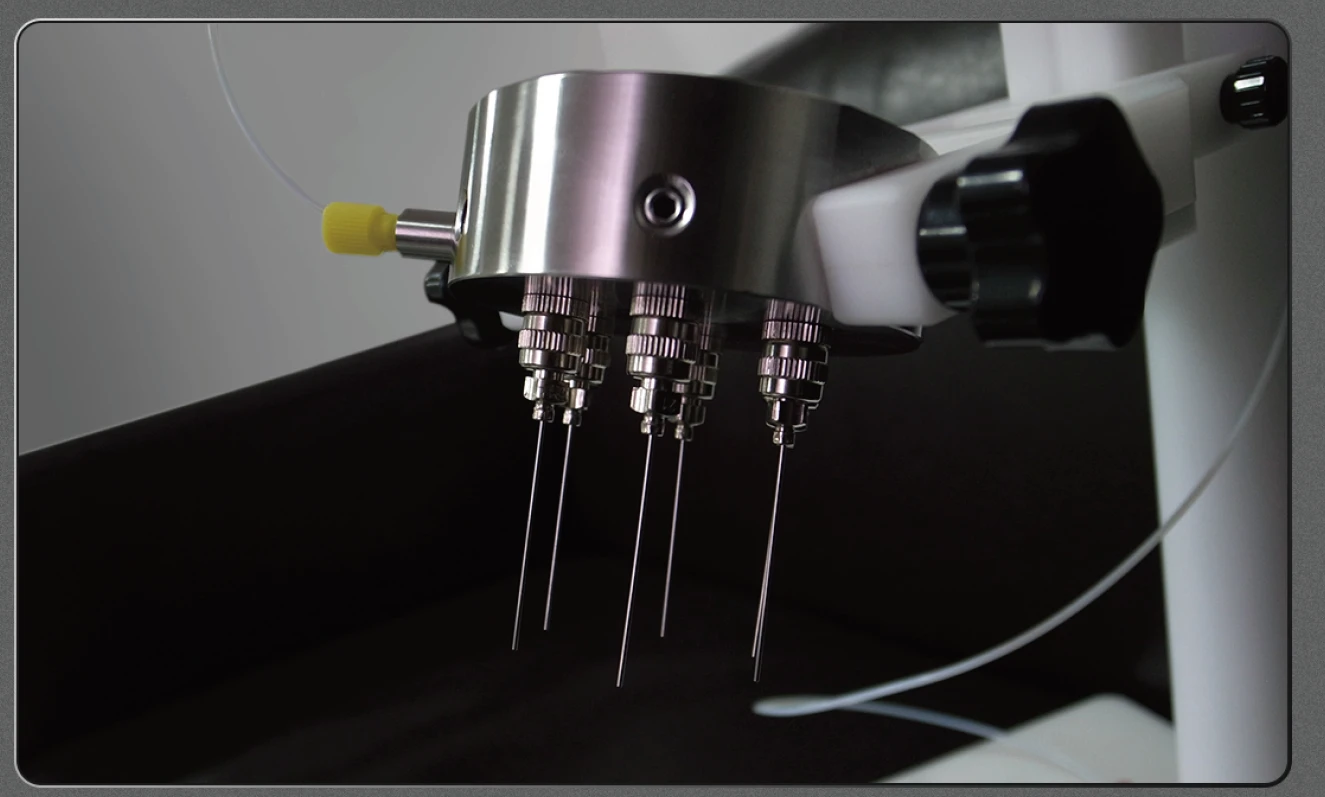
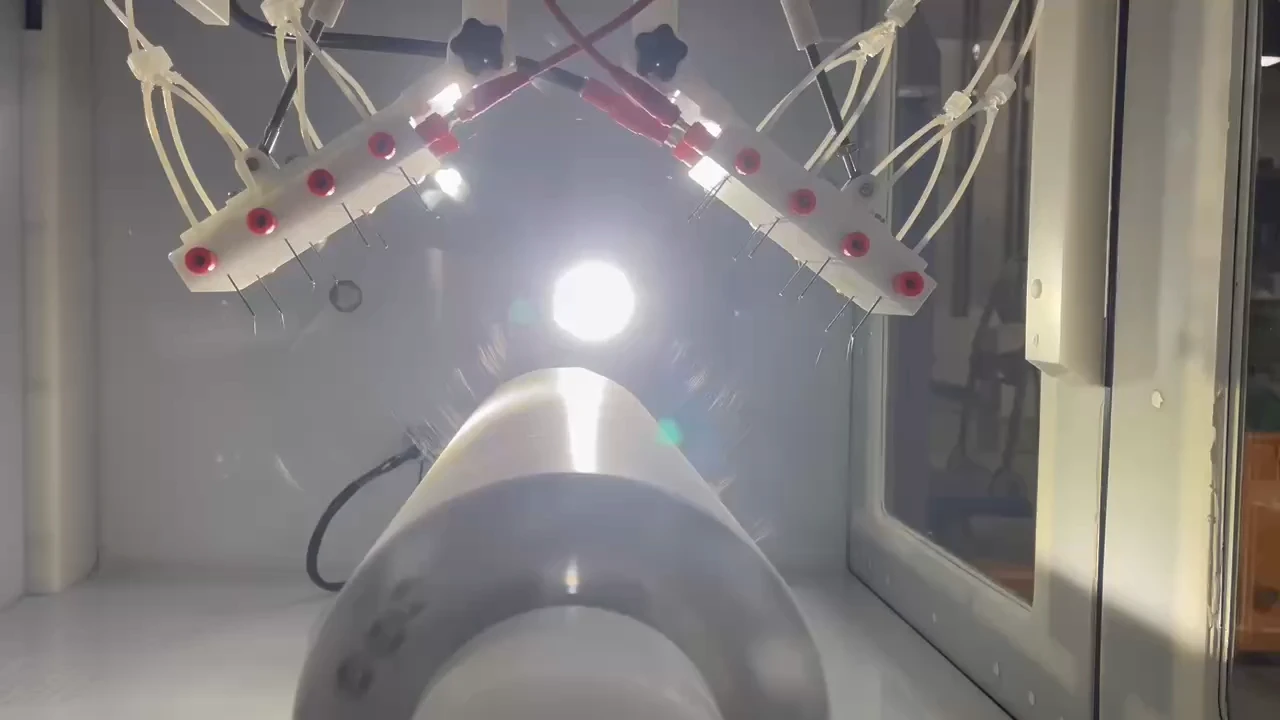
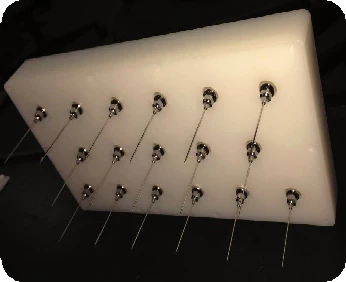
V-array multi-needle spinneret Simultaneous 2N-needle operation in an adjustable V-shaped arrangement. Adjust angle and spacing to develop uniform membranes. Independent positive high voltage on each side supports conjugate spinning and combined electrospinning/electrospraying. Explore this module↗ Conjugate spinneret Coordinated positive and negative high voltages for simultaneous dual-material spinning. Reduced charge accumulation and jet interference help improve layer uniformity and process stability. Sea-island multi-channel spinneret Two- and three-channel configurations with independent material feeds. Supports multicomponent sea-island, cable-like and other specialty cross-sections. Configurations can process three or more materials simultaneously. Explore this module↗ Side-by-side spinneret Independent flow control for two materials. Choose different needle sizes and material combinations. For bicomponent Janus fibers, self-crimping fibers and related architectures. Explore this module↗ Linear, annular and array spinnerets Single-inlet/N-outlet or N-inlet/N-outlet designs. Specify needle count, arrangement and spacing for parallel spinning and uniform deposition. For laboratory work, pilot trials and continuous production. Explore this module↗ Automatic needle cleaning Clean needles during electrospinning without interrupting the run. Programmable cleaning frequency and reciprocating needle motion. Especially useful for highly volatile solvent systems. Spinneret motion system X-axis travel: approximately 600 mm; speed: 1–40 mm/s. Set acceleration and deceleration and recall motion settings on the touchscreen. Z-axis travel: approximately 200 mm. An optional Y-axis stage enables three-axis motion. 04
Fiber collection Match the collector to the target structure: flat or tubular membranes, aligned porous layers, narrow fiber bands, yarn, continuous rolls or thick three-dimensional mats.
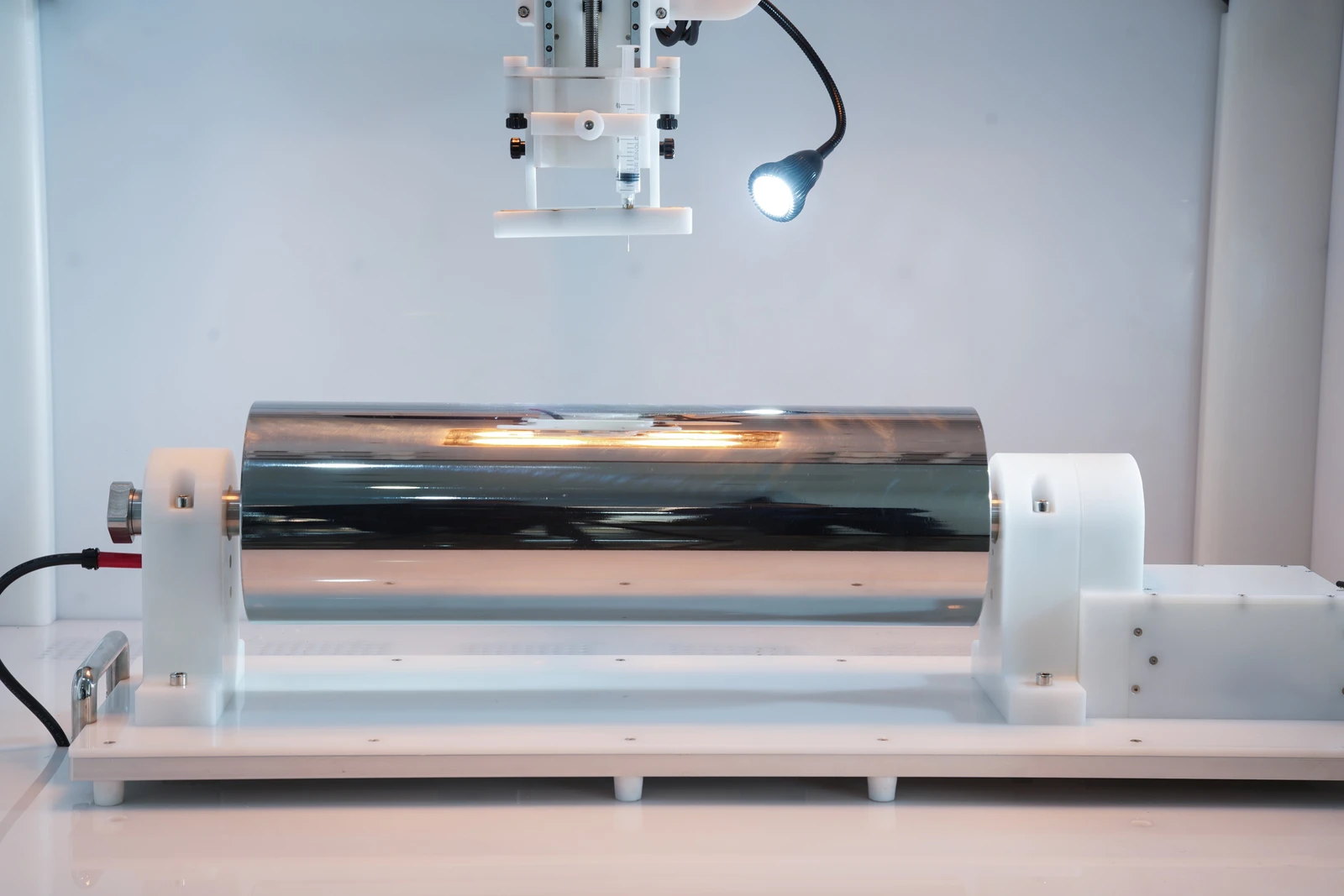
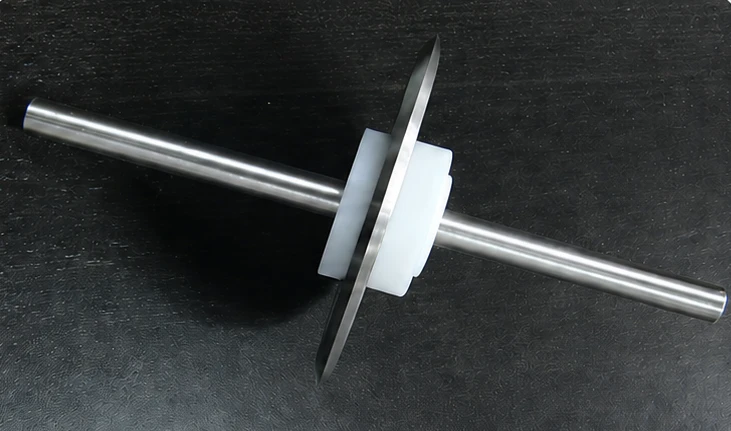
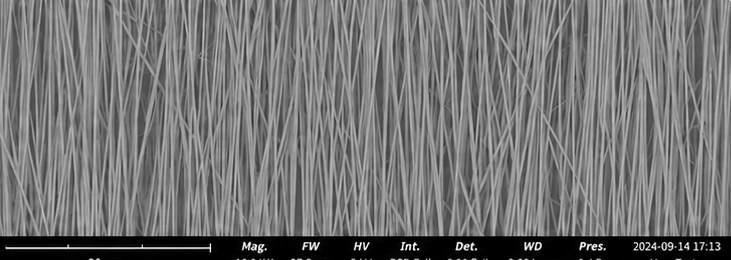
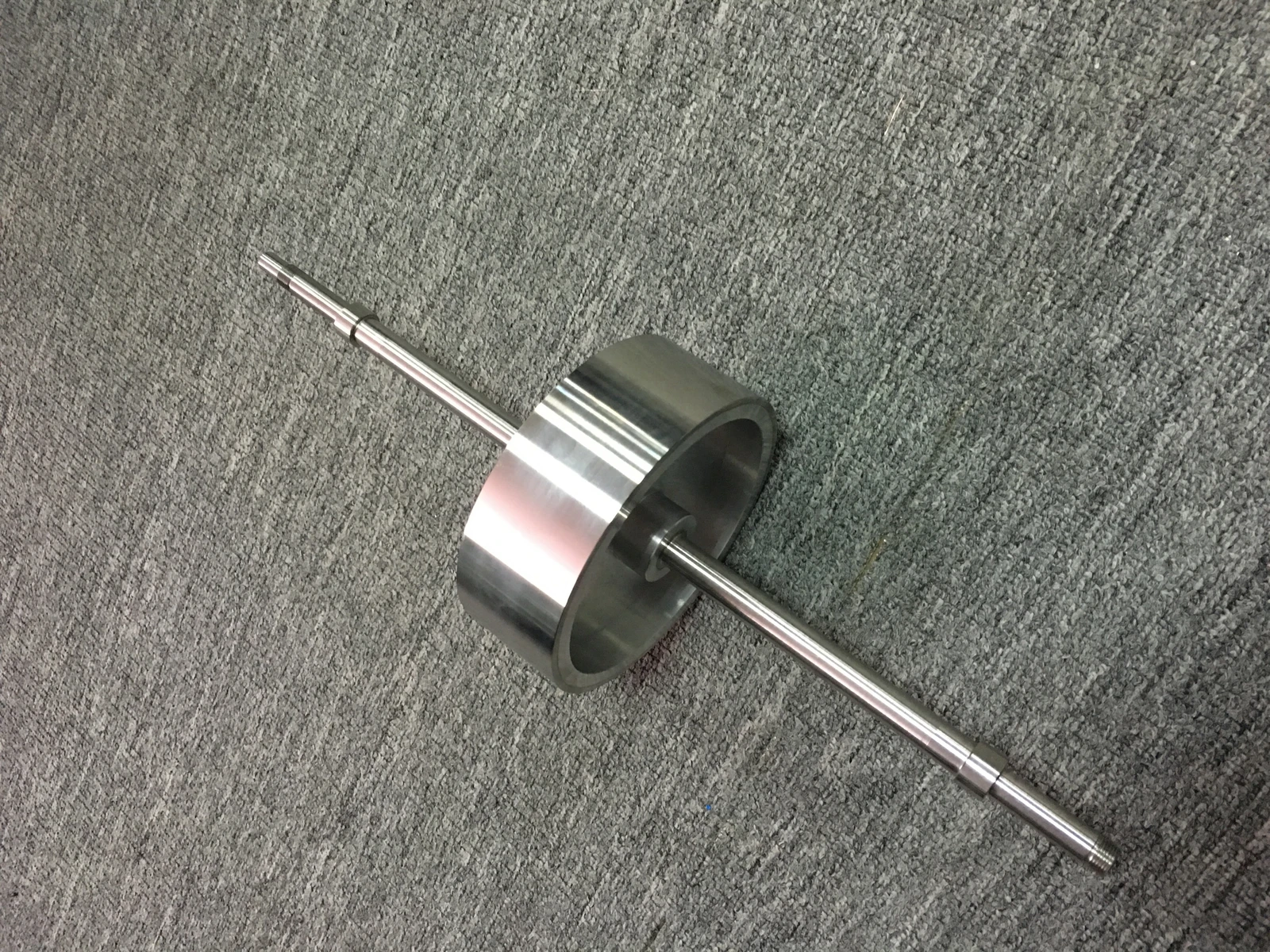
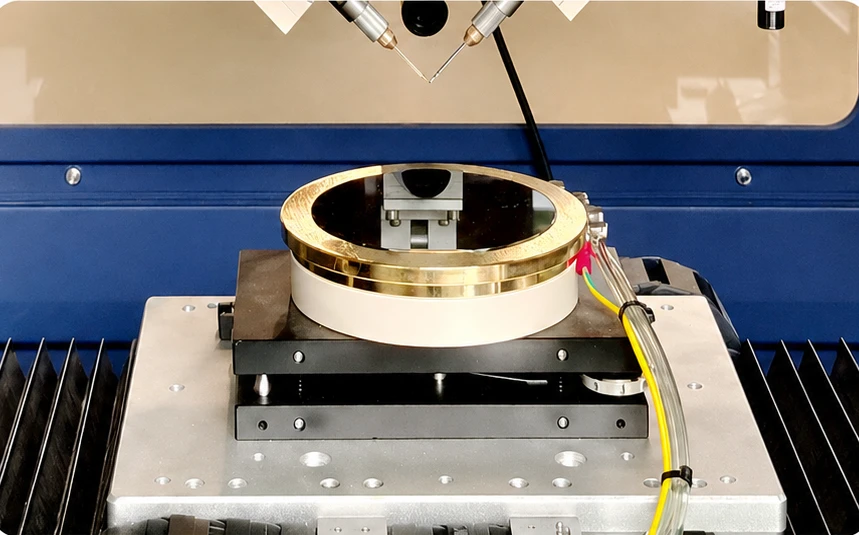
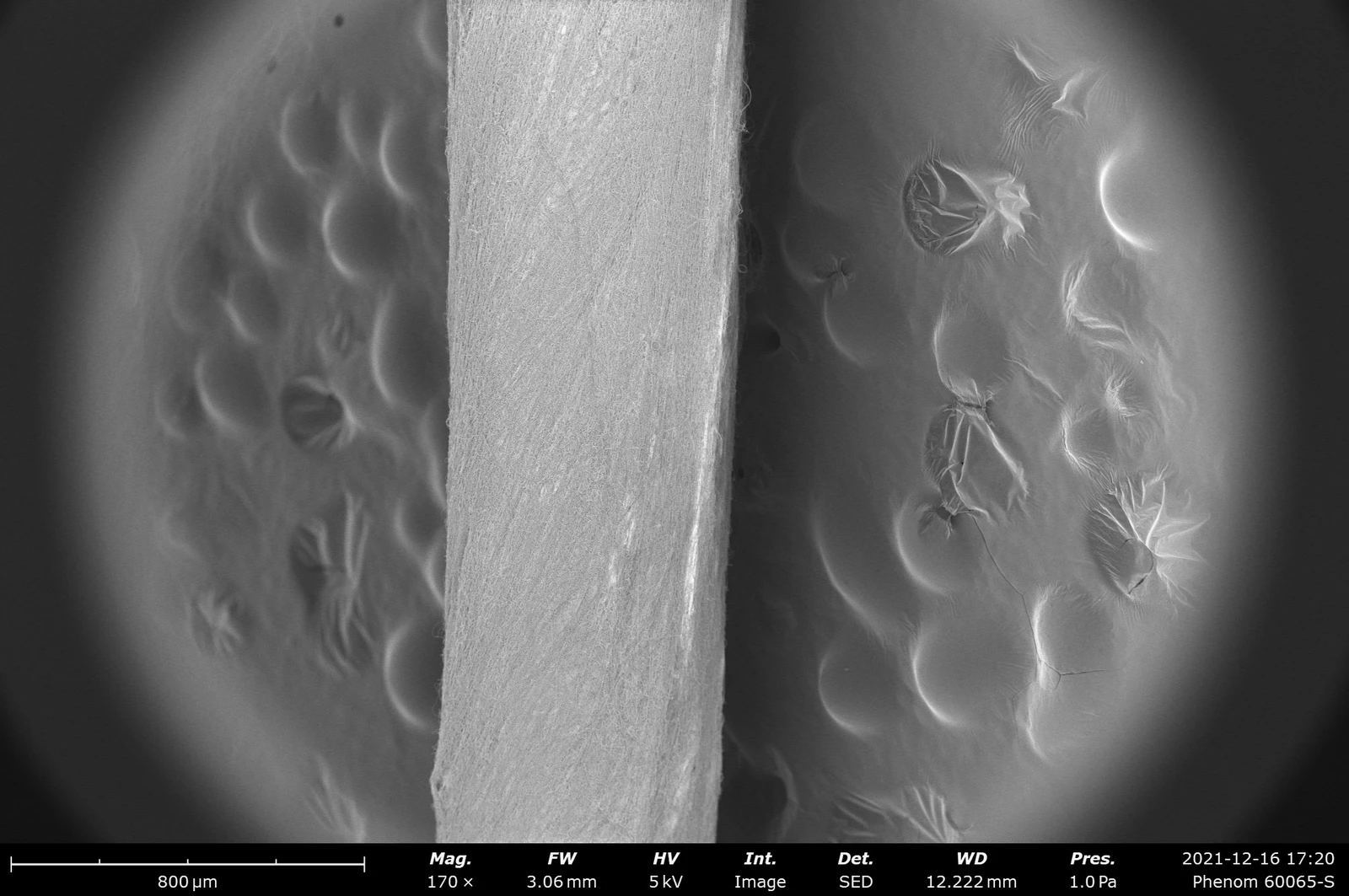
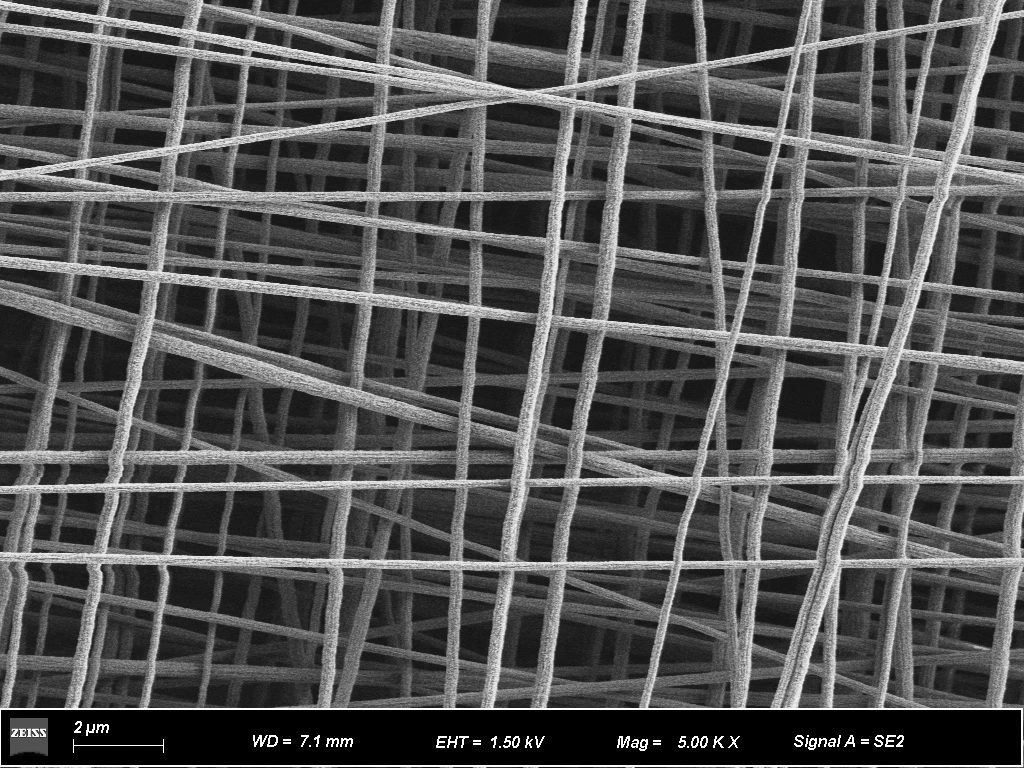
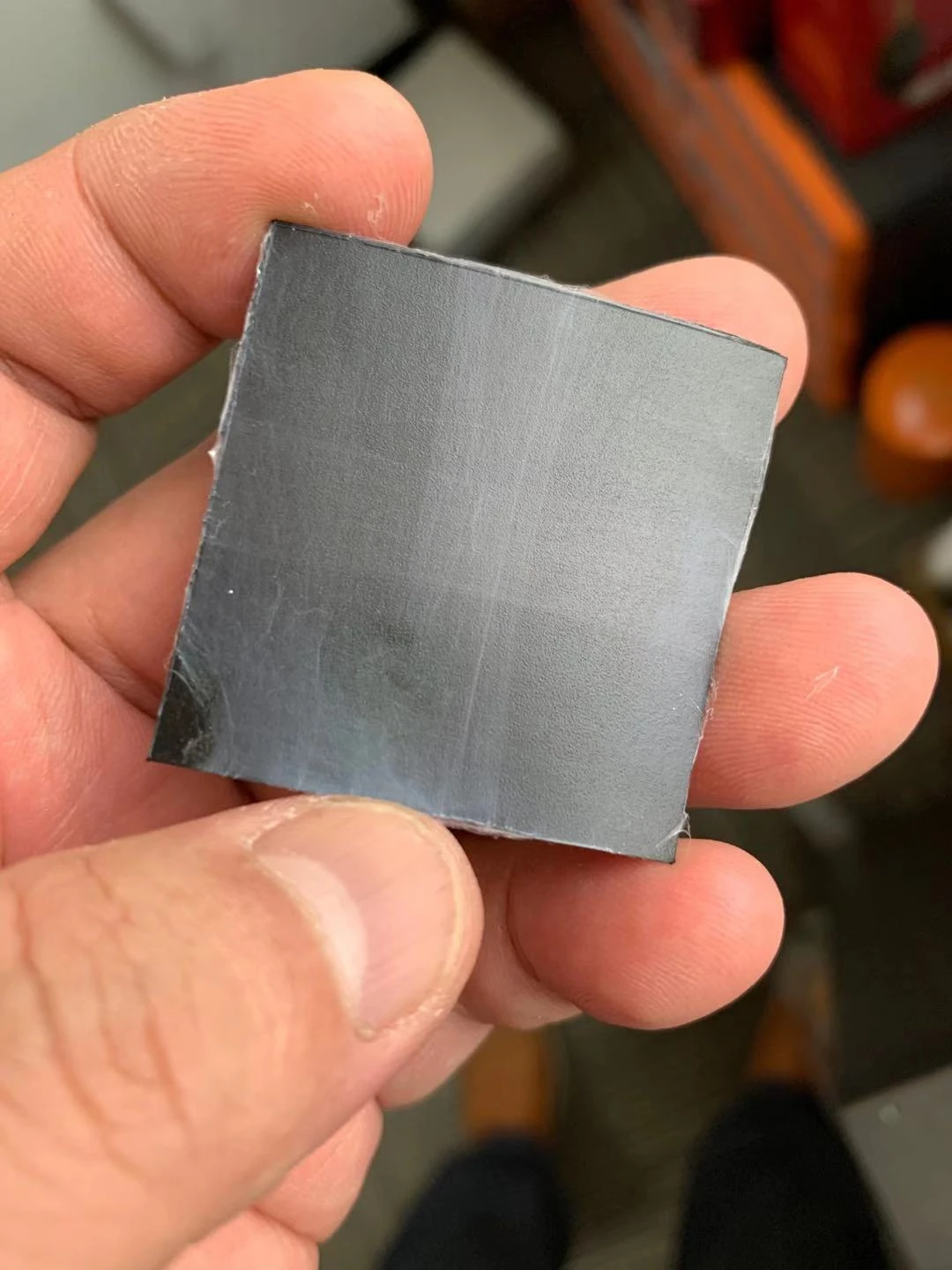
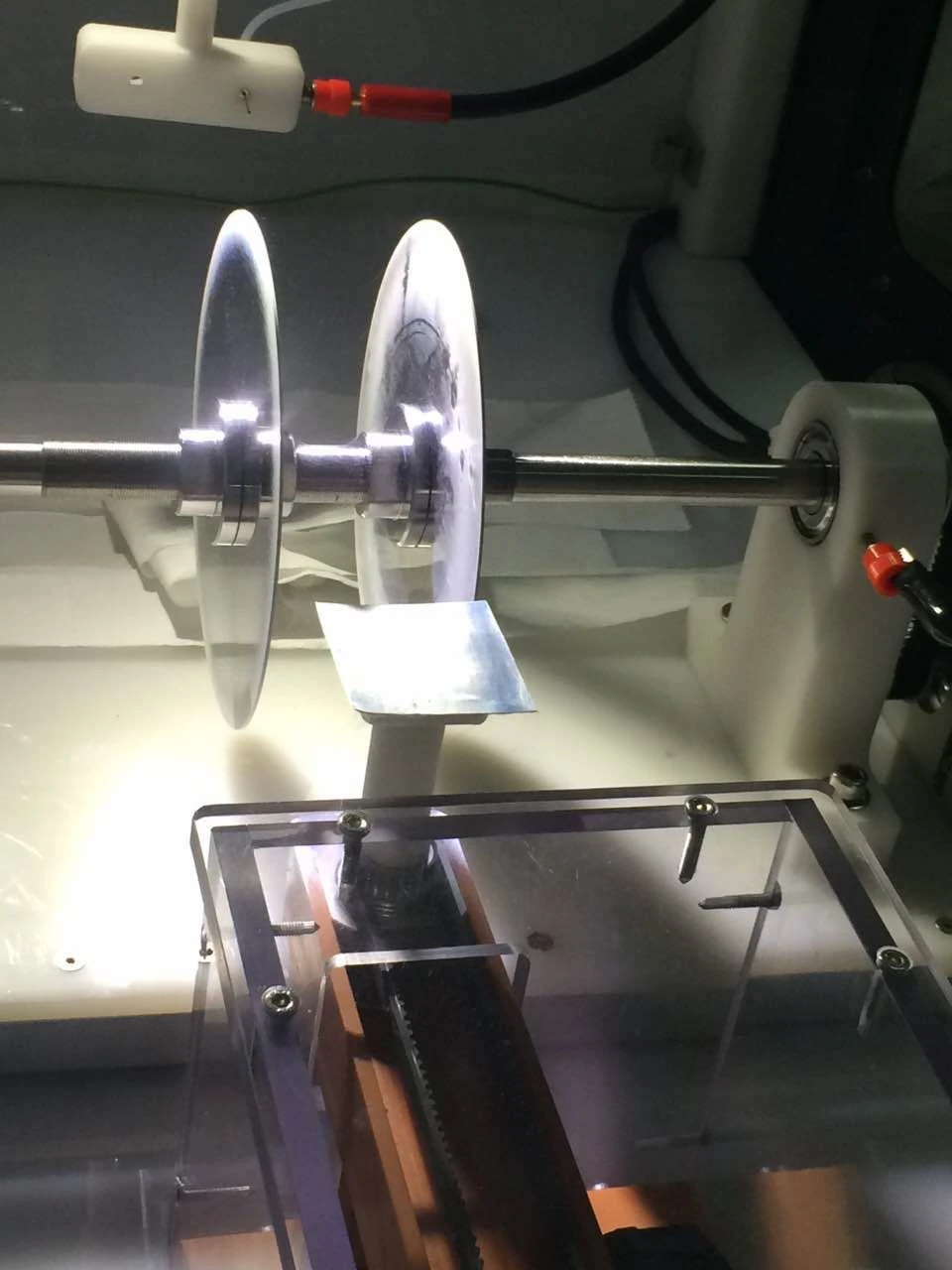
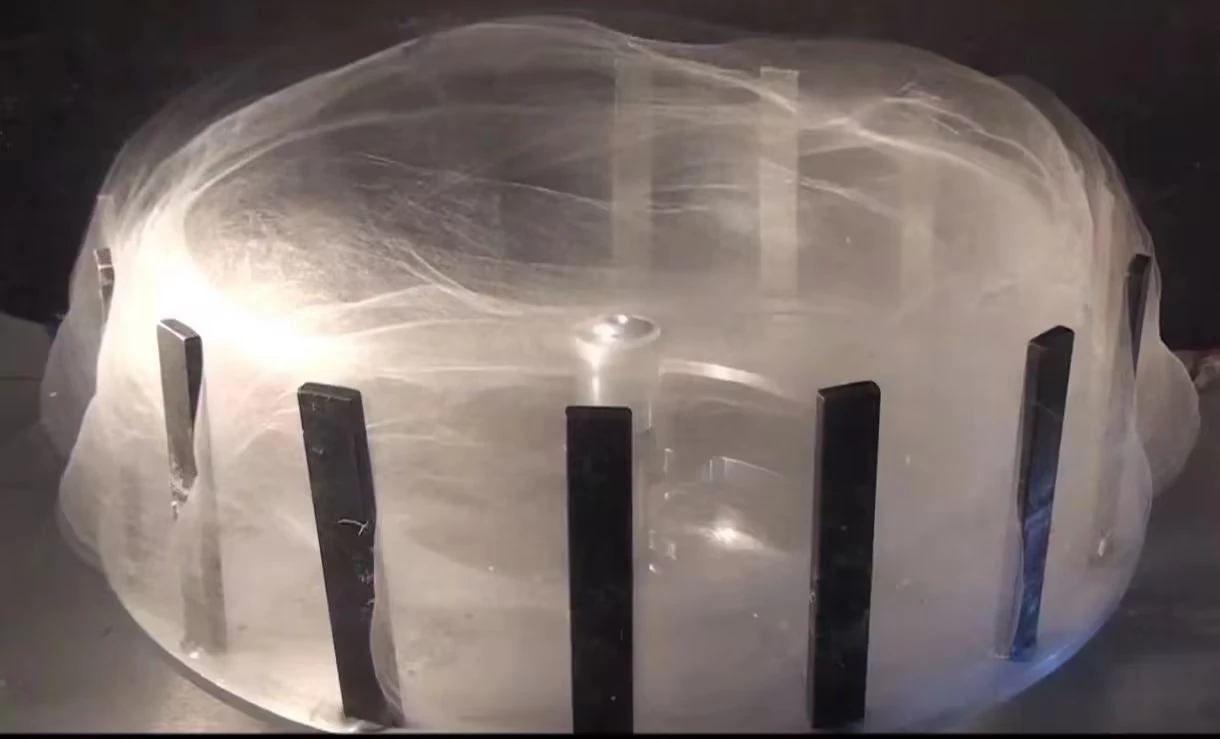
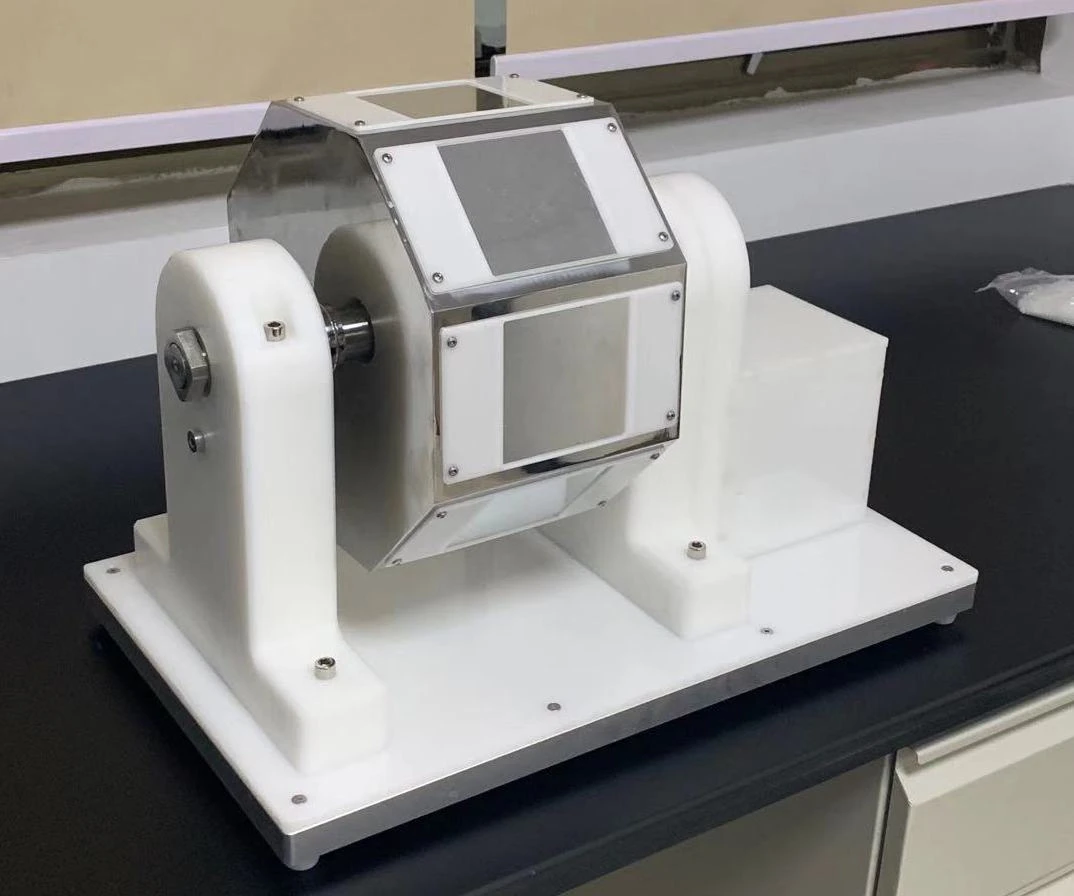
Rotating drum collectors↓ Rotating disc collector↓ High-alignment rotary collector↓ Mandrel collector↓ Parallel-electrode cage collector↓ Coordinated X–Y motion stage↓ Rotating drum collectors Drum 1: Ø159 × 500 mm, 1–600 rpm, ±1 rpm. Drum 2: Ø100 × 300 mm, 1–5000 rpm, ±1 rpm. For random or aligned fiber deposition. Custom drum dimensions are available. Rotating disc collector Disc diameter: approximately 180 mm. Speed: approximately 1–5000 rpm. Collect highly aligned narrow fiber bands along the disc edge, with adjustable band width. High-alignment rotary collector Approximately 1–5000 rpm for highly aligned thin mats and fiber bundles. Collector dimensions can be tailored to the sample size. Mandrel collector Mandrel diameters: Ø1–30 mm; membrane walls can reach several millimeters. Fiber diameter: 100 nm–3 μm. Interchangeable lengths and sizes for vascular graft, conduit and tubular-scaffold research. Parallel-electrode cage collector Low-speed rotation: approximately 1–150 rpm. Specify electrode number, spacing and dimensions. Collect porous aligned layers and thick mats that remain flat after unrolling. Coordinated X–Y motion stage Collection area up to 300 × 300 mm; load capacity 20 kg. Positioning repeatability <50 μm; speed 0–40 mm/s. CAD geometry and program import support two-dimensional paths and deposition on non-planar substrates. Explore this module↗ 05
Process expansion Add dedicated process modules for different materials and collection methods. Further configurations include magnetic-field modules, cooling stages, heated chambers and custom process integration.
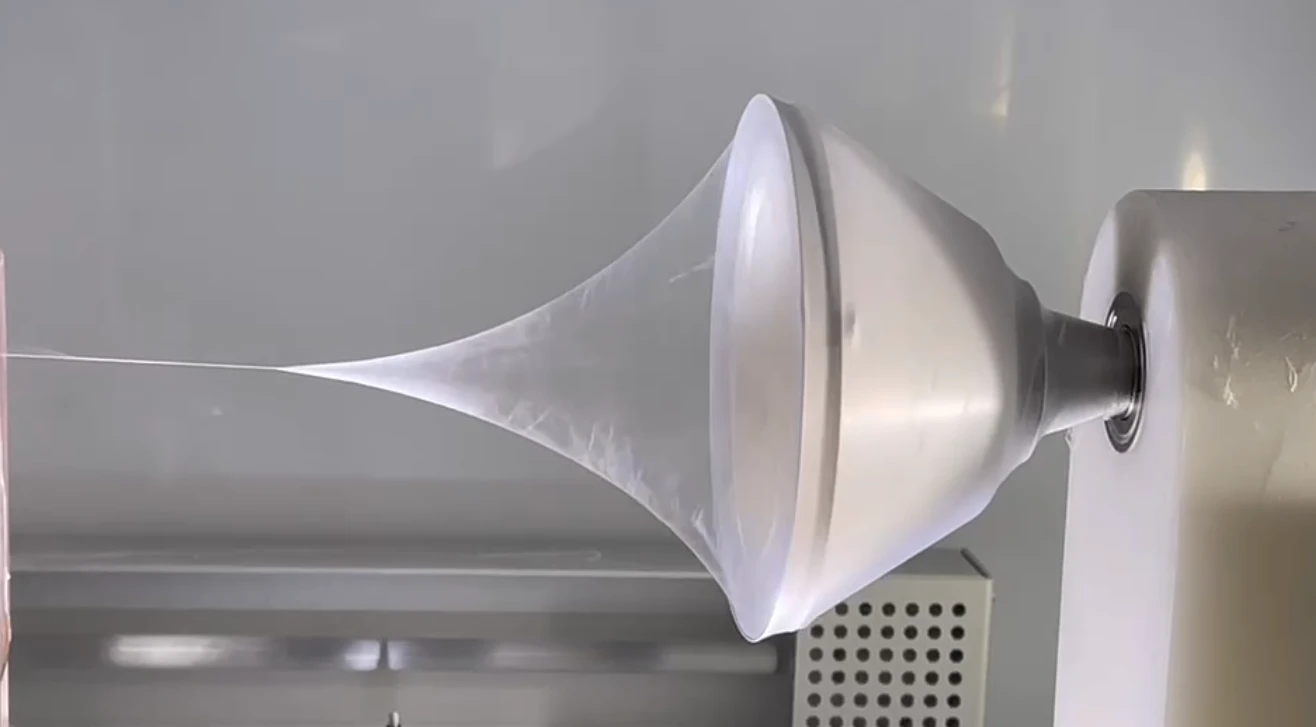
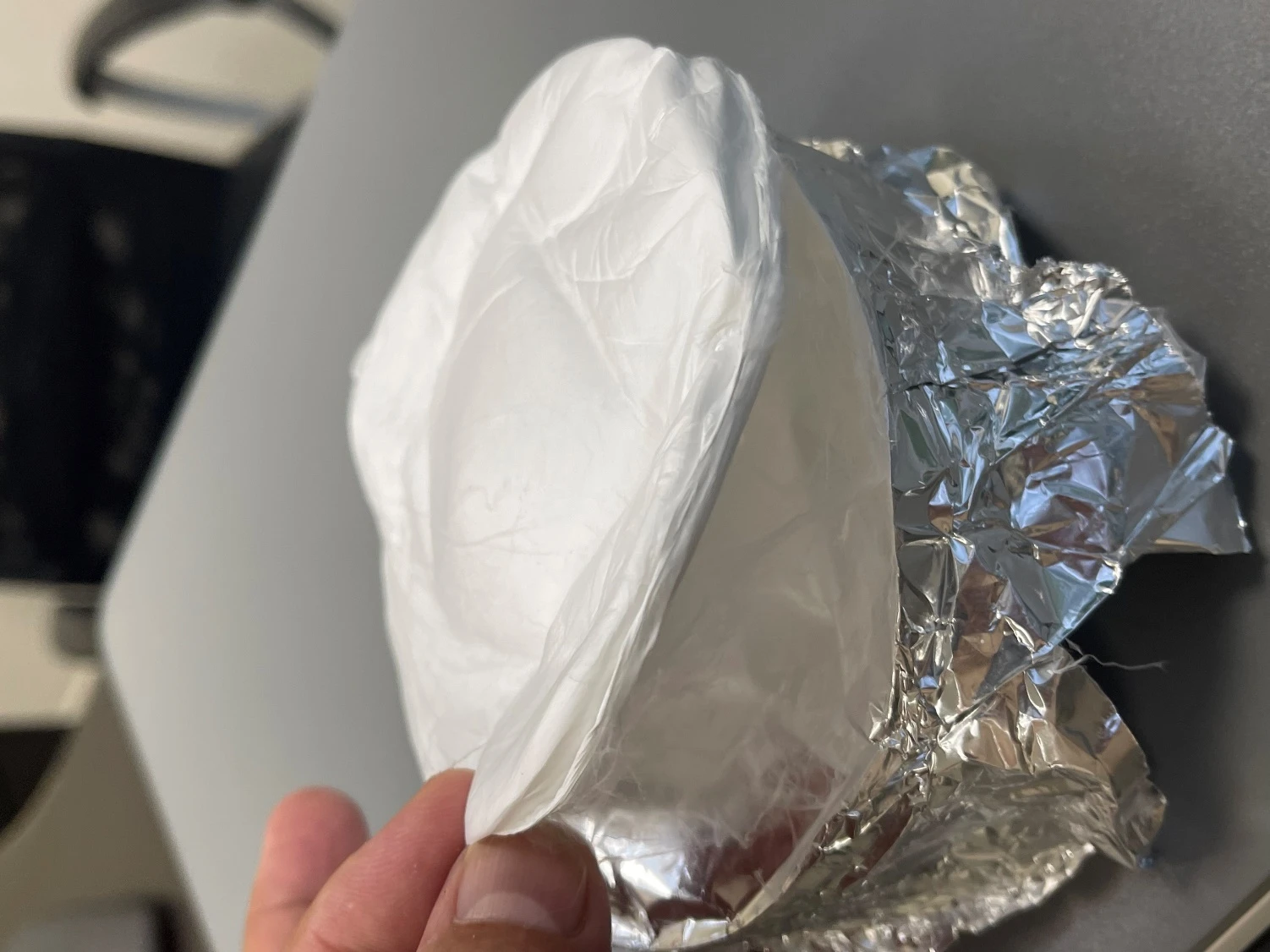
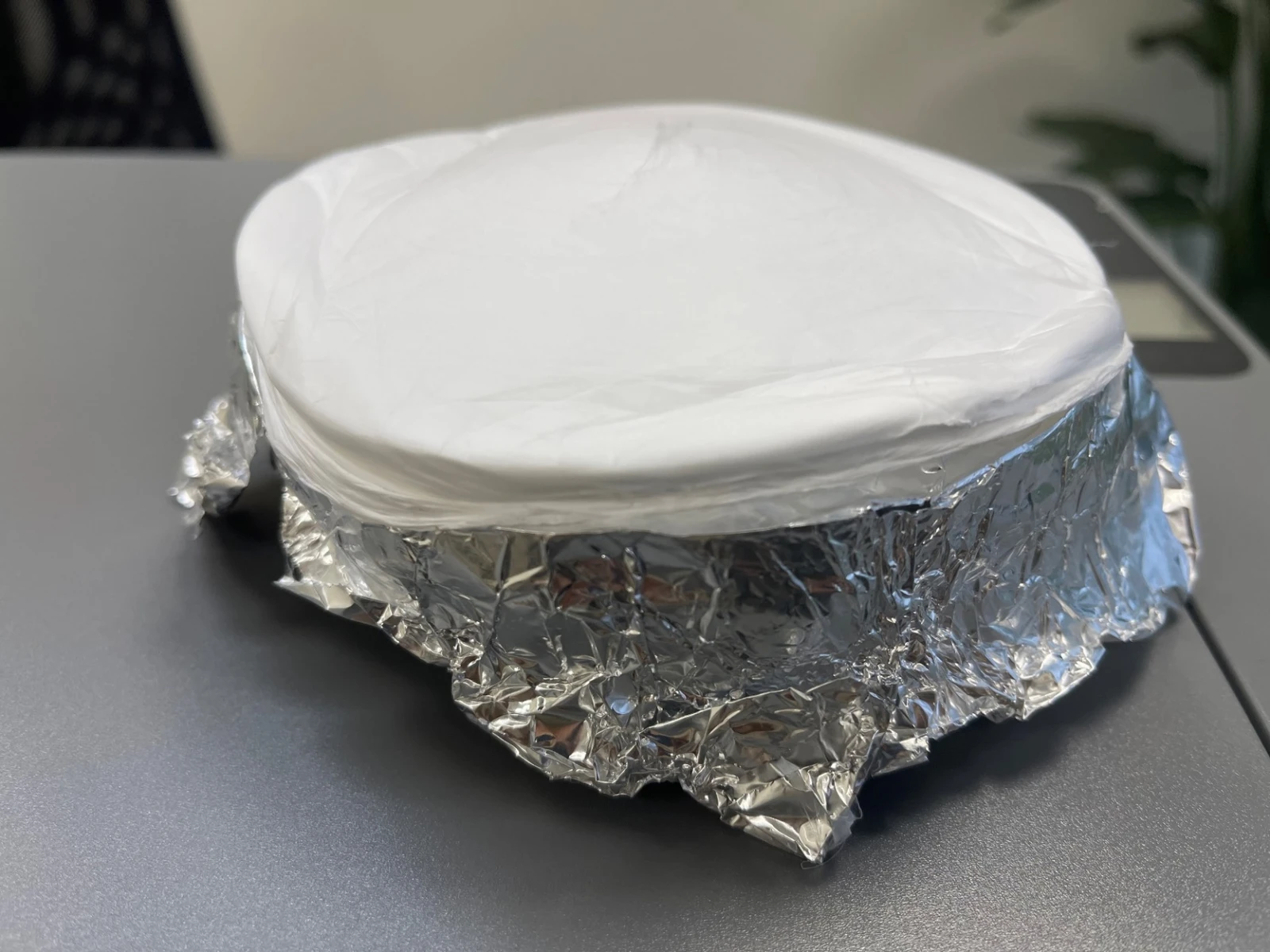
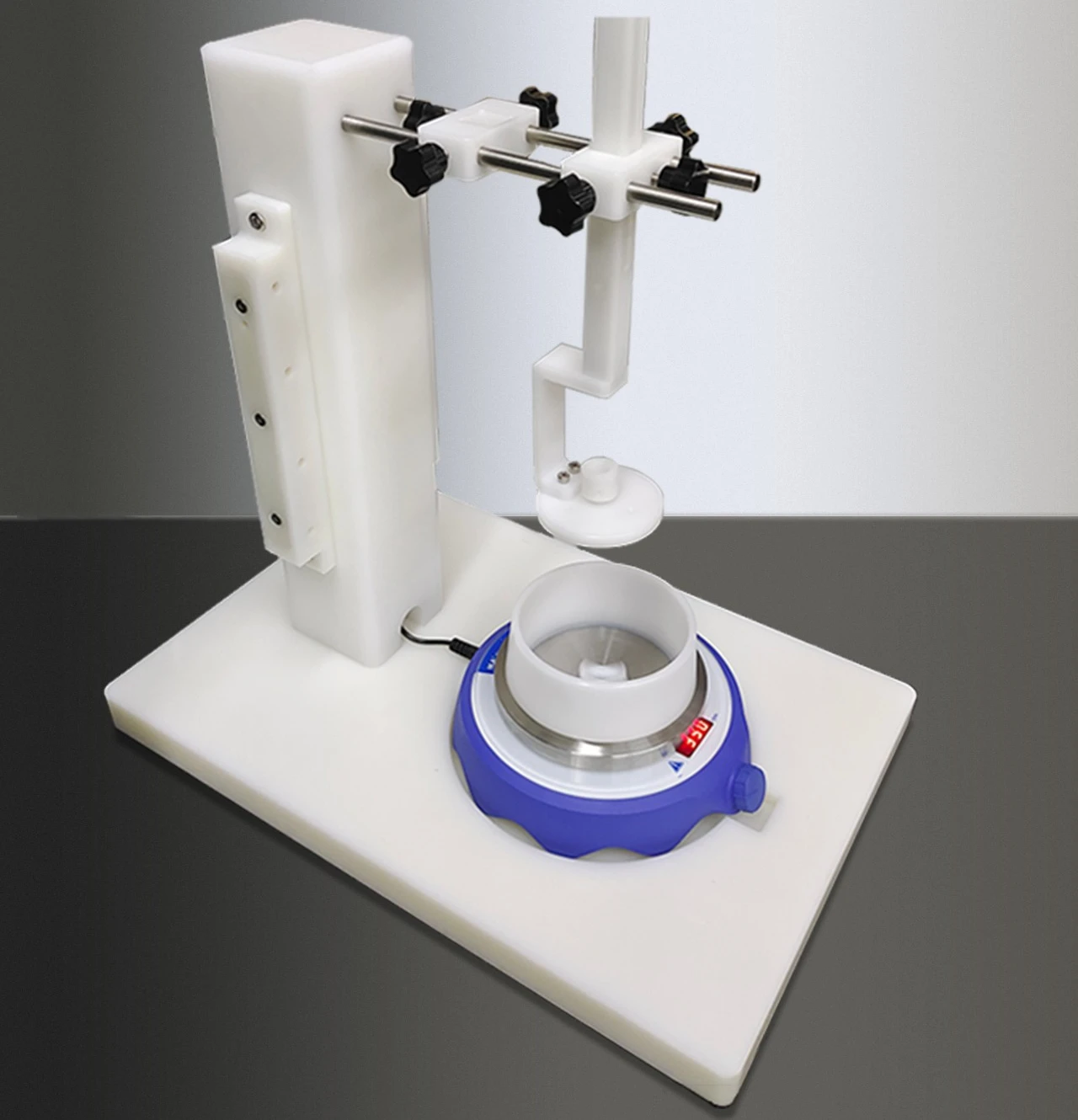
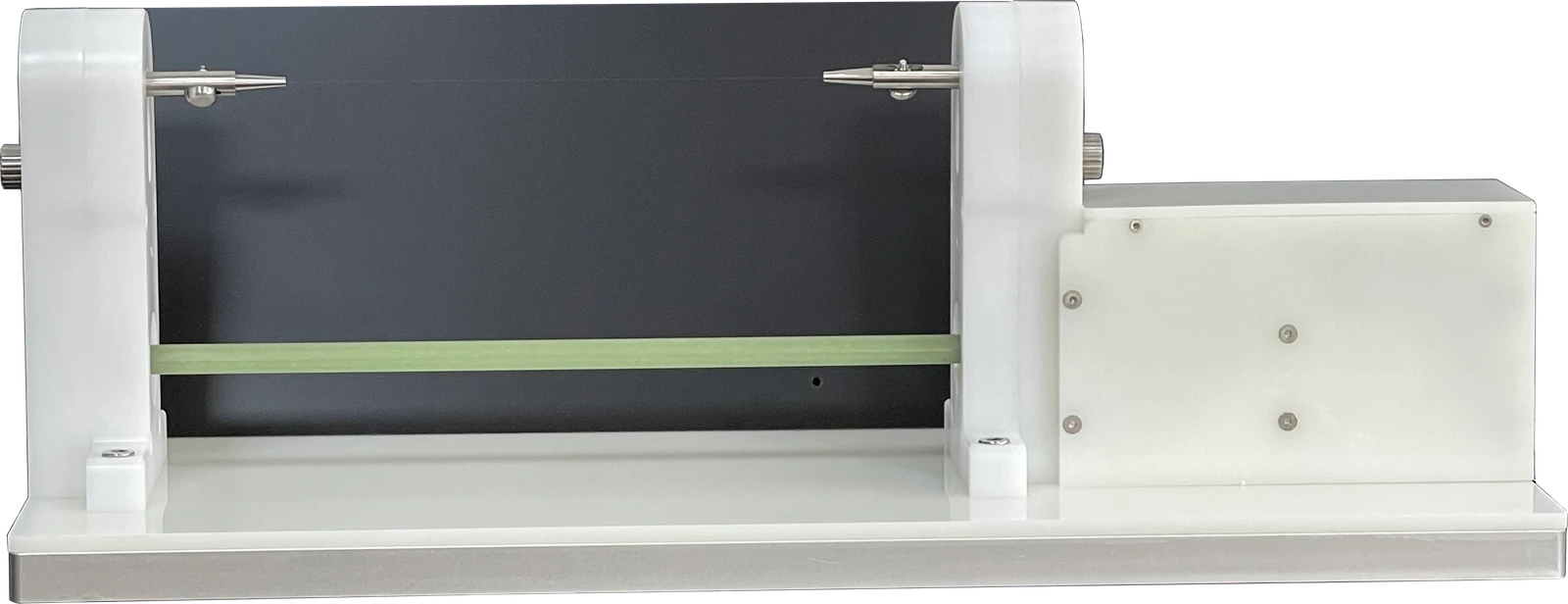
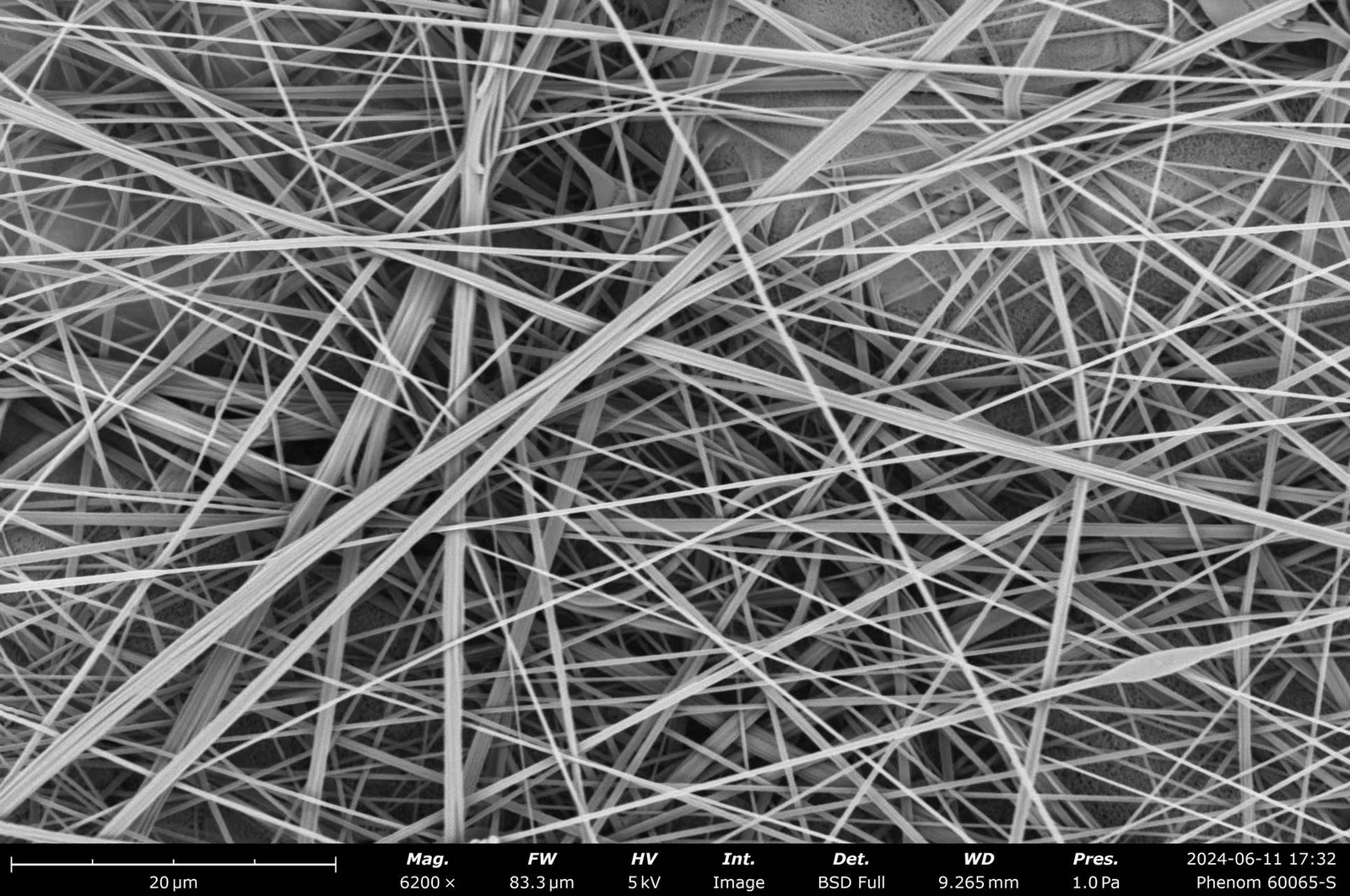
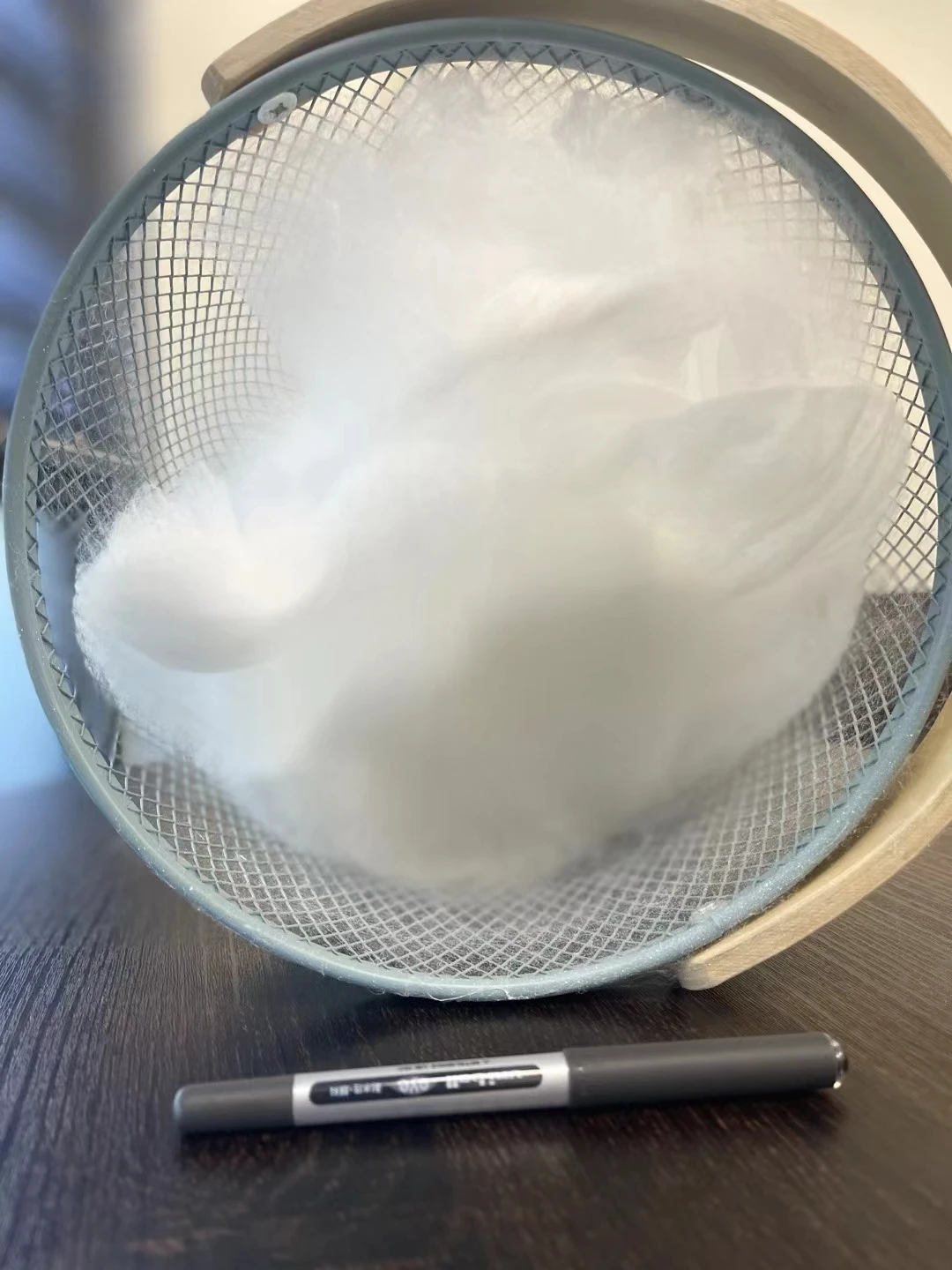
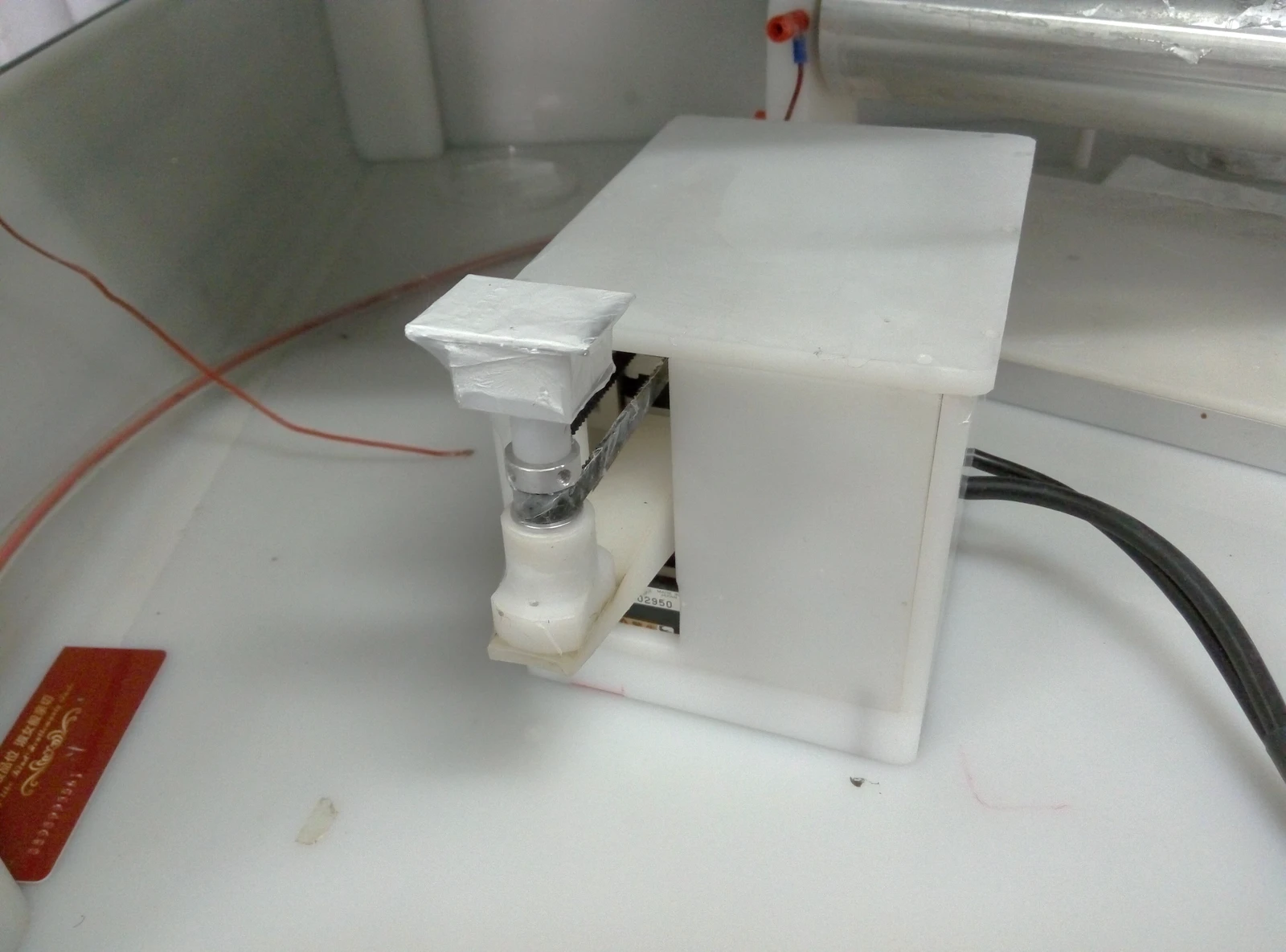
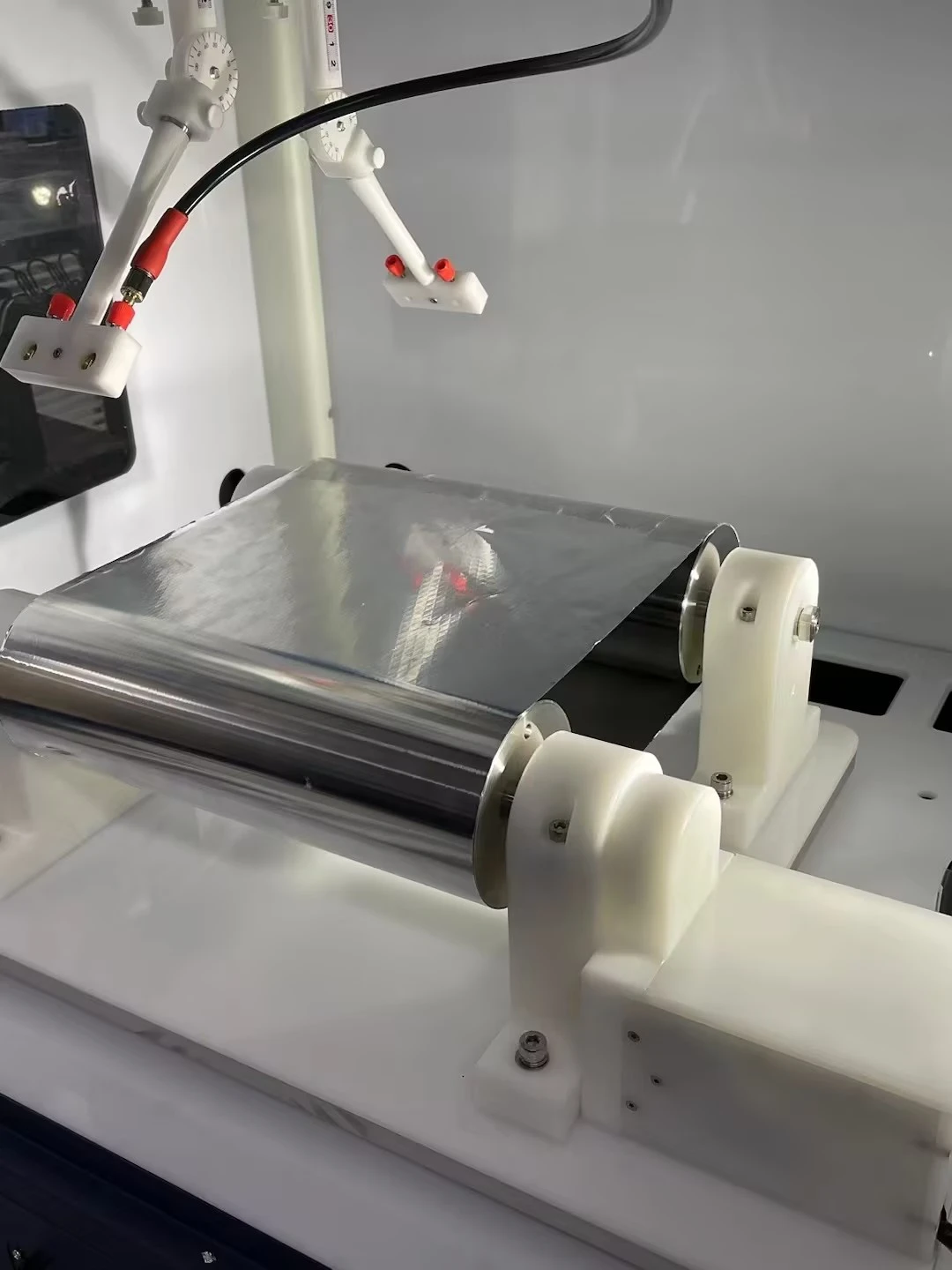
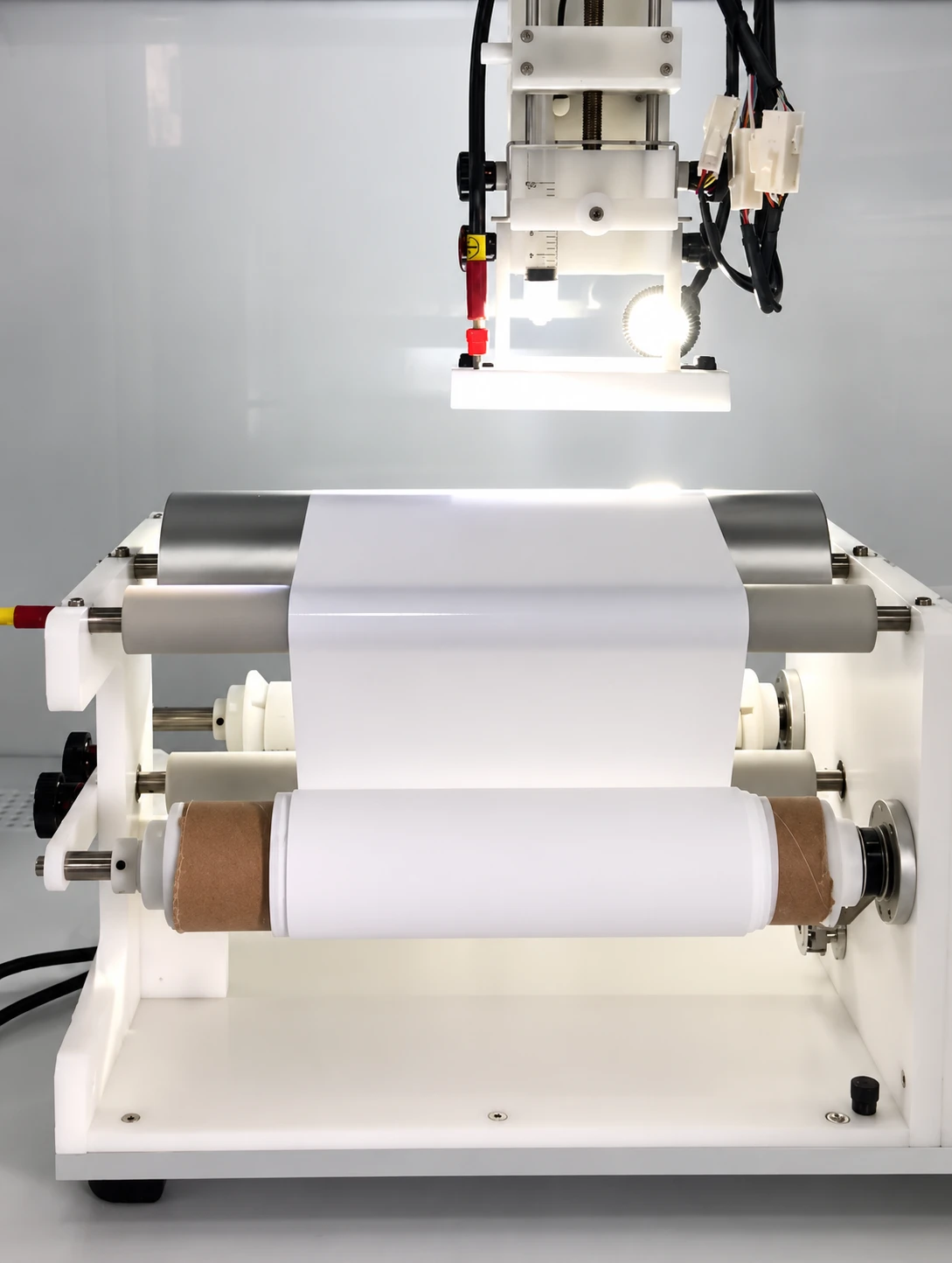
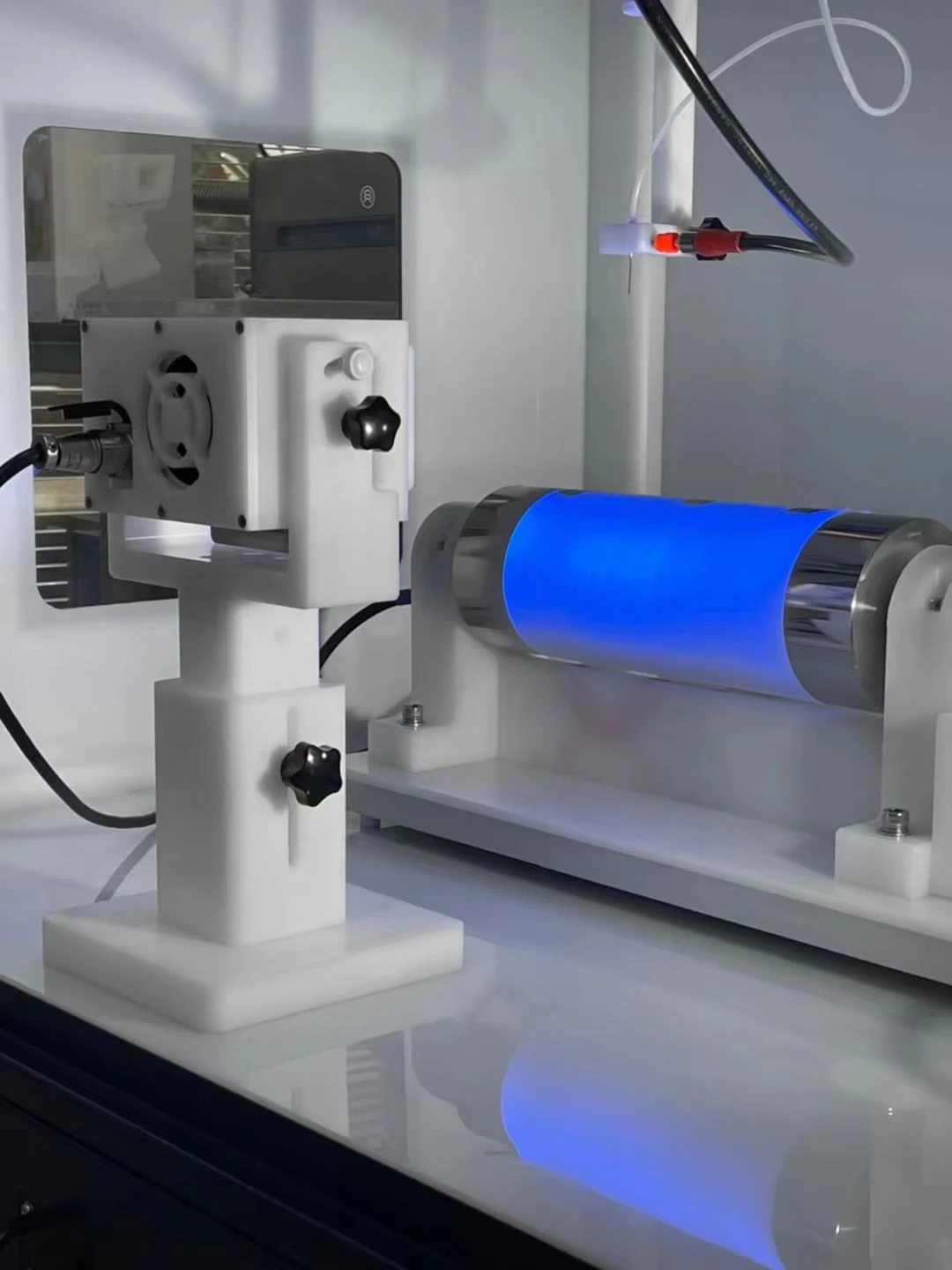
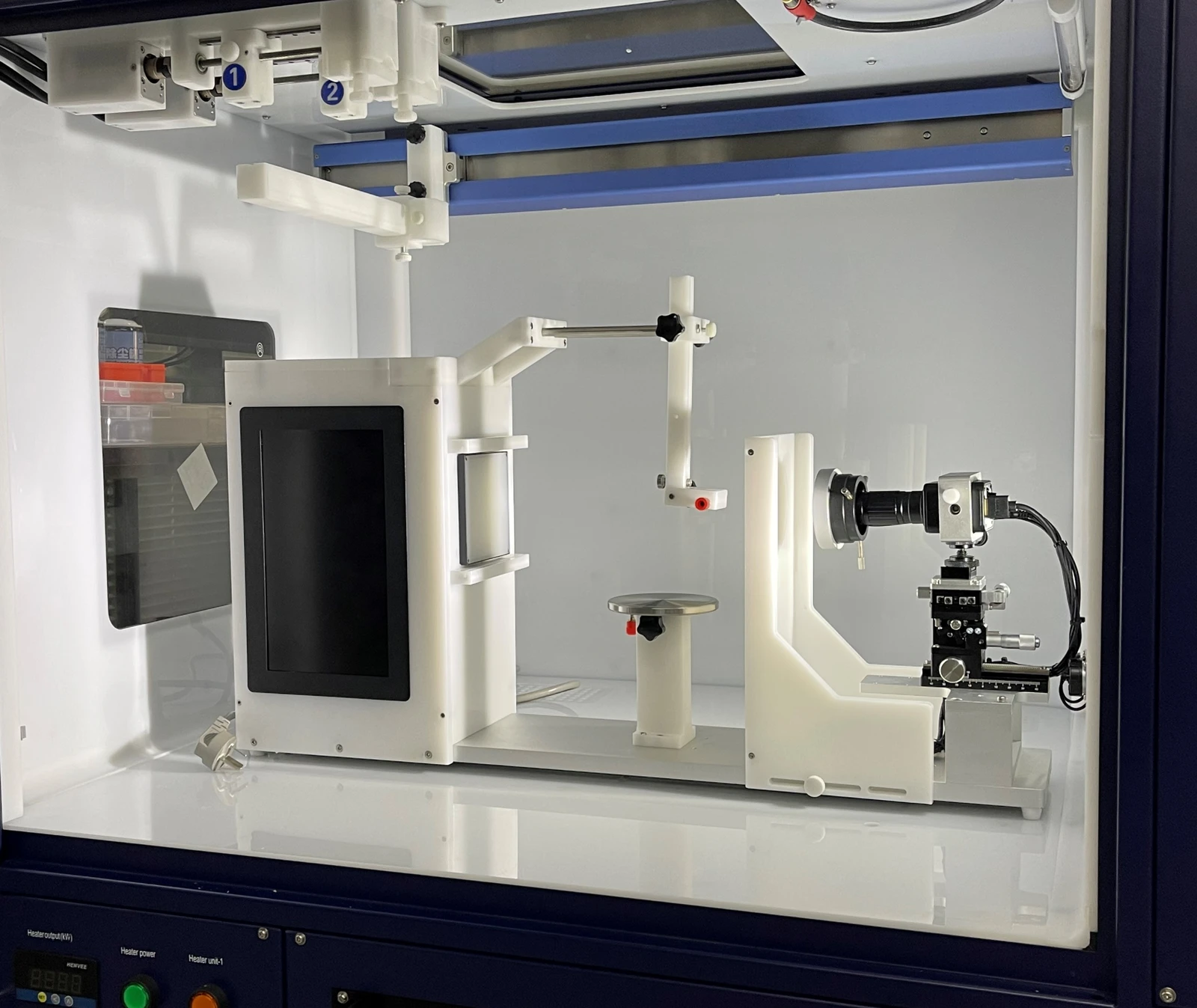
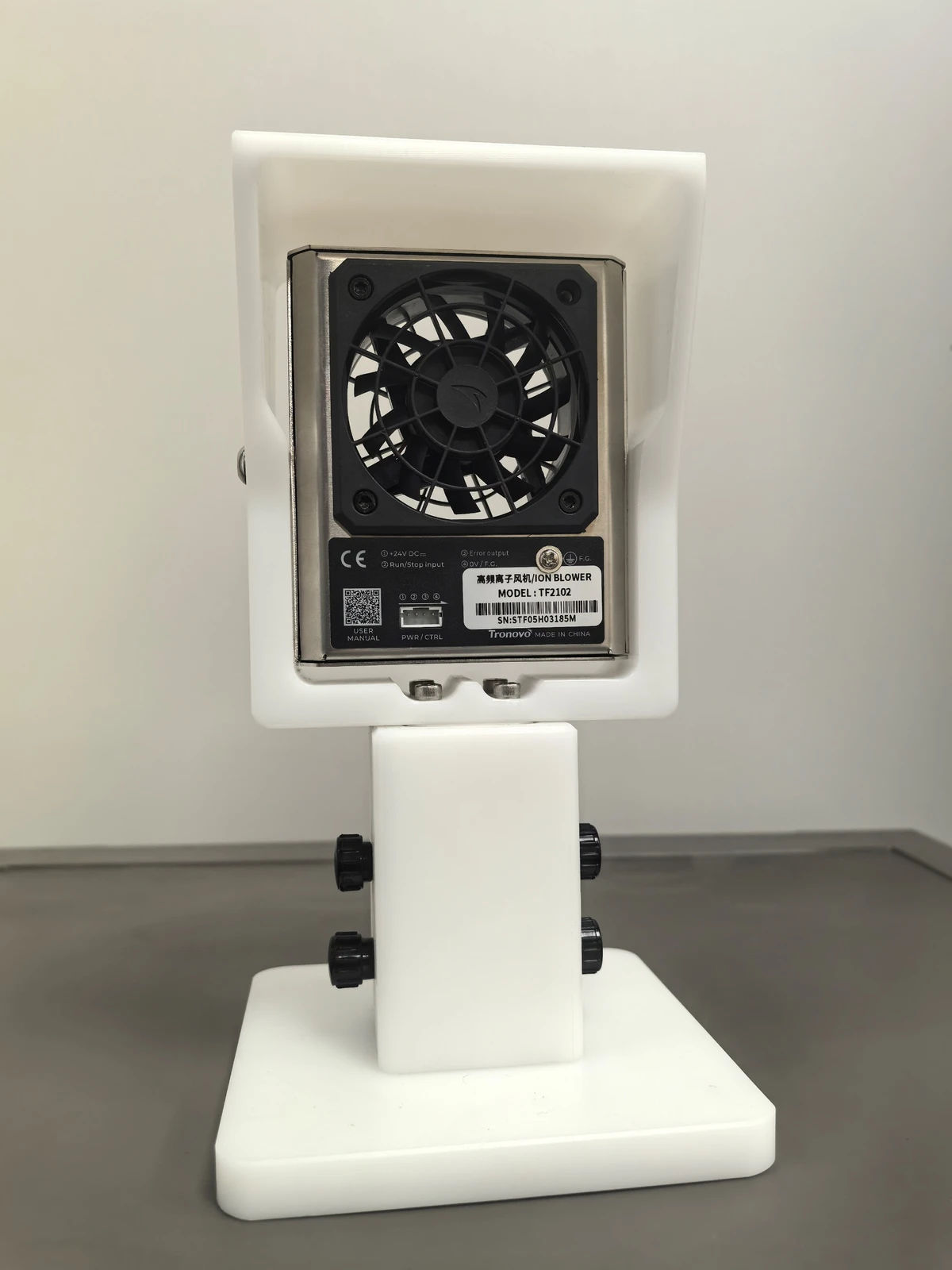
Rotary vacuum chuck↓ High-temperature spinneret↓ Spiral yarn collector↓ Spiral collection of thick fiber mats↓ Nanoparticle and microsphere module↓ Nanofiber coating of filaments↓ Air-assisted electrospinning↓ Cross-aligned fiber collector↓ Roll-to-roll collector↓ UV curing lamp↓ Centrifugal electrospinning↓ Rotating plate collector↓ In situ microscopy↓ Ionizing air blower↓ Rotary vacuum chuck For 1–6 inch wafers, glass, PET, PI and metal foils. Two independently adjustable vacuum channels. Fine horizontal positioning and variable rotation speed. High-temperature spinneret Room temperature to 150°C; positive high voltage up to 25 kV. Compatible with 5 mL glass syringes. For heated electrospinning and direct writing of low-melting materials. Explore this module↗ Spiral yarn collector Helical drawing brings fibers together for continuous yarn production. Supports core-spun and coreless yarns. Continuous accumulation forms porous 3D mats, with thickness controlled by processing time. Spiral collection of thick fiber mats Continuous accumulation builds thick, porous three-dimensional fiber networks. Control thickness through spinning time and process settings. For research on solid-state battery electrodes, filtration, adsorption and tissue-engineering scaffolds. Nanoparticle and microsphere module Liquid-bath collection with magnetic stirring for spheres, short fibers and related structures. Helps reduce agglomeration and improve collection uniformity. Bath dimensions and auxiliary electrodes can be configured for the process. Explore this module↗ Nanofiber coating of filaments Dual-motor drive rotates fine filaments stably. Filament diameters: approximately 10–1000 μm. Speed: approximately 1–5000 rpm. Deposits a uniform nanofiber layer on the filament. Air-assisted electrospinning Airflow and electrostatic forces can increase throughput relative to conventional electrospinning. Produces lofty, cotton-like 3D structures and short nanofibers. Compatible with a wide range of polymer solutions. Explore this module↗ Cross-aligned fiber collector Synchronized dual-disc collection produces unidirectional or alternating 0°/90° multilayer membranes. Control layer count, orientation and fiber spacing. For tissue-engineering and composite-reinforcement research. Explore this module↗ Roll-to-roll collector Collection width: approximately 250–500 mm. Continuous membrane length: approximately 50–100 m. Take-up speed: approximately 1–40 mm/s. Tension control and preset winding length support automated continuous collection. Explore this module↗ UV curing lamp Automatic curing during electrospinning reduces secondary transfers and post-processing. Uniform illumination supports rapid curing. Integrates with electrospinning and micro/nanoscale direct-writing platforms. Explore this module↗ Centrifugal electrospinning Combines centrifugal and electrostatic forces for high-throughput membrane production. Supports polymer solutions and melts. Spinning disc diameter: approximately 650 mm. Explore this module↗ Rotating plate collector Servo drive with continuously variable speed, approximately 1–5000 rpm. Plate dimensions: approximately 80 × 80 × 0.5 mm. Control rotation for random, partially aligned or highly aligned fiber arrangements. In situ microscopy Microscope and industrial camera for real-time viewing of droplets, jets and Taylor cone details. A fixed relative position between lens and needle supports observation and process-stability assessment. Explore this module↗ Ionizing air blower Neutralizes excess static charge to reduce fiber adhesion and scattering. Helps improve layer uniformity and reduce bead defects. Airflow assists solvent evaporation. 06
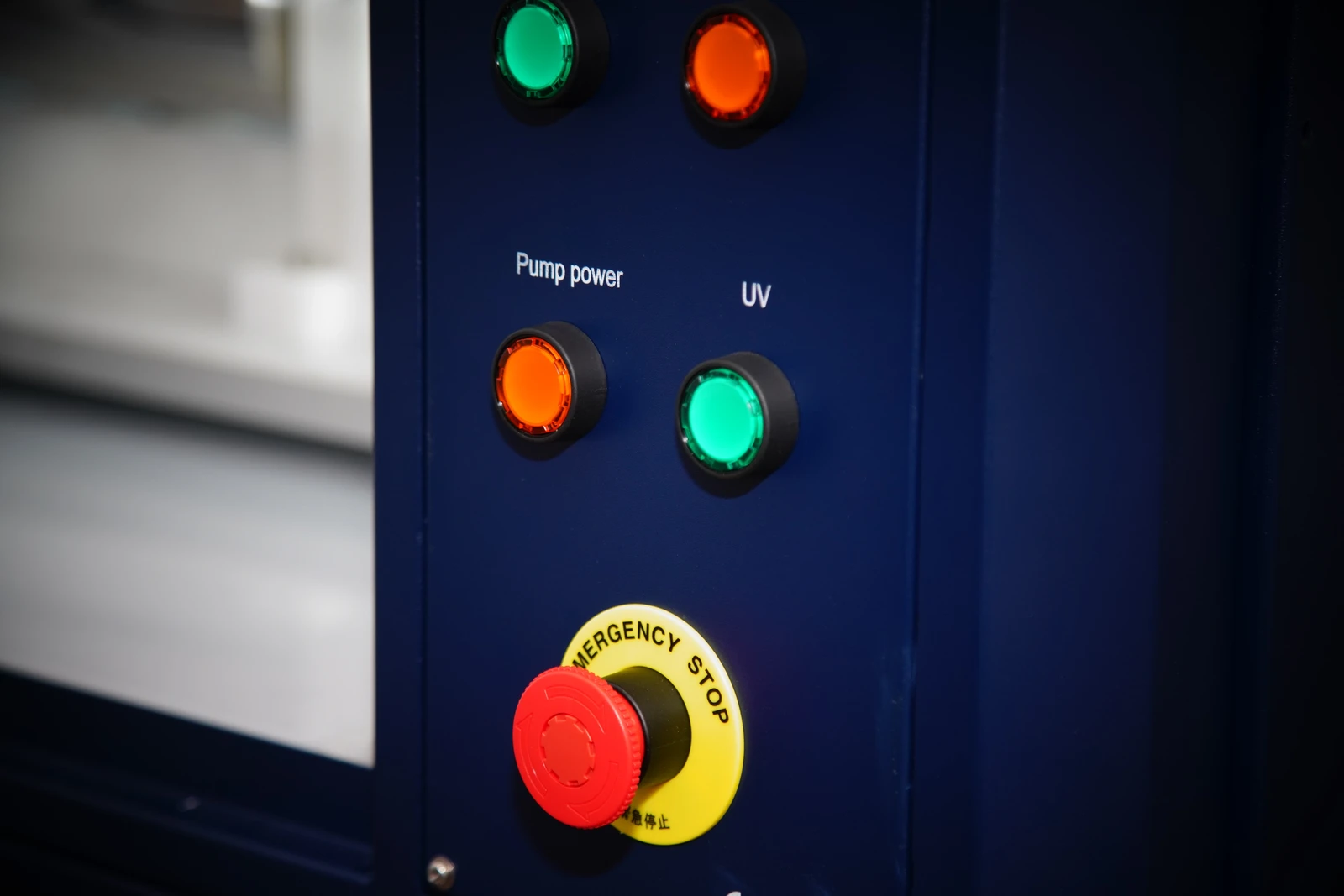
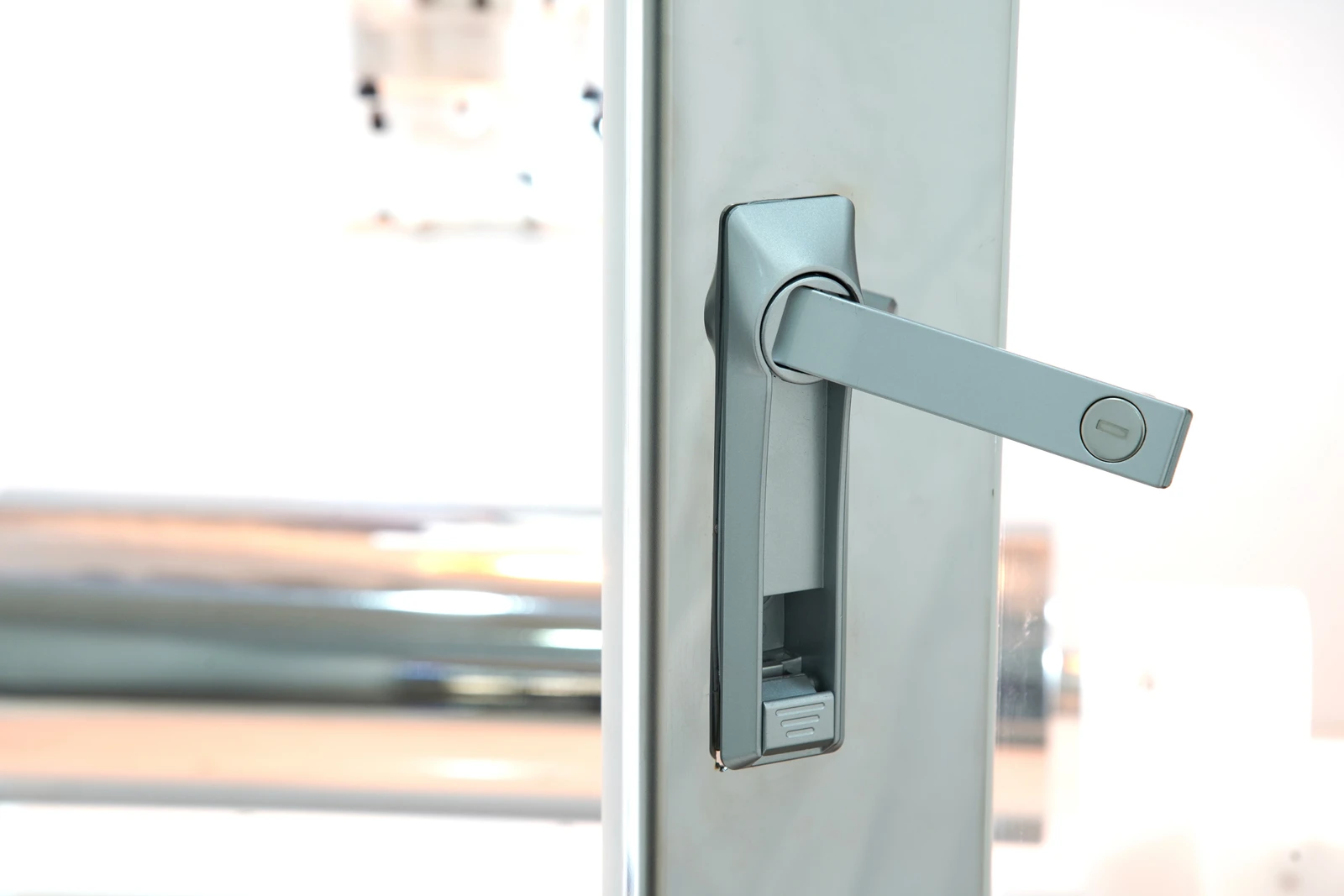
Safety & installation Safety features↓ Dimensions & installation↓ Safety features Emergency stop for rapid shutdown. Overvoltage and overcurrent protection automatically stop operation. The door interlock disables high voltage when the chamber opens. Multi-point grounding connects the enclosure, syringe pumps and collectors. Dimensions & installation 1500 × 850 × 1740.74 mm, width × depth × overall height. Overall height includes casters and top-mounted components. 220 V / 50 Hz, rated power 1 kW. No water connection required. Arrange the installation layout for the laboratory. Service & support 3-year warranty, lifetime maintenance, software upgrades, process support and application training.