
Electrospinning

TL-400V

Laboratory electrospinning platform with multiple HV supplies

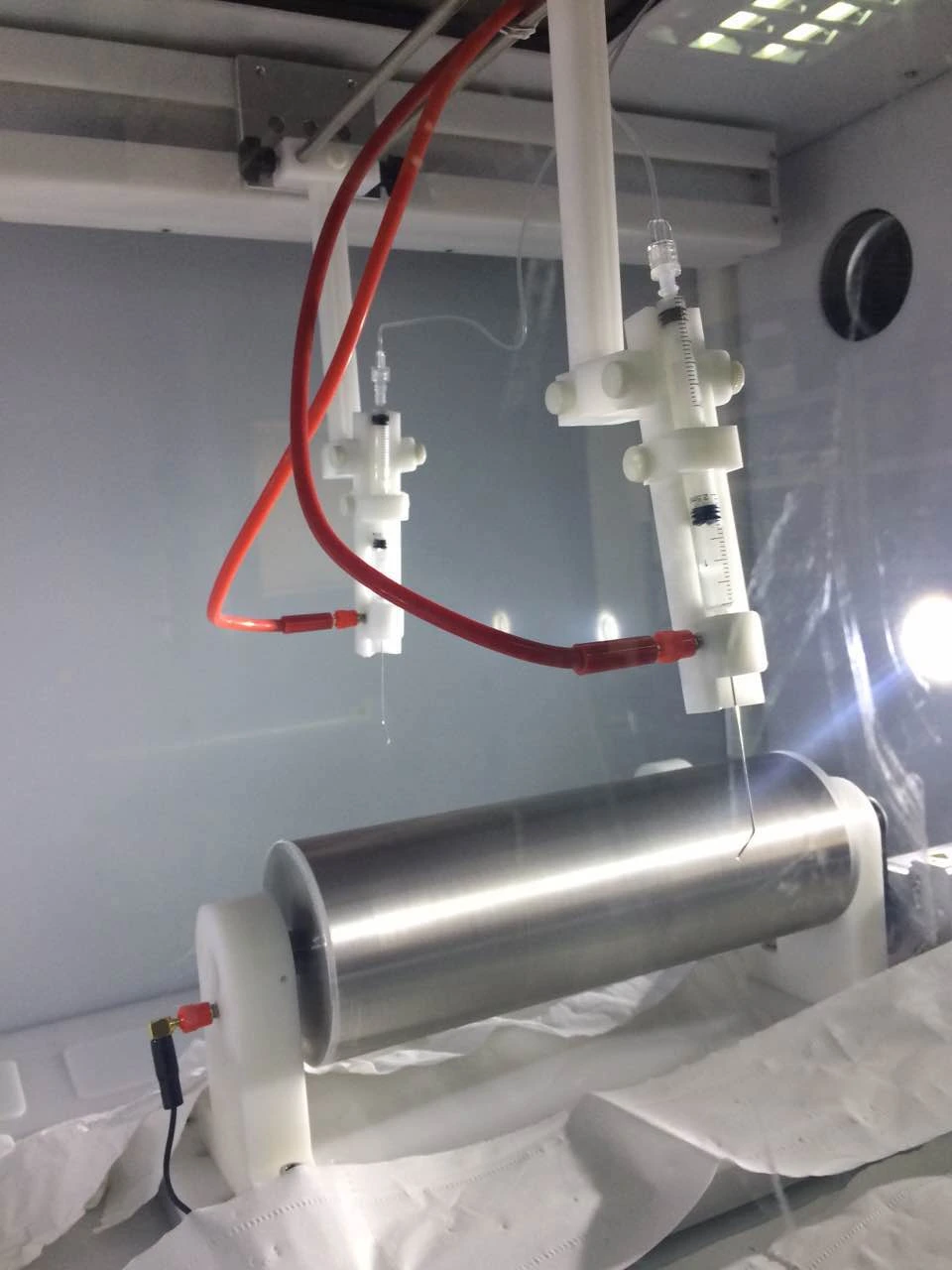
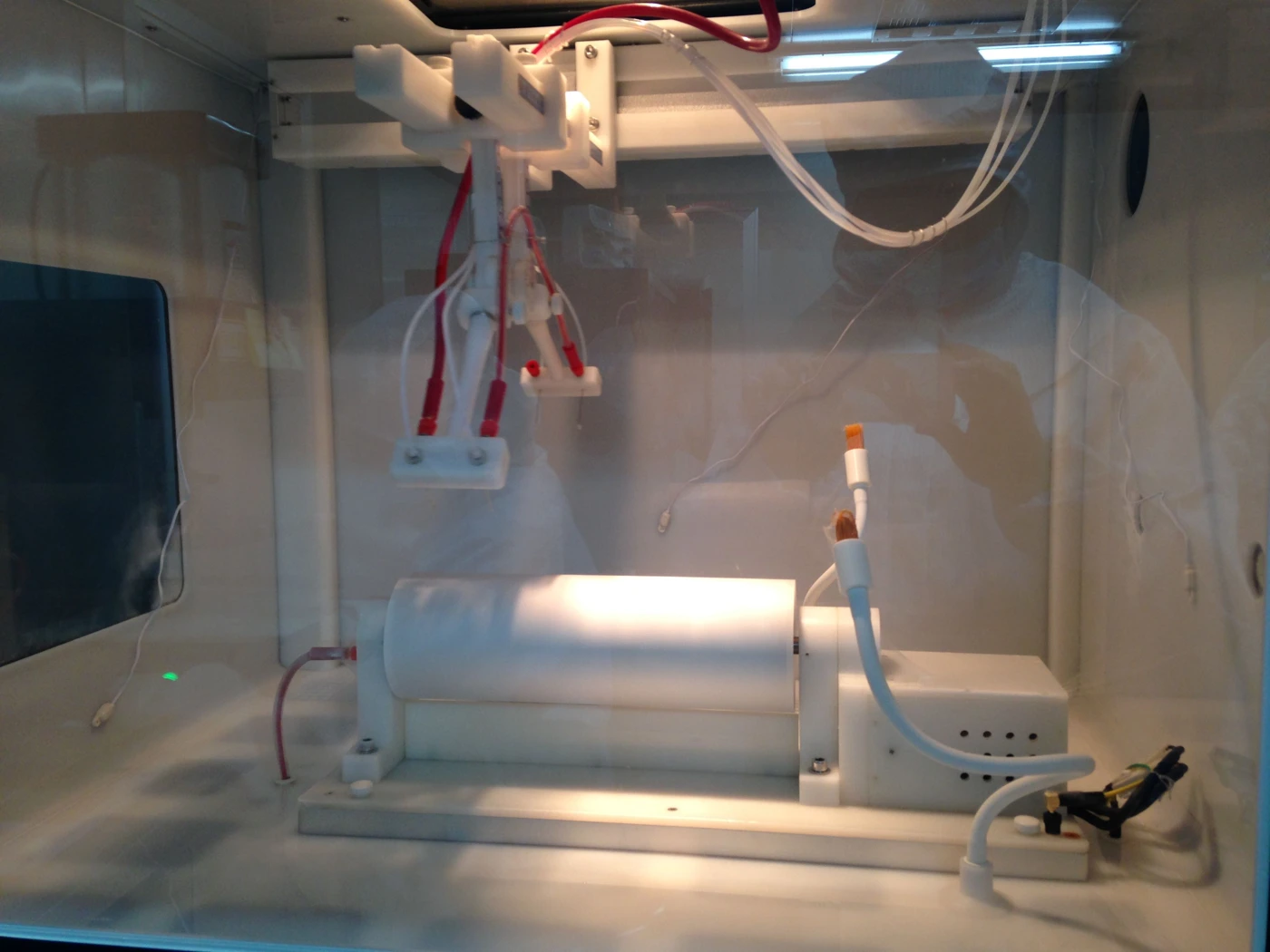
Configure high-voltage polarity, feeding, spinnerets and collection around your experiment. TL-400V combines six independent feeding channels, a 400 mm drum or mandrel and 500 mm spinneret travel in a vertical laboratory platform.

6
Independent feeding channels
400 mm
Drum / mandrel length
500 mm
Travel beyond collector ends

01

Platform & control

Integrated vertical laboratory platform

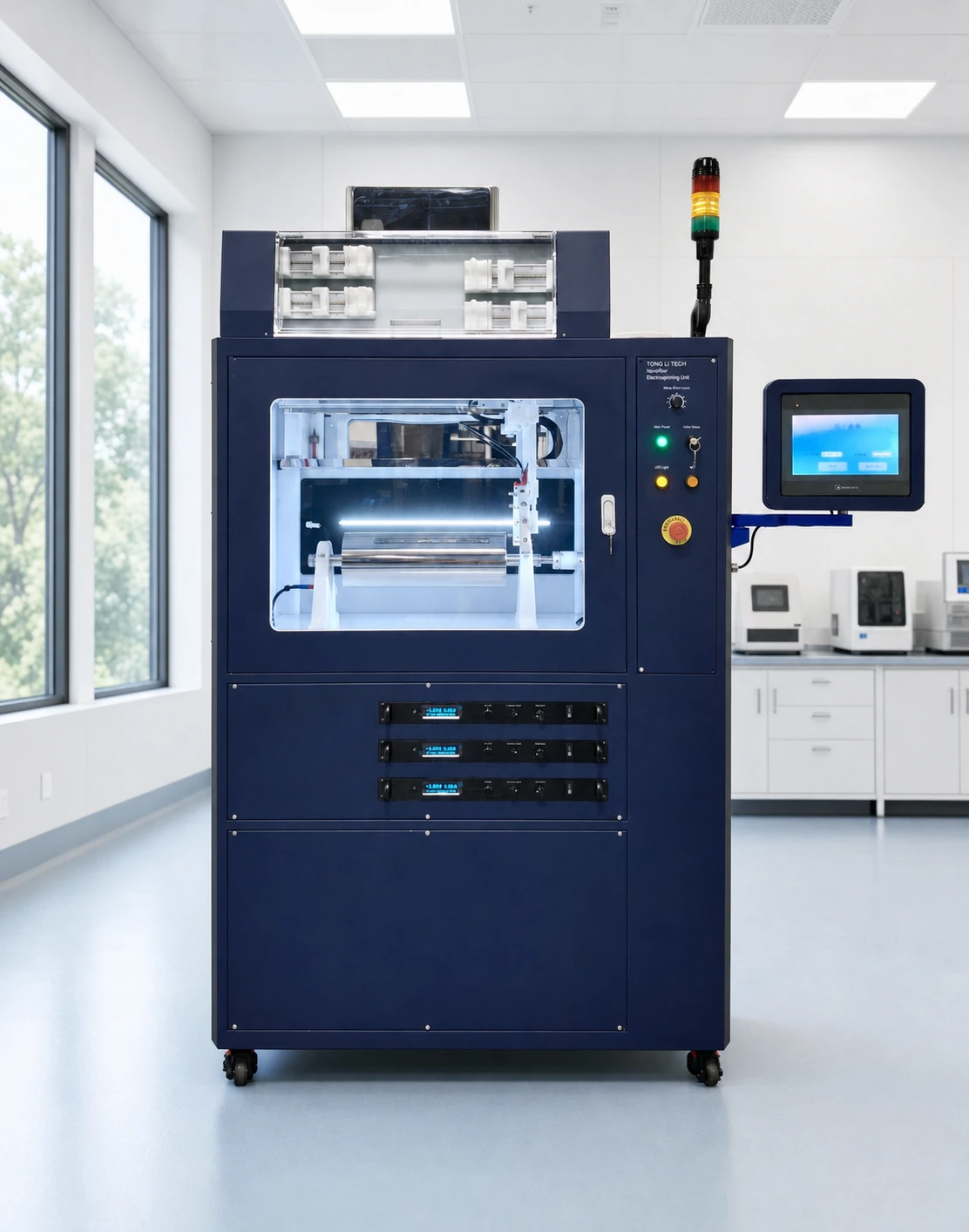
TL-400V integrates the spinning chamber, fluid feeding, high-voltage supplies and controls in one vertical laboratory platform. Select the number and polarity of supplies, spinneret arrangement and collector modules for your materials and target fiber structures. Additional process modules can be integrated as research requirements develop.
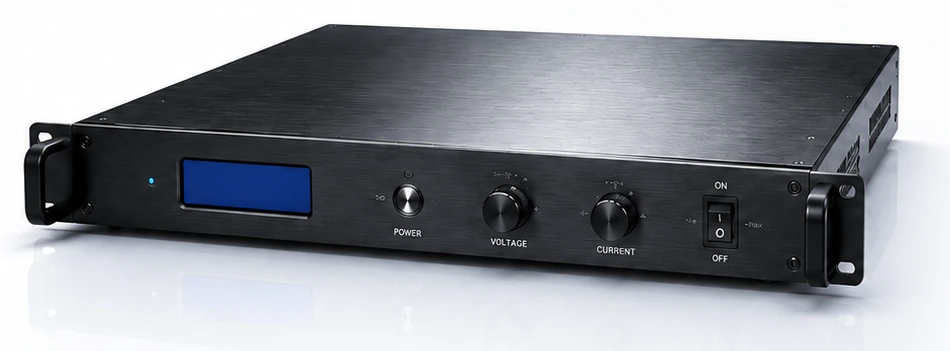
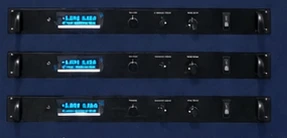
Multiple high-voltage supplies

Choose three positive supplies, or two positive supplies and one negative supply for combined-polarity processes. Additional supplies can be integrated. Positive and negative supplies are available in 30–50 kV ratings, with each range selected for the process. Voltage monitoring and automatic compensation support output stability.

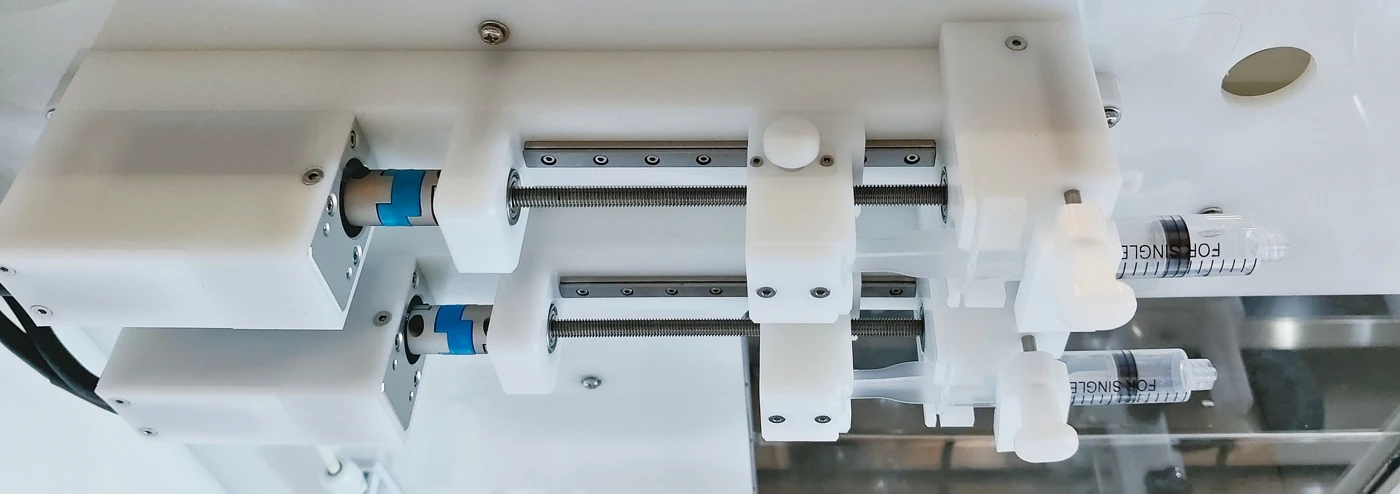
Six independent servo-driven feeds

Each channel has independently adjustable plunger speed. High-thrust servo drives include high-voltage insulation. Feeding can expand to 8–10 channels using internal or external syringe pumps to suit the material components and process.

Centralized touchscreen control

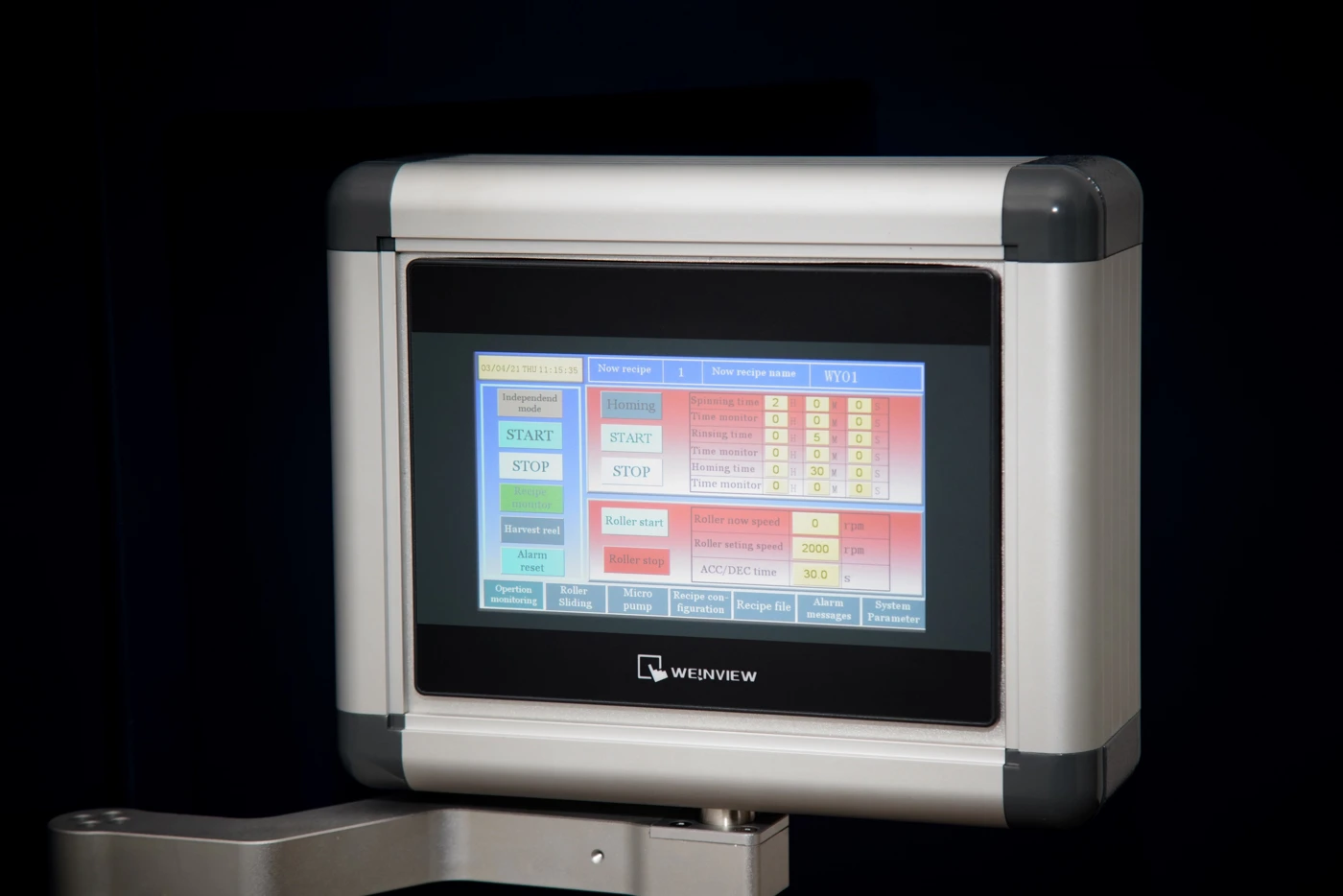
A 10-inch touchscreen and physical shortcut buttons coordinate high-voltage output, syringe pumps, spinneret movement and collector rotation. Operating parameters can be recorded. Recipe sequencing and data export can be customized.

500 mm travel for 400 mm collectors

The drum and mandrel are 400 mm long. The spinneret carriage travels 500 mm so the spinnerets pass beyond the collector ends before reversing. Motorized X-axis traverse runs at 1–40 mm/s. Y and Z positions adjust manually with scale markings. Additional axes and programmed toolpaths can be customized.

02

Process environment

Temperature, humidity and airflow

Standard dehumidification reaches approximately 30% RH. Dust-free heating is adjustable from ambient temperature to 45°C. Optional enhanced dehumidification reaches 20% RH, while optional mist-free evaporative humidification covers 50–80% RH. Intake and exhaust arrangements follow the system configuration. Performance depends on site conditions and process load.

03

Spinnerets

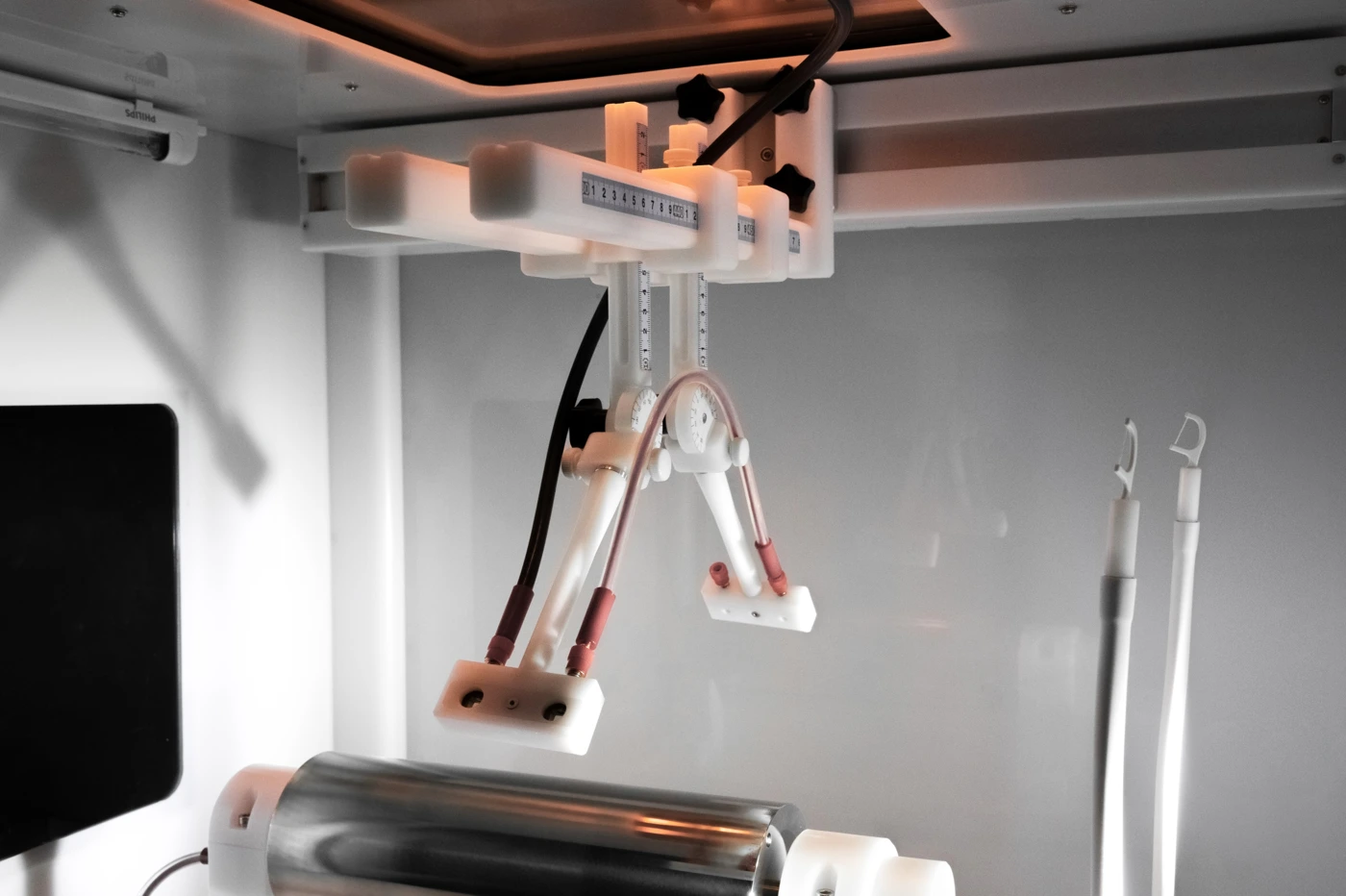
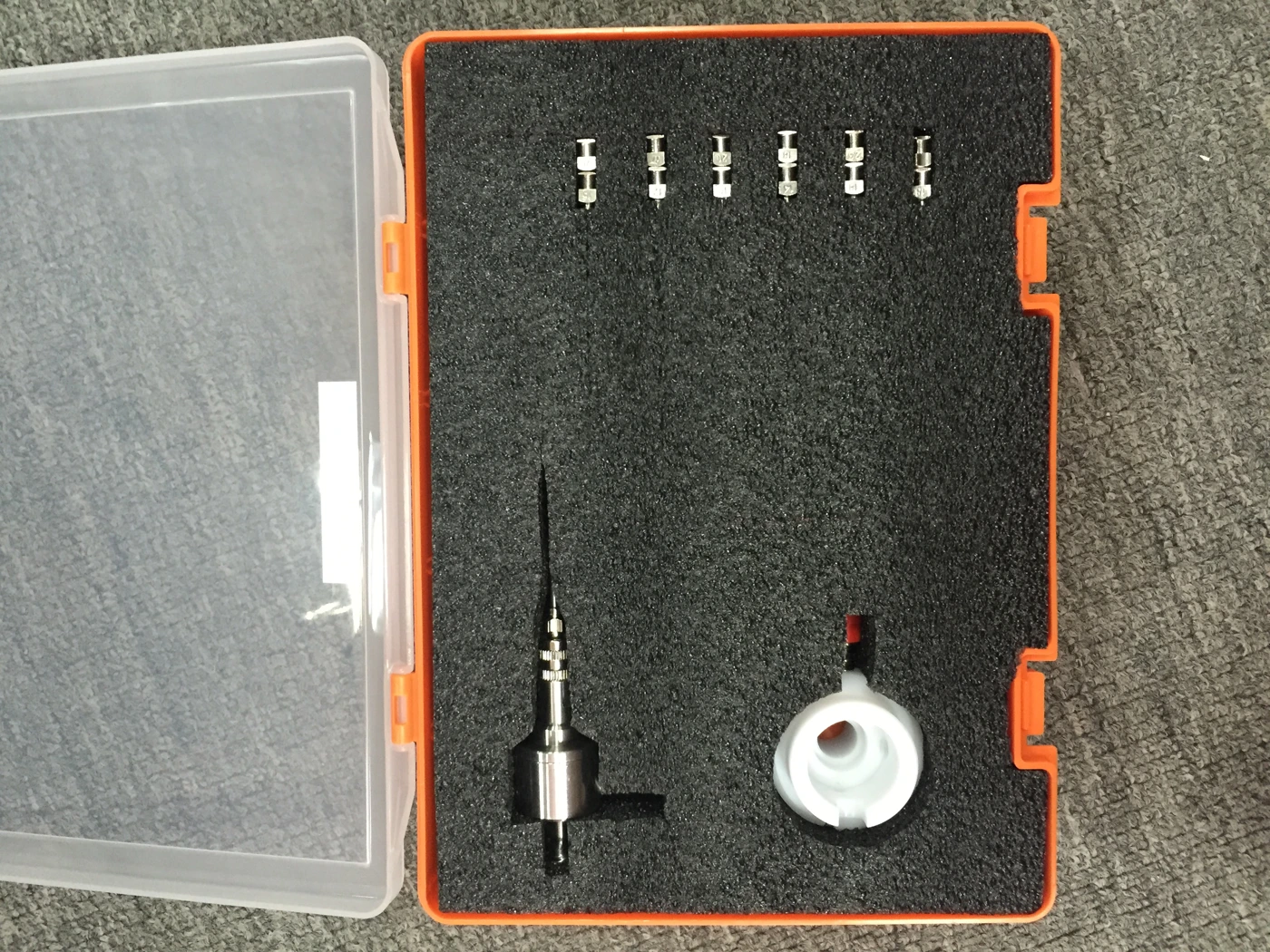
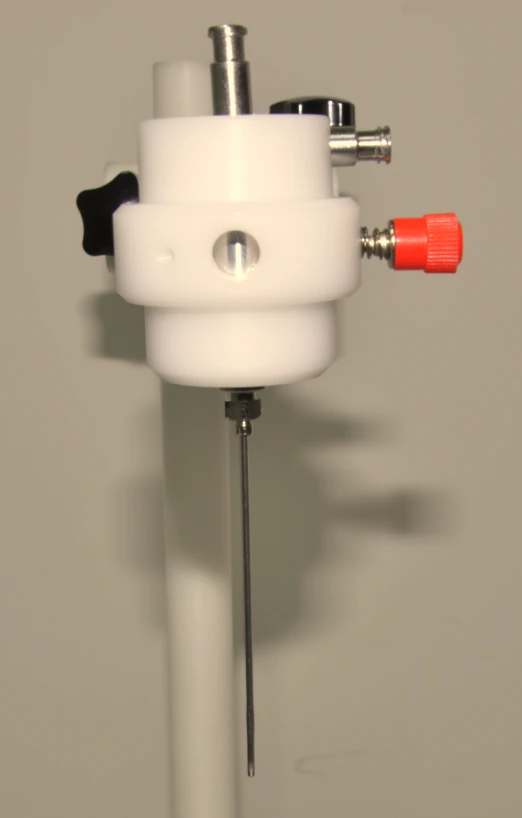
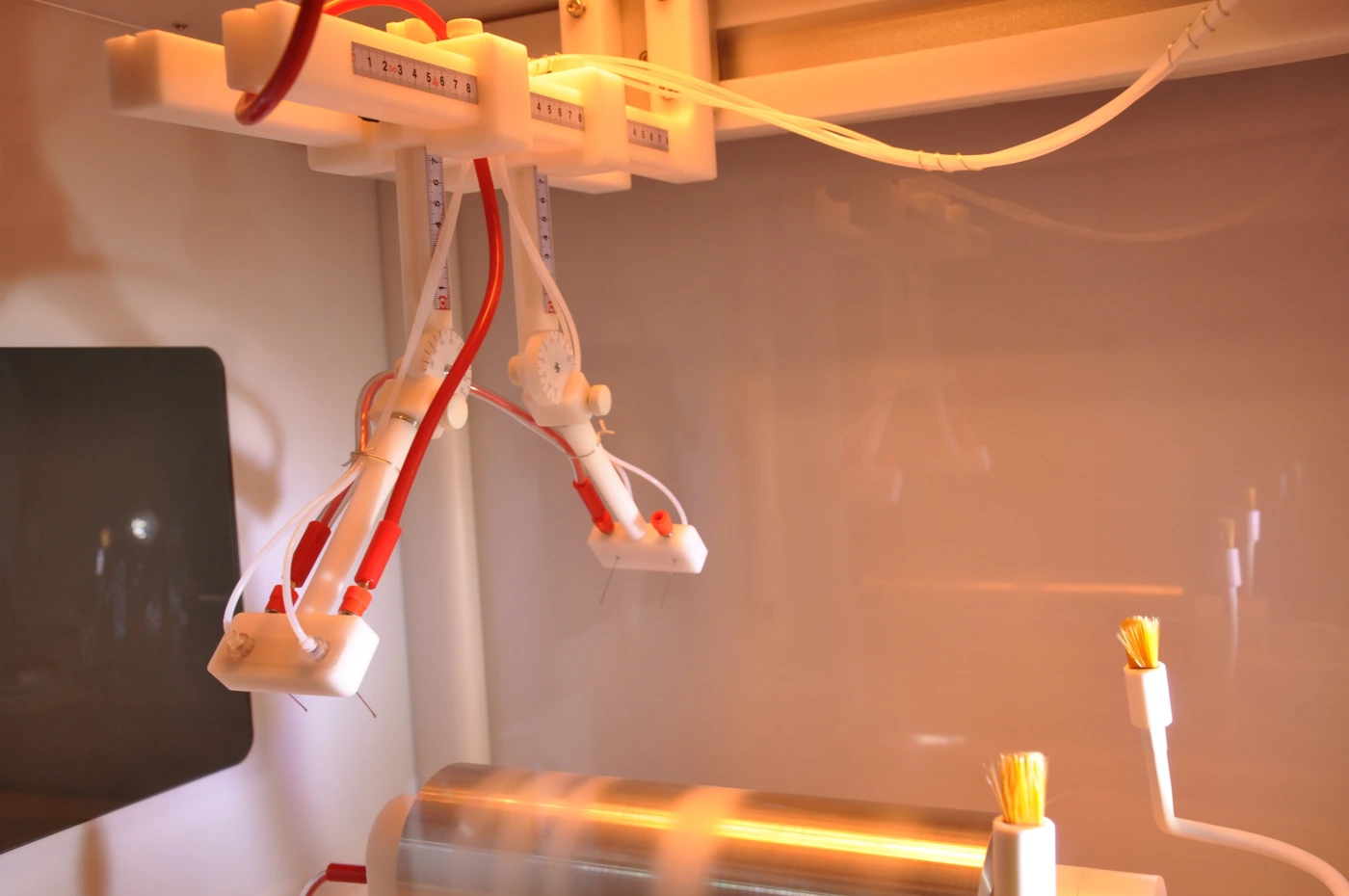
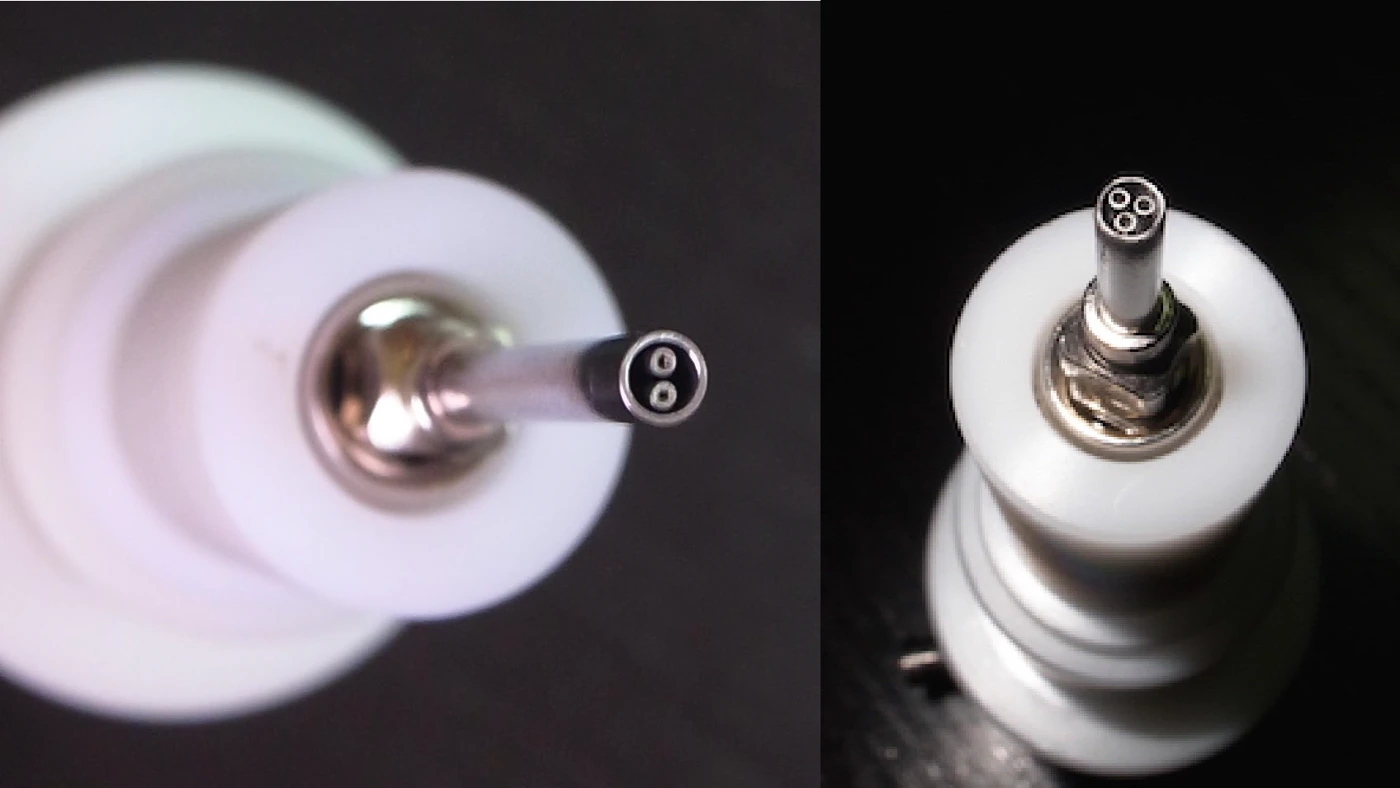
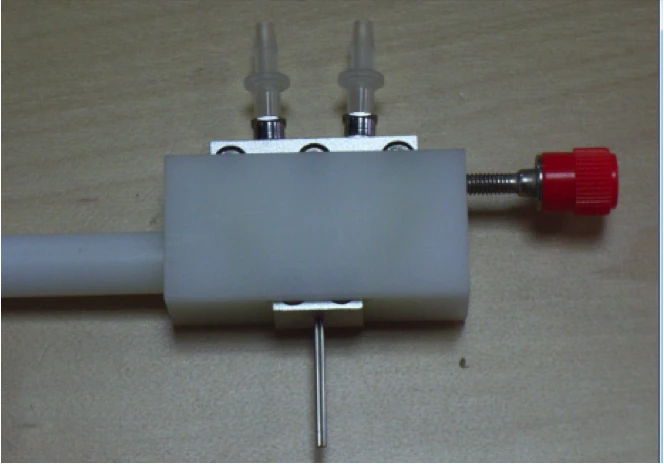
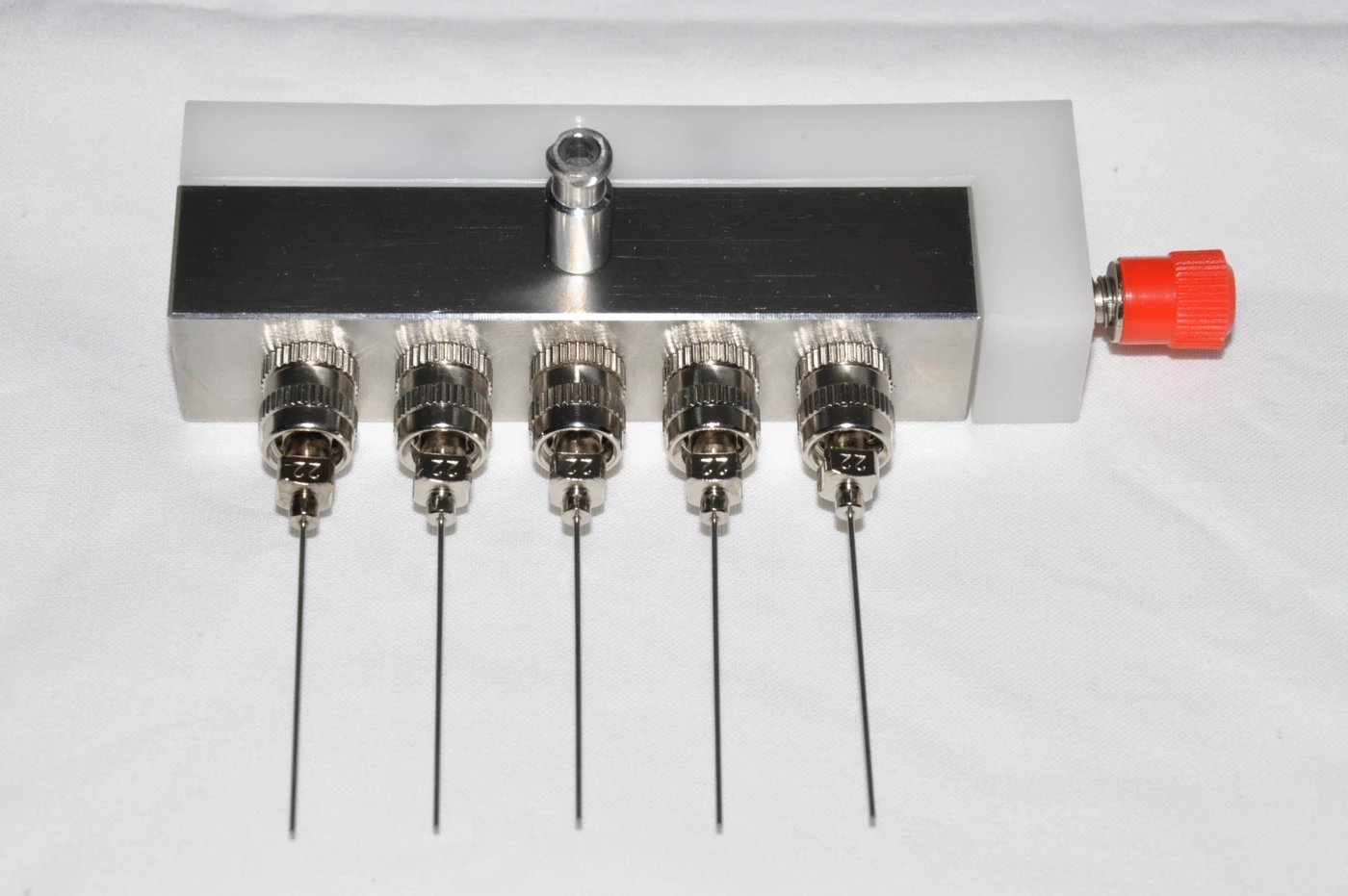
Module photographs show representative configurations. The selected components and quantities are defined in the project specification.

Standard and low-volume spinnerets

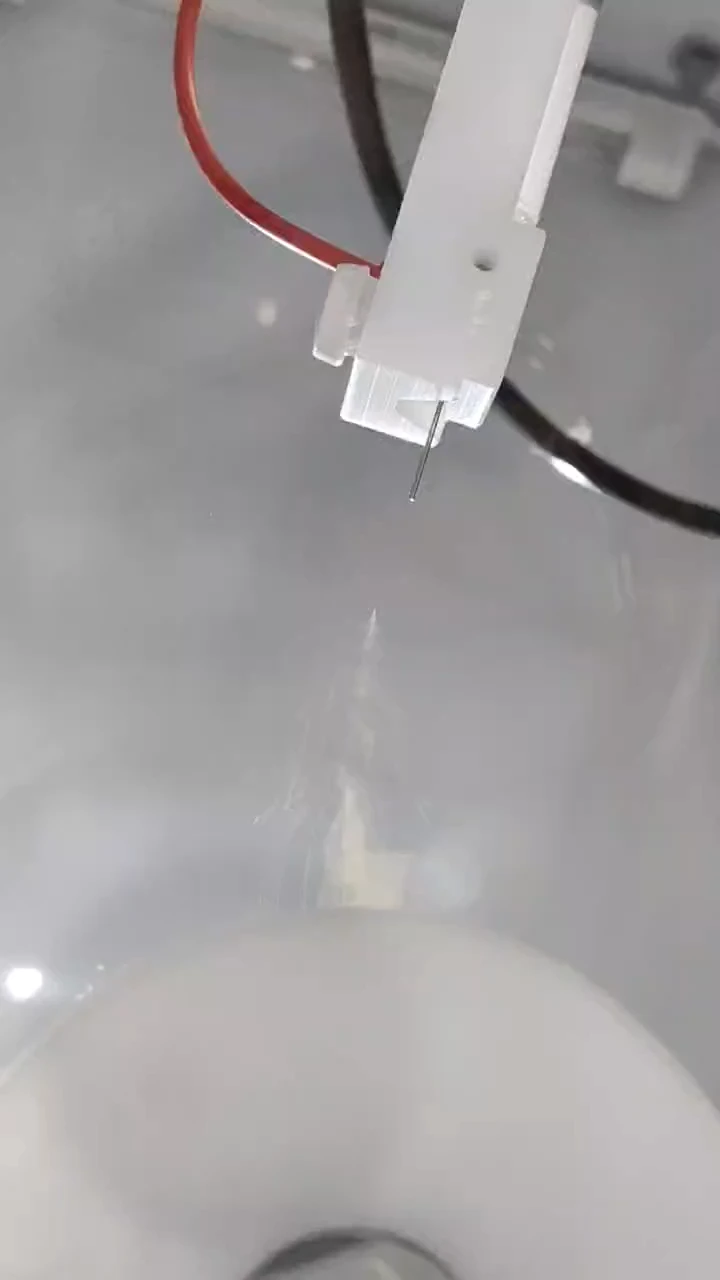
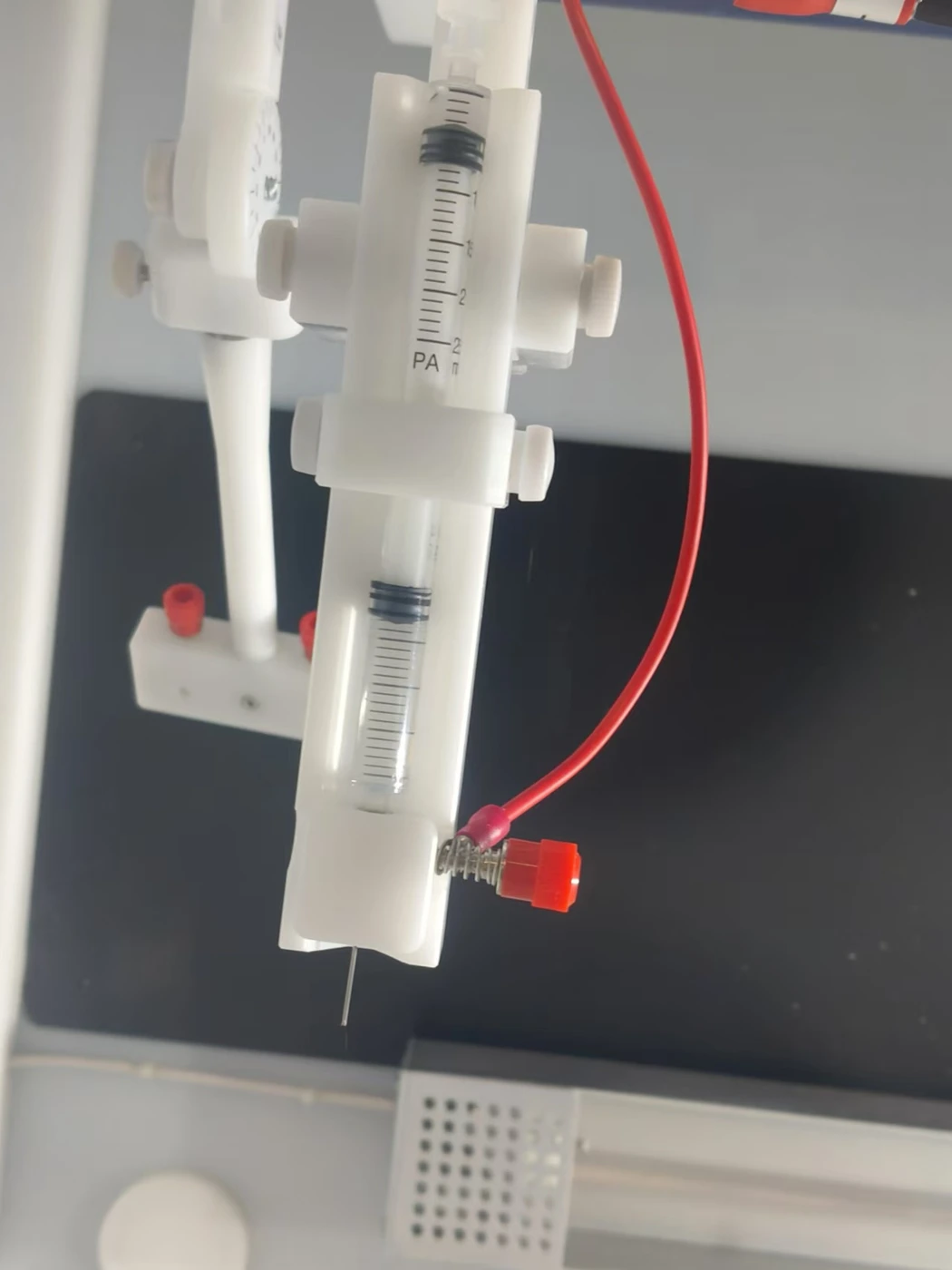
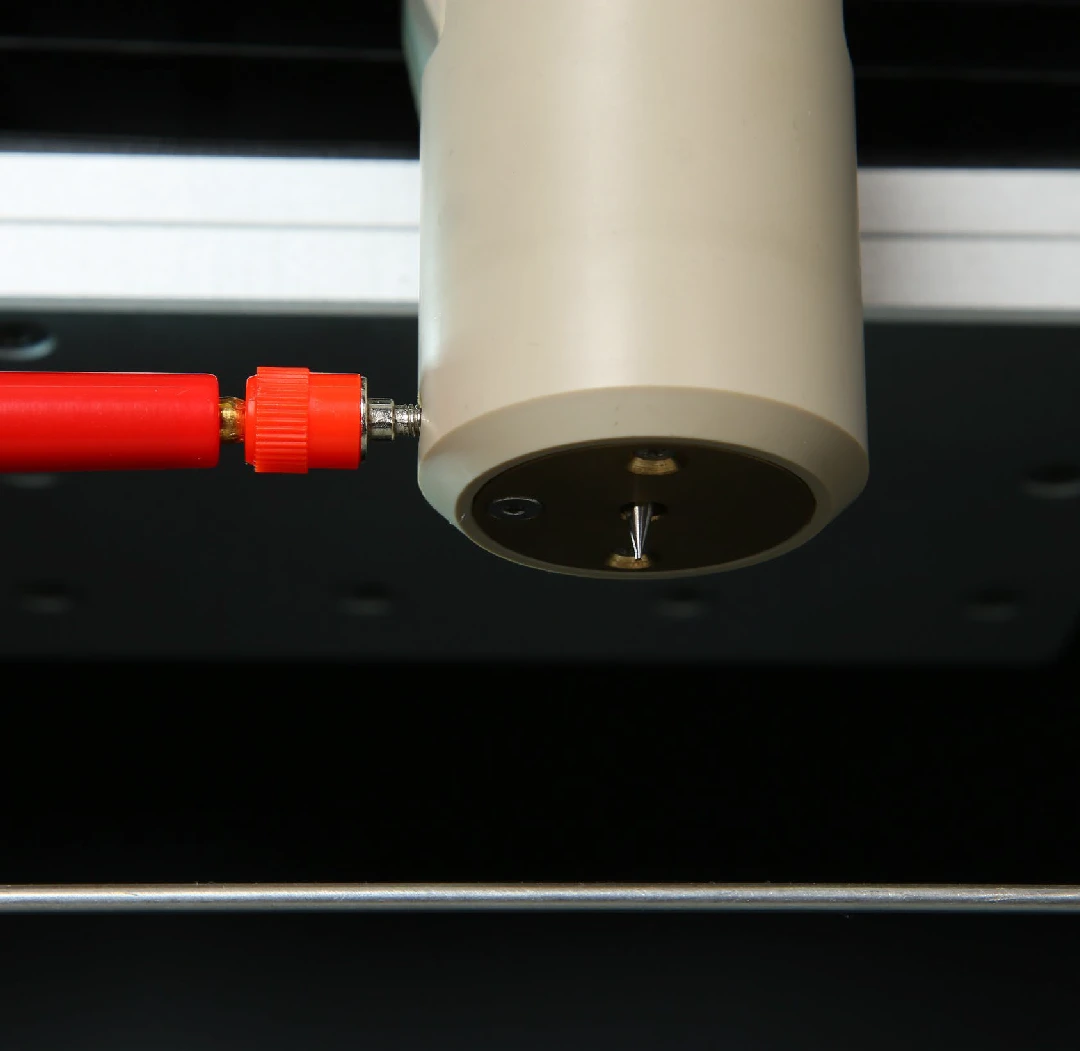
The standard single-needle holder accepts metal needles, with 100 stainless-steel needles in assorted sizes. Two low-volume spinnerets connect the syringe directly to the needle for trials with 0.5 mL of solution. Spinning angle and tip-to-collector distance are adjustable.

V-shaped and conjugate configurations

V-shaped assemblies carry 4–8 spinnerets with adjustable angles, distances and position scales. Conjugate configurations connect two needle groups to positive and negative HV supplies for composite membranes and nanofiber yarn research. A suitable negative supply is required.

Special cross-sections and arrays

Islands-in-the-sea heads use two or three independent feeds for multicomponent structures. Side-by-side heads use two feeds and five needle sets. Optional linear, annular and array layouts can use a one-inlet, N-outlet distributor. Automatic needle cleaning operates during spinning at an adjustable frequency. Spinneret counts and cleaning assemblies follow the selected configuration.

04

Fiber collection

400 mm drum and mandrel

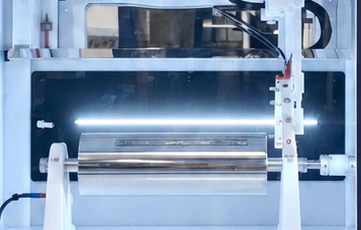
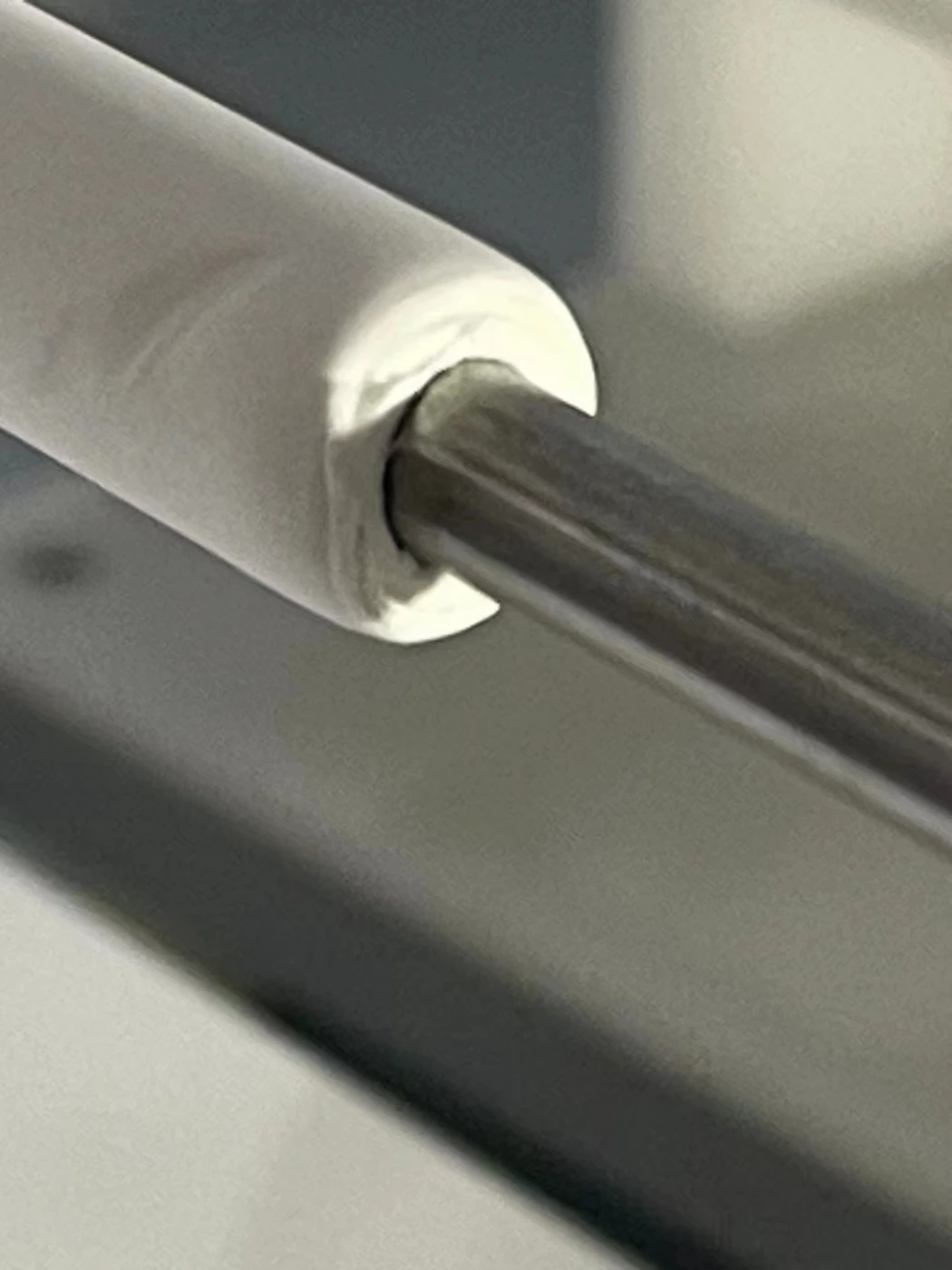
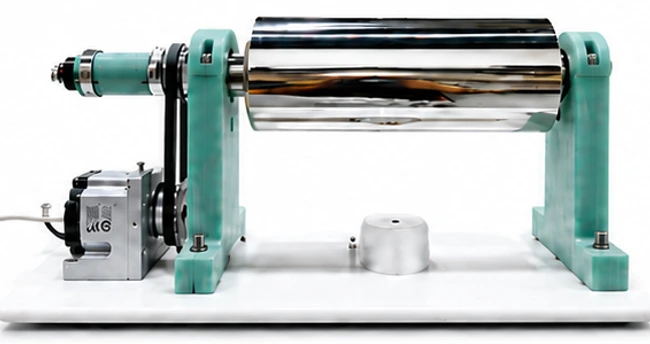
The main drum is Ø100 × 400 mm, with 1–1000 rpm rotation and ±1 rpm speed accuracy. Mandrels are 400 mm long and 1–30 mm in diameter for hollow tubular membranes. A separate high-speed drum option is Ø100 × 300 mm, 1–5000 rpm, ±1 rpm. Custom dimensions and heating are available.

Aligned fiber collection

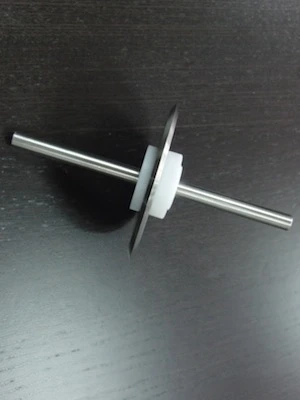
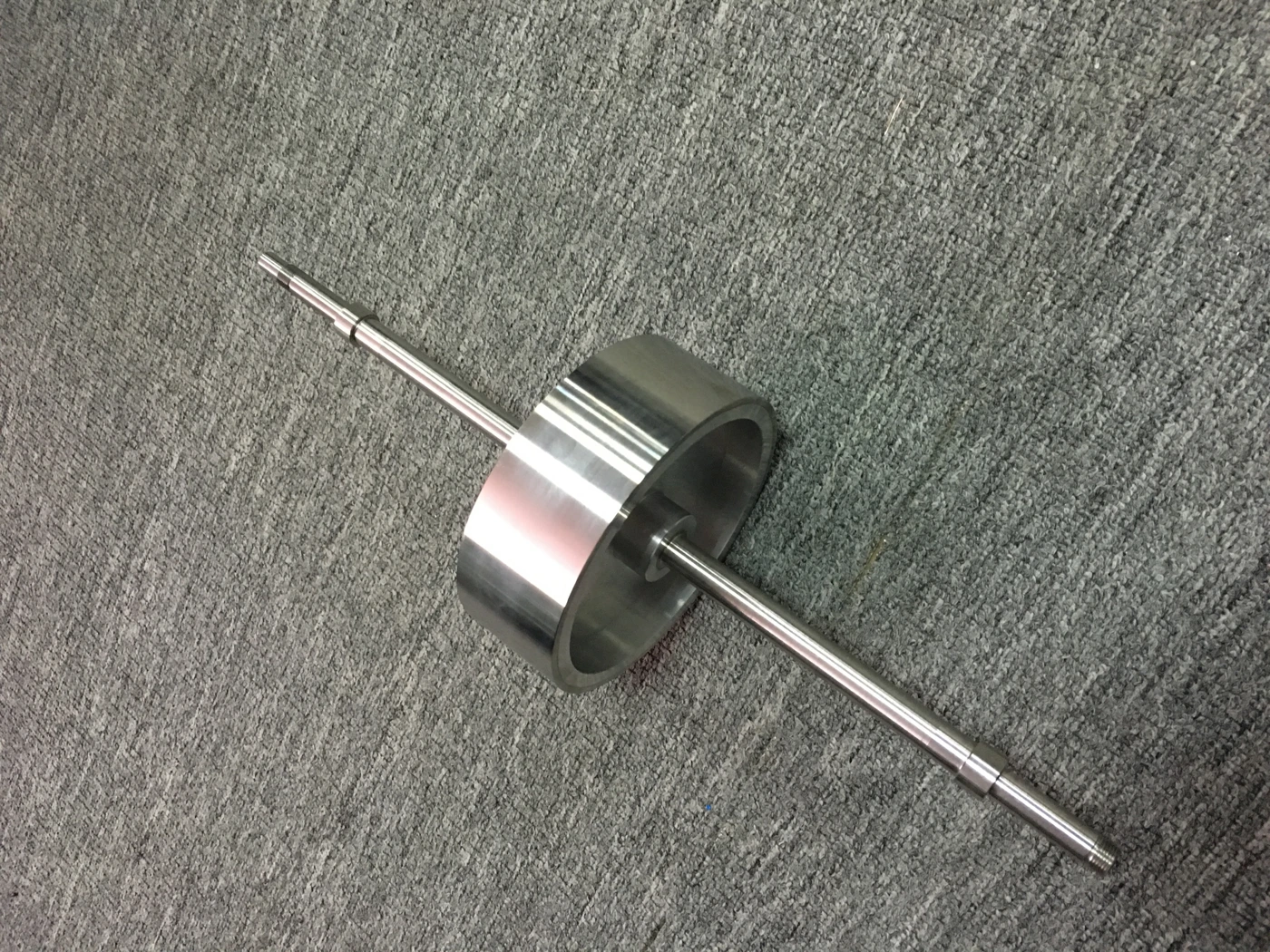
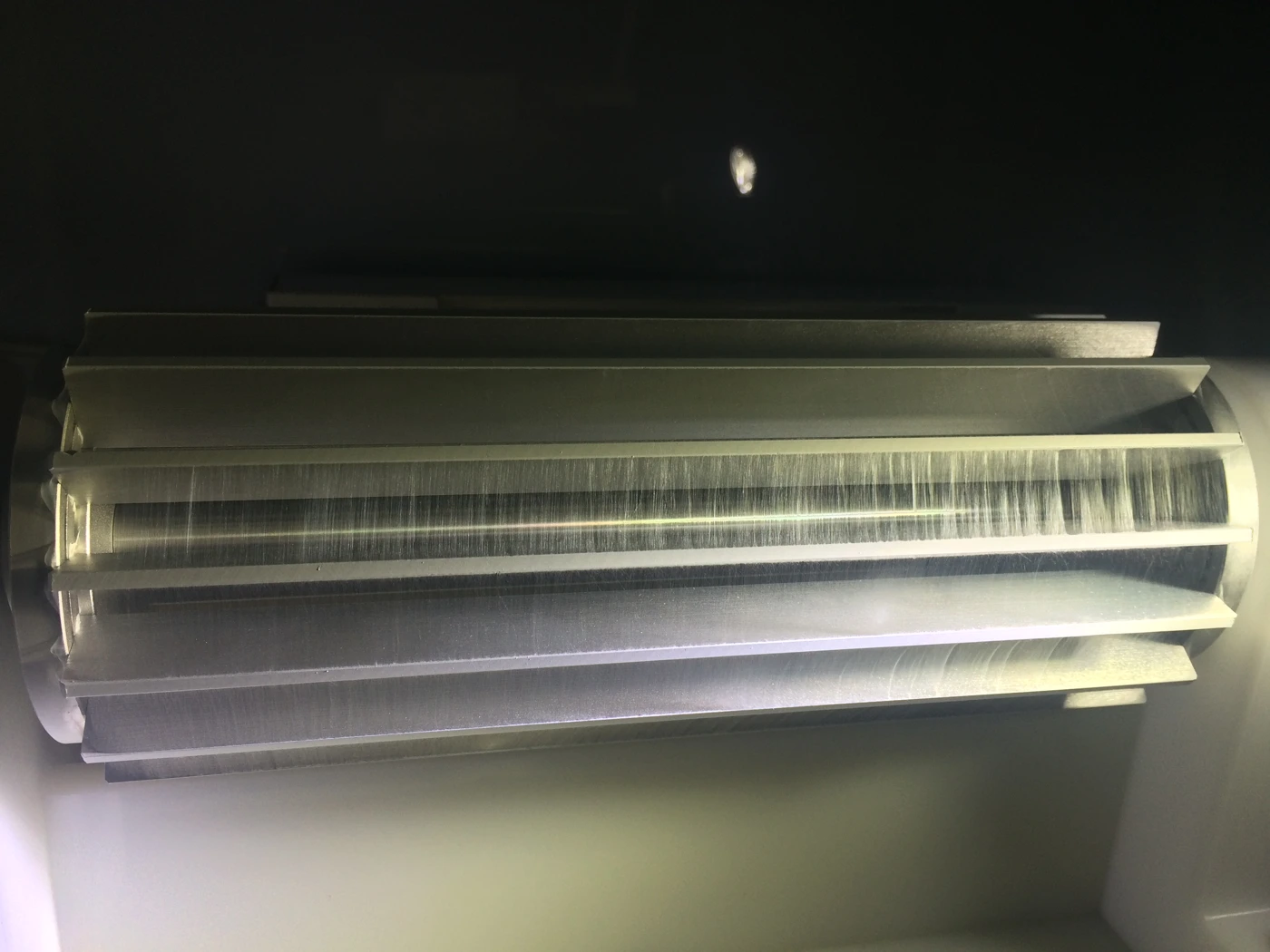
The Ø140 mm rotating disc offers different edge profiles. A Ø140 × 50 mm drum collects narrow aligned membranes. Both operate at 1–5000 rpm with ±1 rpm accuracy. A Ø110 × 400 mm cage-type parallel-electrode collector runs at 1–150 rpm for alignment at lower rotational speeds.

Roll-to-roll and flat-plate collection

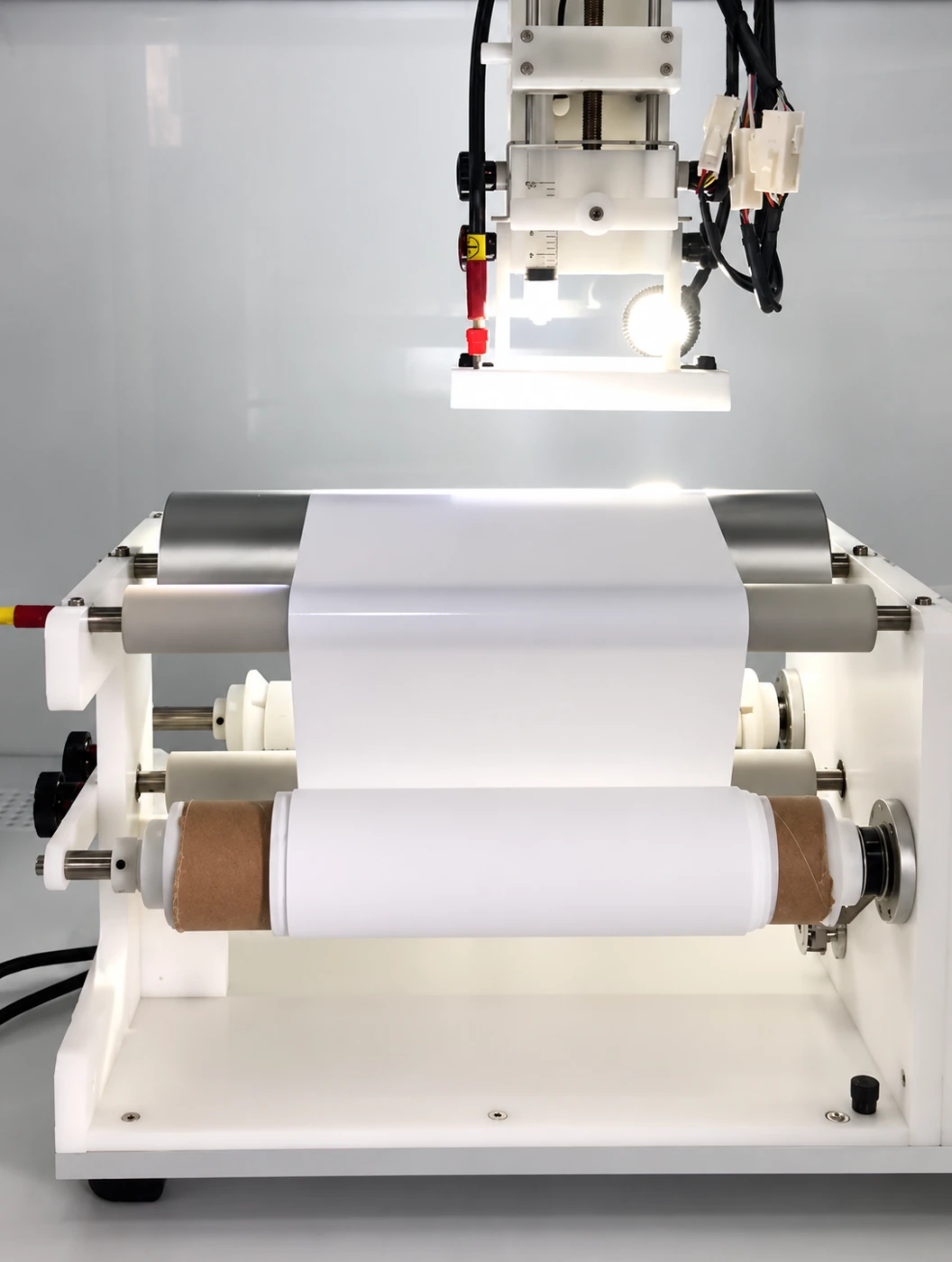
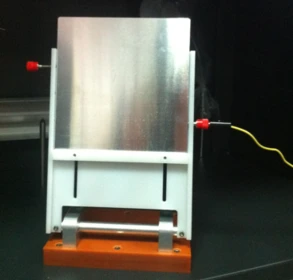
The roll-to-roll collector has a 250 mm collection width and 1–40 mm/s web speed, for continuous membrane lengths of 50–100 m depending on thickness, substrate and winding conditions. The SS316 flat plate measures 150 × 150 mm, with adjustable angle and X-Y stage compatibility. Collection width can be customized.

05

Process options

Custom sequences for composite structures

Combine electrospinning with ultrasonic spray coating or melt electrowriting. An example sequence forms a nanofiber base, adds a functional coating or structural layer, then deposits another electrospun layer. Modules can operate independently or in a custom sequence for flat, sheet or tubular composites. Coating and writing modules are project-specific options.

Heated spinneret and X-Y motion

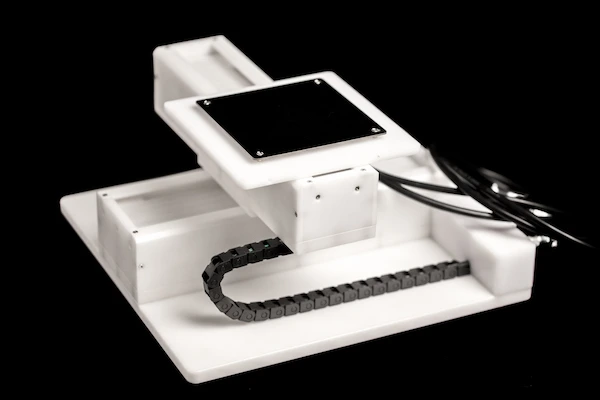
The optional heated head uses a 5 mL glass syringe from ambient temperature to 150°C and supports positive HV up to 25 kV. The optional X-Y stage provides 200 × 200 mm travel, 0–30 mm/s speed and positioning repeatability below 50 μm. CAD files and programmed input define toolpaths, with a handheld controller and separate control unit. Travel and module limits follow the selected configuration.

Nanofiber yarns and thick fibrous mats

Dedicated accessories produce nanofiber yarns with or without a core, coatings over core filaments, and thick three-dimensional fibrous mats. Sample structure depends on the materials and process conditions.

Water-bath collection and electroblowing

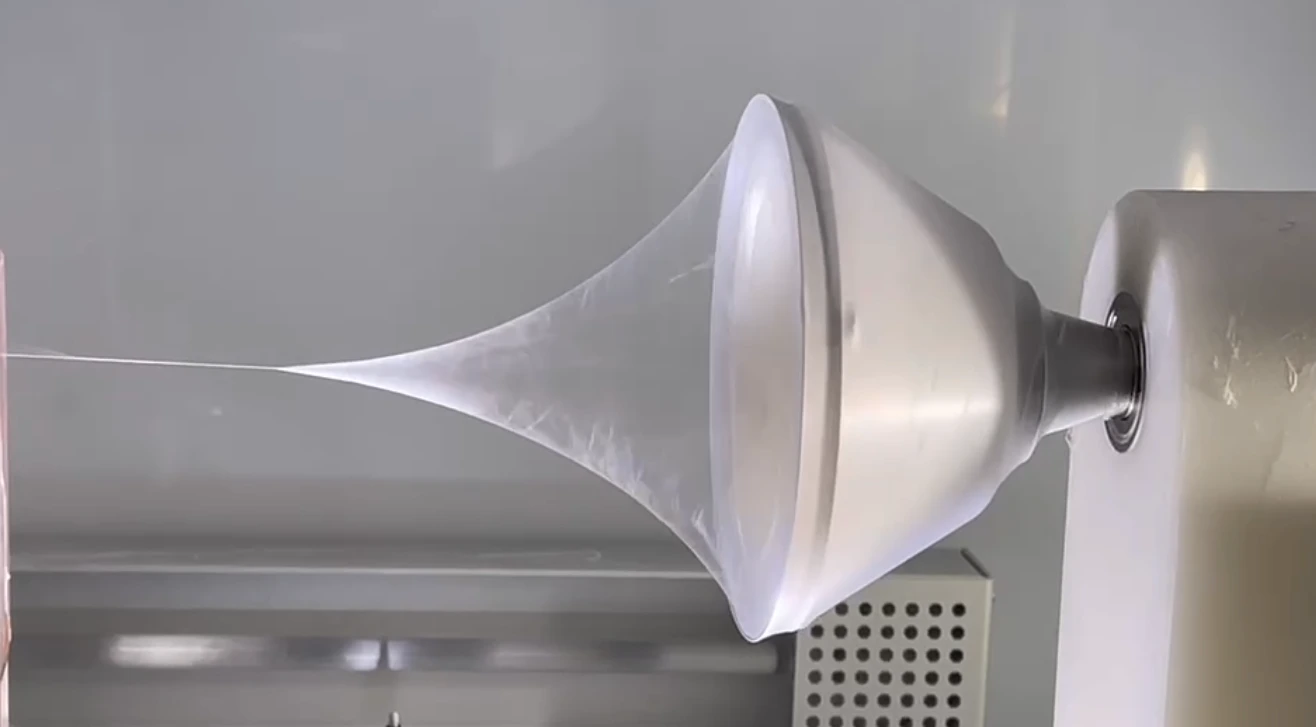
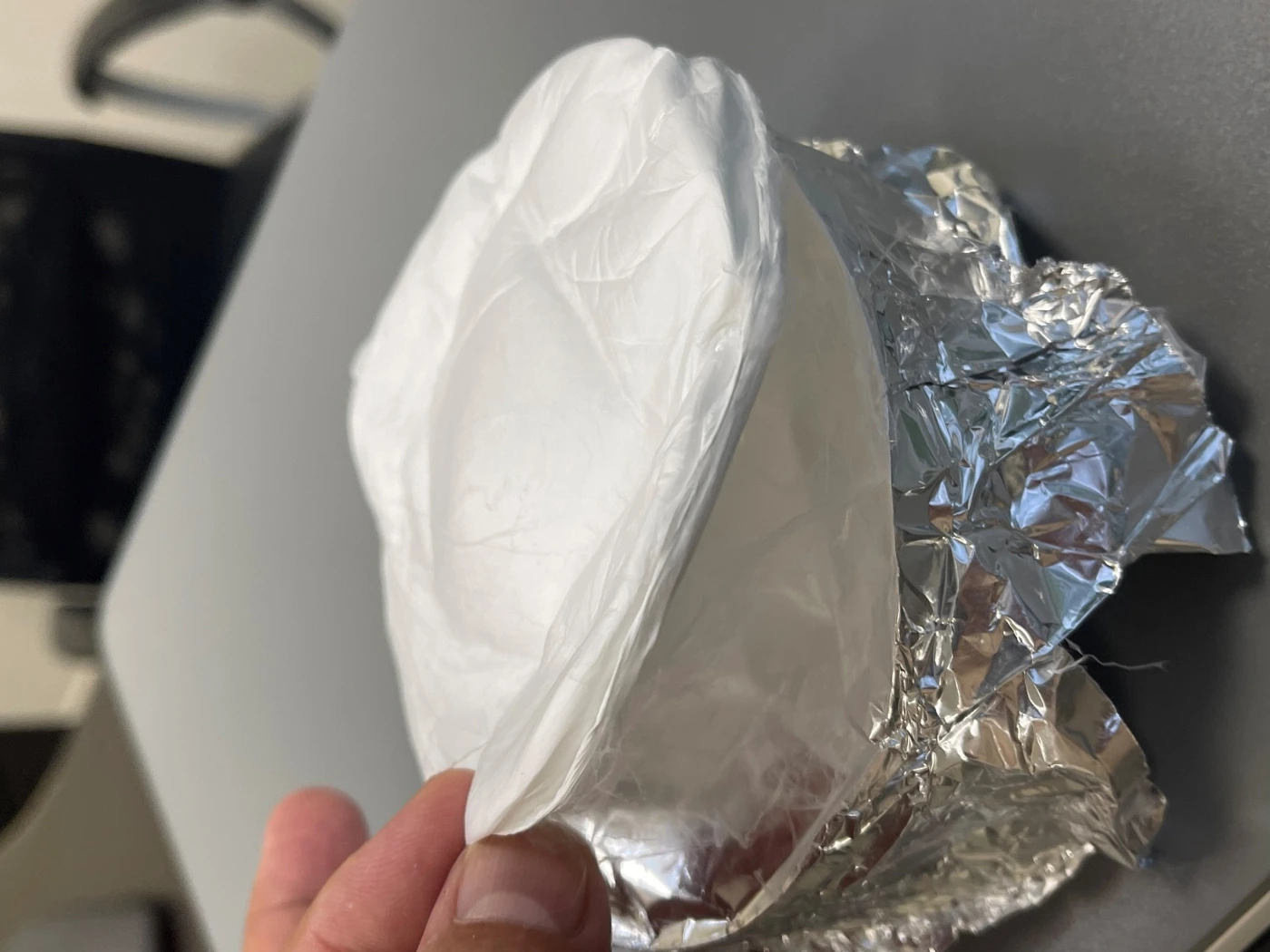
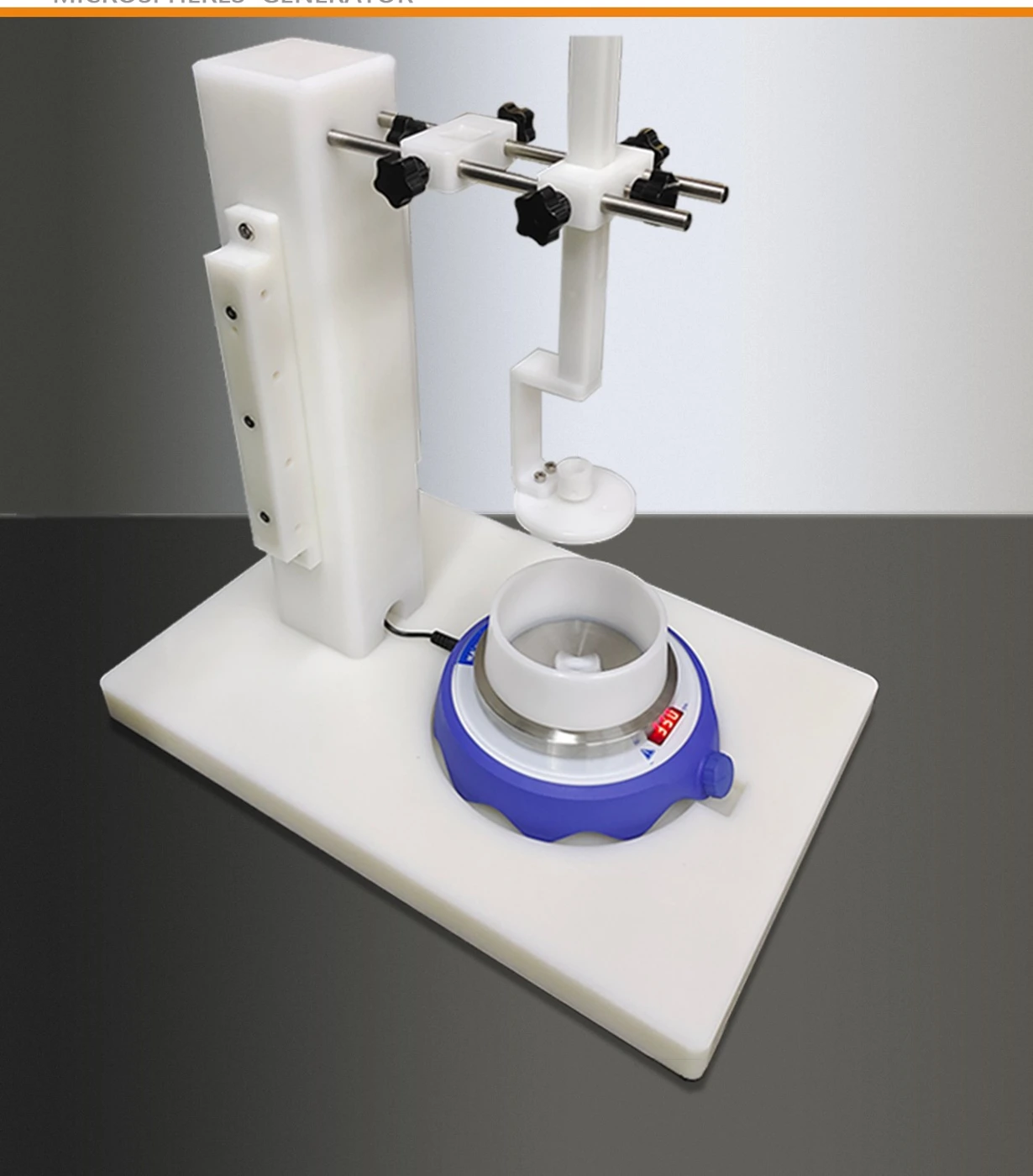
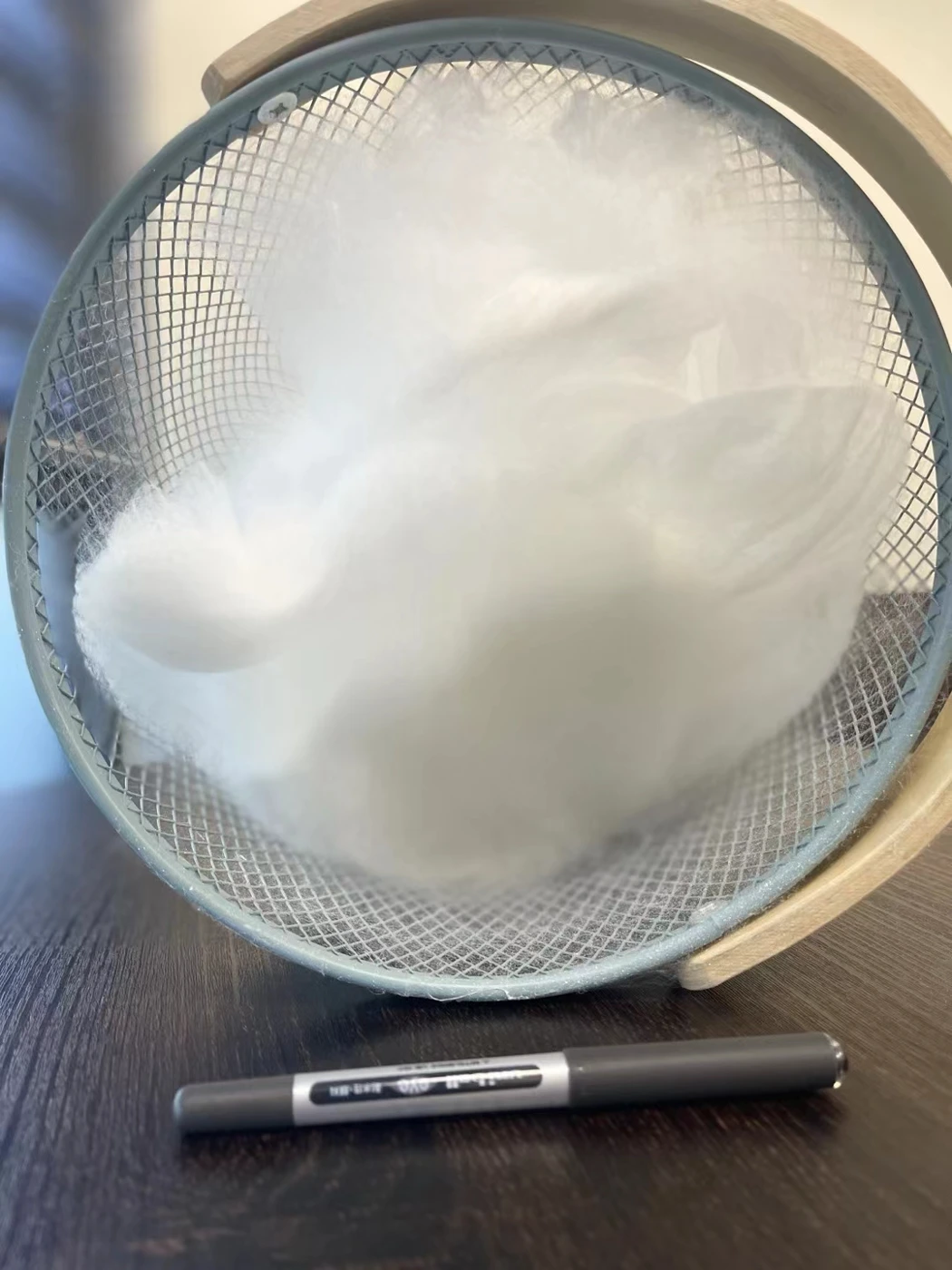
The optional water-bath module collects microspheres, short fibers and other structures, with a stirrer, insulating base, dedicated spinneret and auxiliary electrode. Electroblowing combines gas flow with an electric field for fiber membranes, lofted mats and cotton-like structures. Material compatibility is evaluated for the chosen process.

Collector heating and in-line UV curing

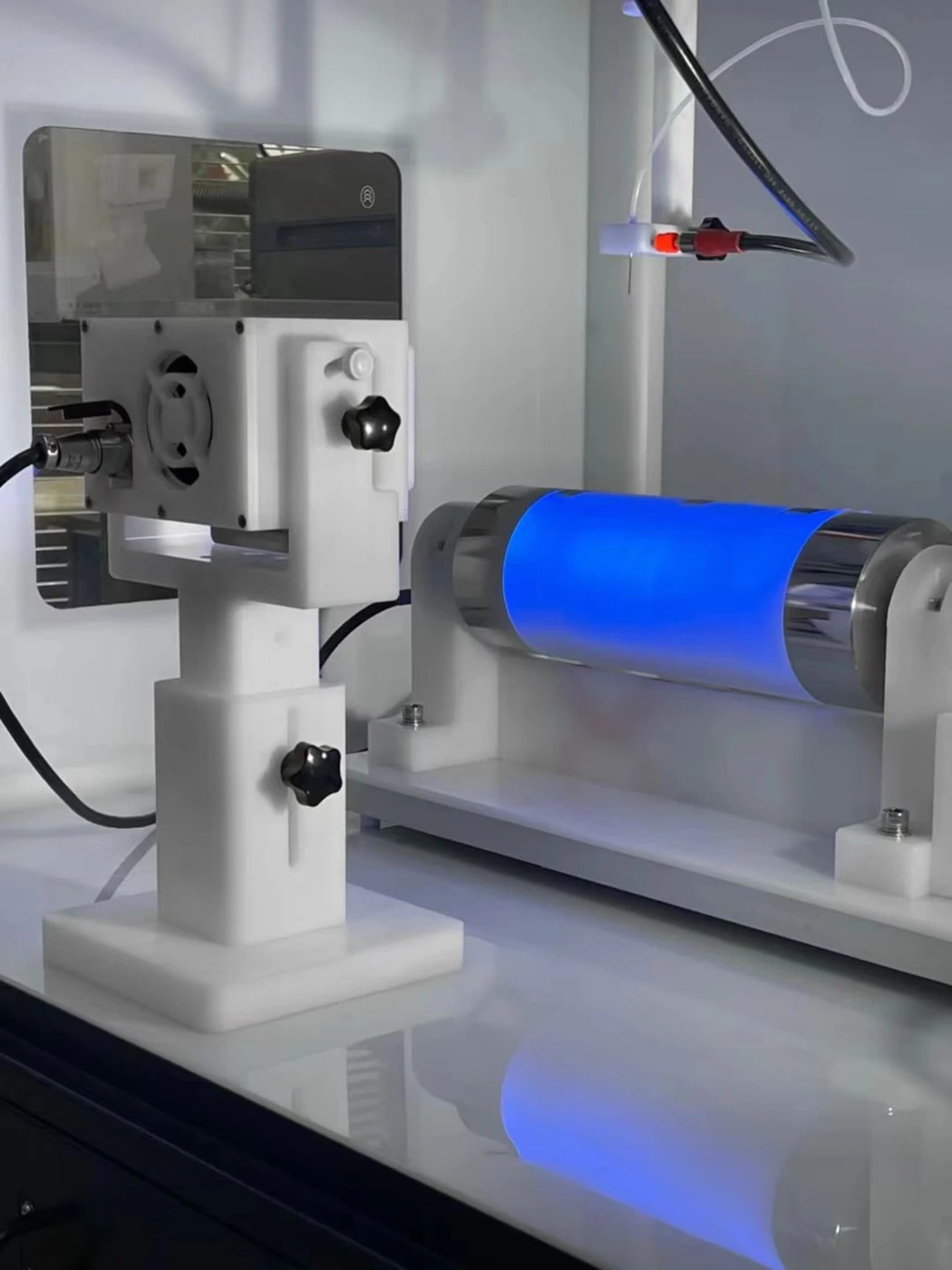
Optional independent heating reaches approximately 60°C for mandrels and 140°C for drums. In-line UV curing uses a 365 nm peak wavelength with forced-air cooling. Heating and curing modules are selected for the material and collector geometry.

Further process accessories

Glass microcapillary needles: 1–45 μm inner diameter. Microfilament collector: 10–1000 μm filament diameter. Orthogonal fiber arrays use a dedicated spinneret and rotating twin-disc collector. Rotating flat plates operate at 1–5000 rpm. Ionizing blowers provide static neutralization and auxiliary airflow. Availability and compatibility follow the project specification.

06

Specifications & delivery

ParameterSpecification
Platform configurationGeneral laboratory system
HV supply combination3 positive, or 2 positive + 1 negative; expandable
Supply voltage ratings30–50 kV
Independent feeding channels6 servo-driven channels; expansion to 8–10
Main drum length / diameter400 mm / Ø100 mm
Mandrel length / diameter400 mm / Ø1–30 mm
Spinneret X-axis travel500 mm
Spinneret traverse speed1–40 mm/s
Main drum speed / accuracy1–1000 rpm / ±1 rpm
Touchscreen10″
Standard chamber heatingAmbient to 45°C
Standard dehumidificationApprox. 30% RH

Protective functions

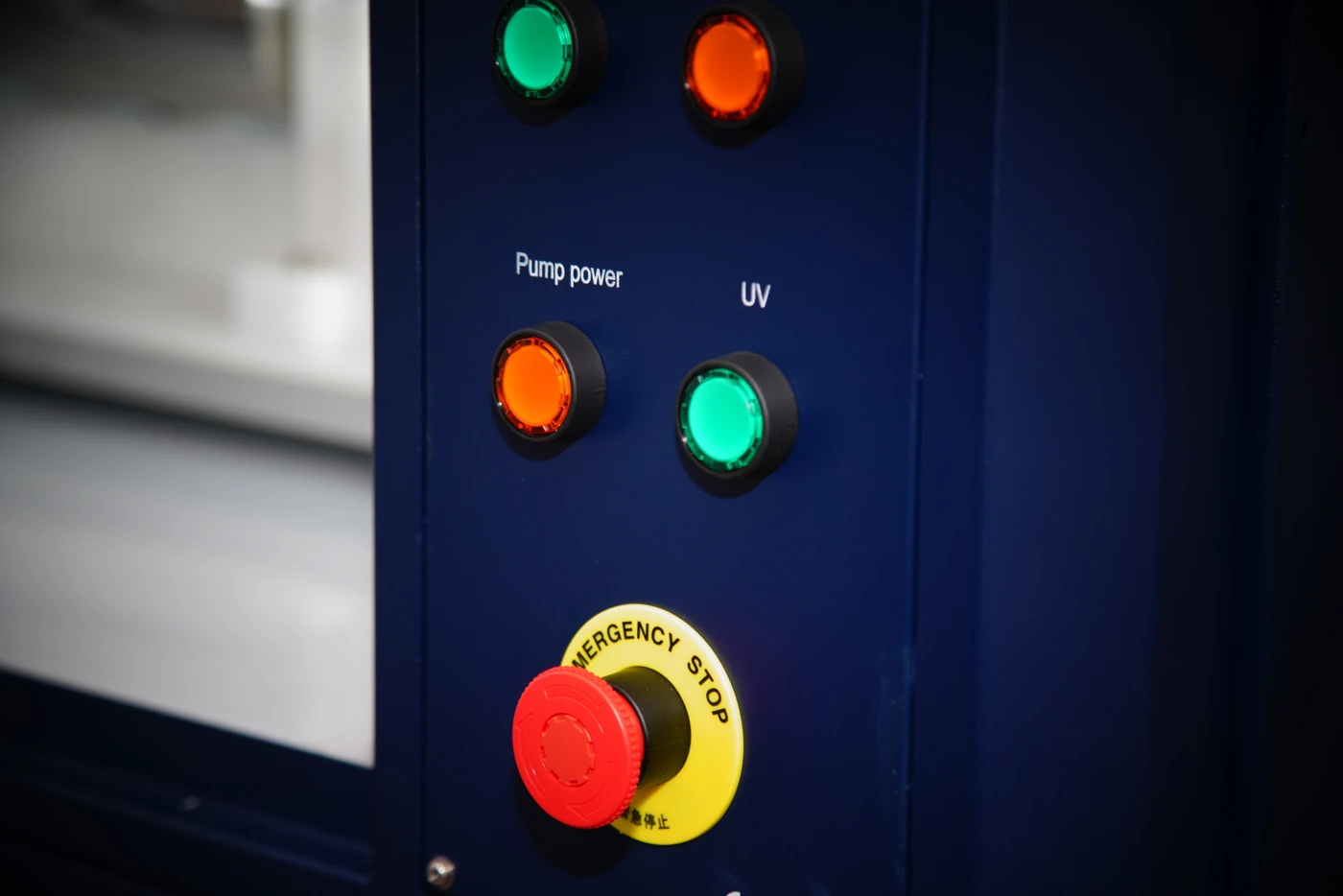
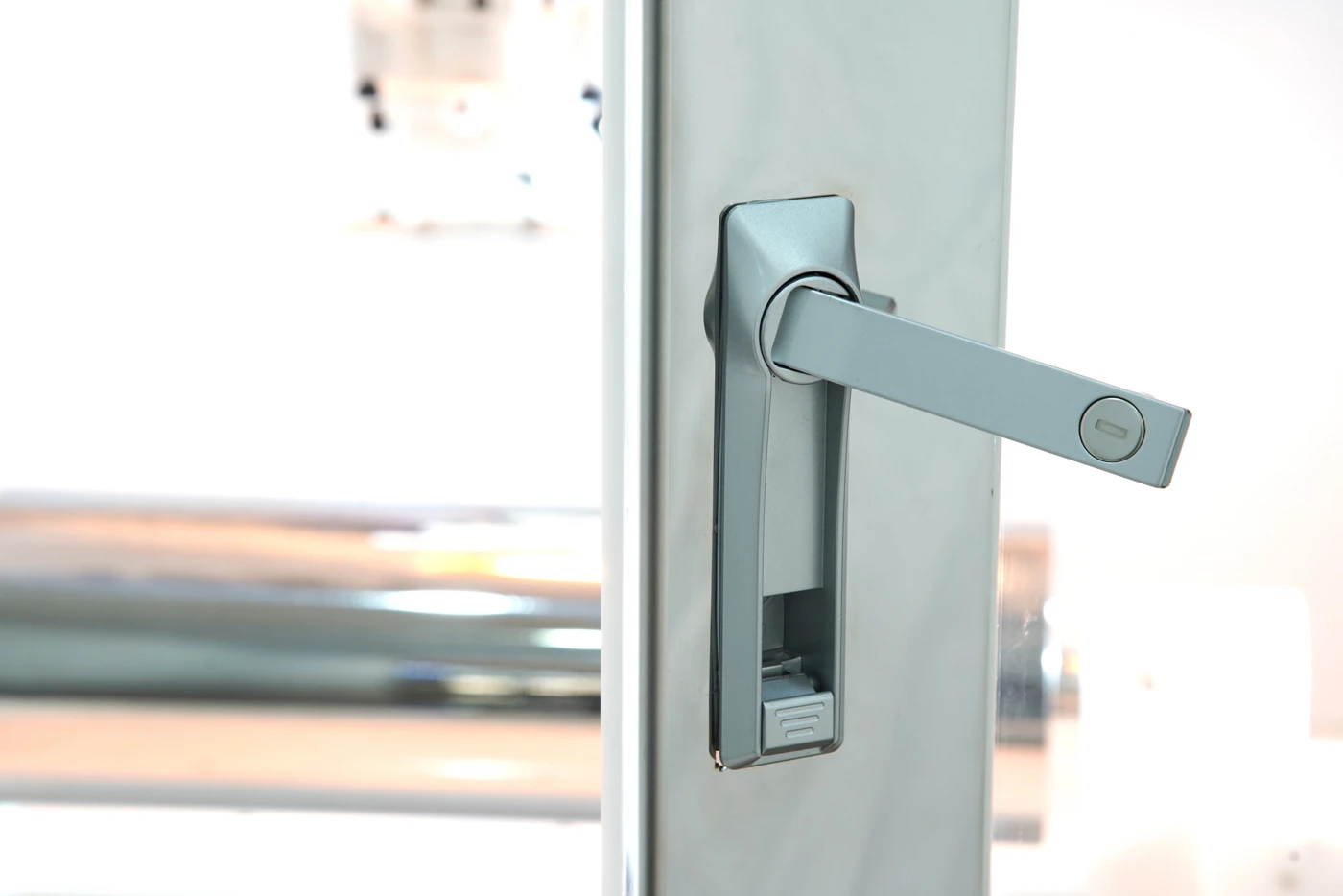
Emergency stop and a door interlock shut down high-voltage output when required. The supplies provide overvoltage, overcurrent, arc and short-circuit protection. Multipoint grounding connects the cabinet, HV supplies, syringe pumps and collectors.

Configuration, installation and support

Confirm supply quantity and polarity, feeding channels, spinnerets, collector geometry and any coating or writing sequence. Overall dimensions depend on the selected modules. Site planning covers electrical supply, grounding, exhaust, door clearance and environmental-control space. Three-year warranty and lifetime maintenance support are provided, with service scope defined in the contract.

Tell us what you want to make.

Share your material, target structure and sample size. We can discuss a suitable platform and configuration.

Discuss your application