Wound dressings
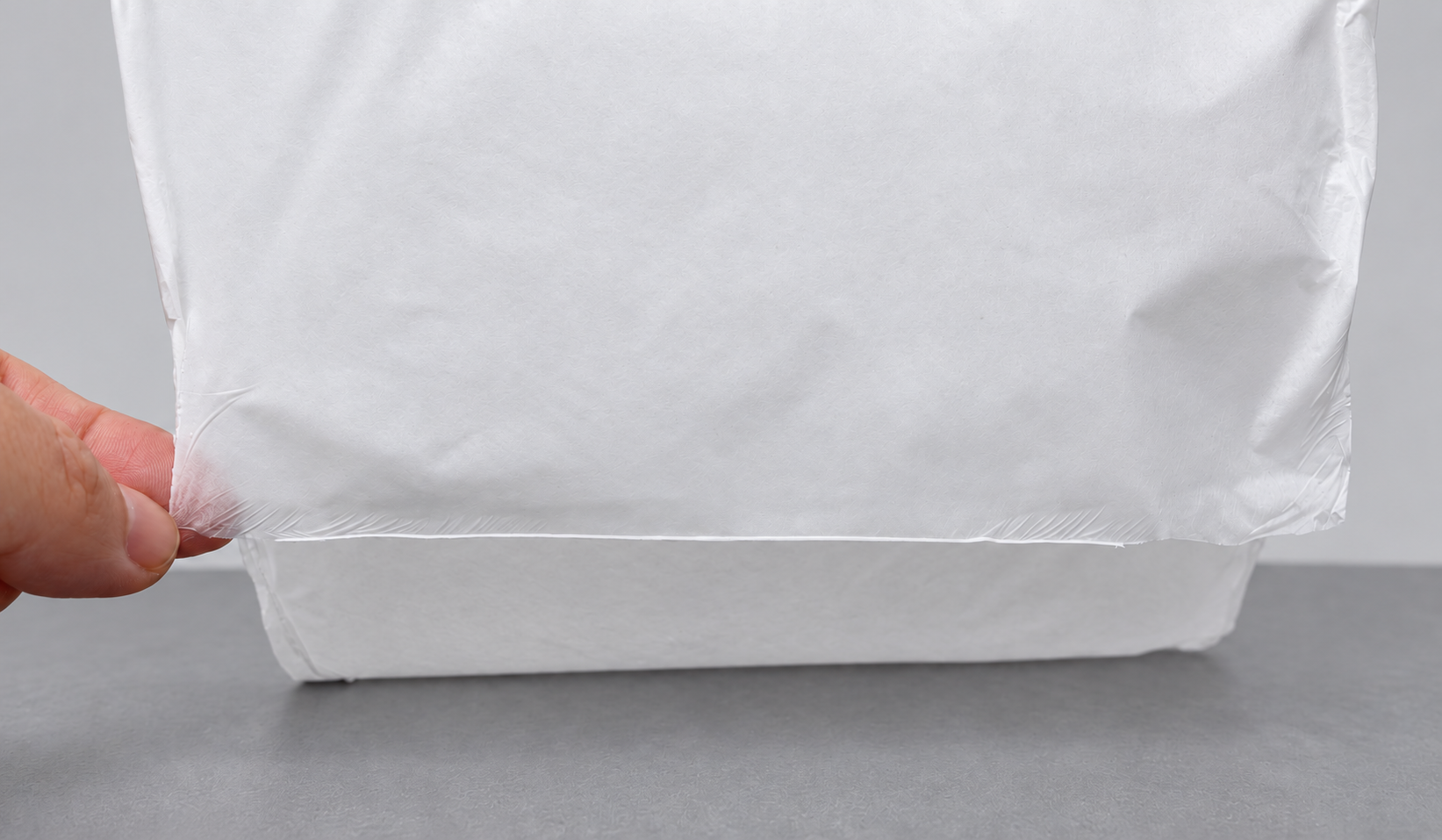
Add a fiber layer to existing dressings, or develop standalone or composite fibrous membranes.


BIOMEDICAL MATERIALS · Preparation of Biomedical Membrane Materials
From wound dressings and tissue repair materials to cell culture scaffolds, explore fiber forms, structural requirements, preparation approaches and equipment configurations for membranes, tubes, fiber bundles and ordered scaffolds.
For medical material companies · Medical device development teams · Scientific research groups
DIVERSE FIBER FORMS.
Starting from application purpose
First identify directions relevant to your product, then examine research examples, structural choices, and preparation methods.
Add a fiber layer to existing dressings, or develop standalone or composite fibrous membranes.
Explore membrane structures focusing on barrier properties, absorbability, and tissue contact interfaces.
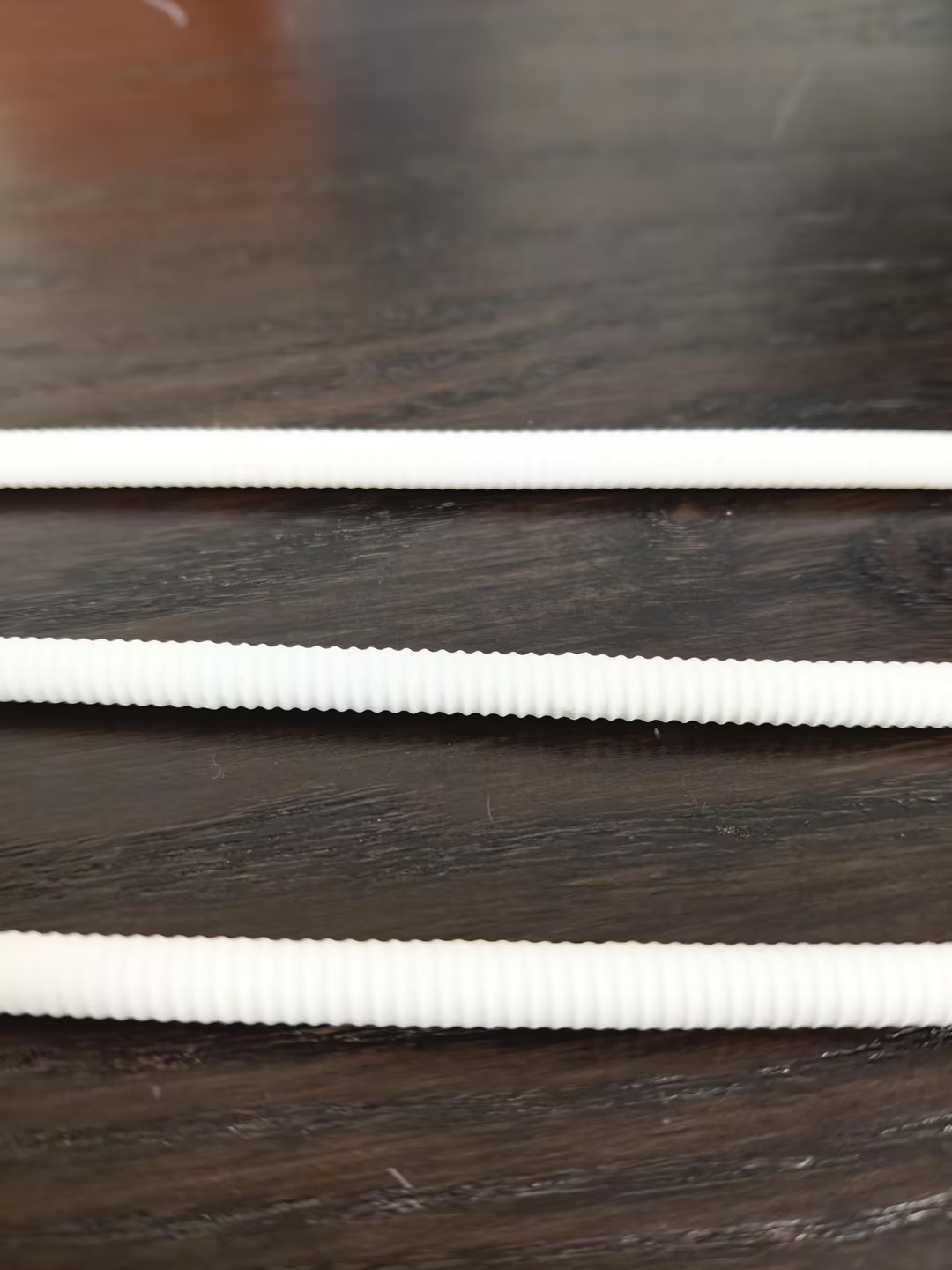
Make culture surfaces better aligned with research needs, focusing on cell adhesion and alignment.
Incorporate active ingredients into fibers and study rapid, sustained, or localized release.
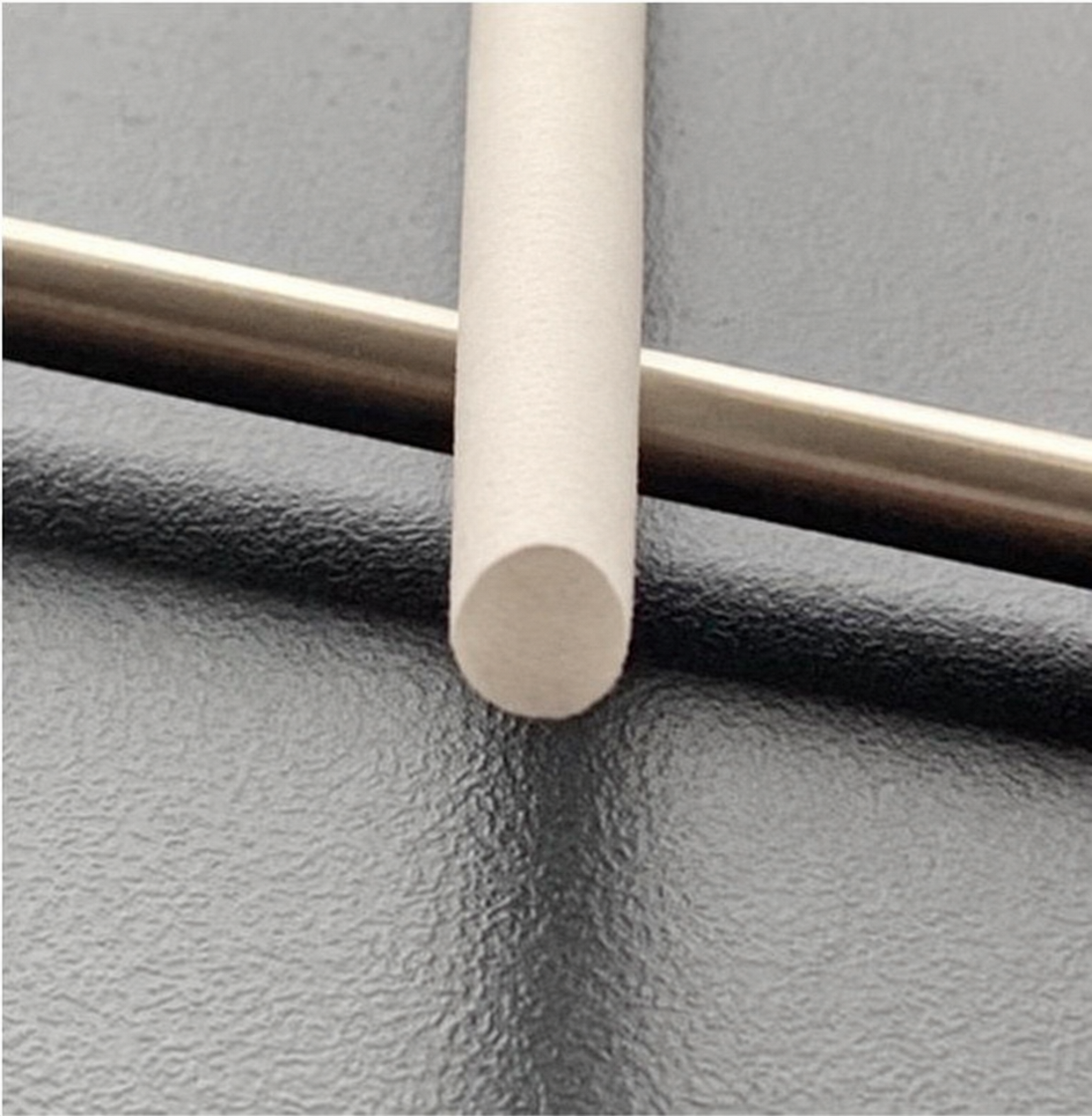
Extend from planar fibrous membranes to tubular, aligned, and three-dimensional composite structures.
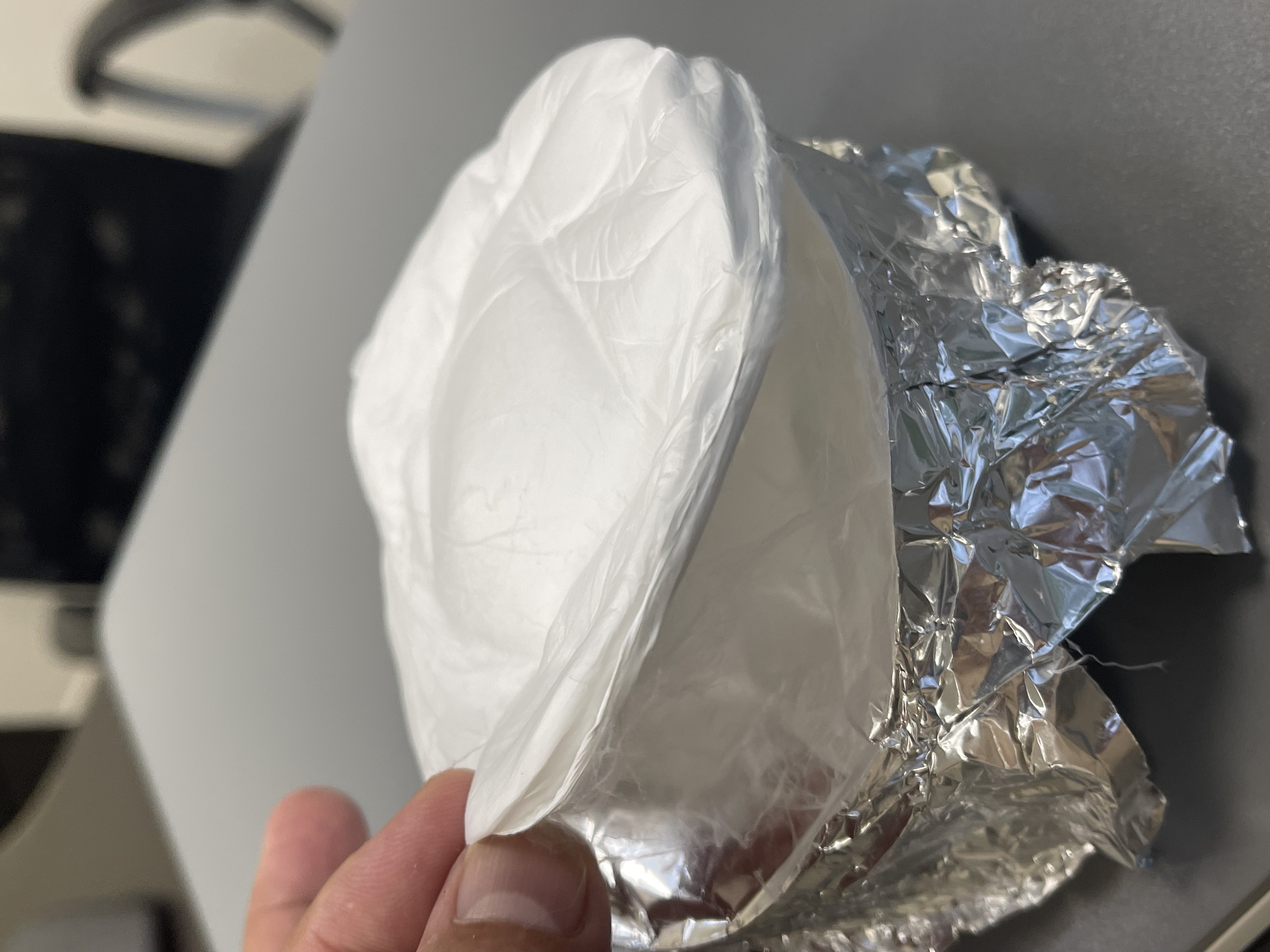
From on-site deposition to the surface layers of sanitary products, learn more about application boundaries.
From Solution to Fiber, Then to Membrane
Electrospinning uses an electric field to draw out fine fibers, which are collected into a membrane or combined with other structures. The specific morphology depends on the materials and process conditions.
Forming a removable membrane sheet or depositing directly onto the substrate surface.
Suitable for discussion: thickness, uniformity, porosity, and compositing.
Preparation configuration: planar or roller collection, and movable deposition.
Arranging fibers along a specific direction to create a directional contact surface.
Suitable for discussion: cell alignment, directional mechanics, and guiding structures.
Preparation configuration: oriented collection or programmable direct writing.
Assigning different materials or functions to different layers.
Suitable for discussion: coordination among the contact layer, support layer, and drug-loading layer.
Preparation configuration: sequential deposition, multi-channel fluid supply, and substrate collection.
Forming a core layer and a shell within a single fiber.
Suitable for discussion: component partitioning, encapsulation, and release behavior.
Preparation configuration: coaxial nozzle and independent fluid supply.
Structural schematic; not drawn to scale. The biological performance of the materials and the intended use of the final product must be evaluated based on the specific formulation and validation results.
From fiber formation to stable sample preparation
Only by clearly defining the target sample can the fluid supply, electric field, collection method, and environmental conditions be configured together.
Monitor material batches, solution status, solution supply stability, temperature, humidity, and collection conditions; correlate this information with each sample record.
First determine sampling locations and detection methods, then compare thickness or surface density, fiber diameter distribution, defects, and pore structures; avoid relying solely on a single micrograph.
Reconfirm deposition range, edge effects, collection speed, and deposition per unit area; also recheck solvent removal, drying, and post-treatment.
First clarify the effective width, target surface density, and sample specifications, then evaluate continuous solution supply, winding, environmental control, and process recording. Production capacity must be confirmed based on the specific material and process.
Based on your current question, configure communication
First specify the application, sample form, and validation objectives, then discuss the nozzle, collector, and equipment platform.
Material system, membrane or tubular form, sample size, and basic morphology.
Understand the laboratory platform →Multi-channel solution supply, coaxial or multilayer structures, environmental conditions, and process recording.
Understand the biomedical series →Effective width, continuous collection, surface density, post-treatment, and batch reproducibility.
Understand the continuous preparation platform →Start with your material requirements
Whether you have an existing material formulation or only an application concept, you can begin the discussion with a target sample.

Equipment selection · Collection method · Functional configuration
+86 186 2035 3785tonglitech@outlook.com